









Power Racks
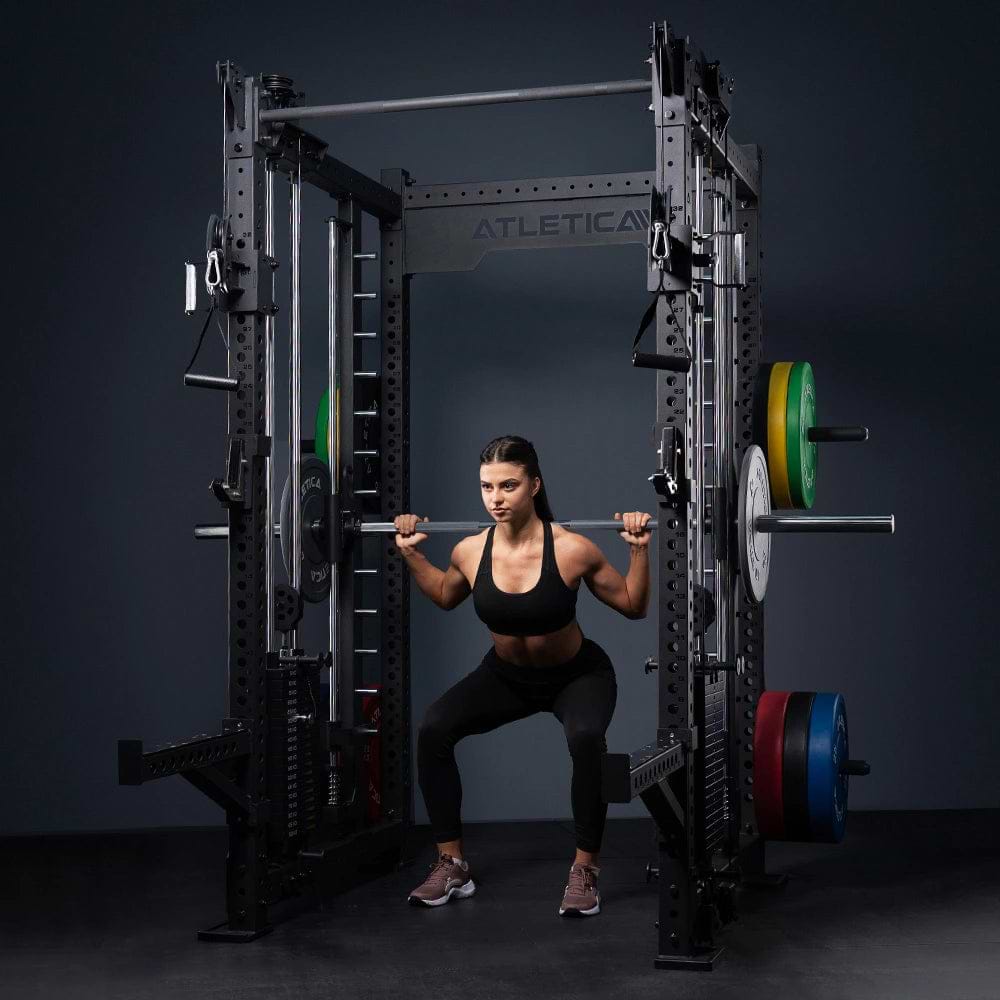
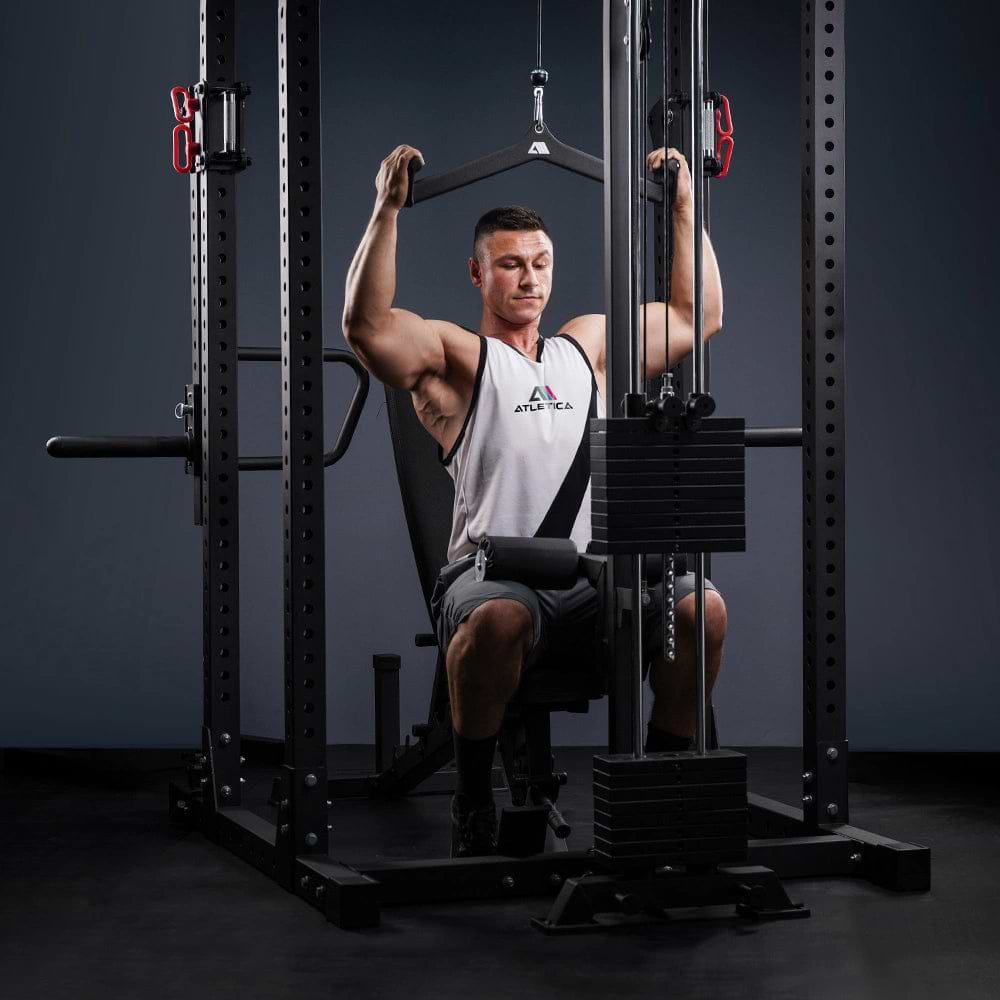
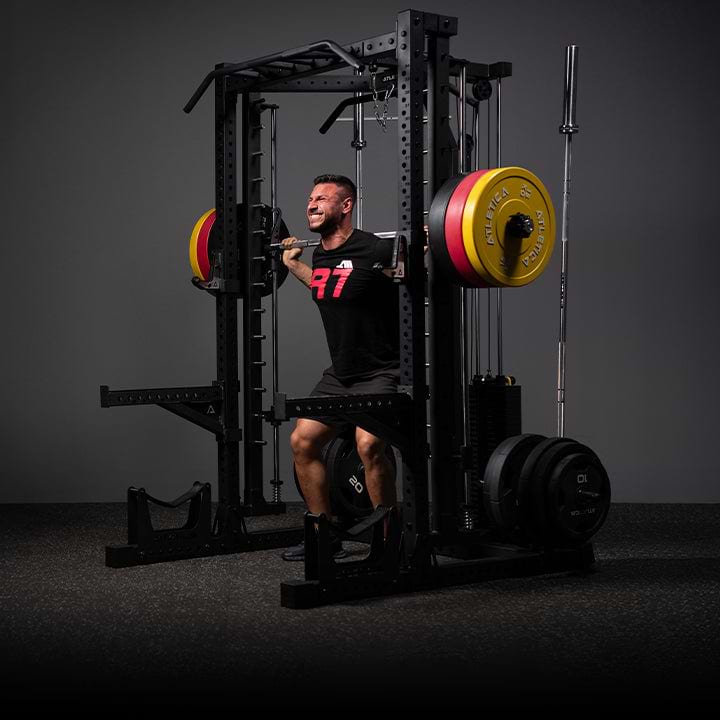
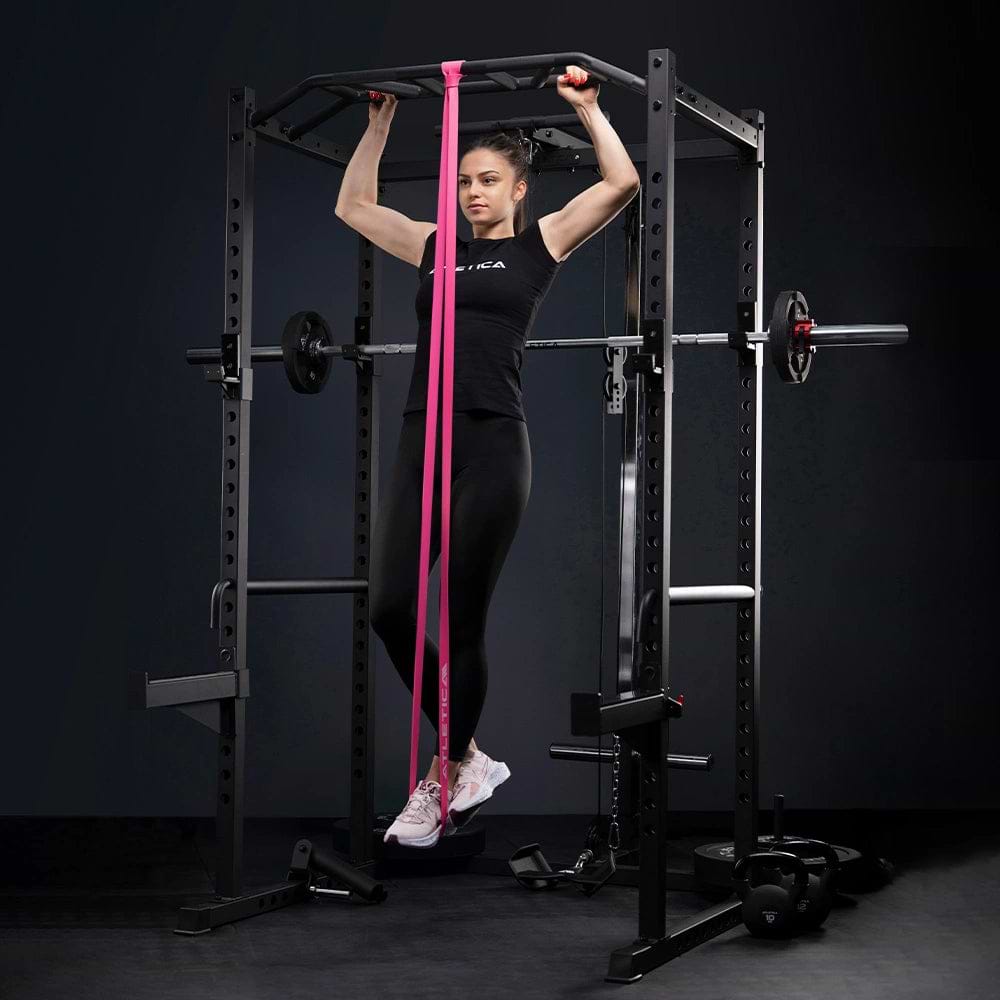
124 products
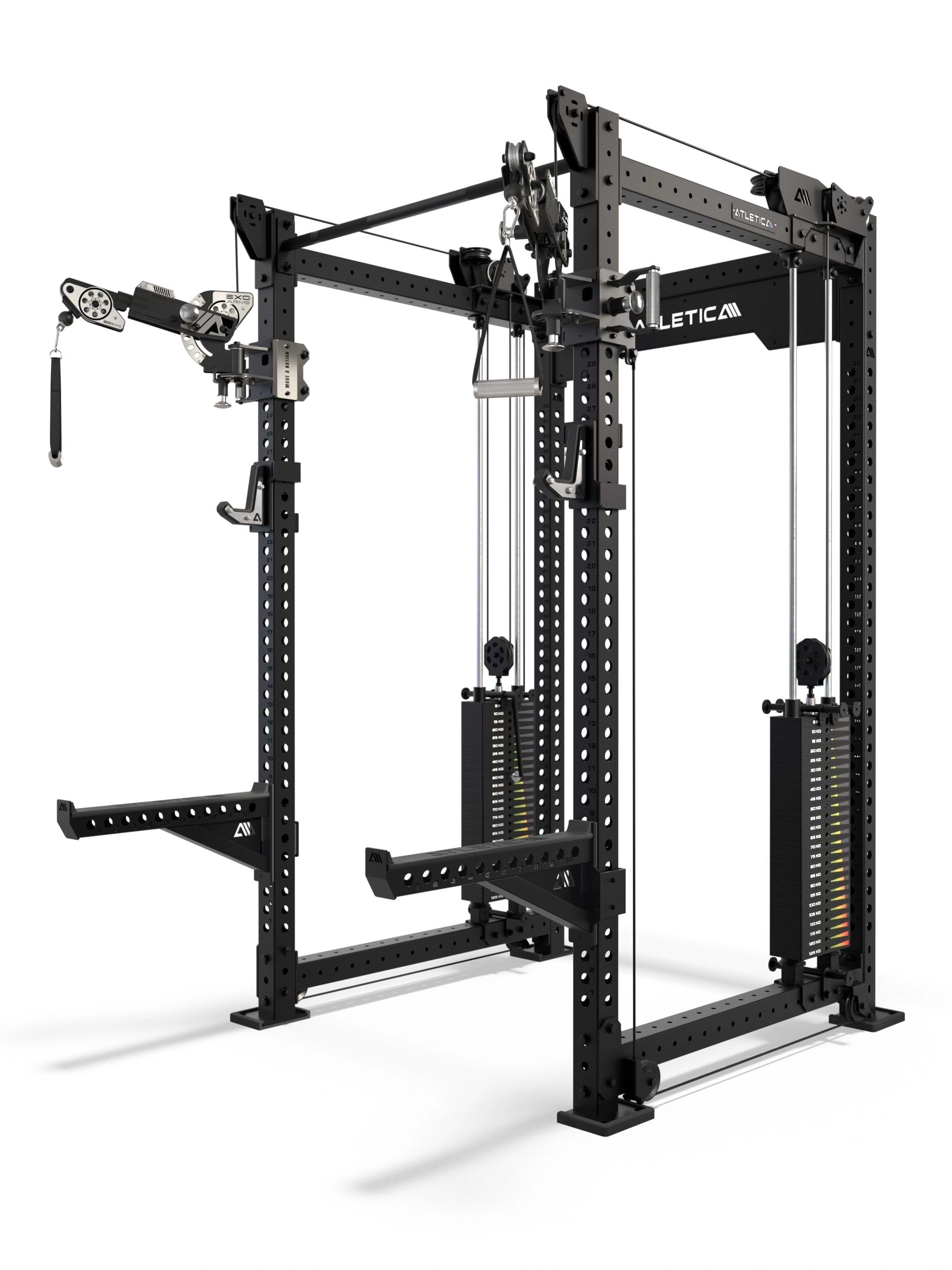
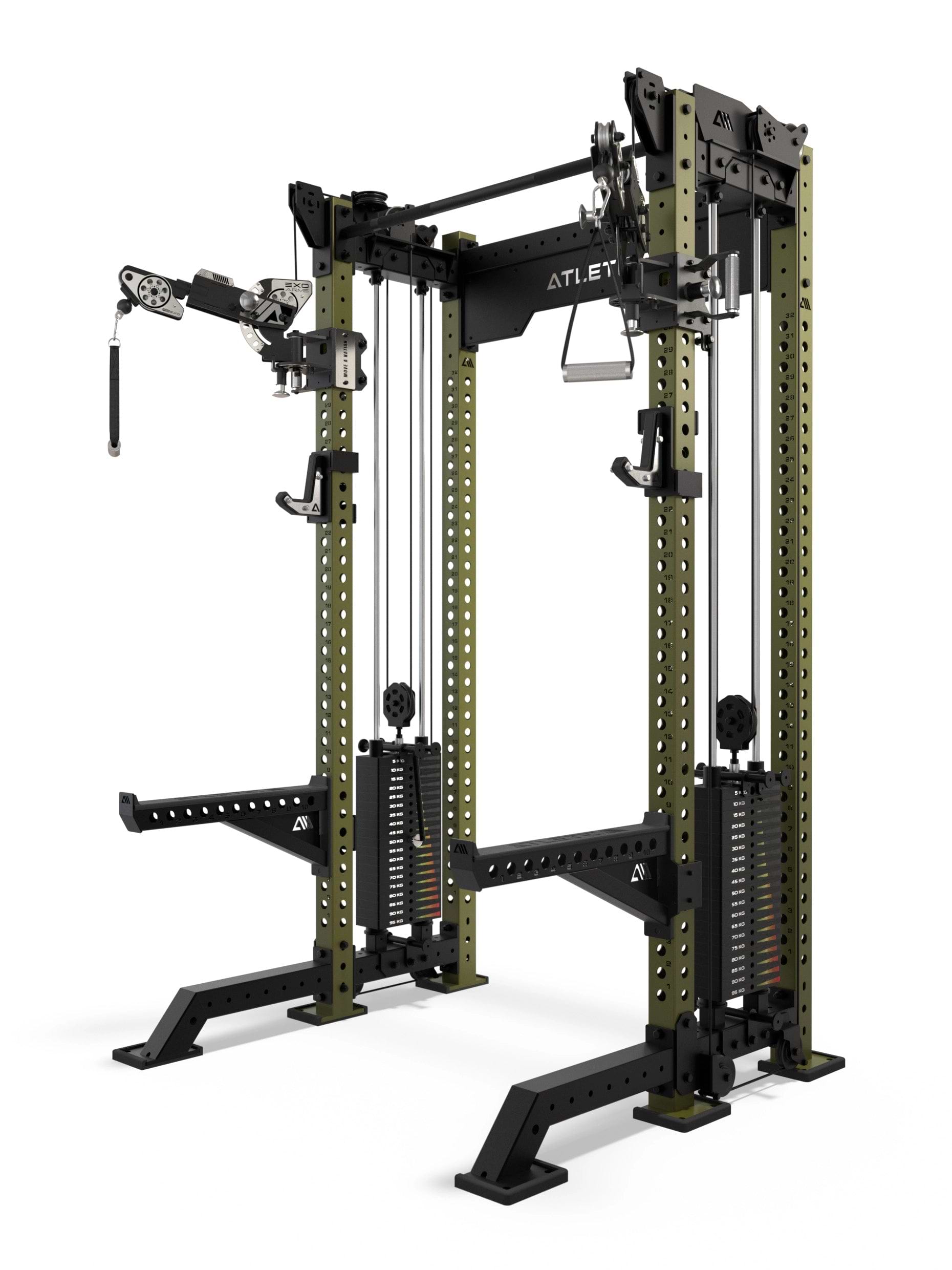
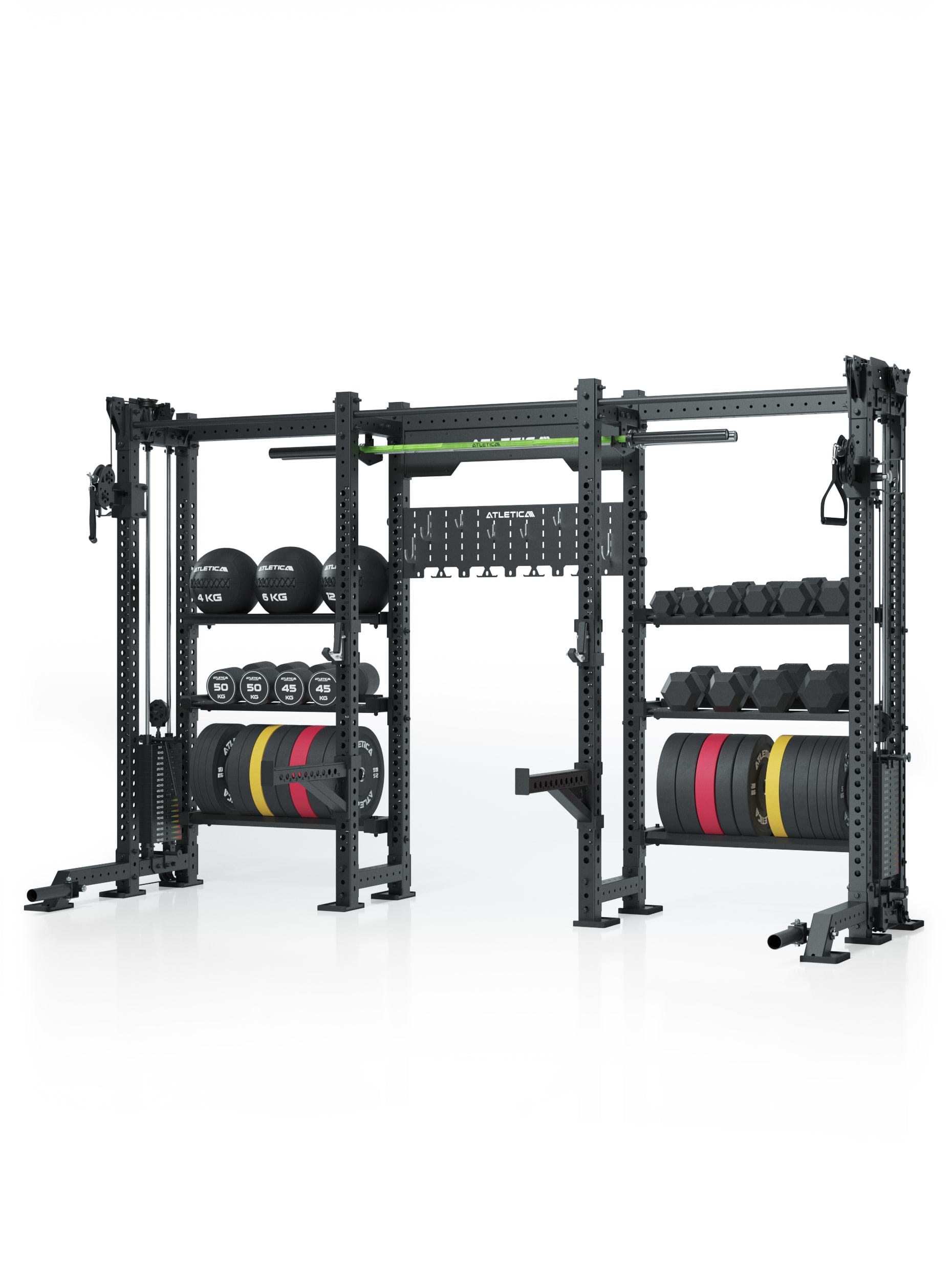
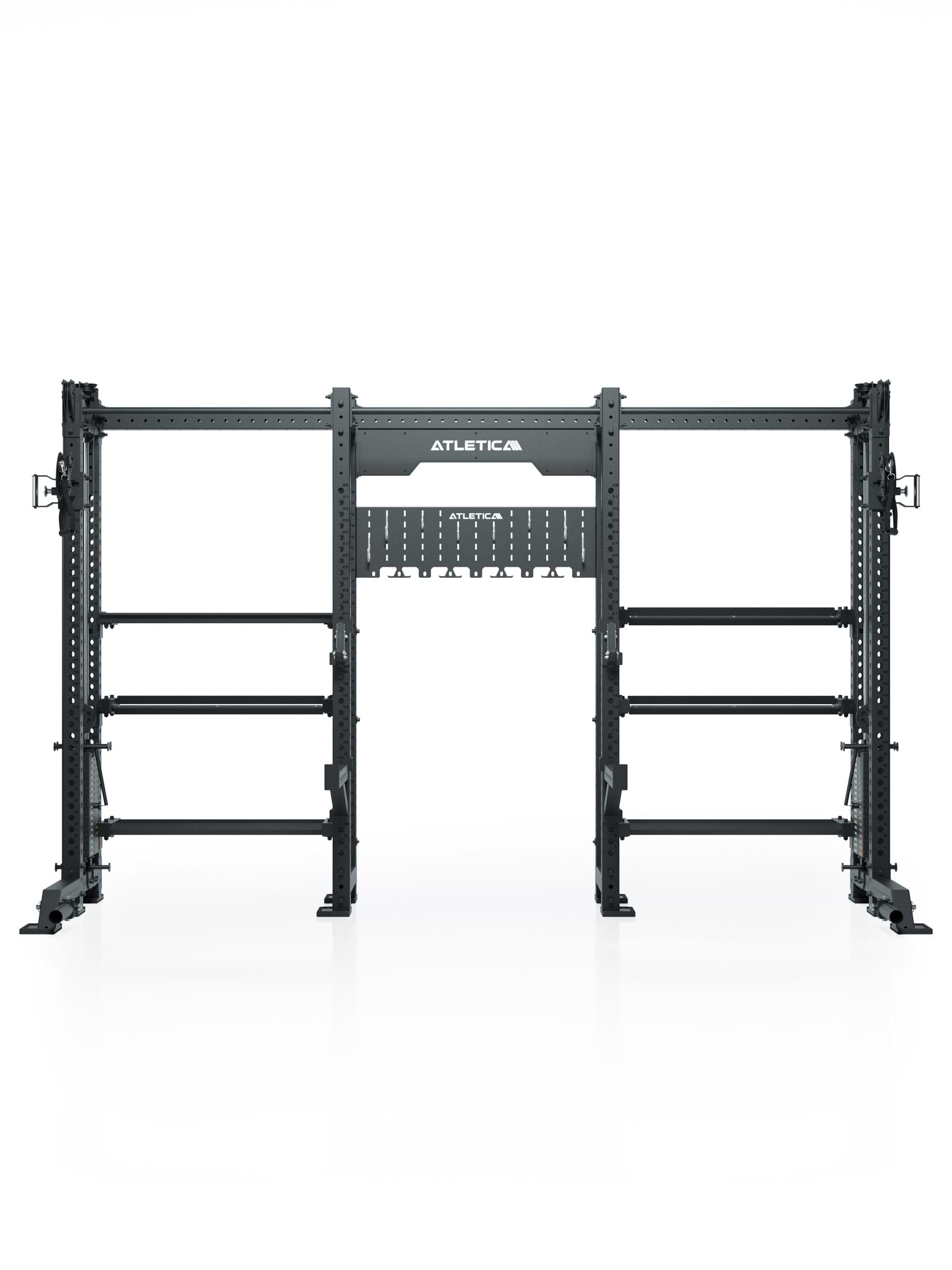
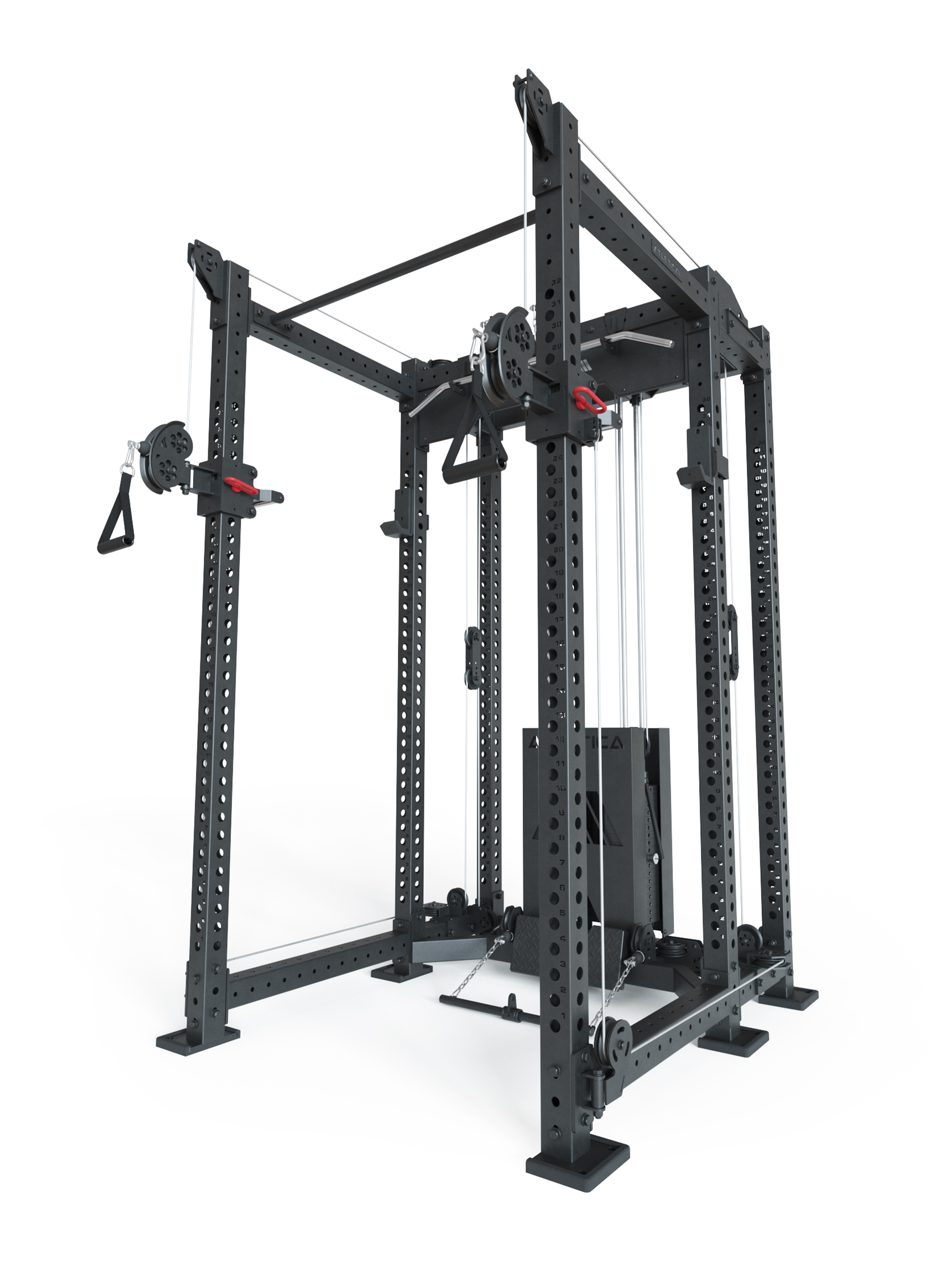
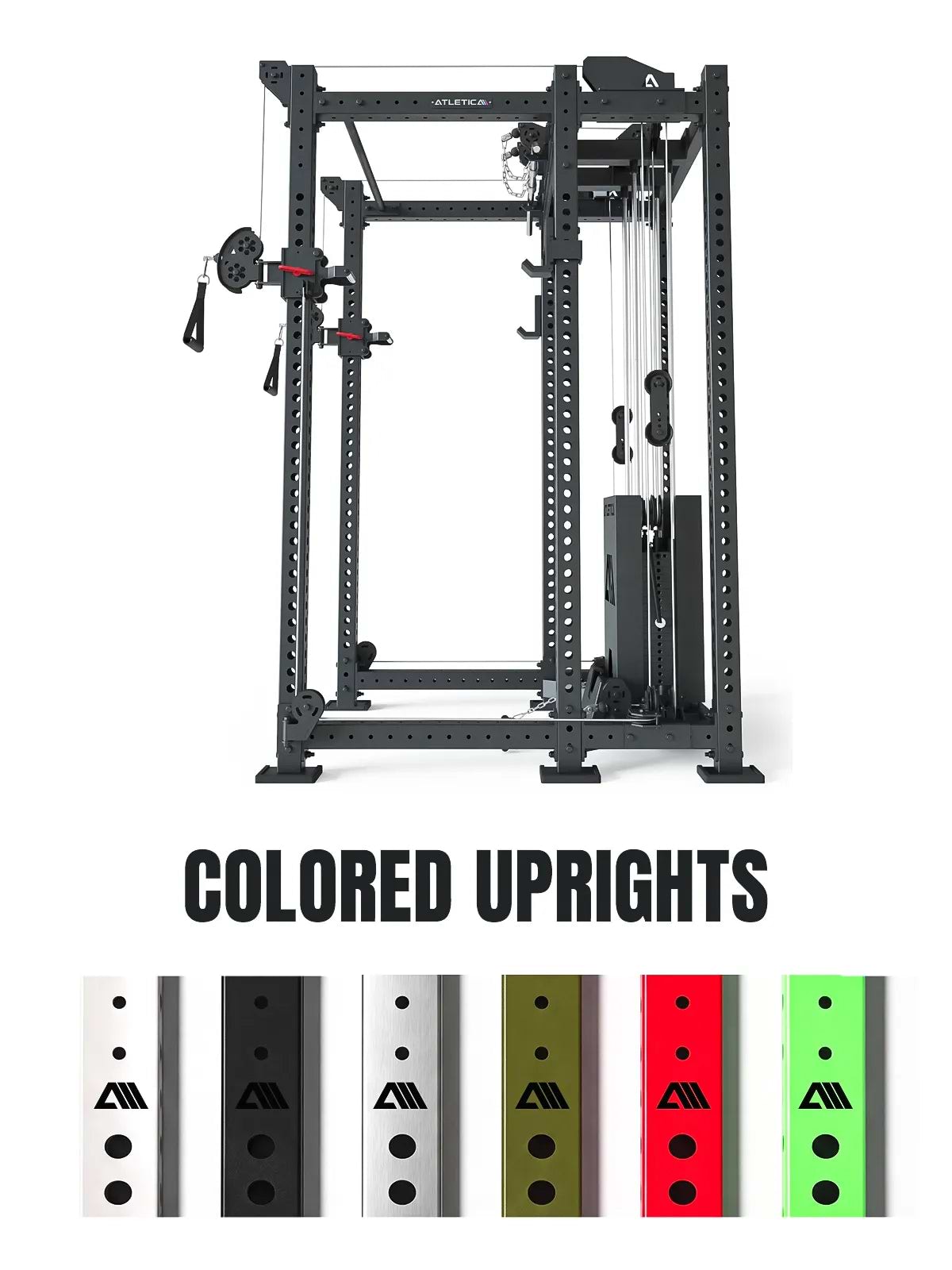
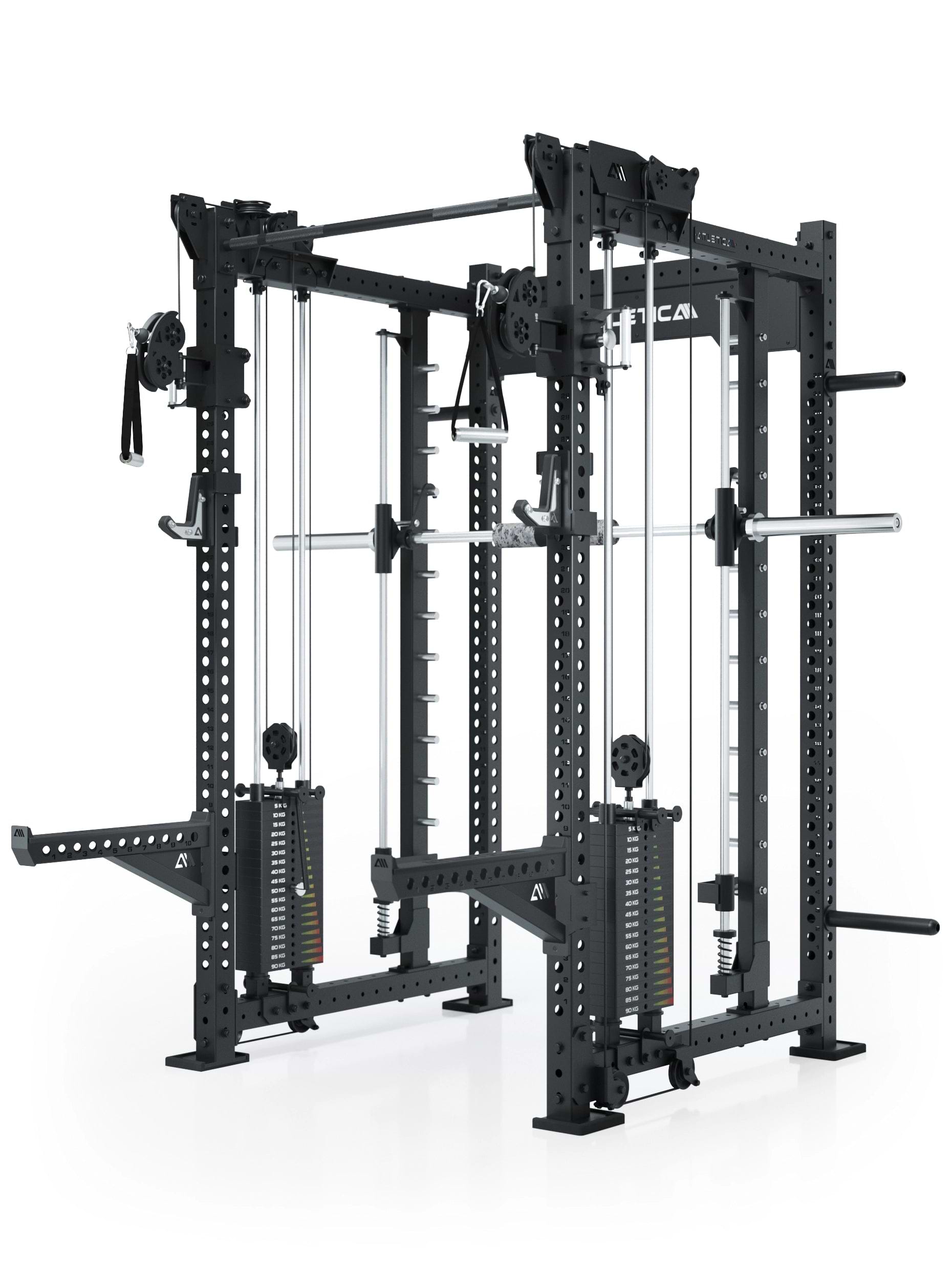
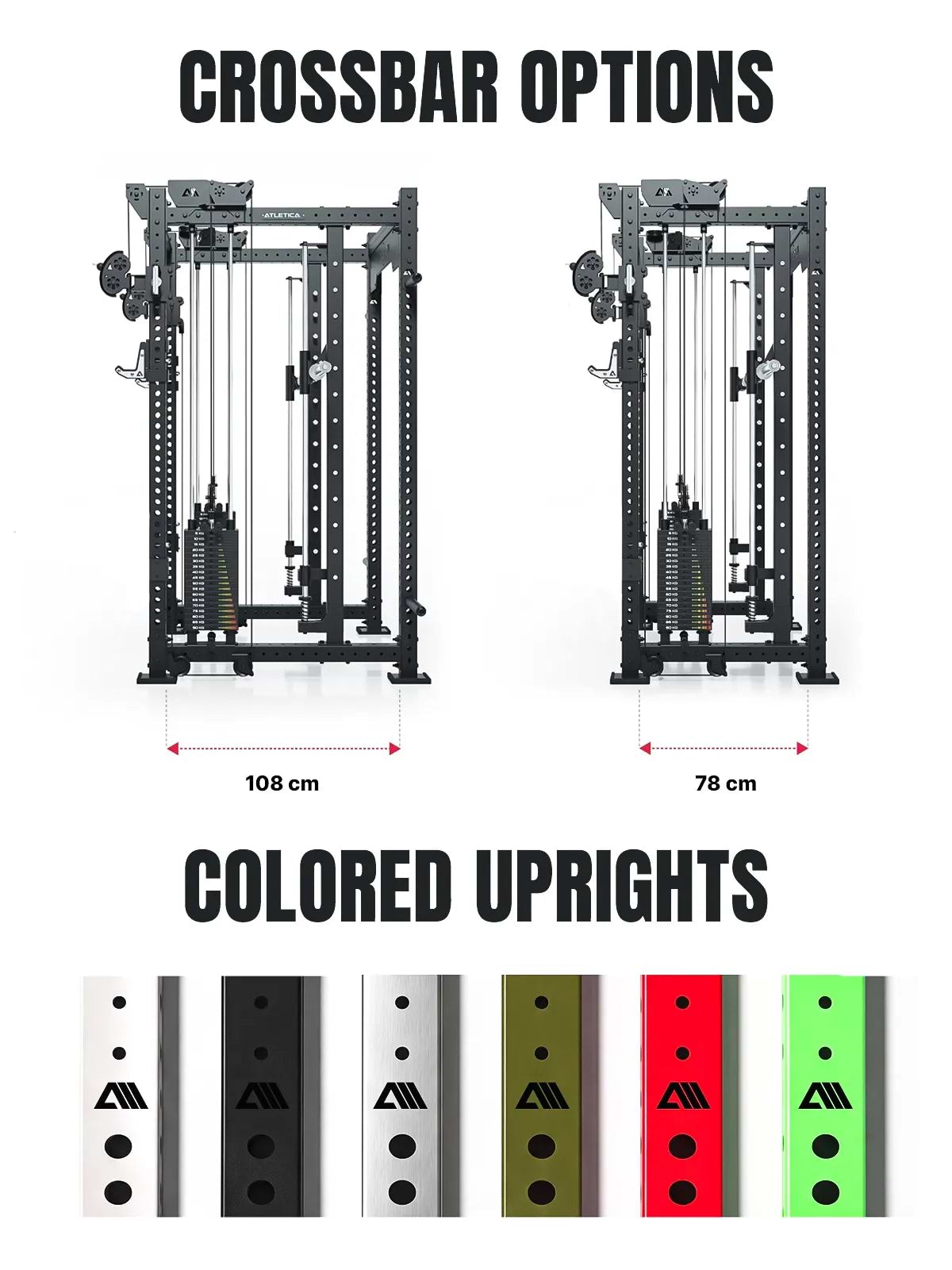

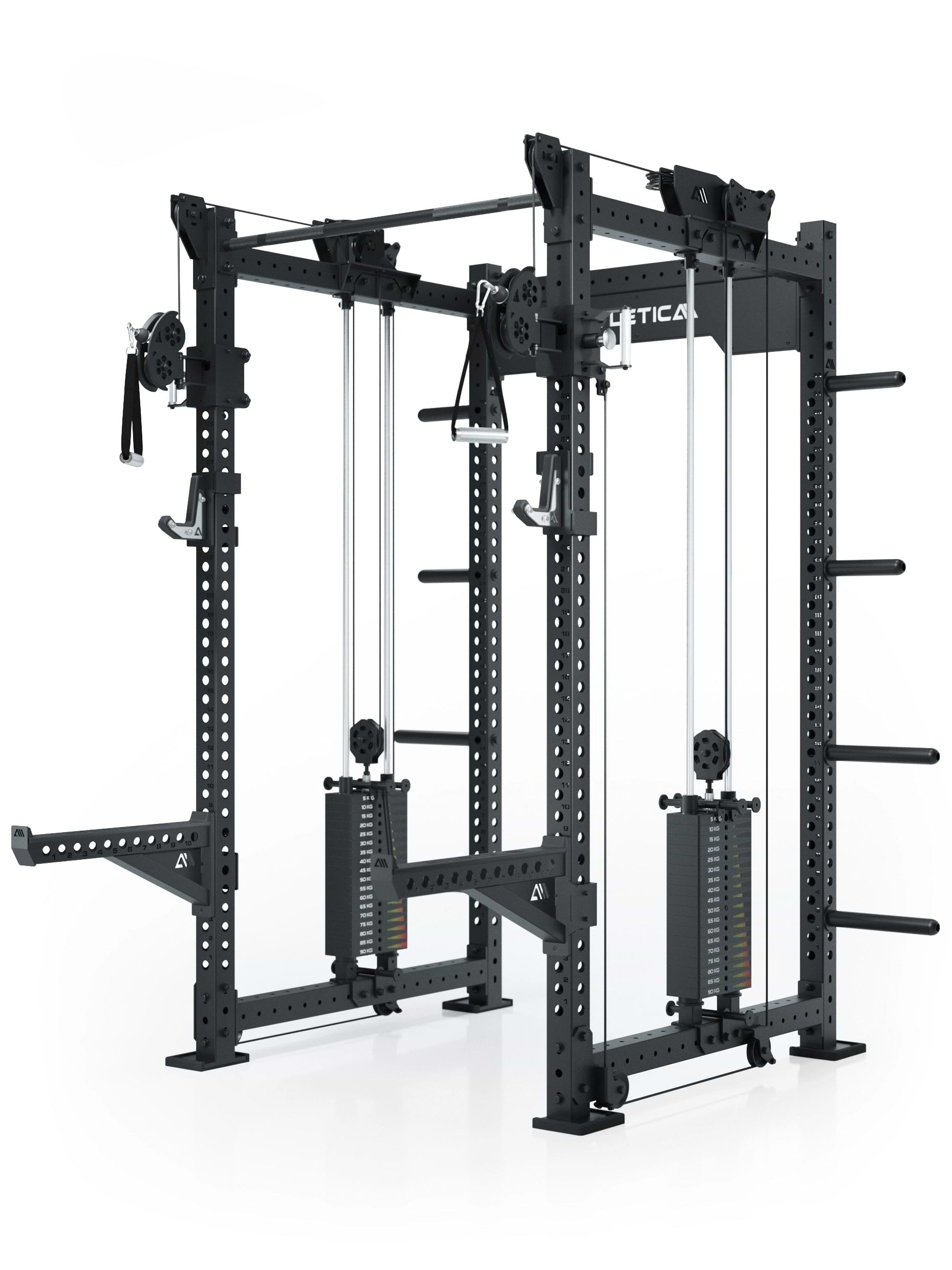
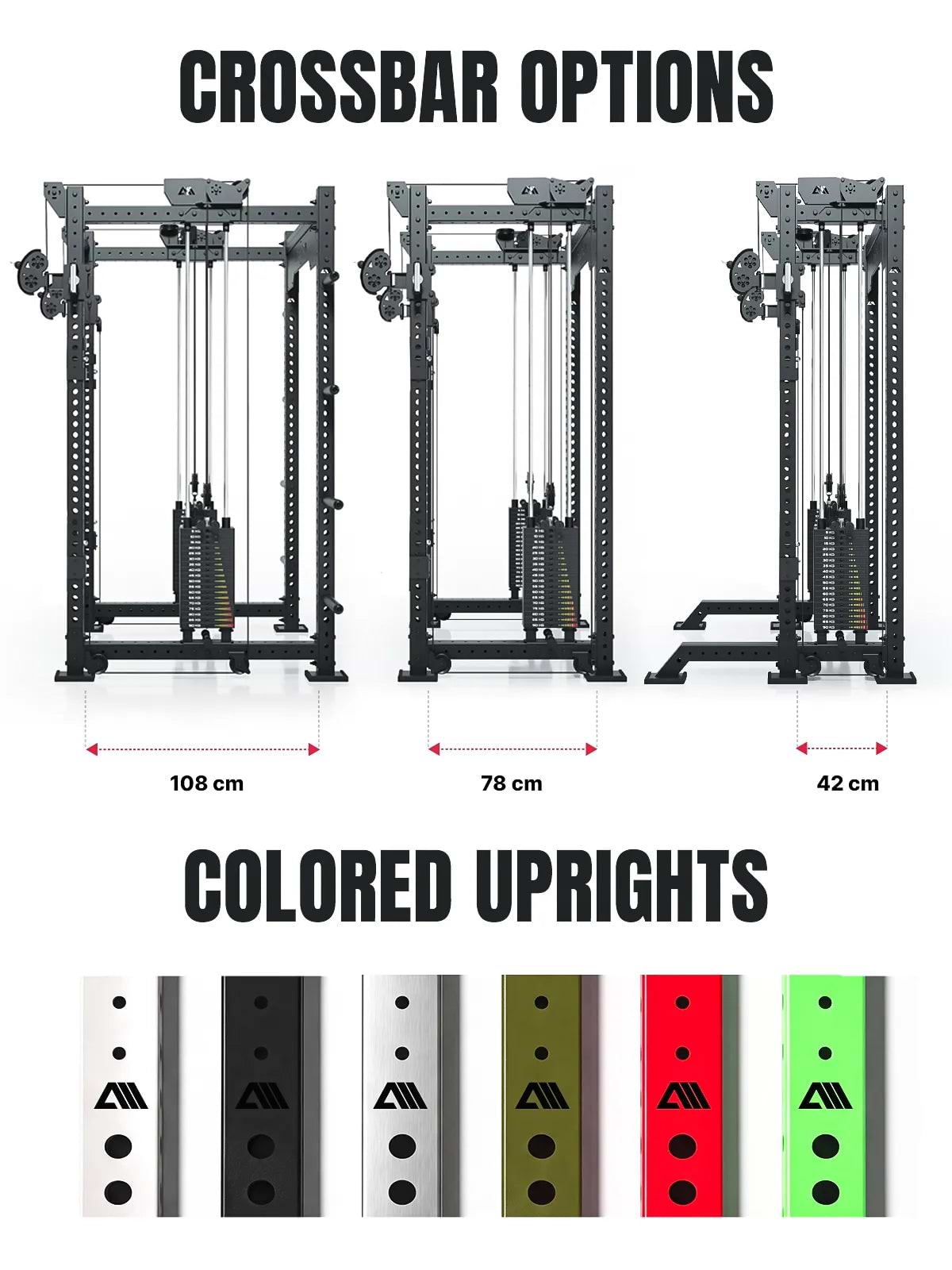
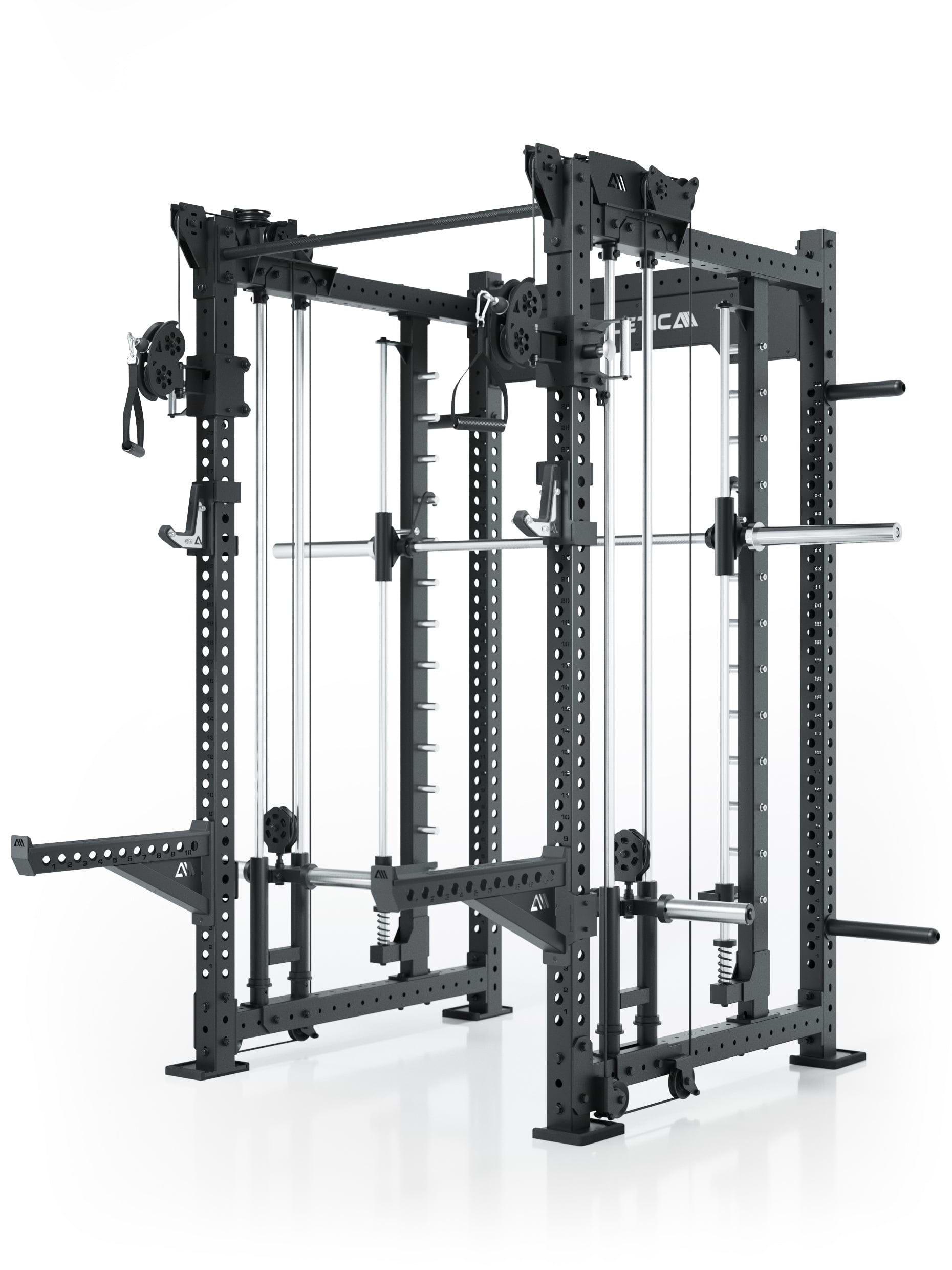

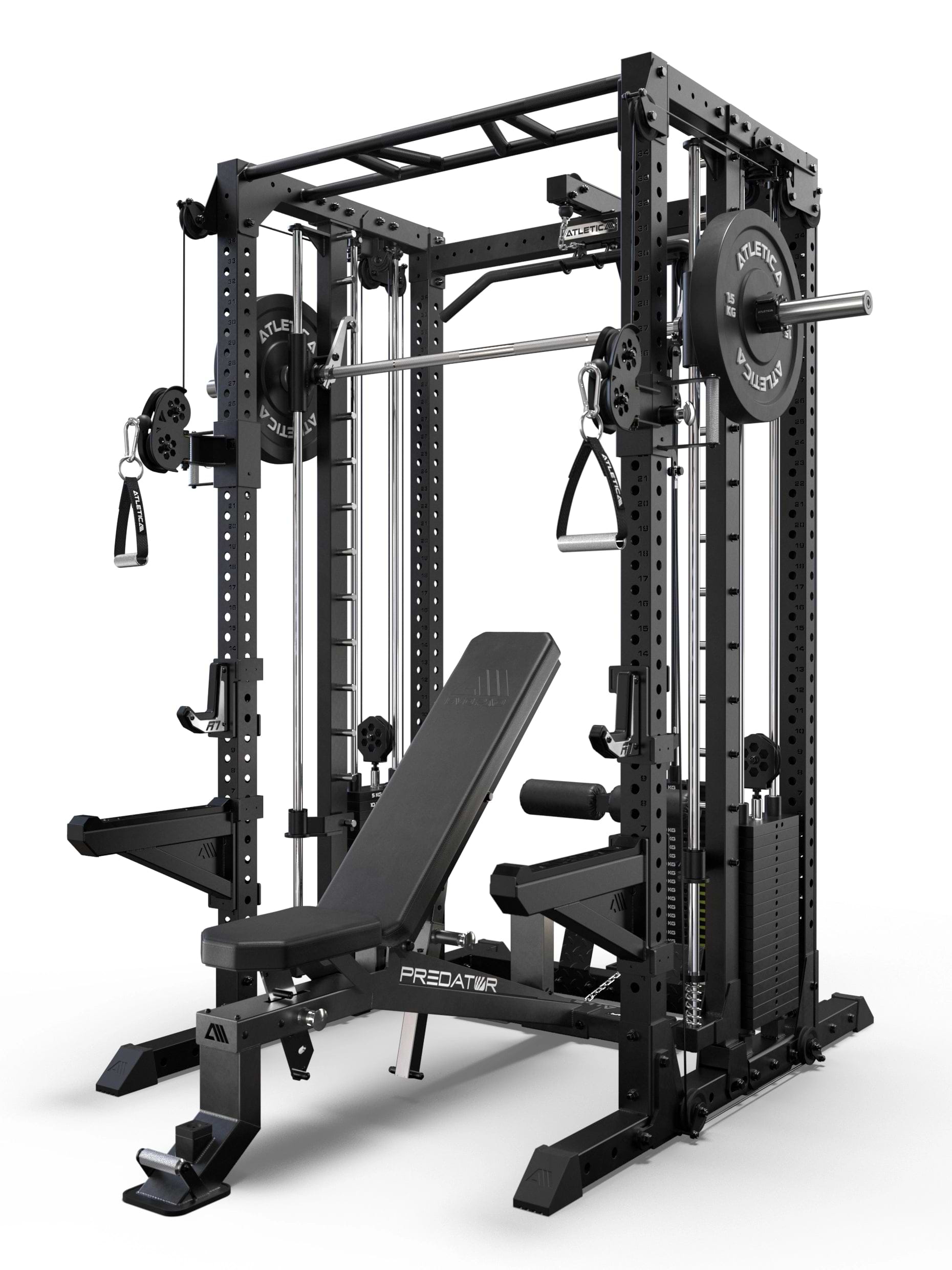
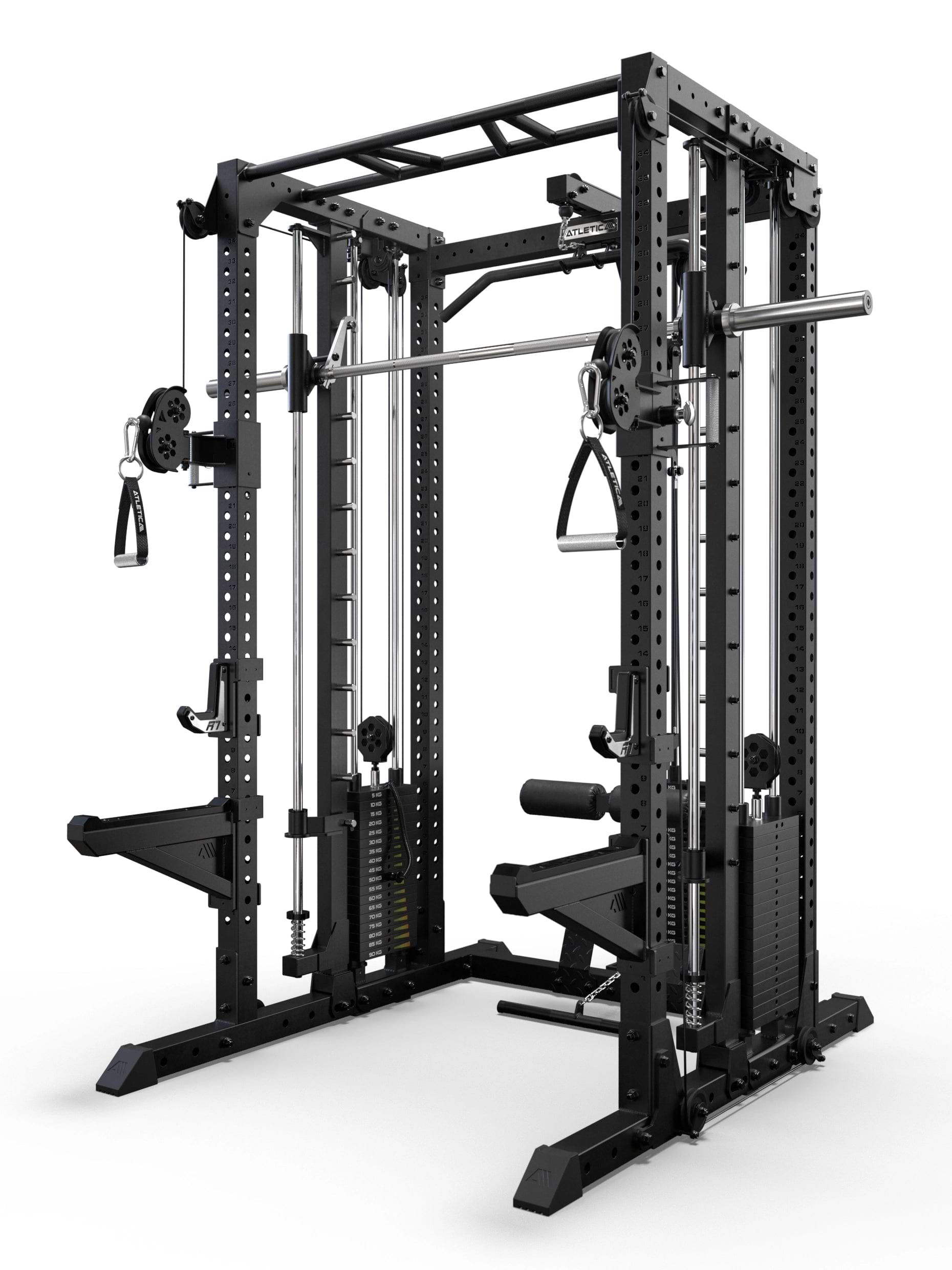
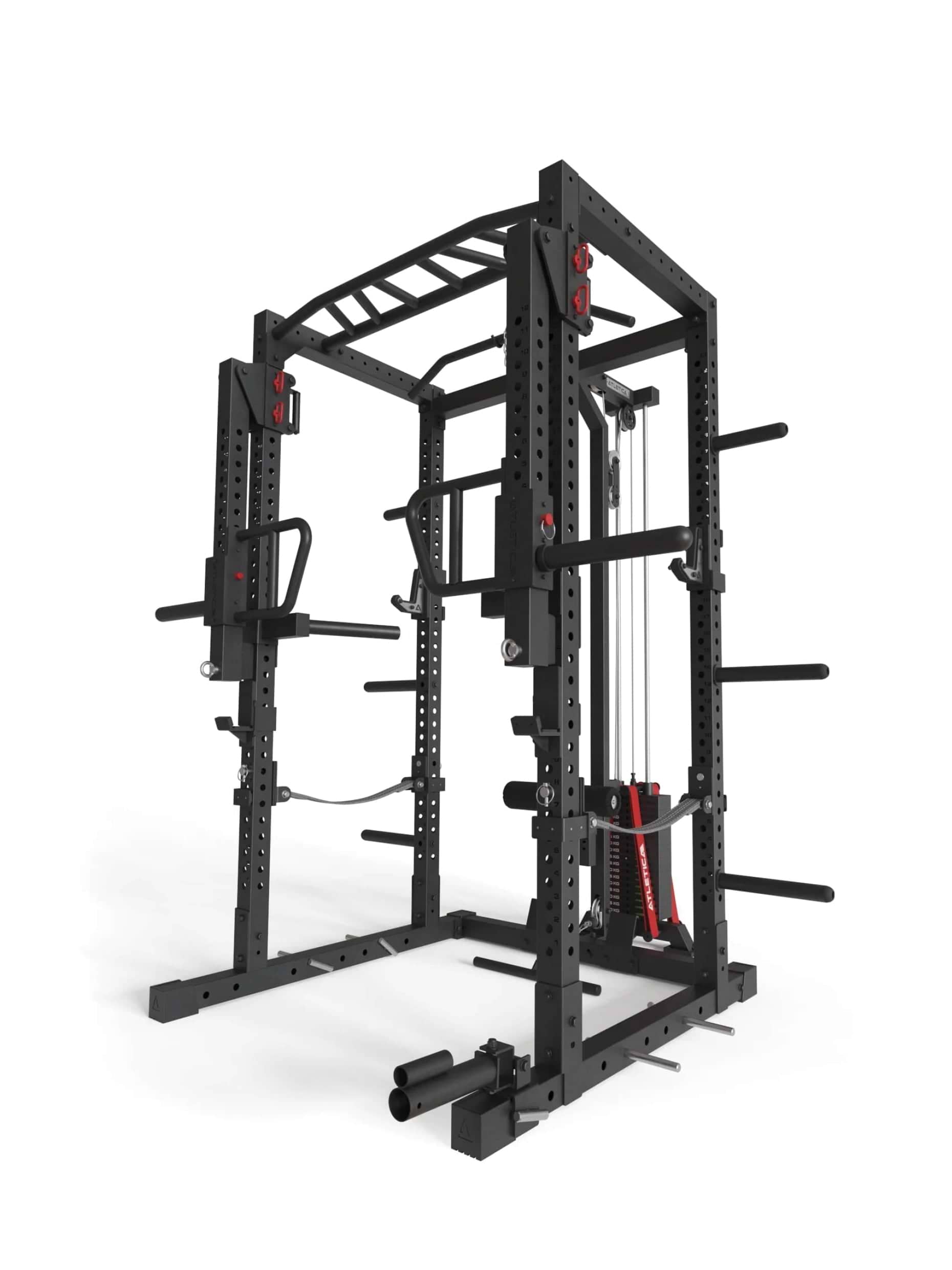
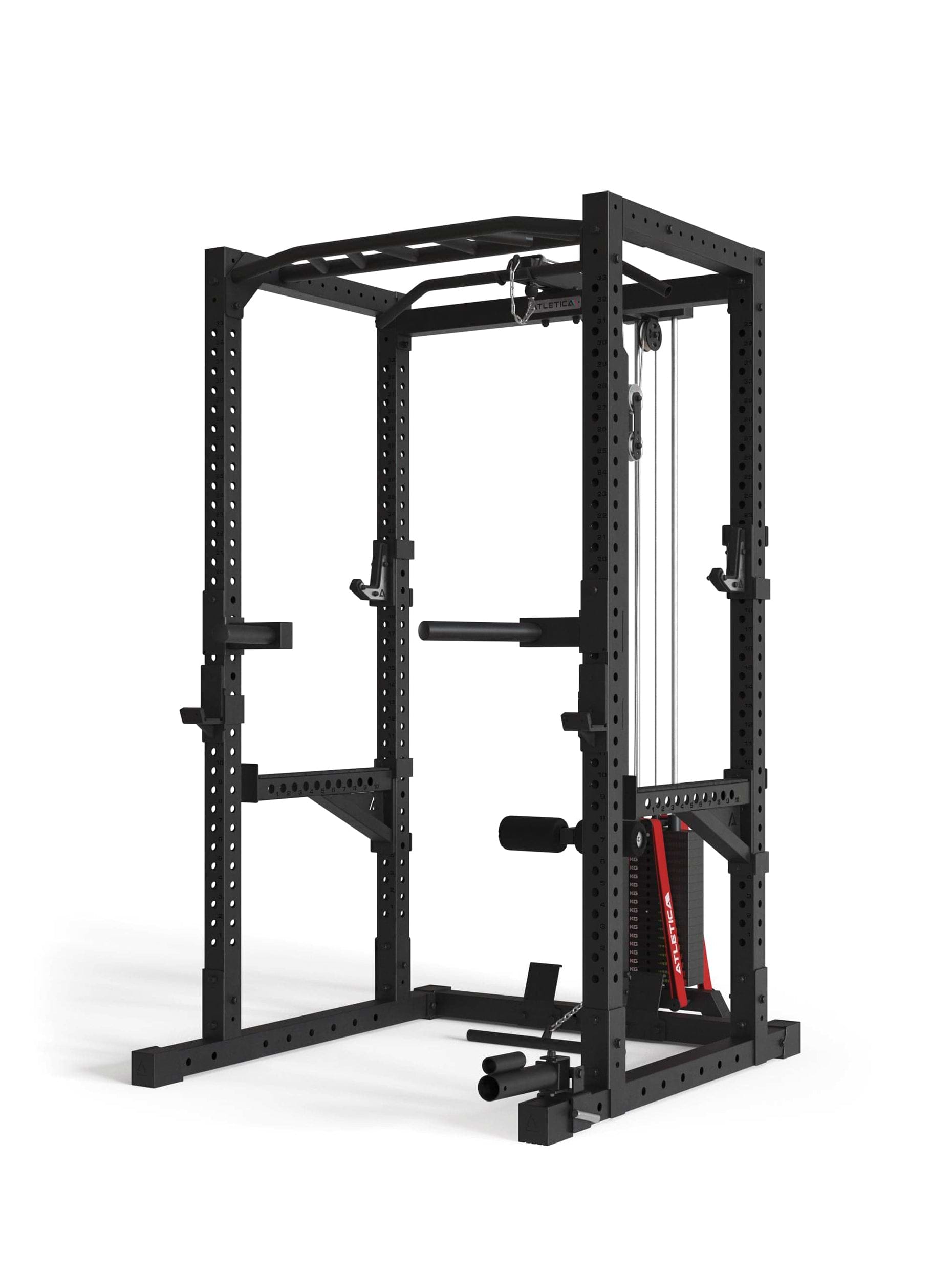
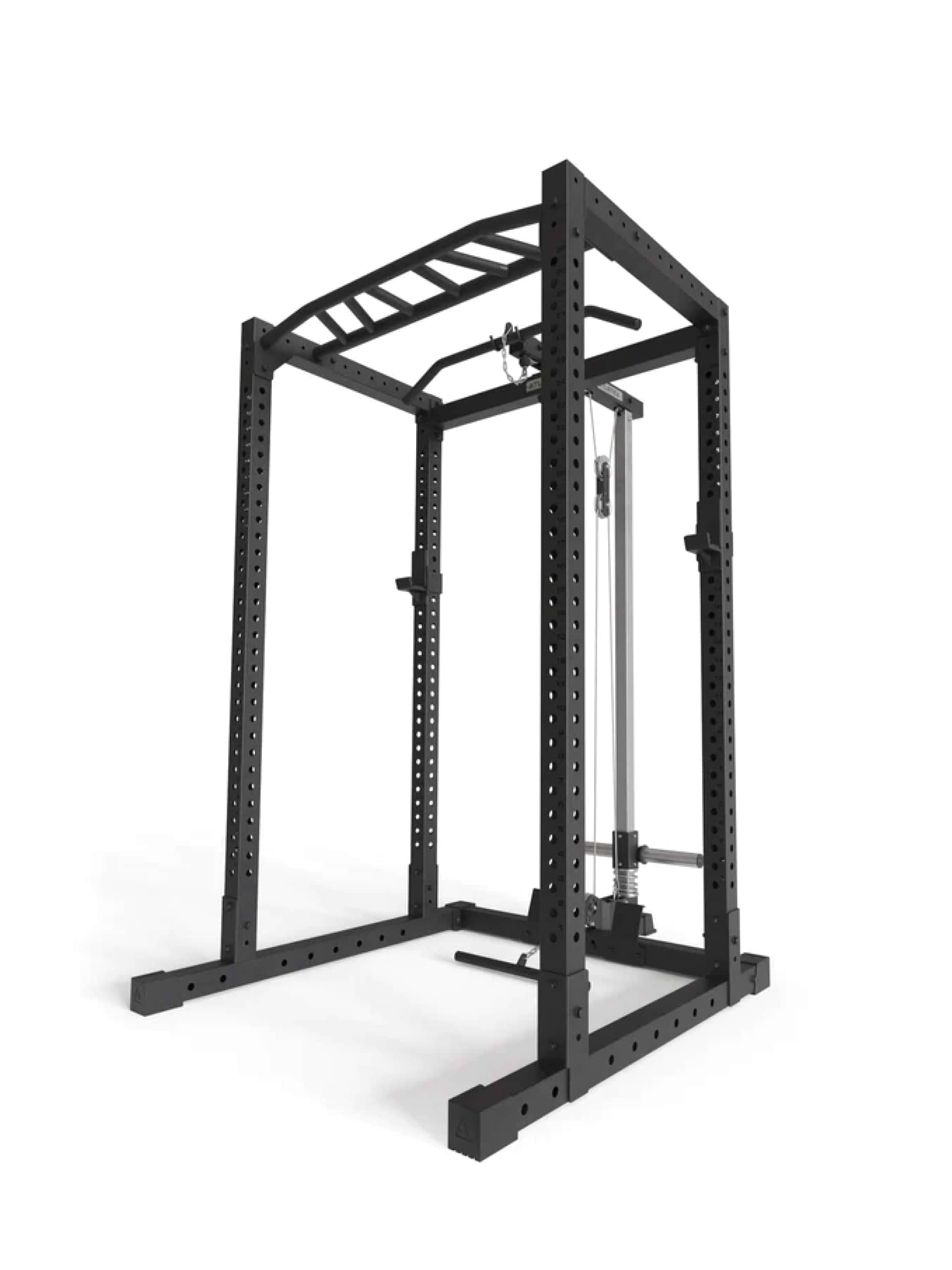
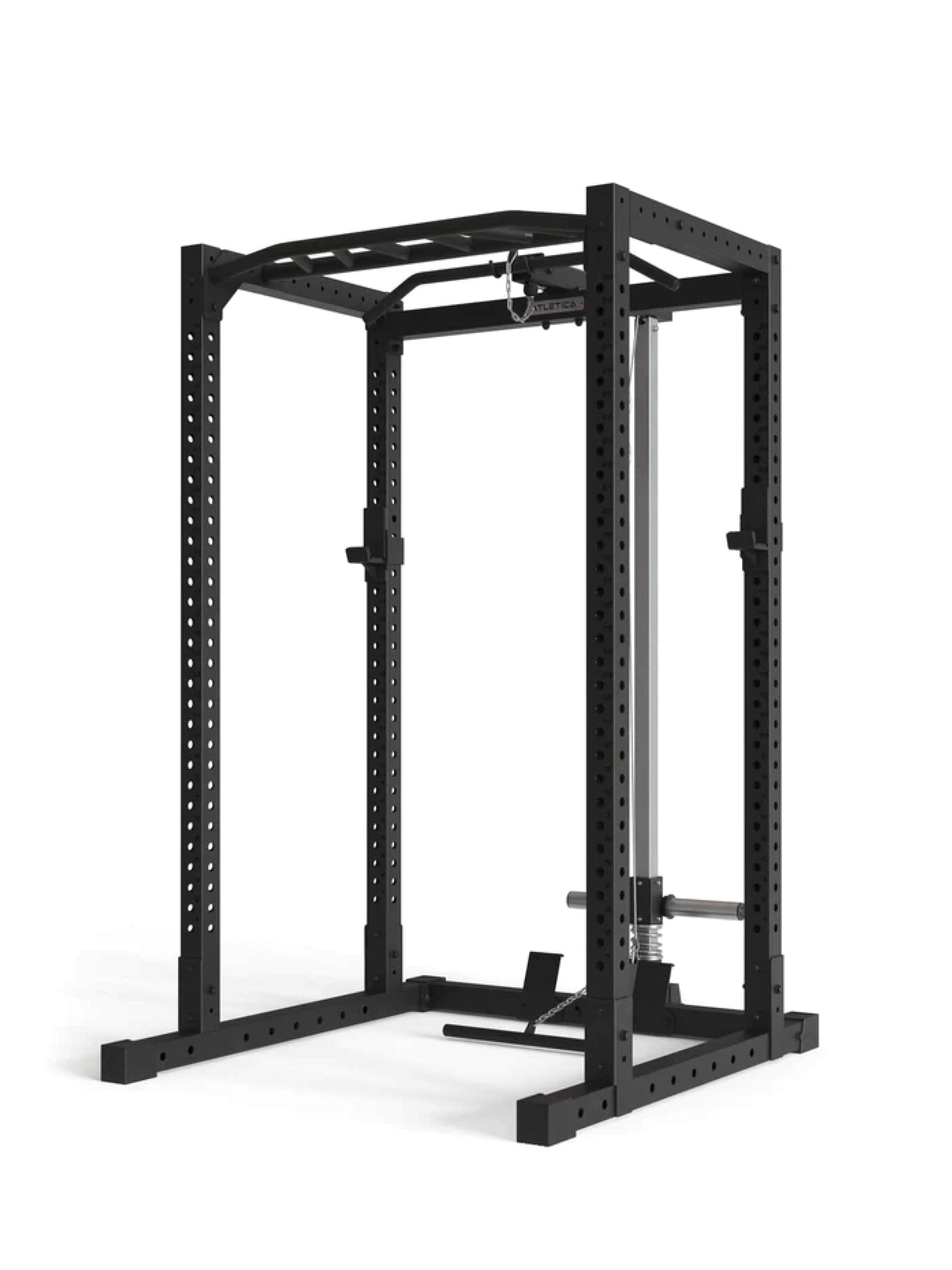
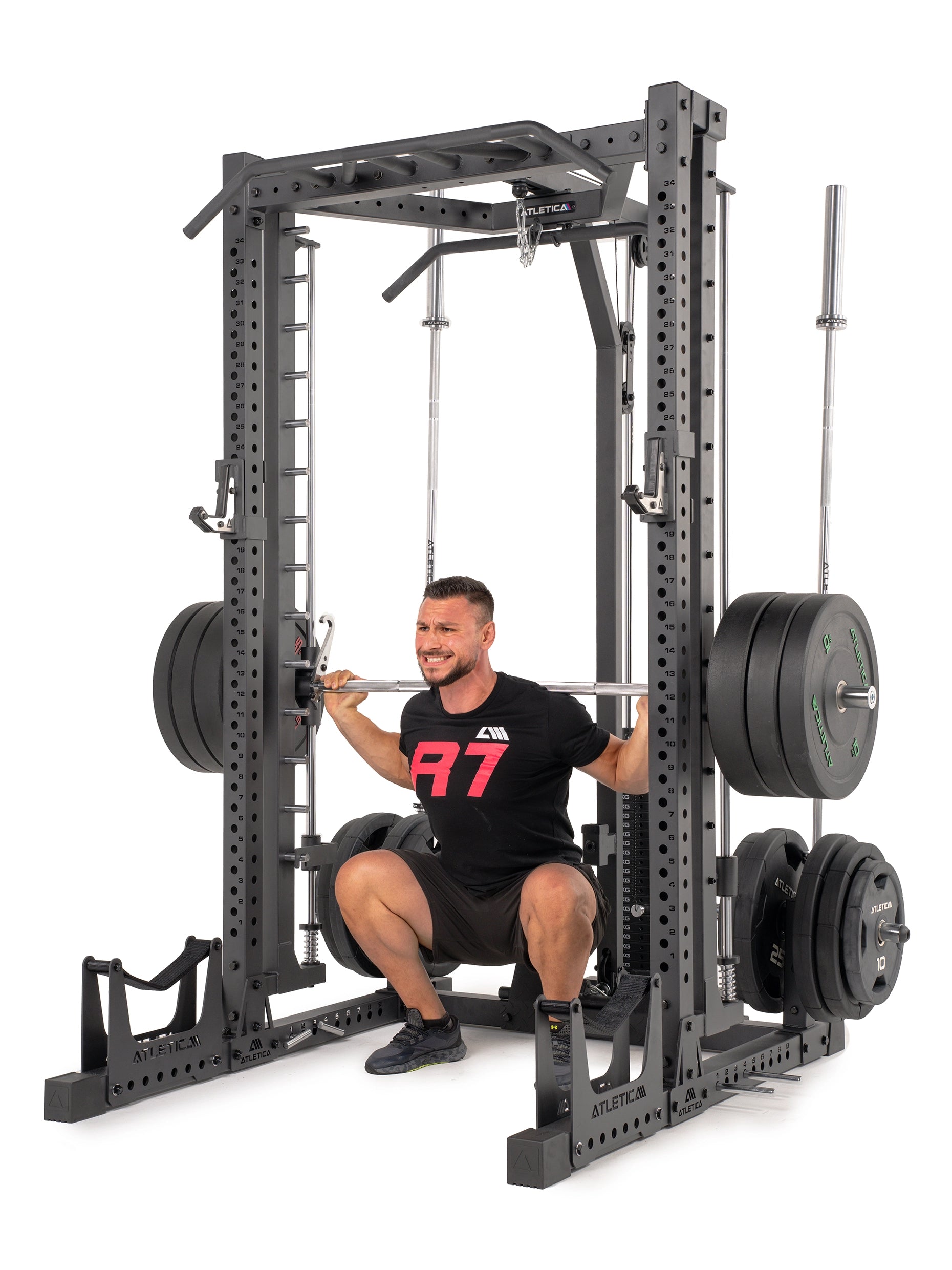
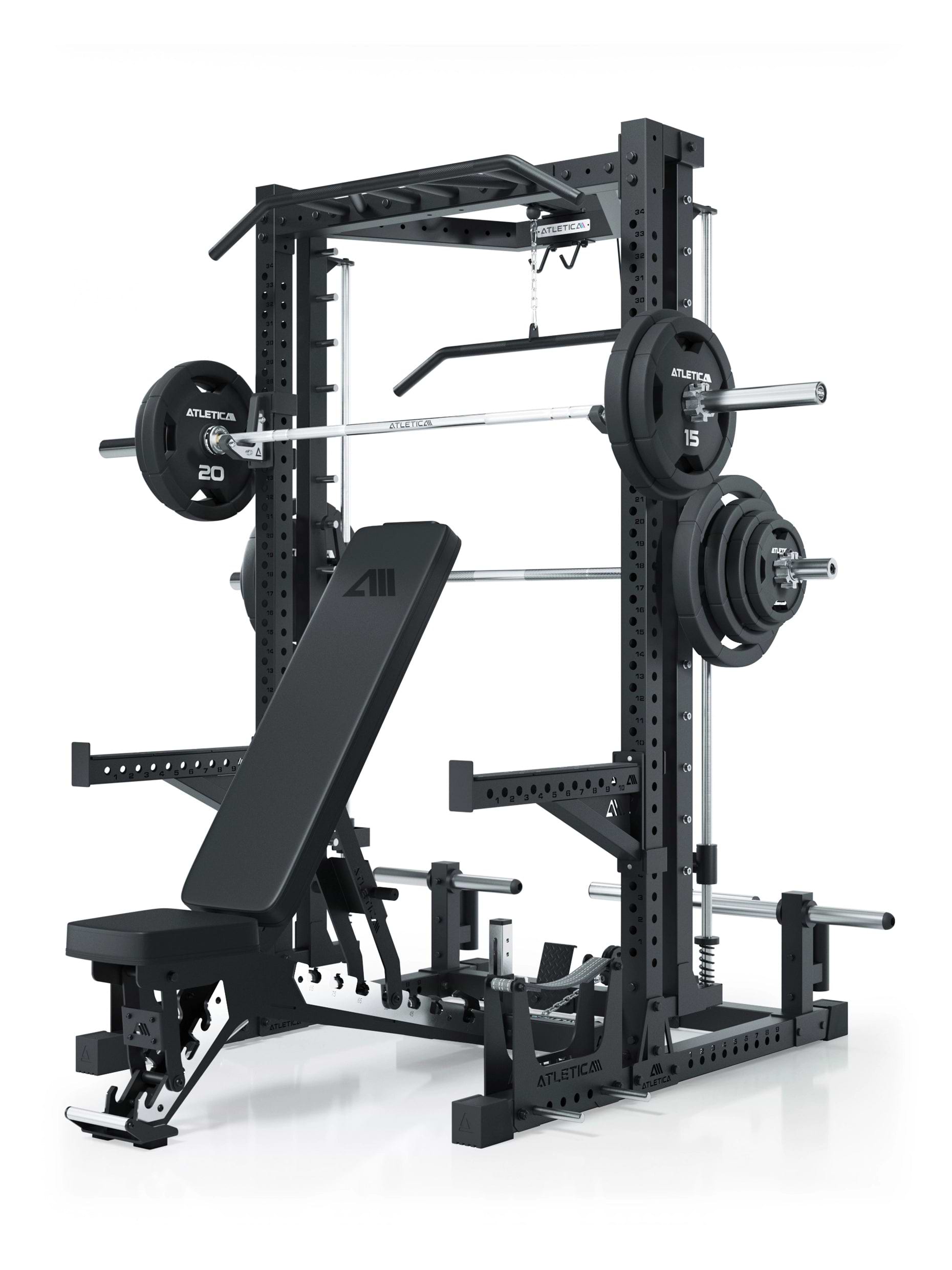
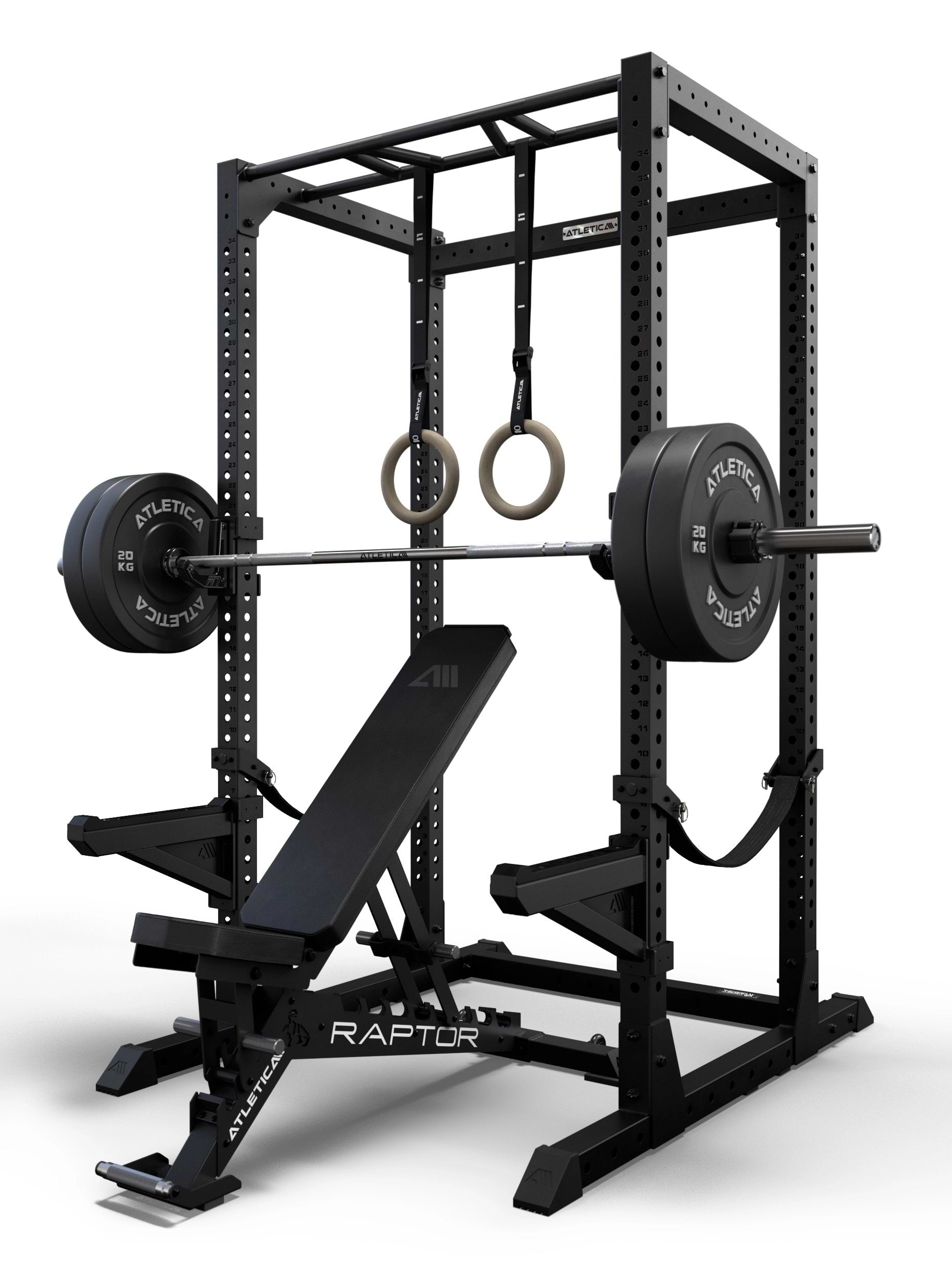
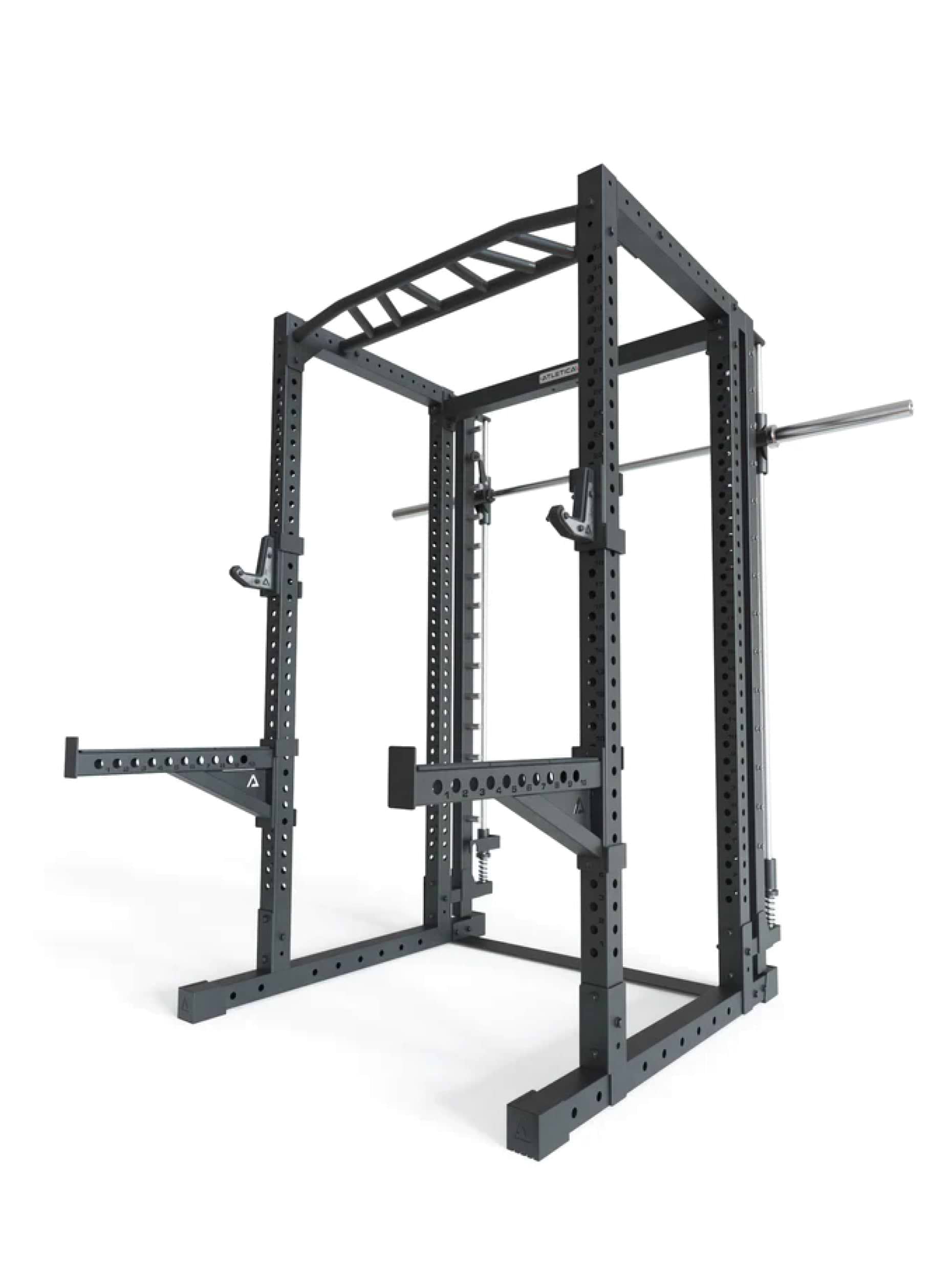
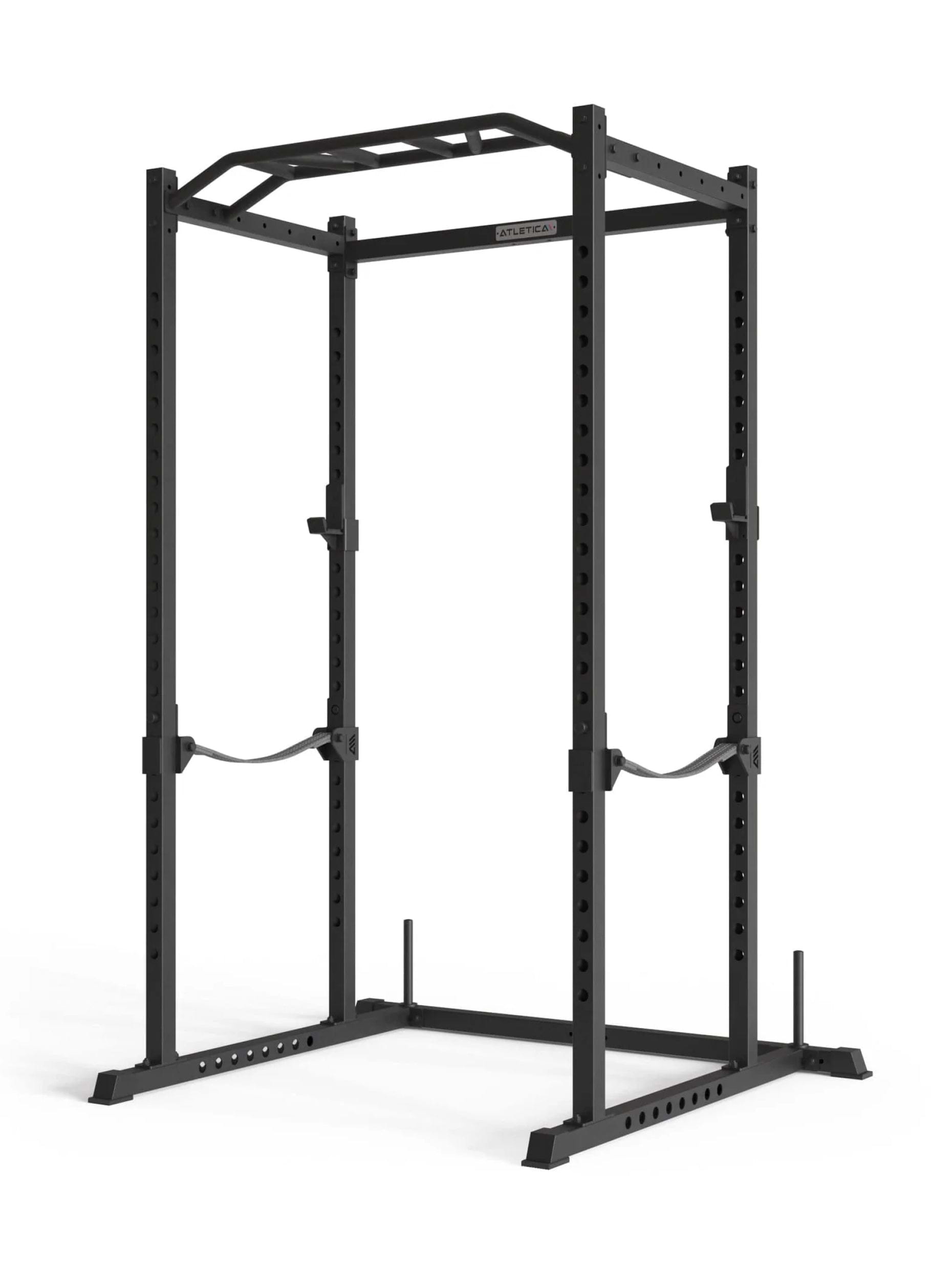
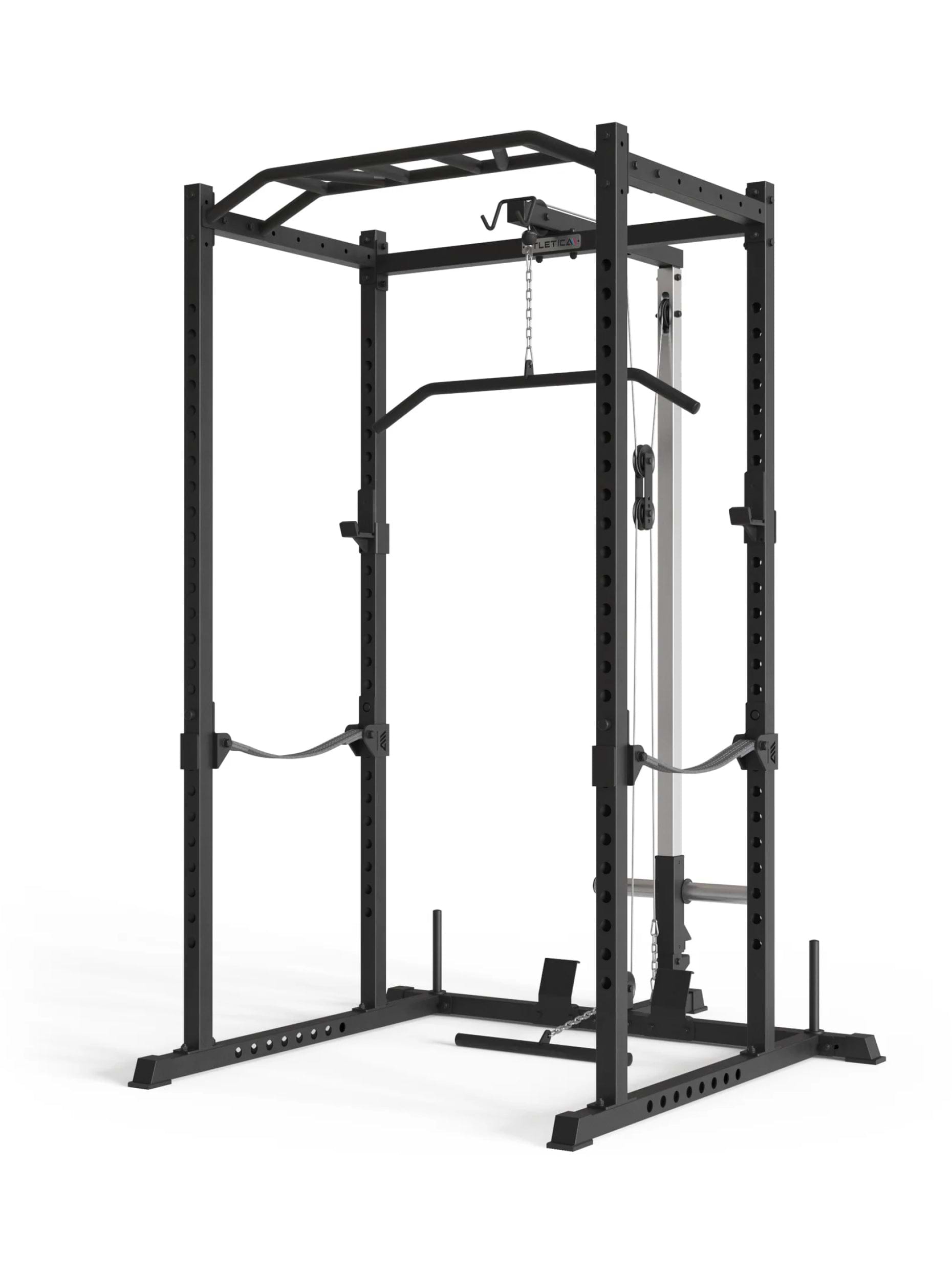
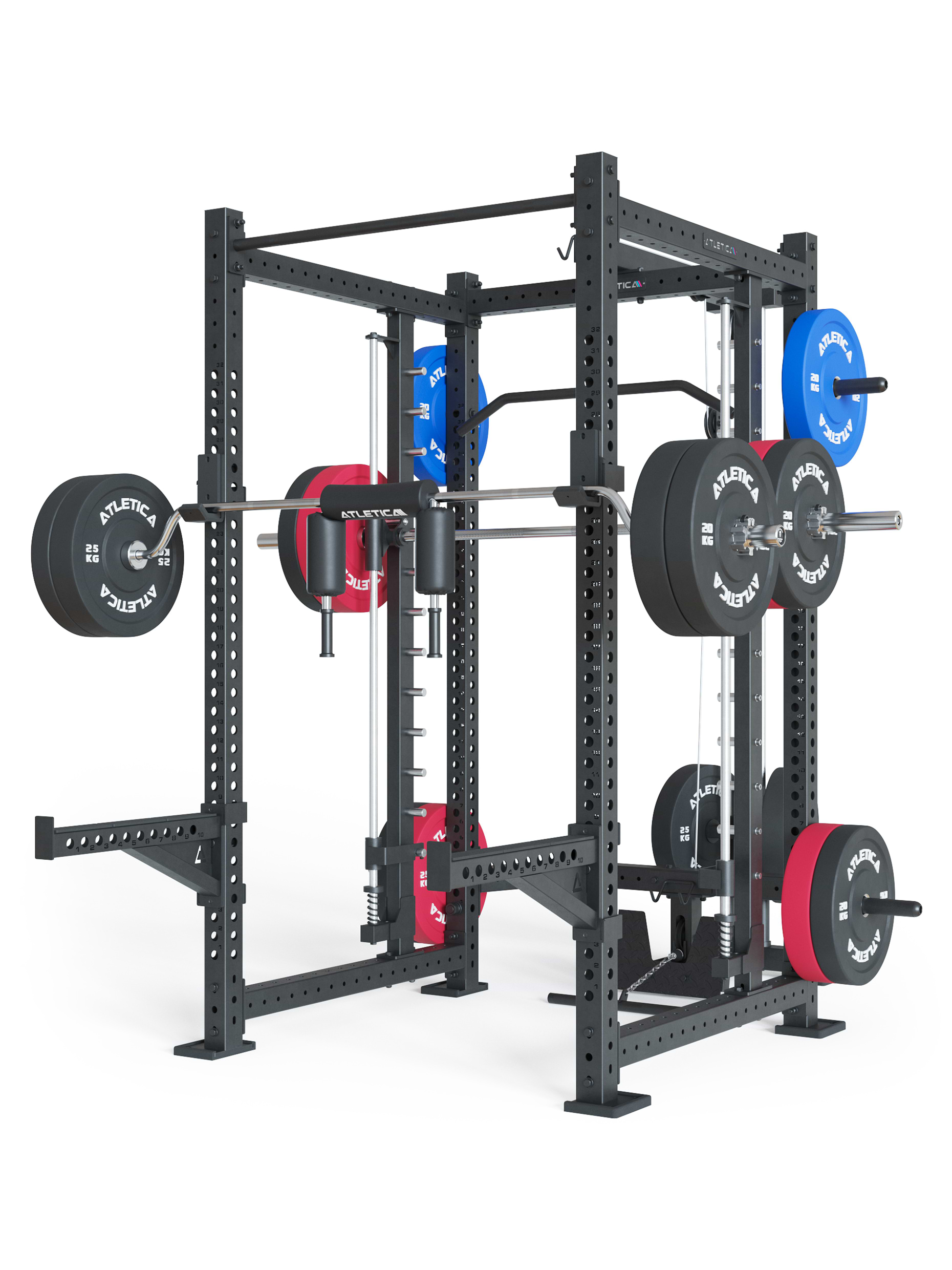
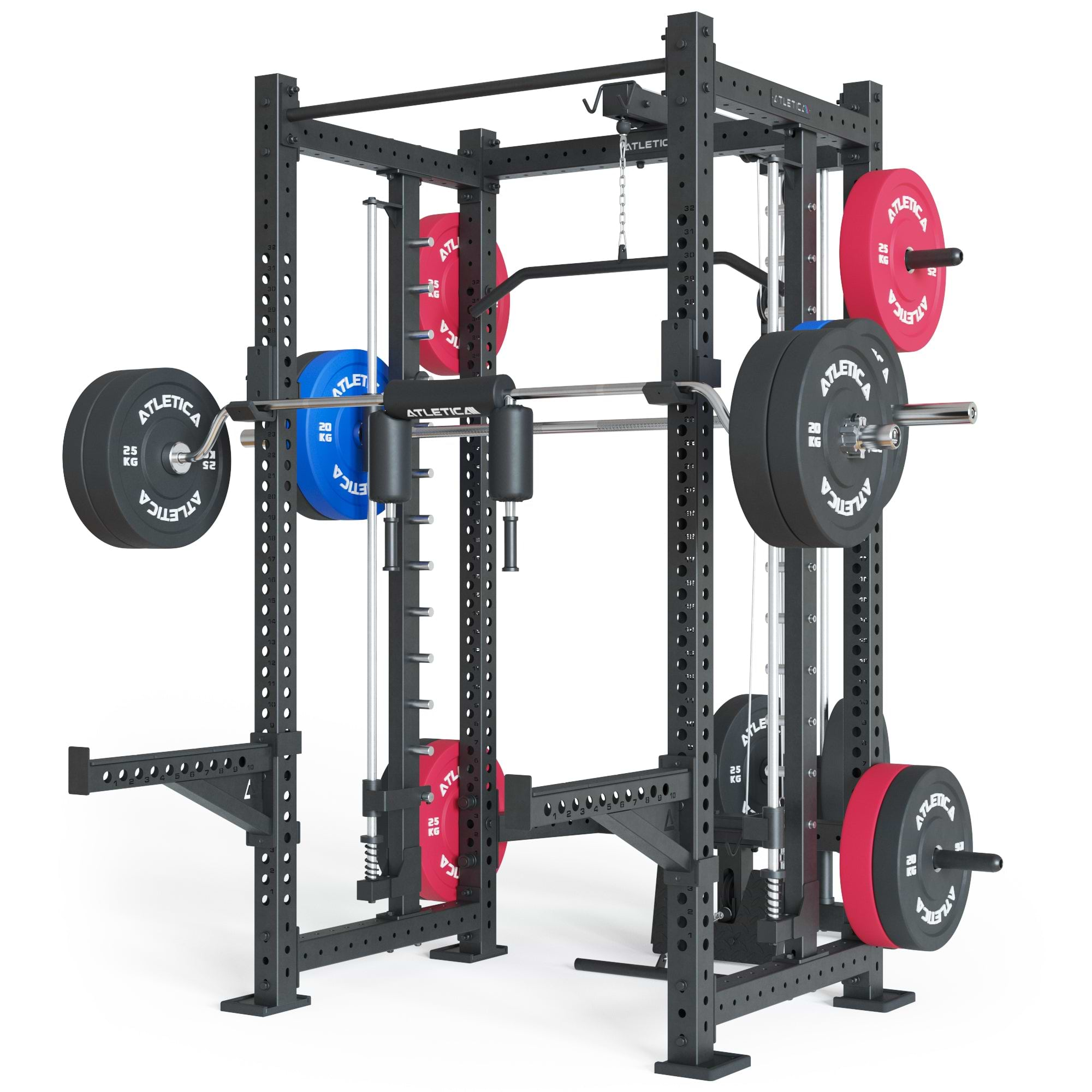
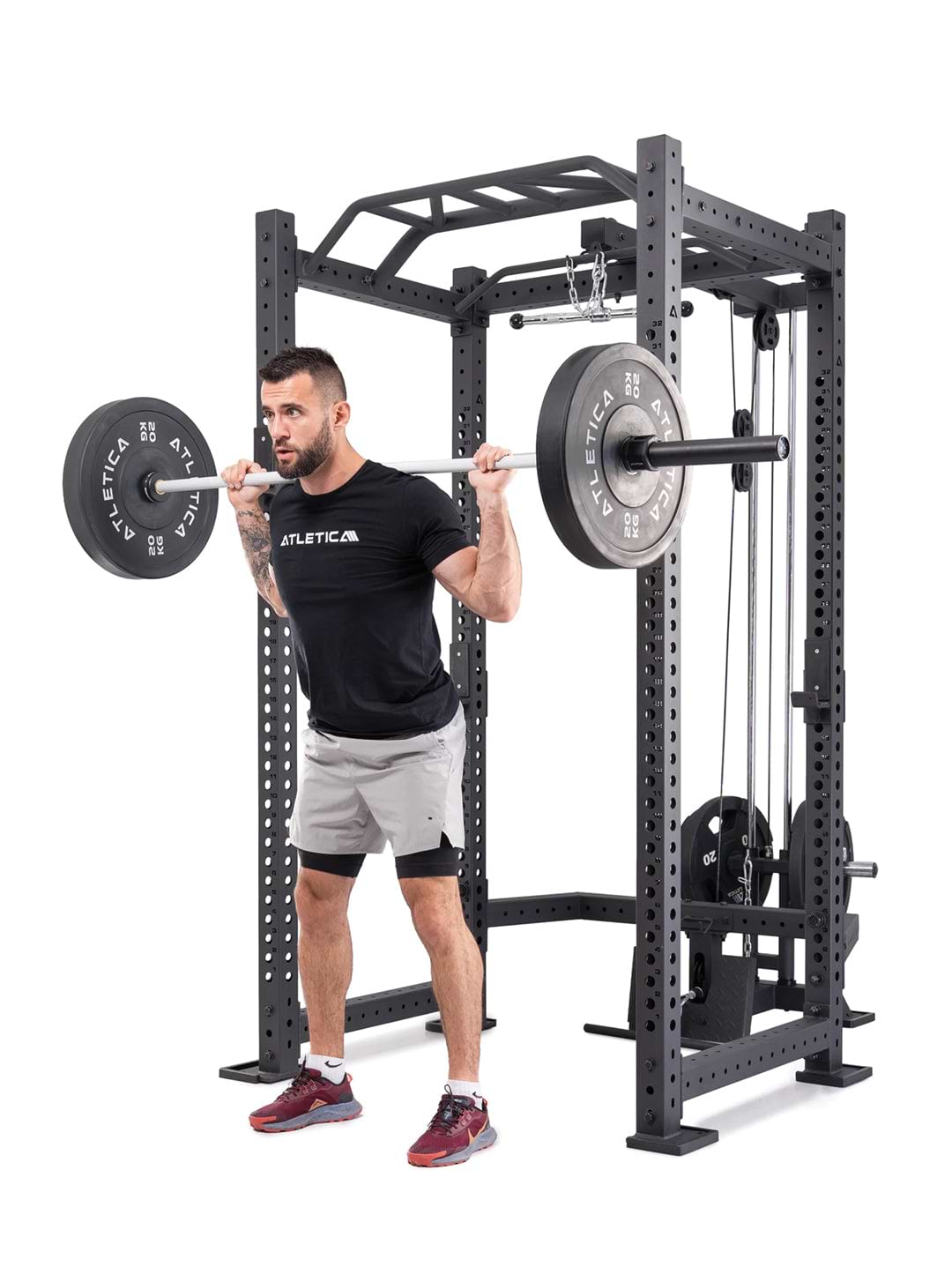
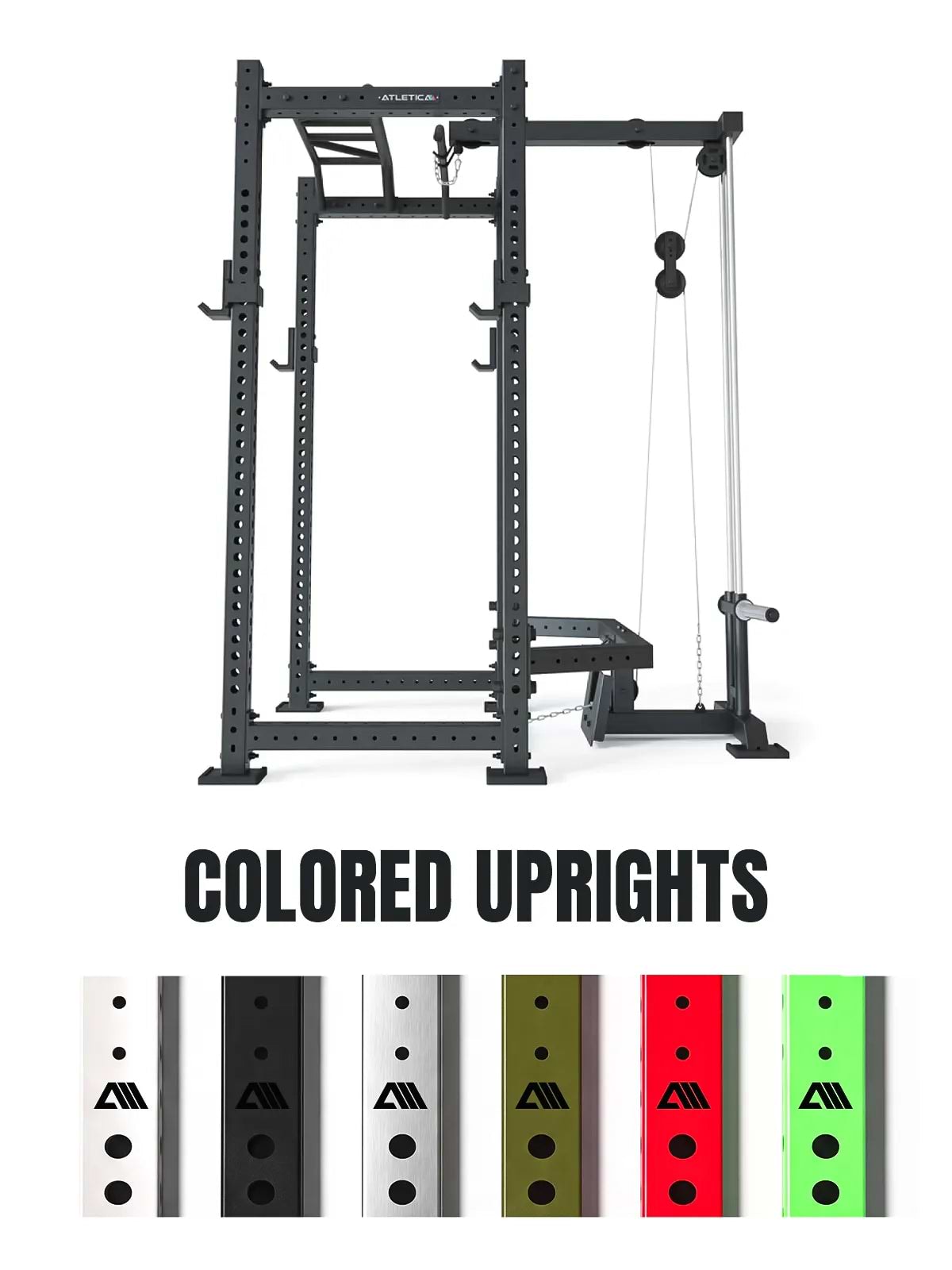
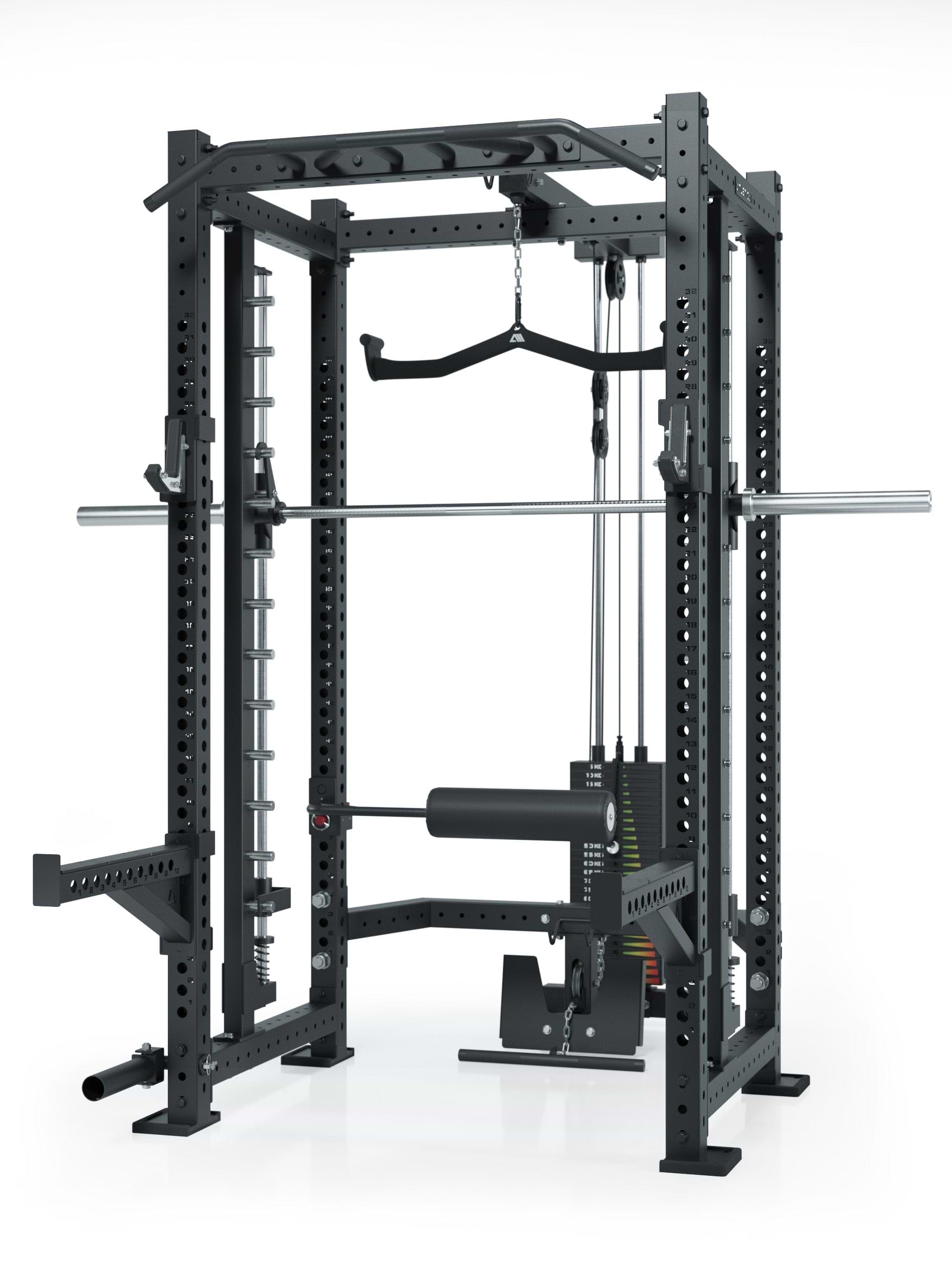
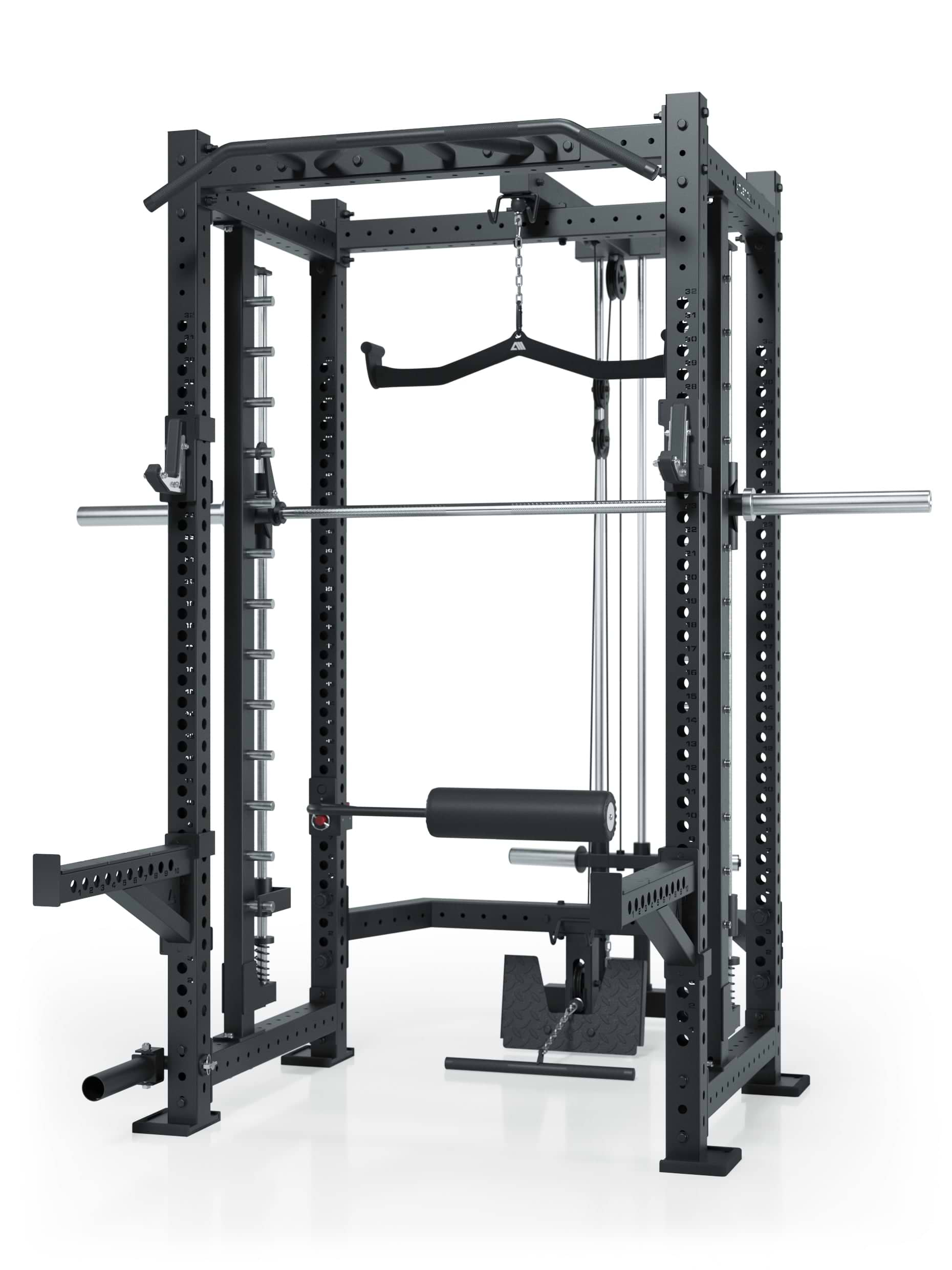
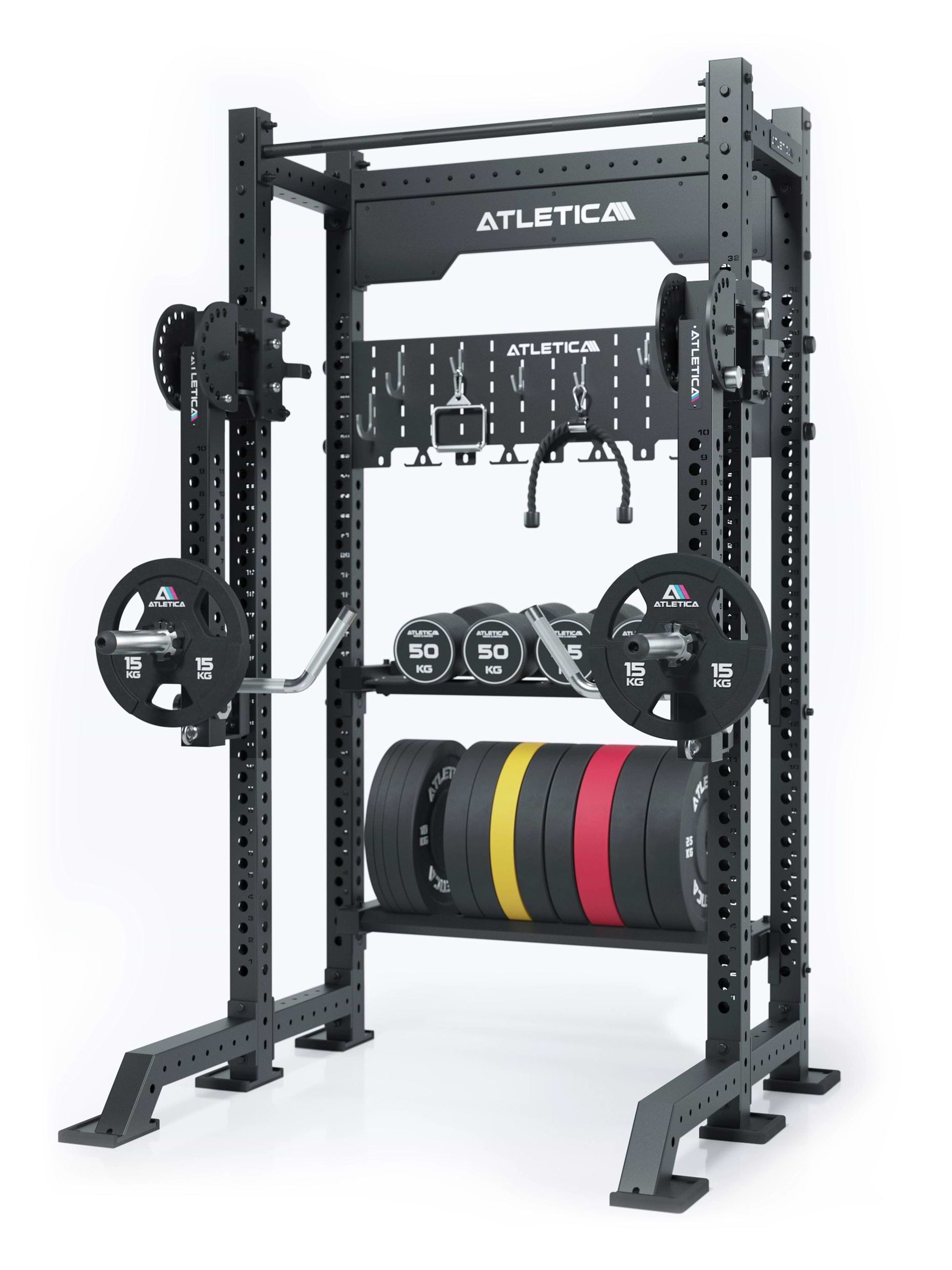
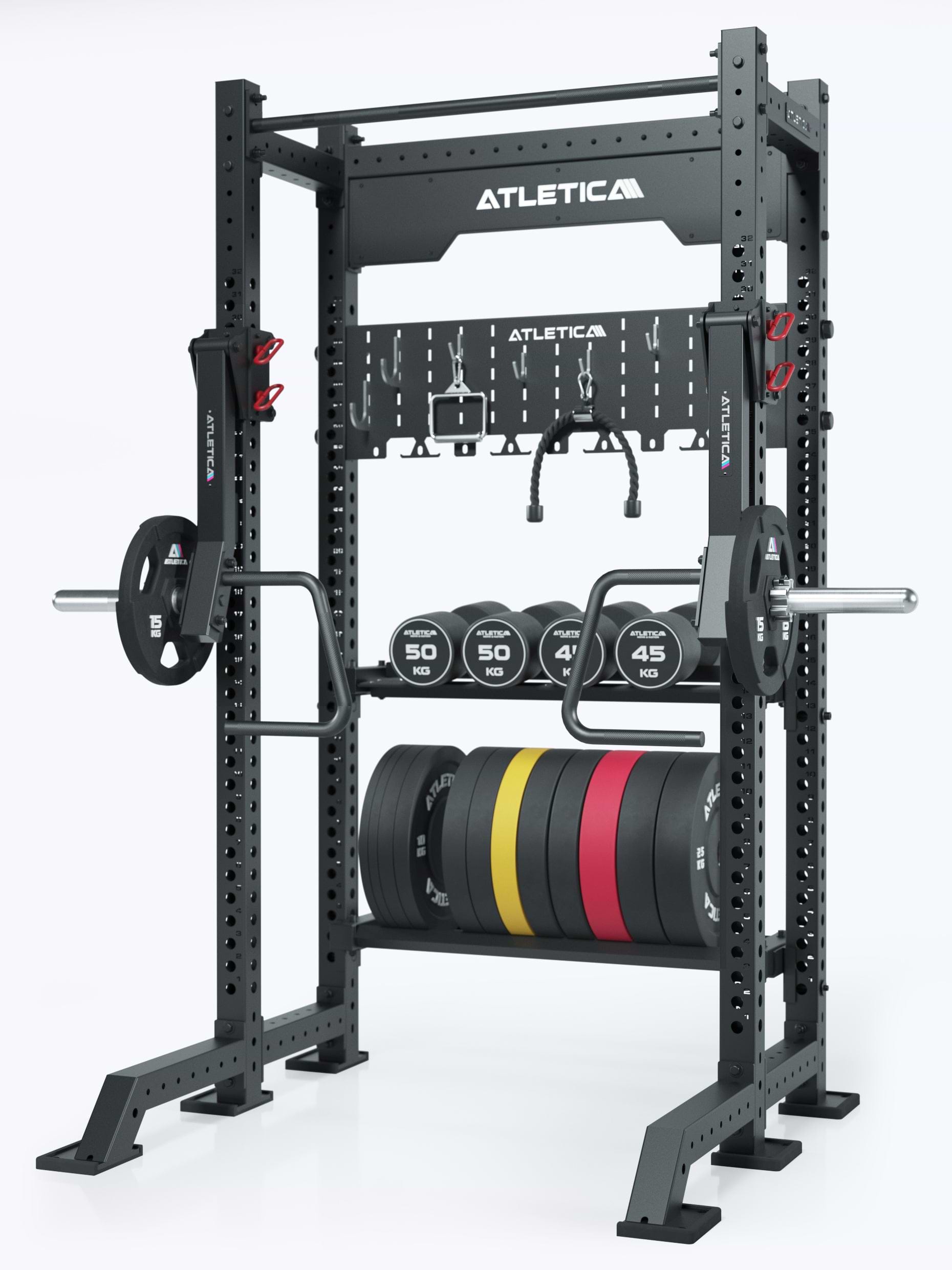
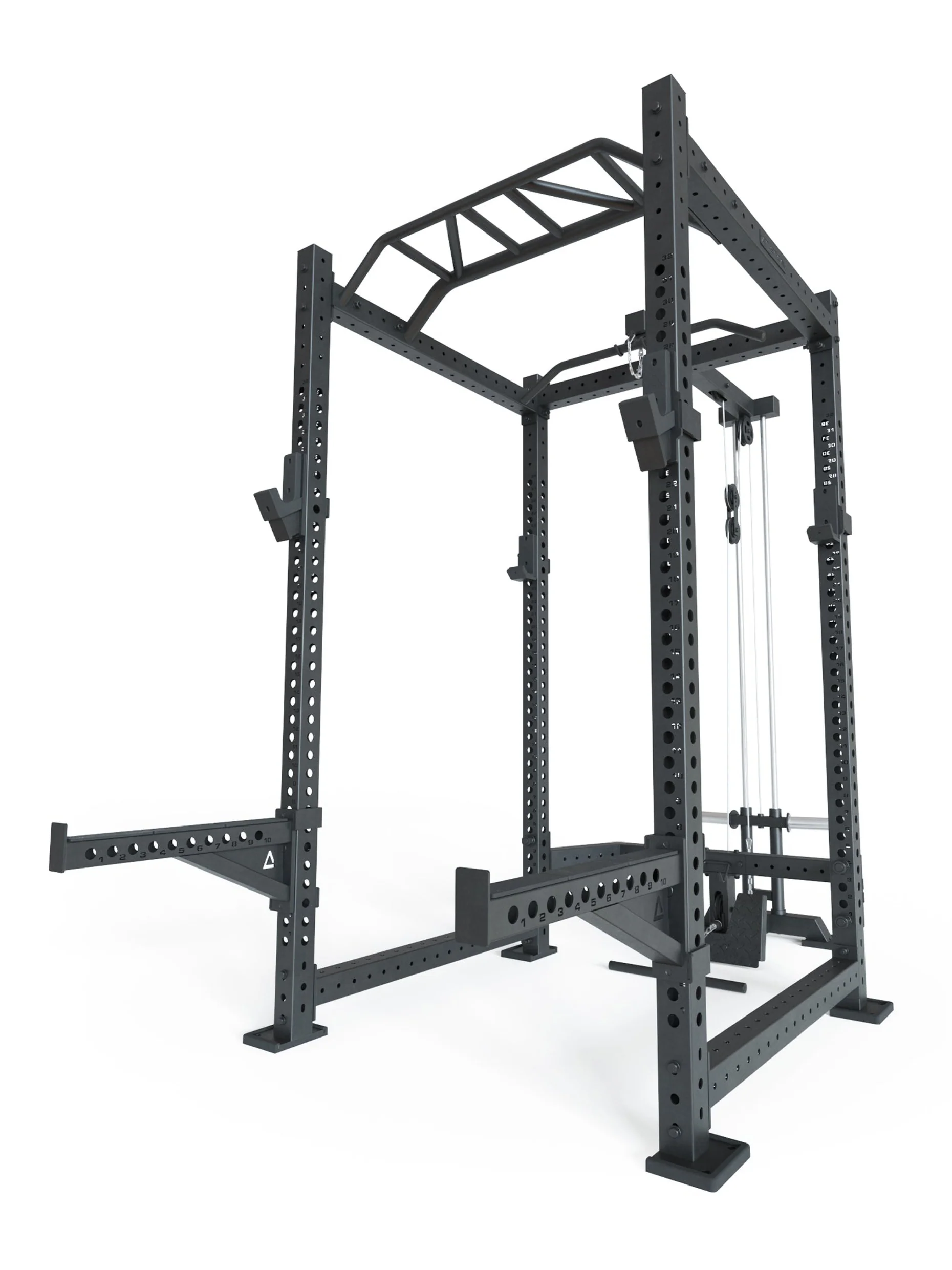
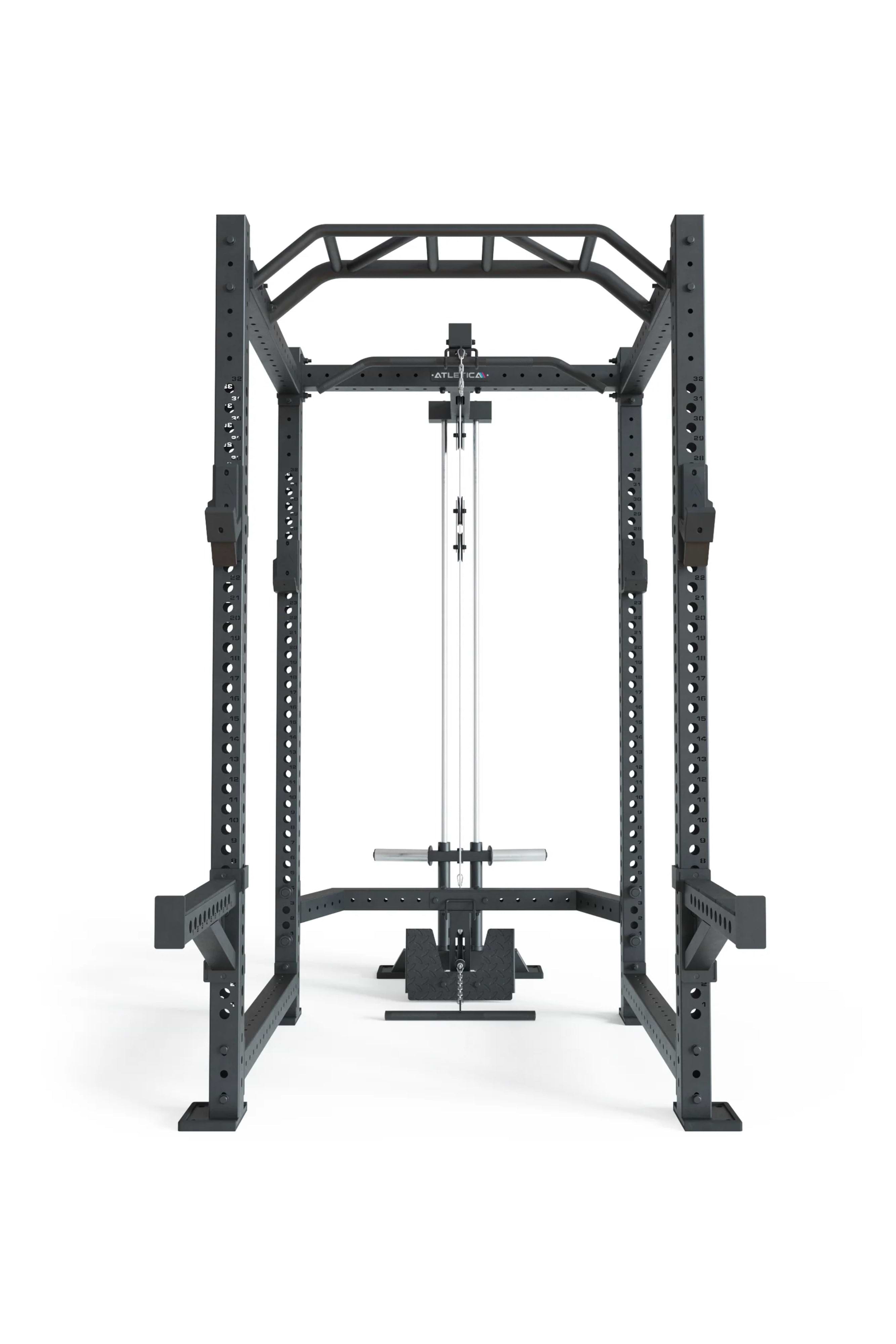
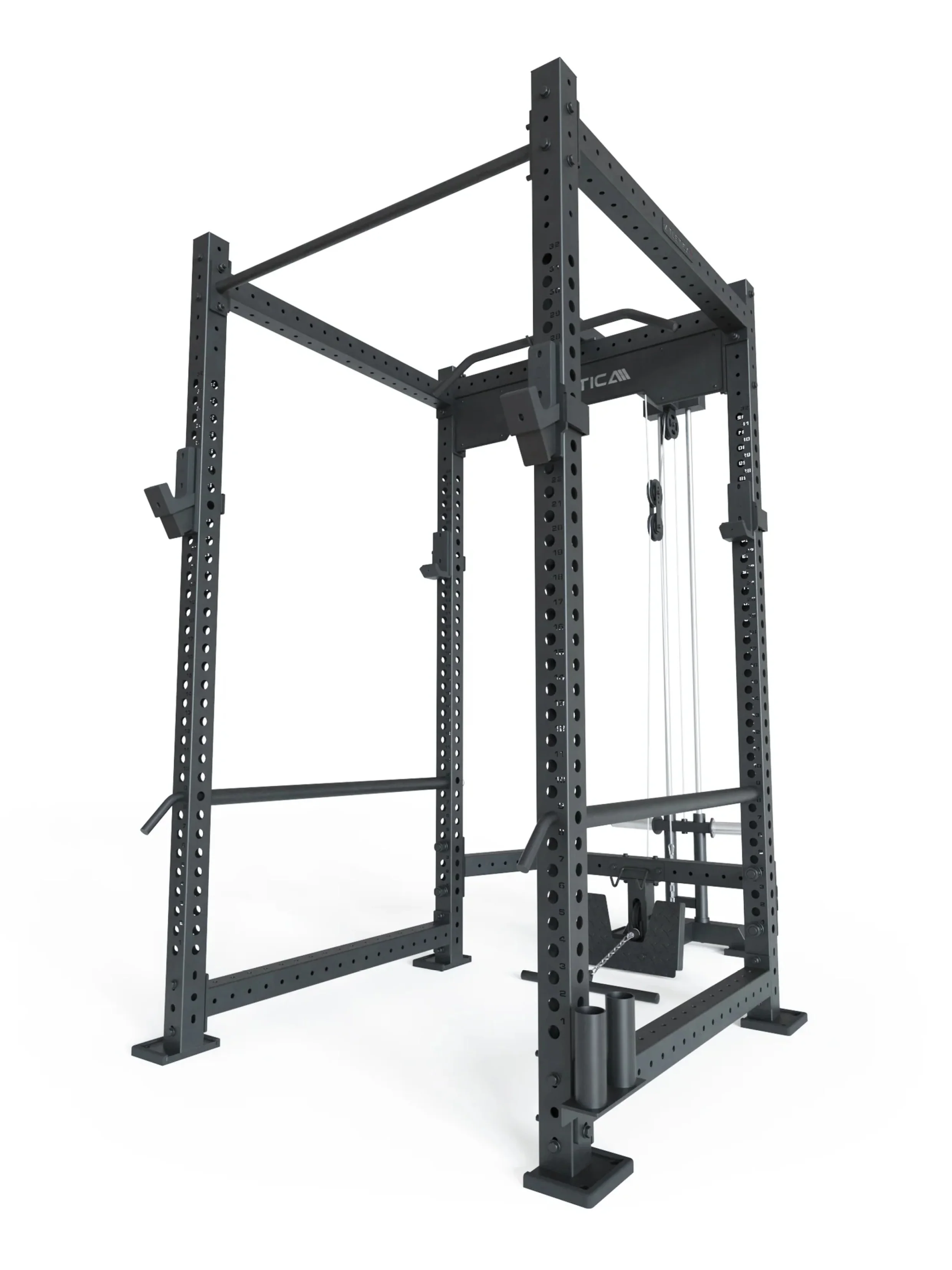
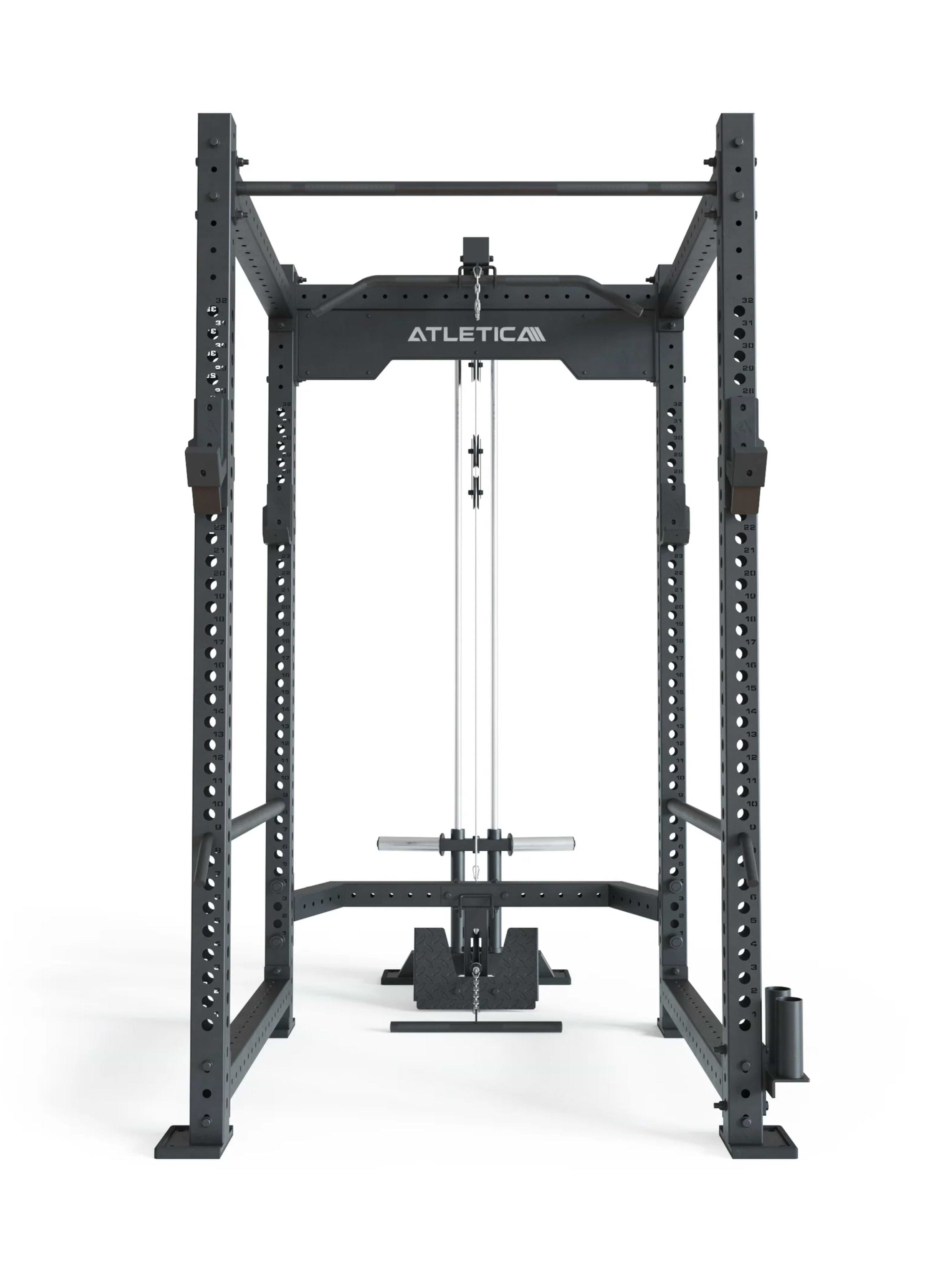
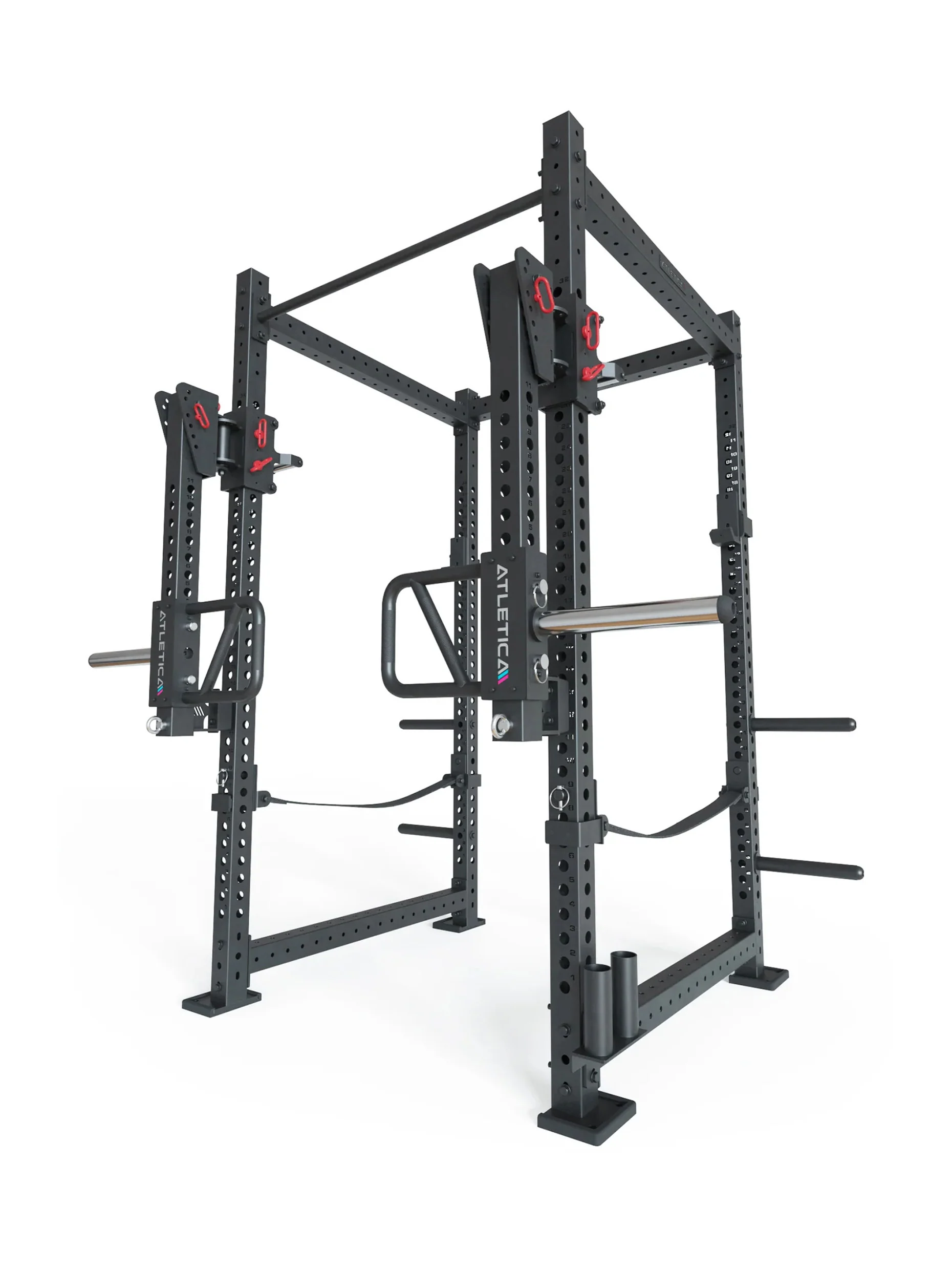
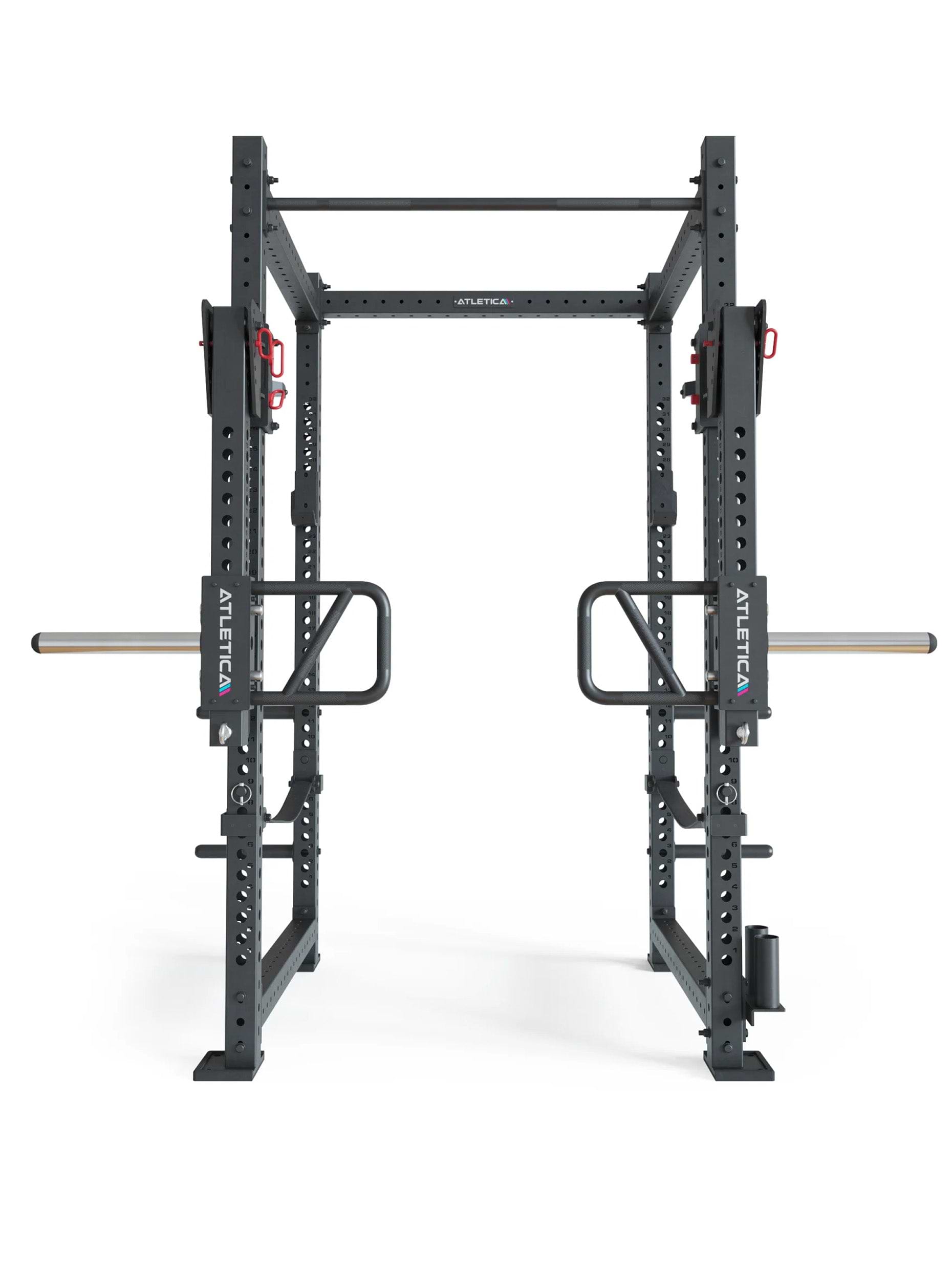
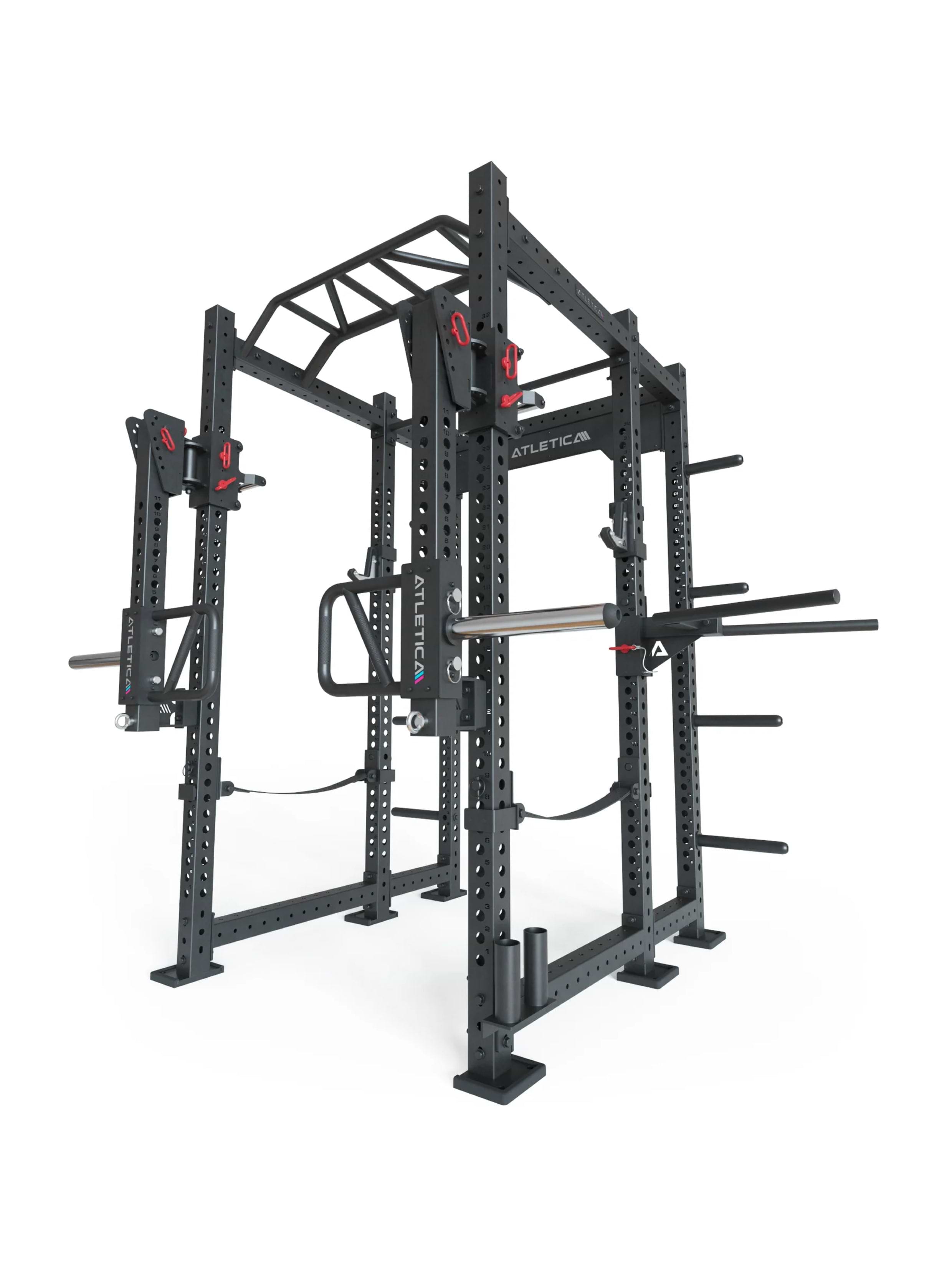
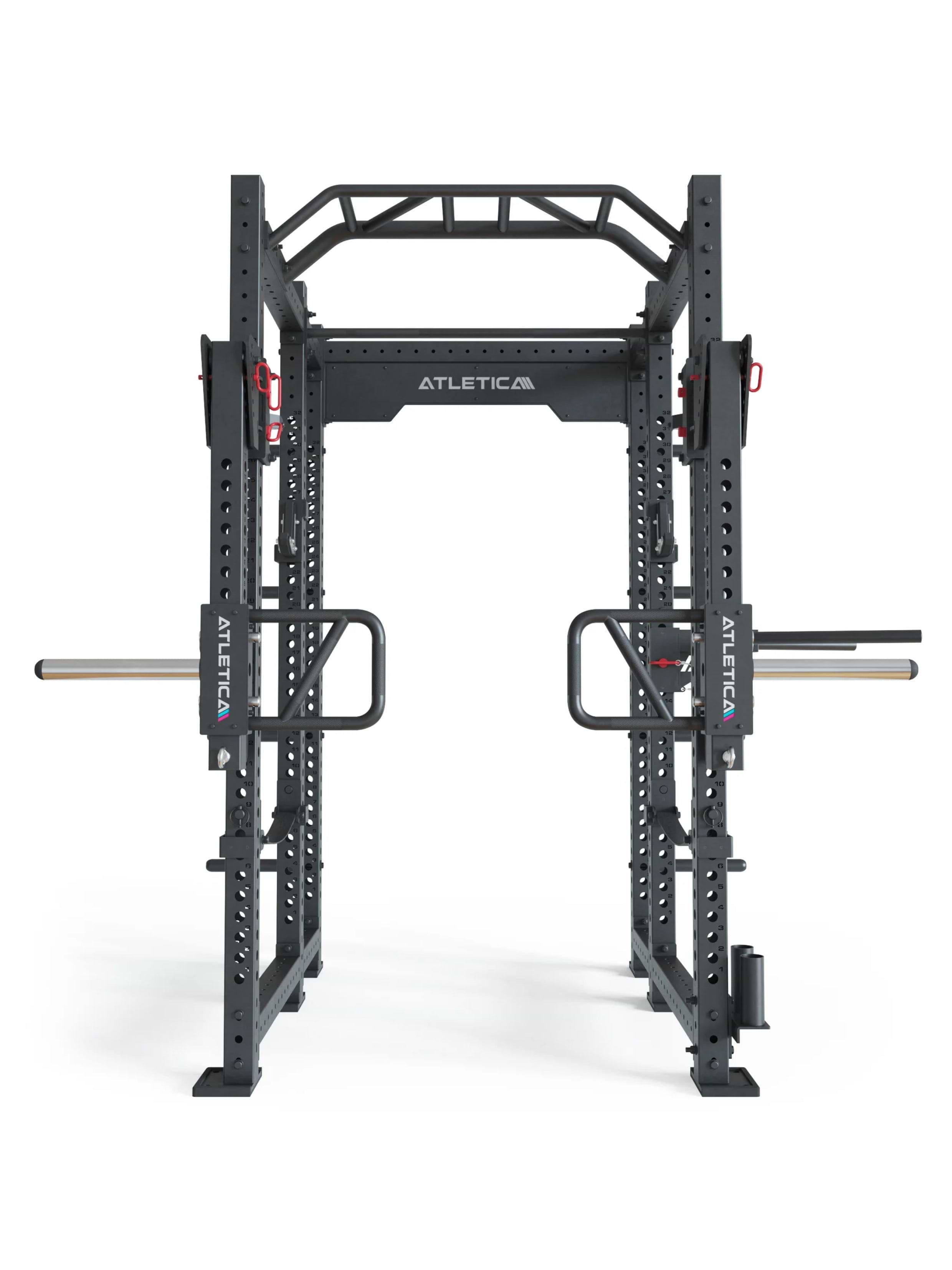
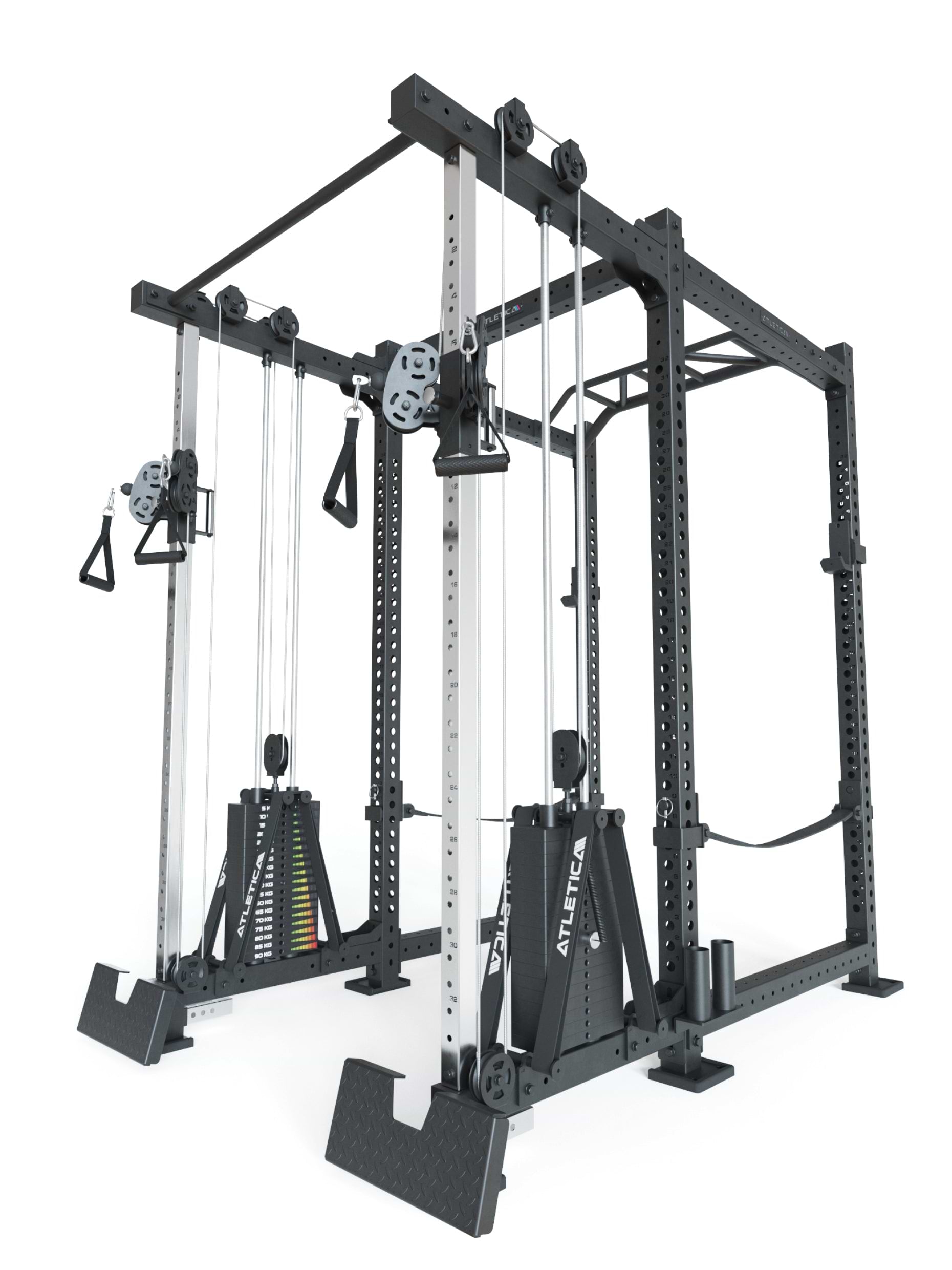
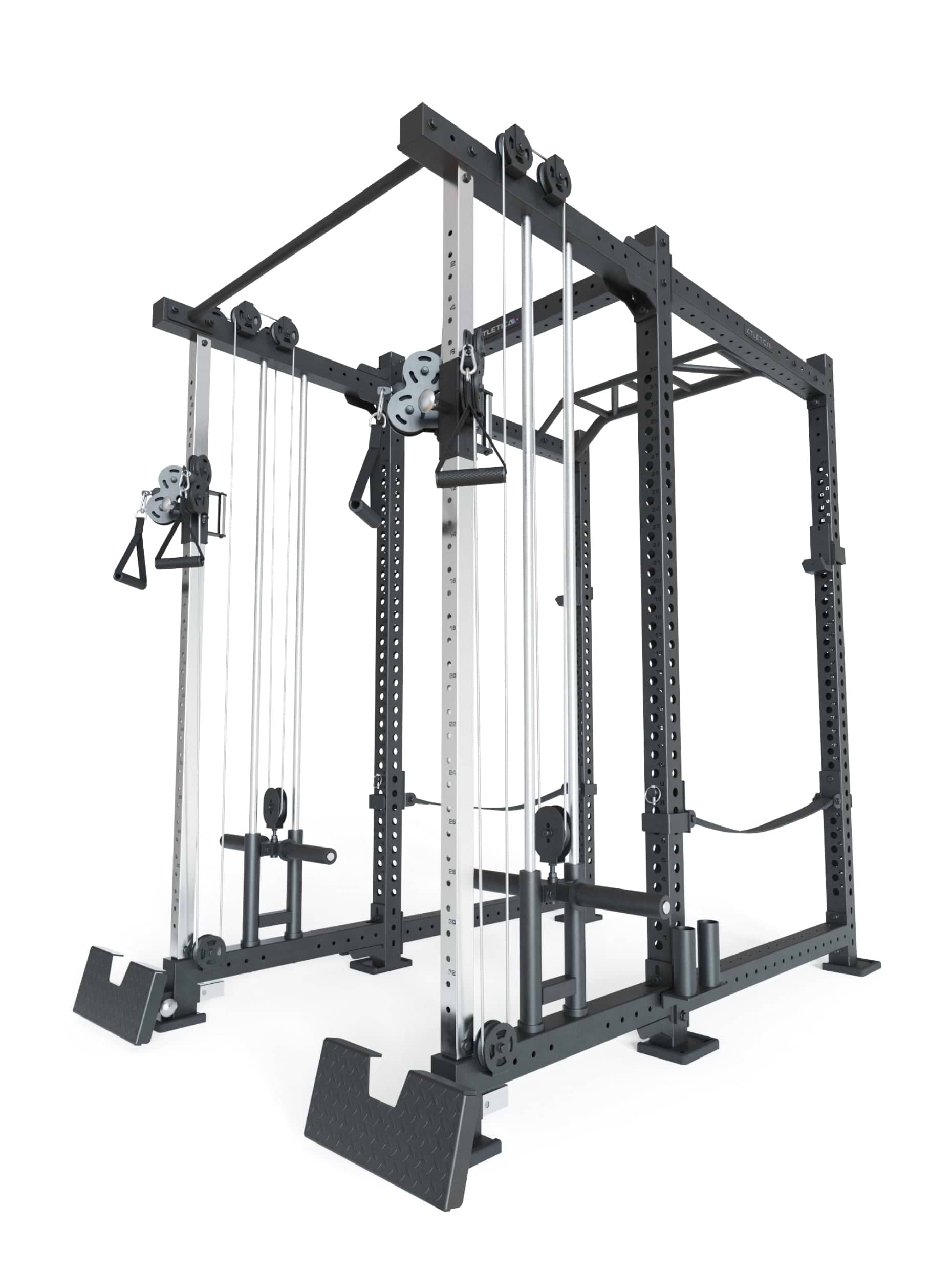
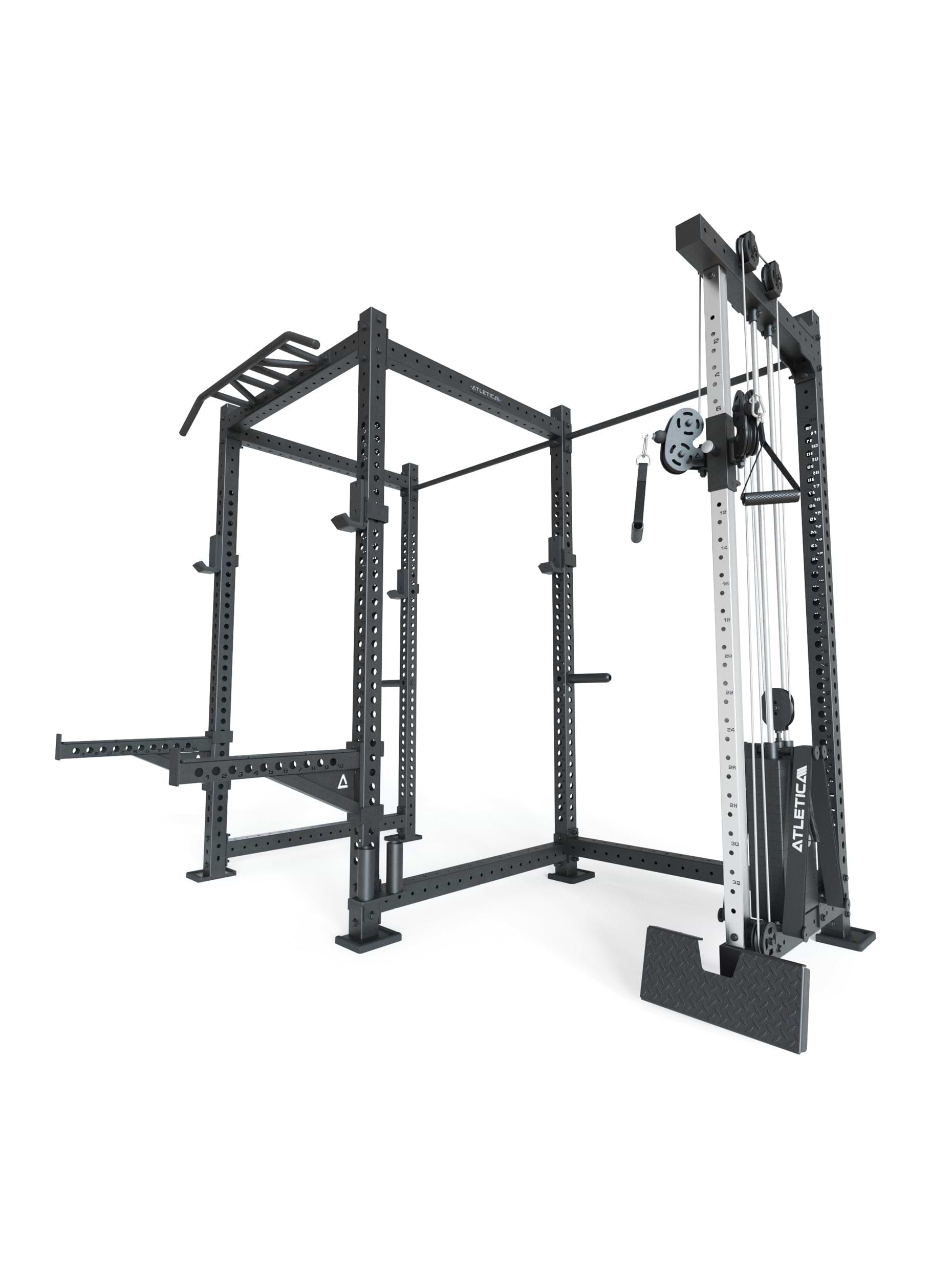
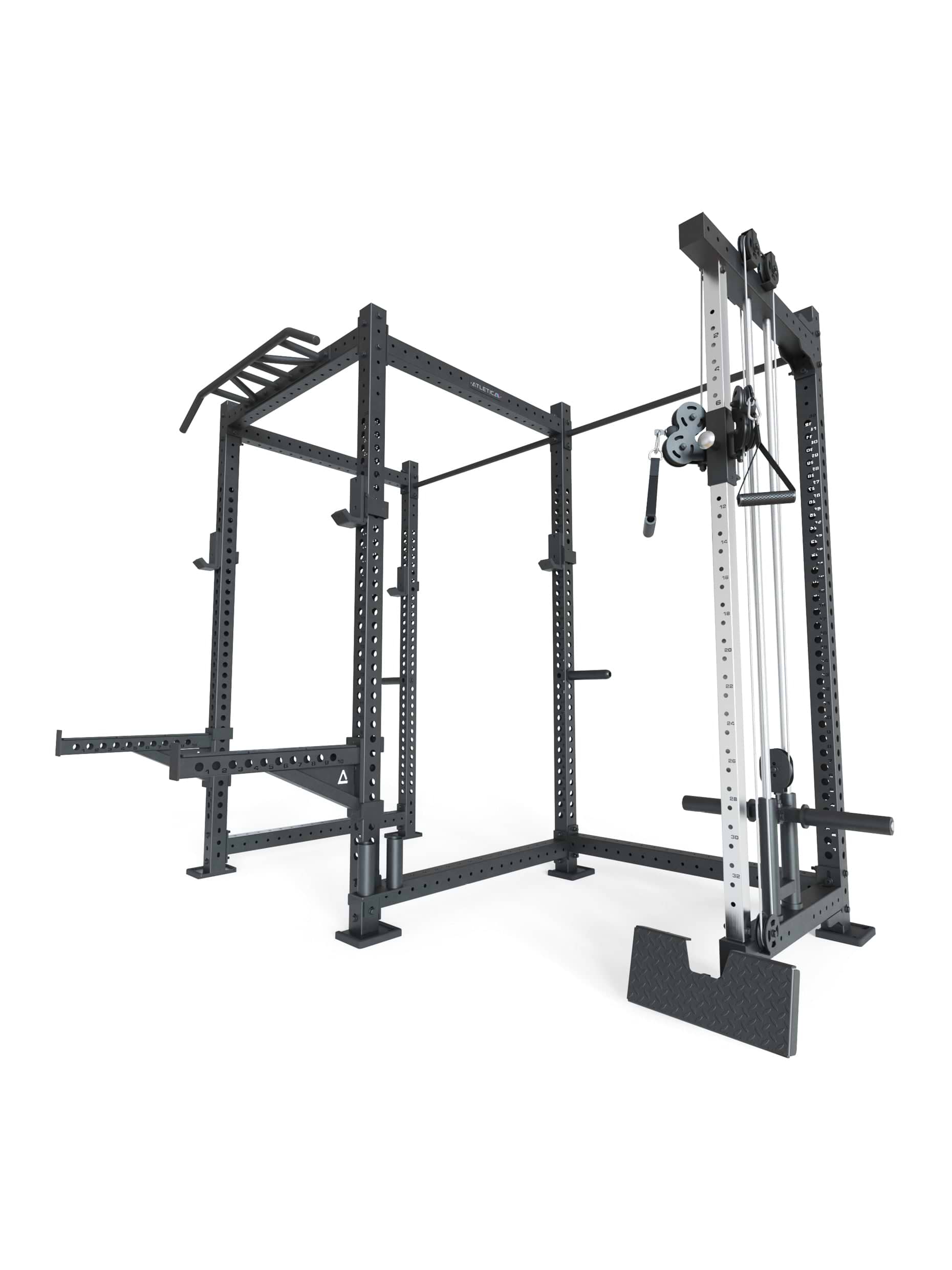
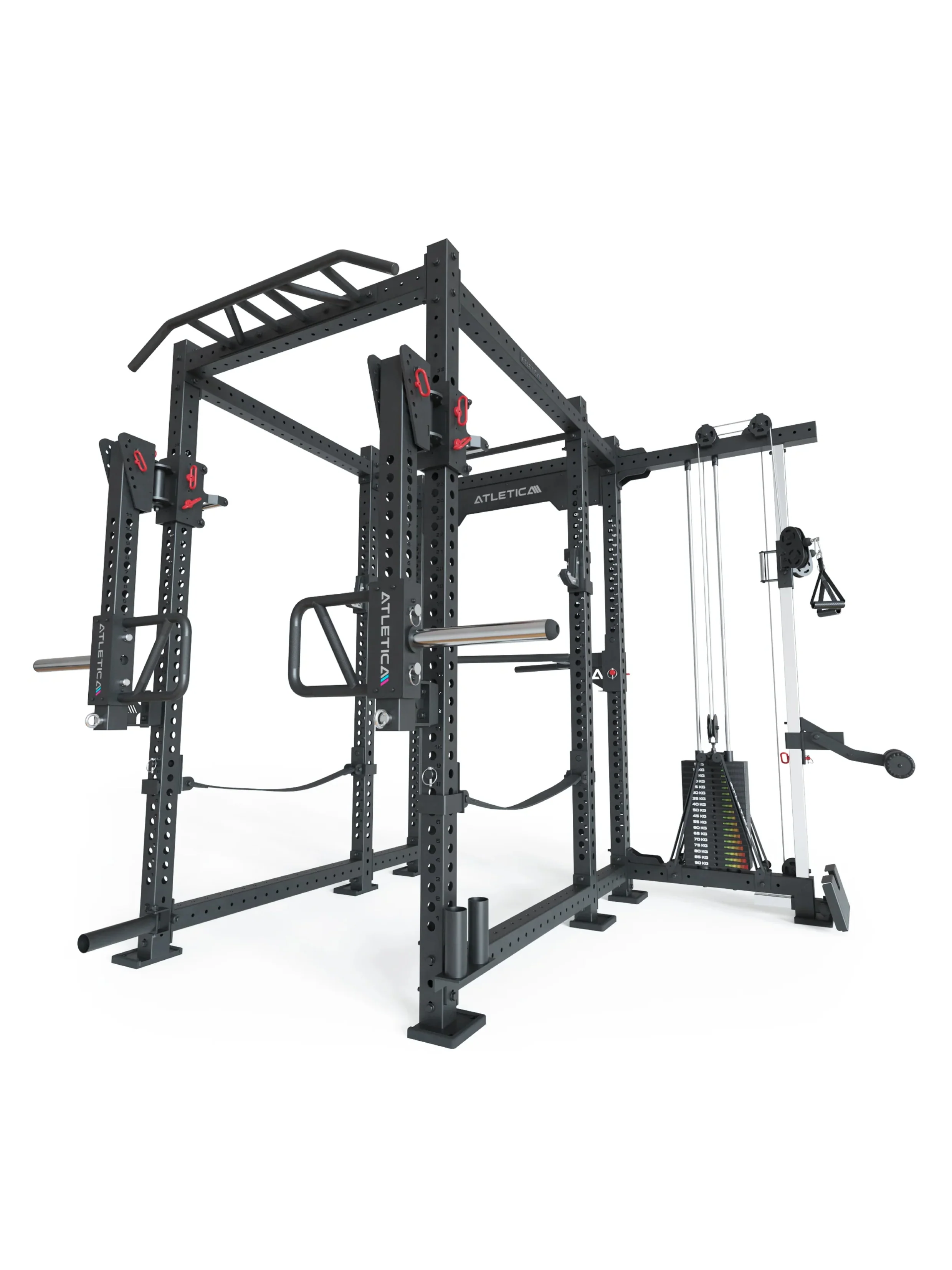
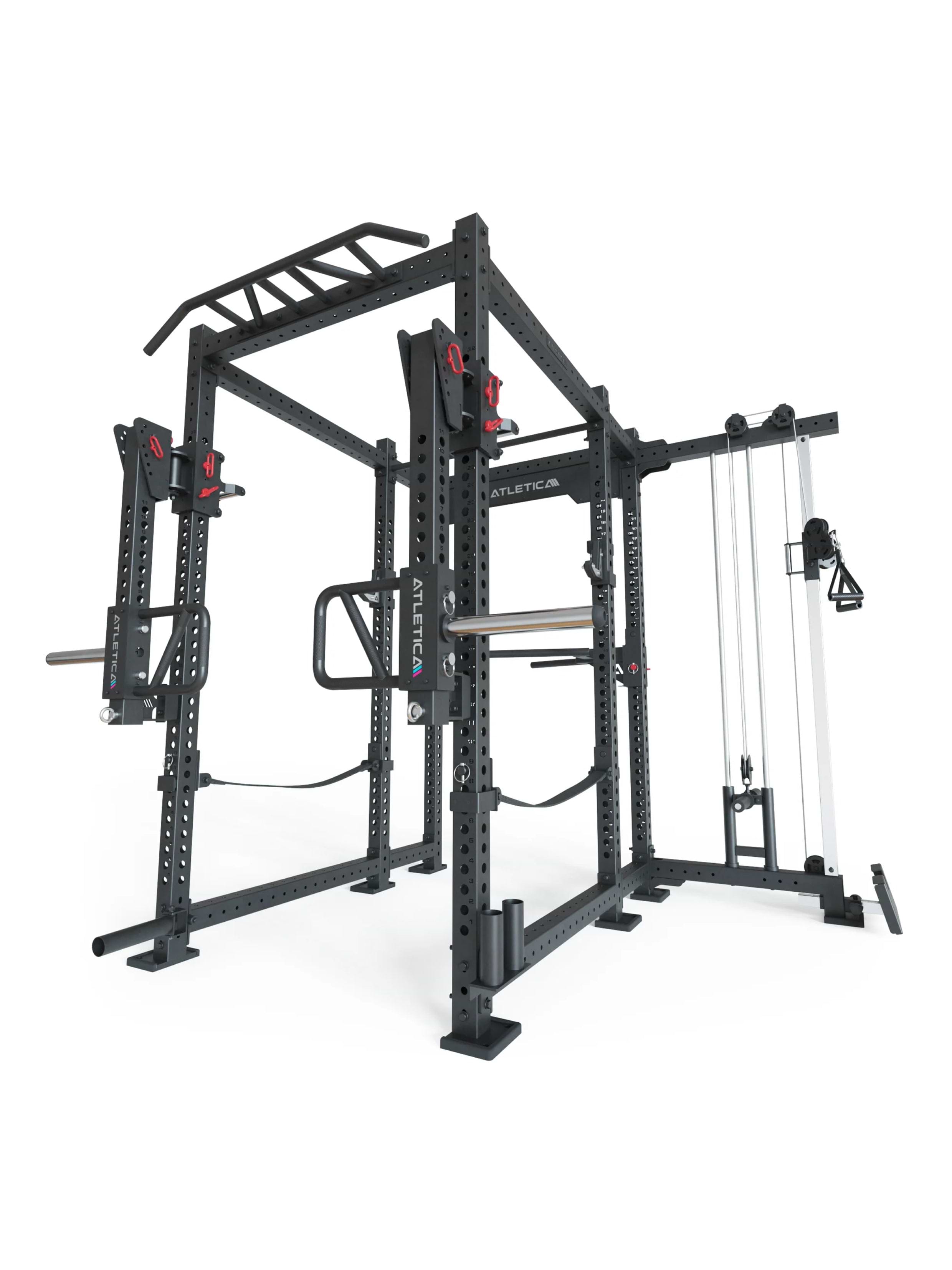
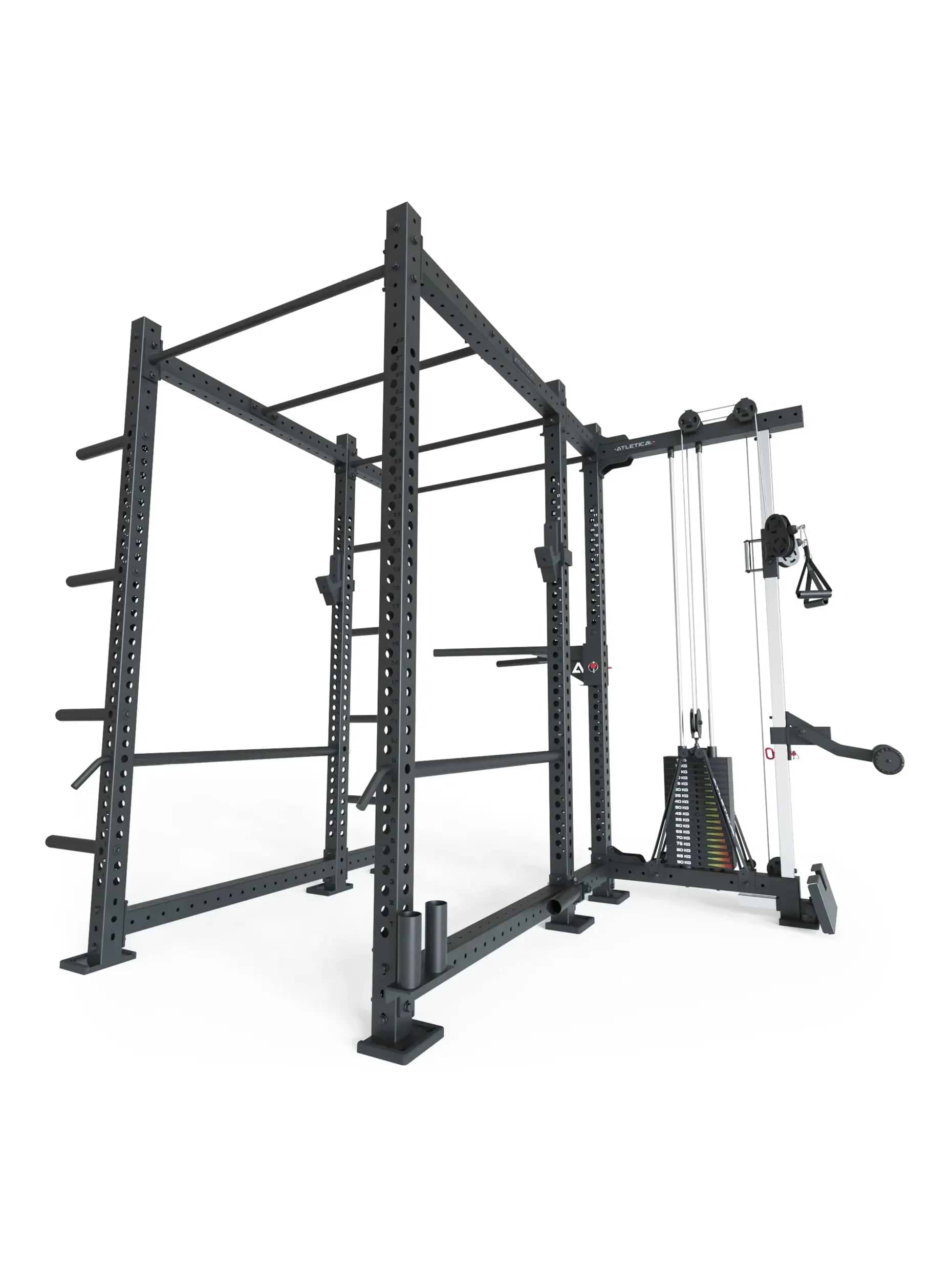
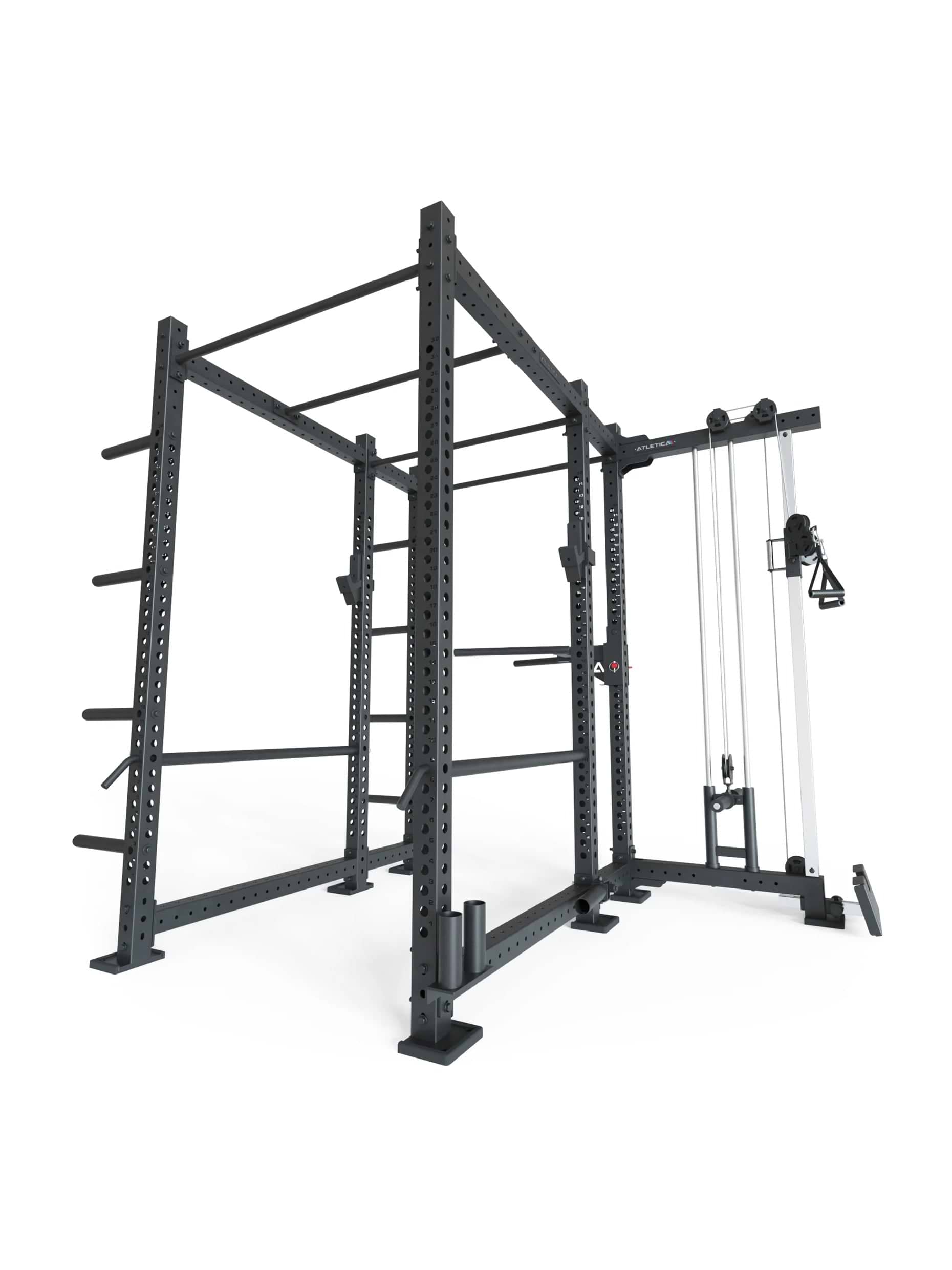
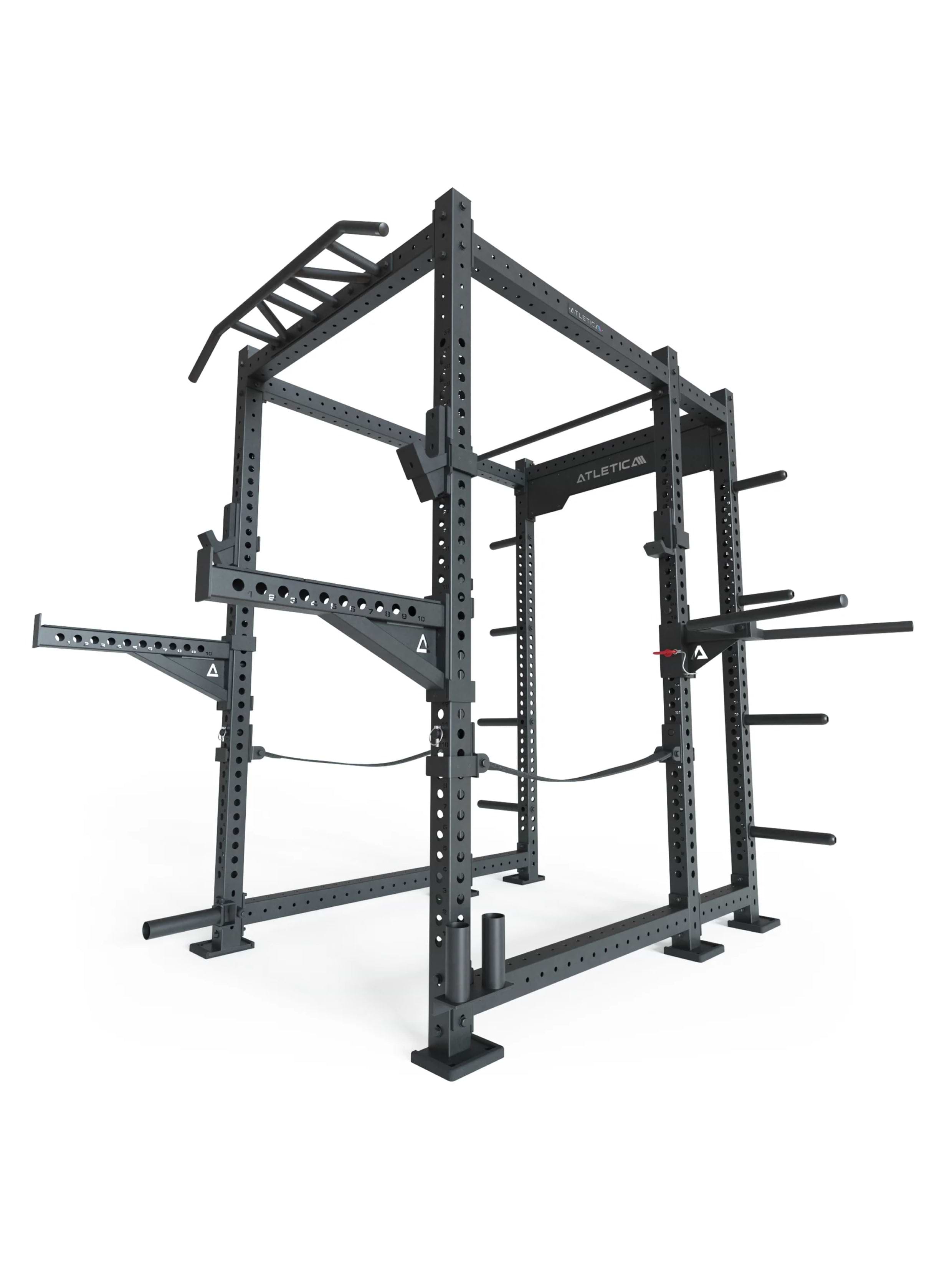
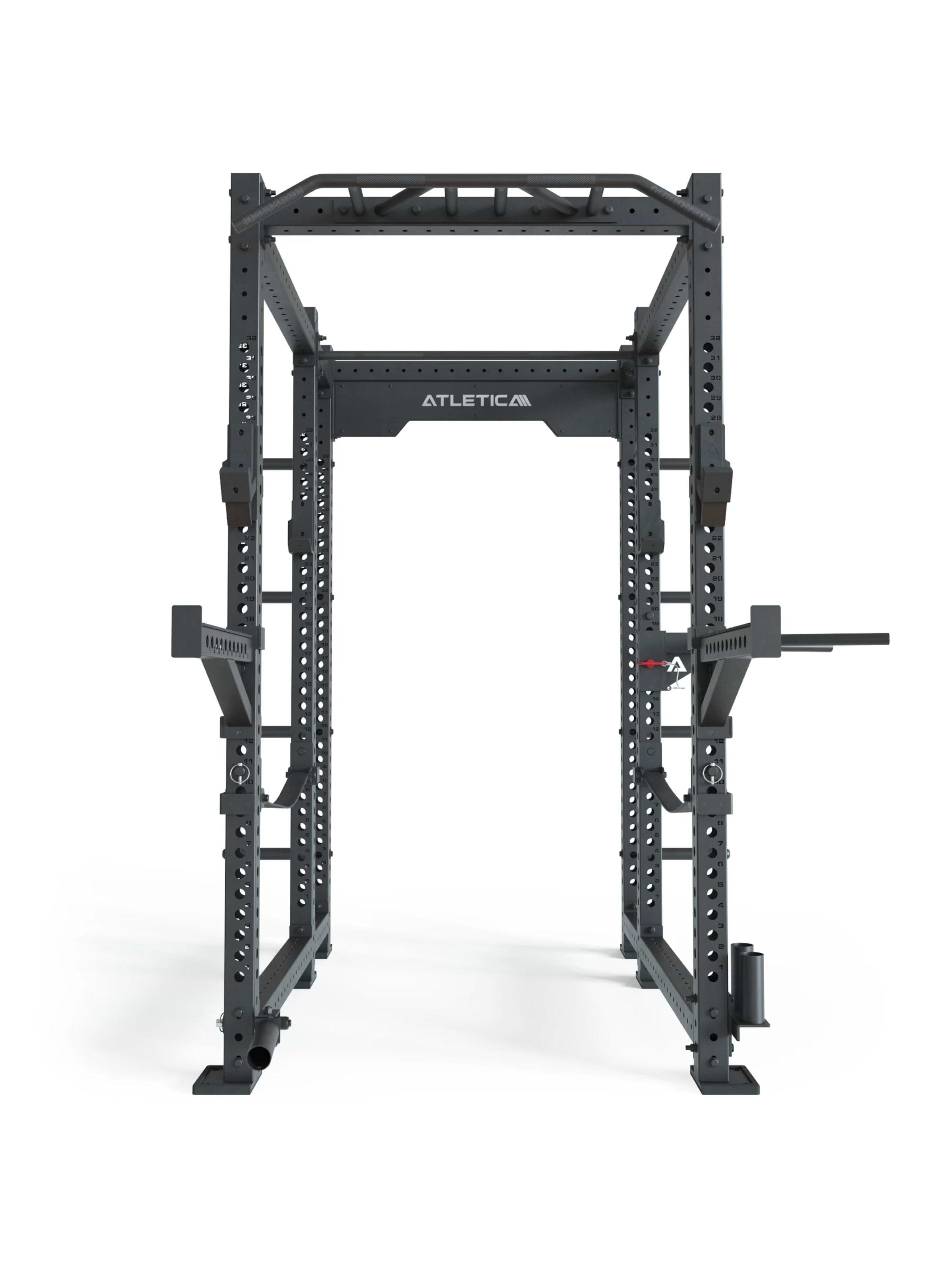
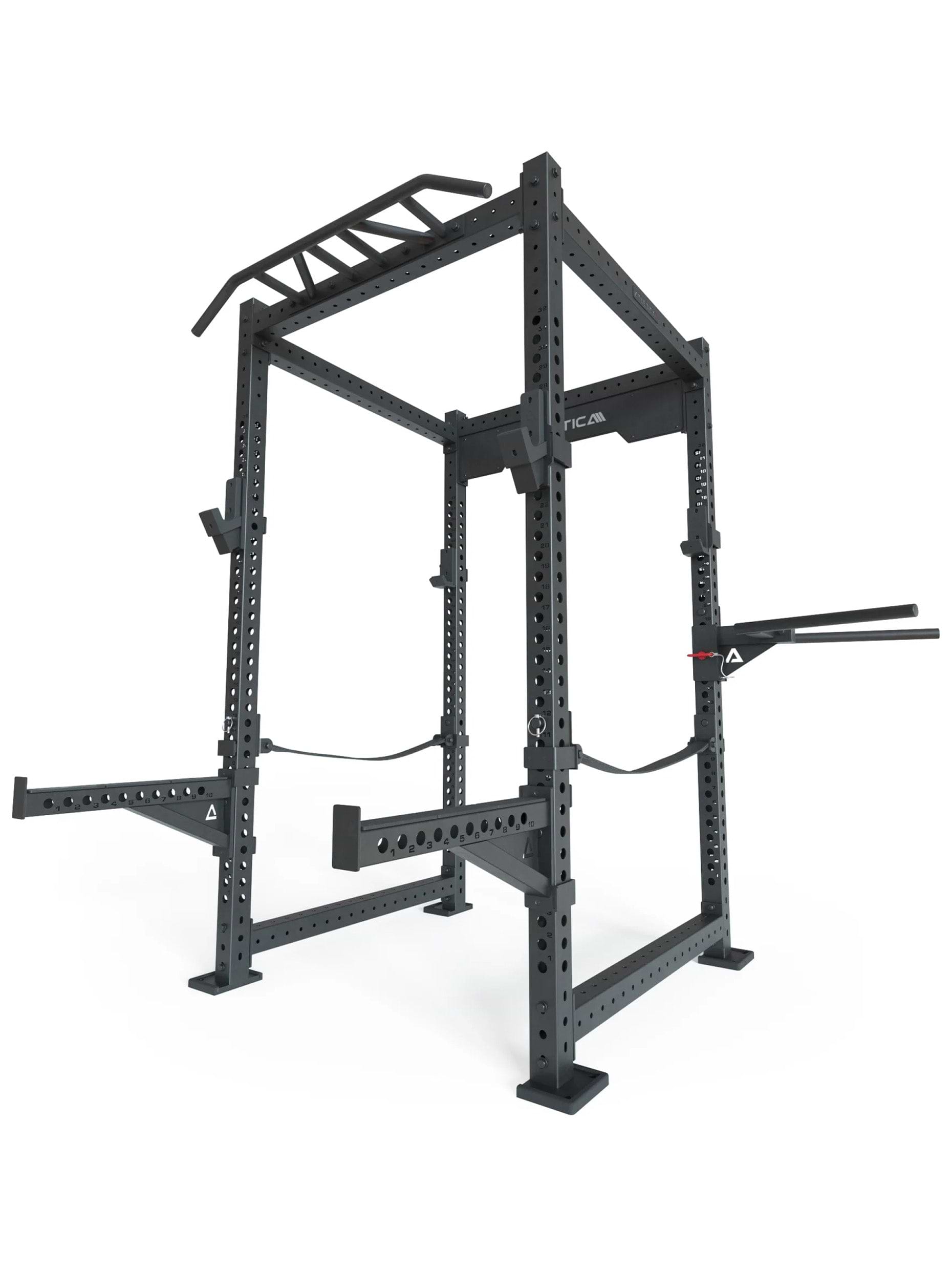
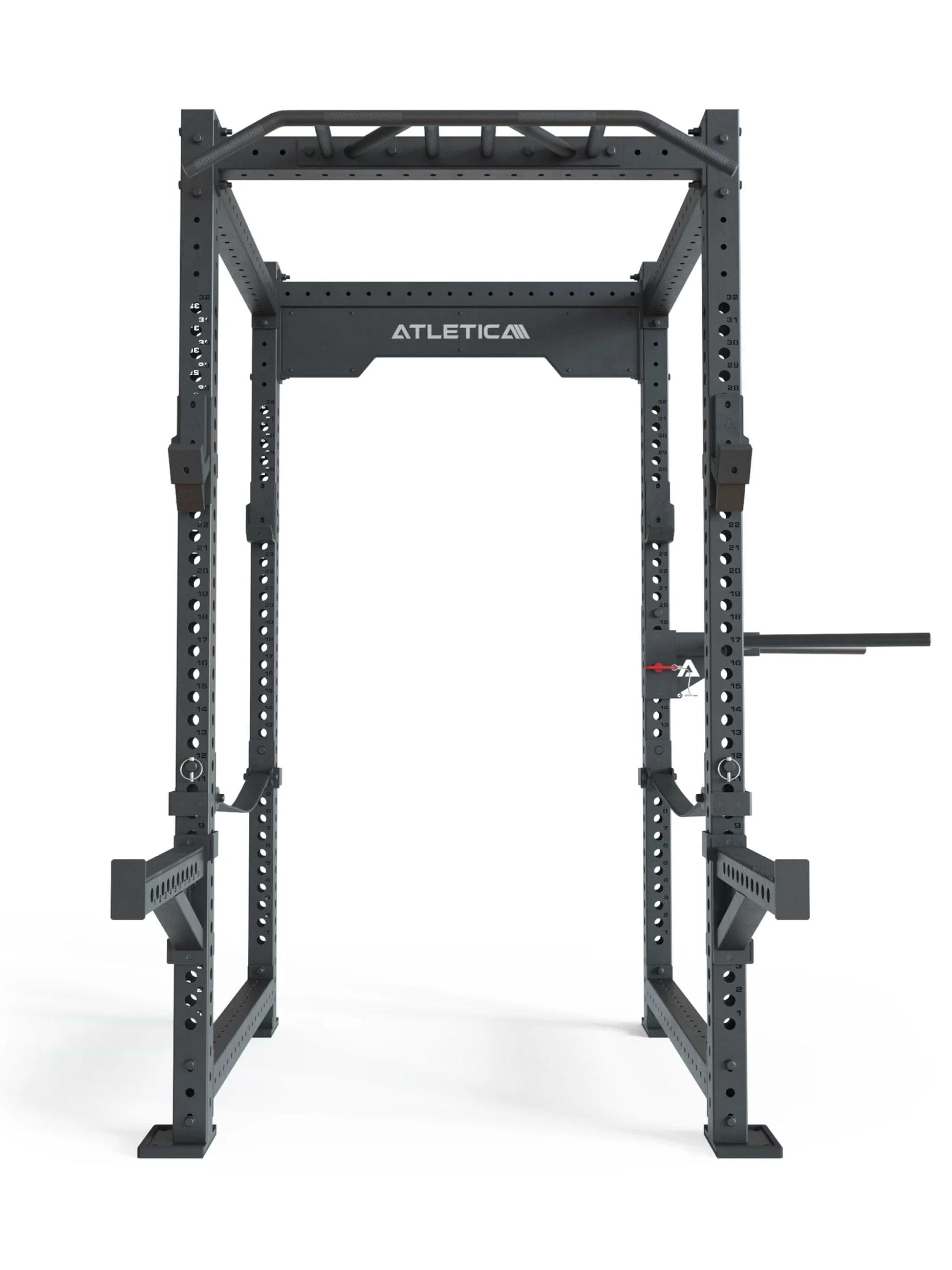
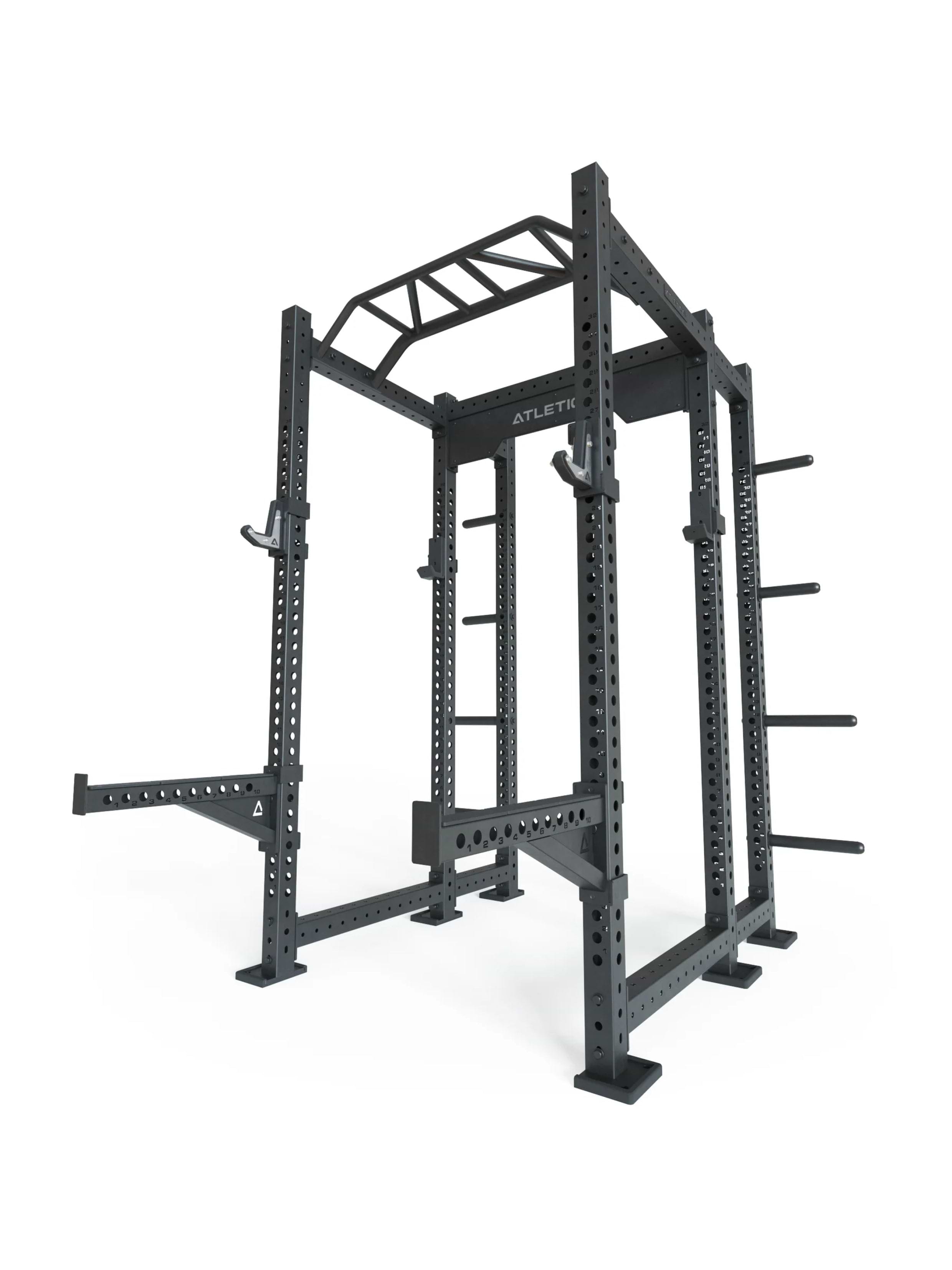
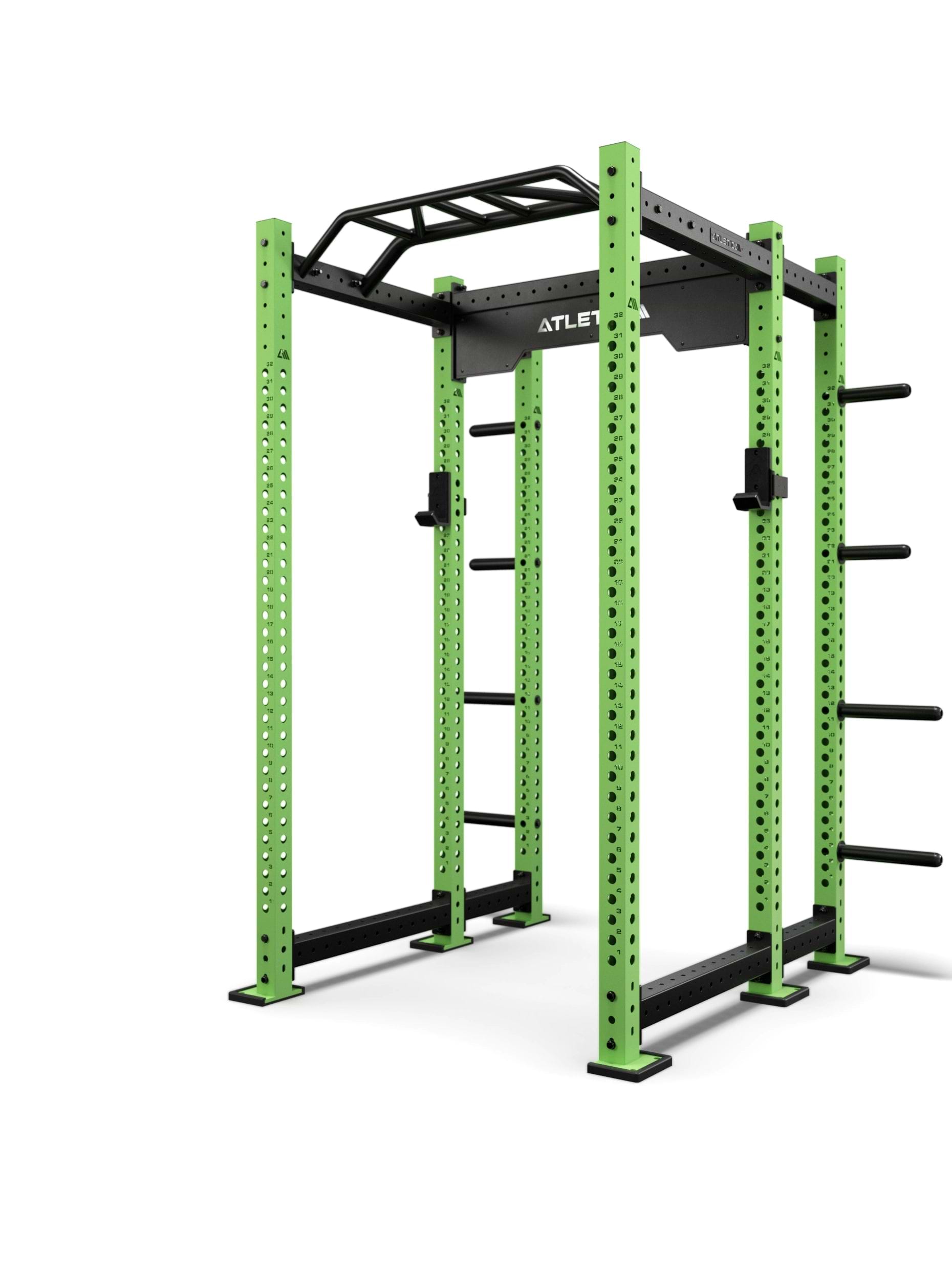
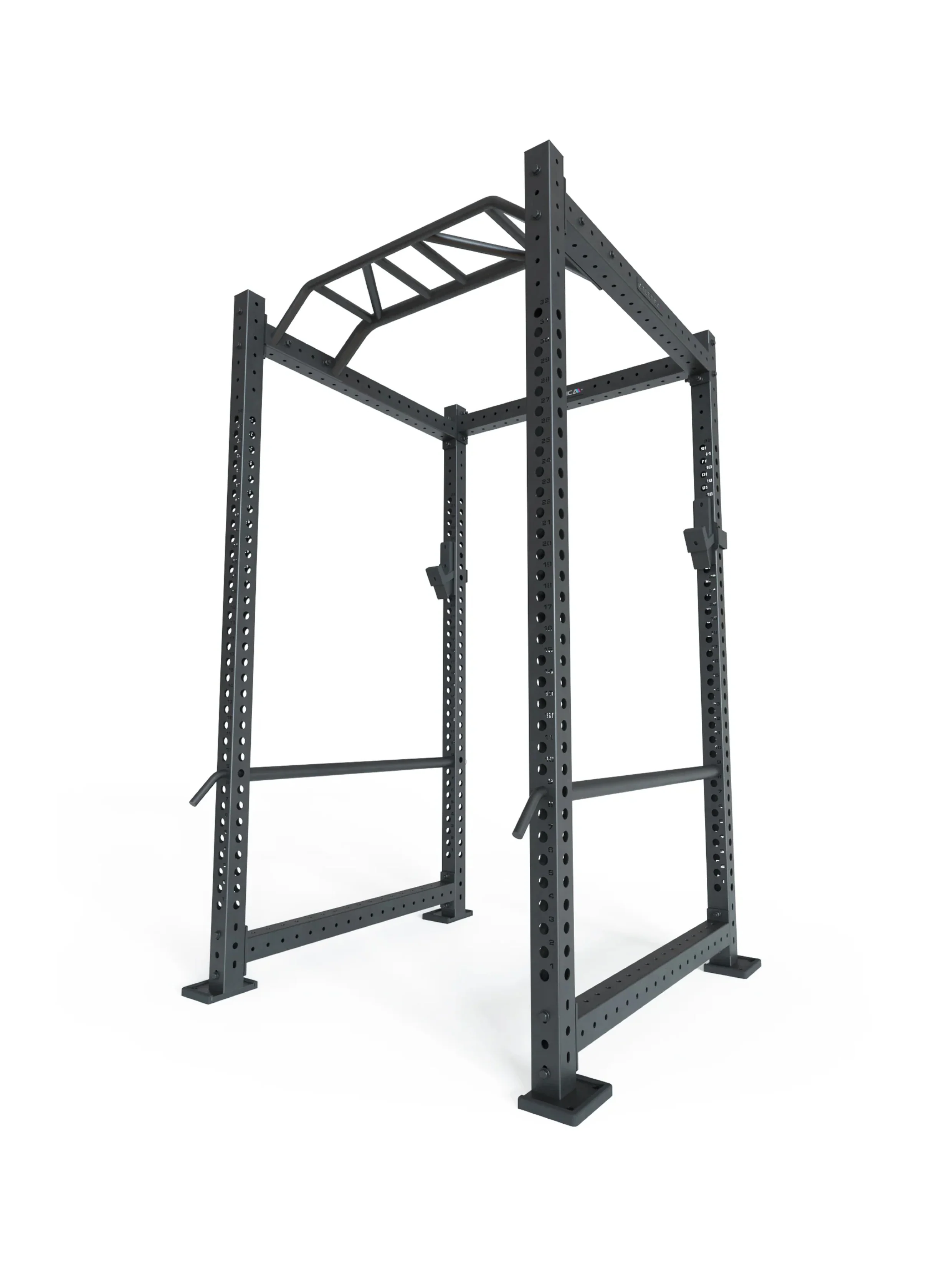
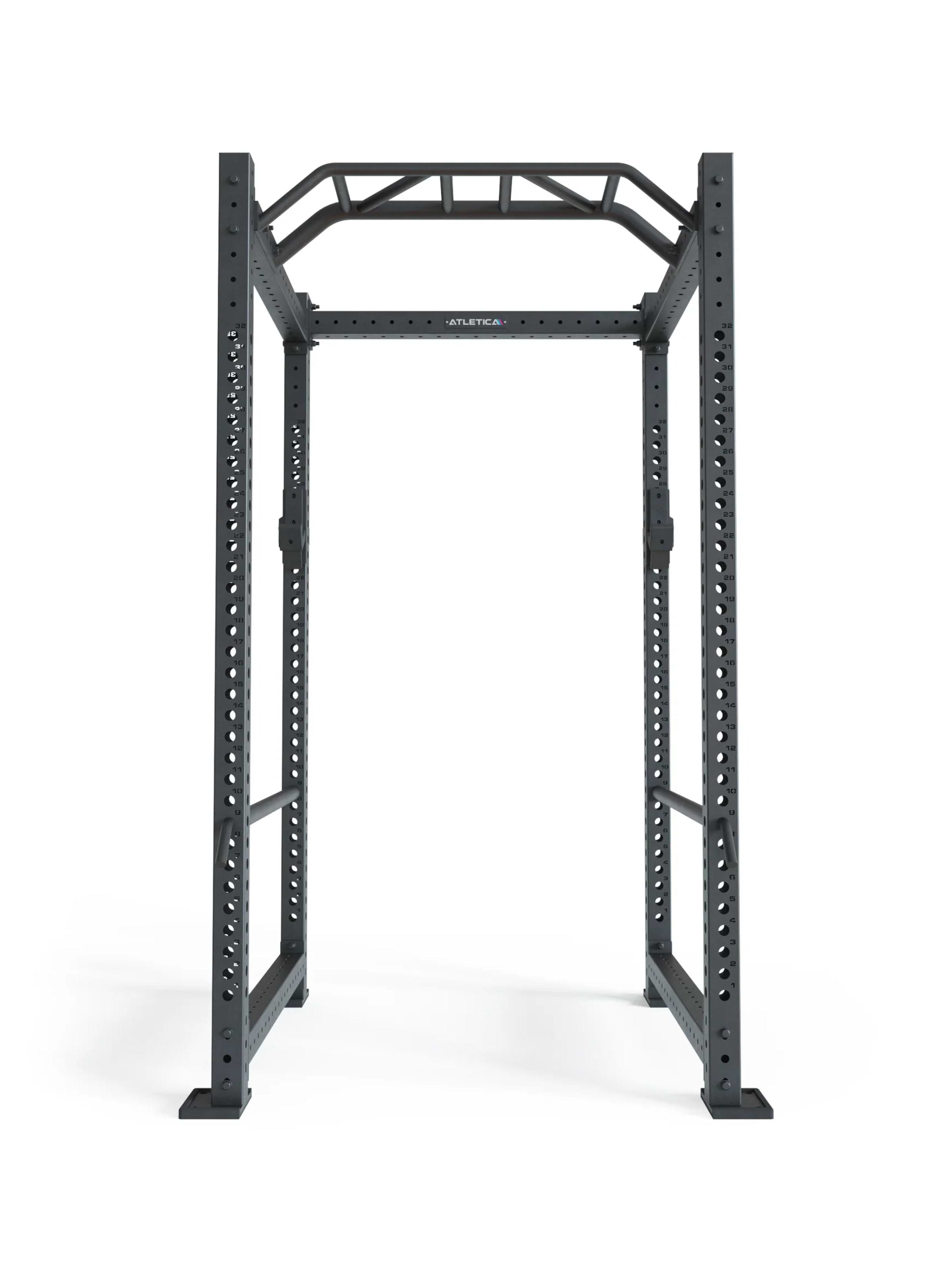
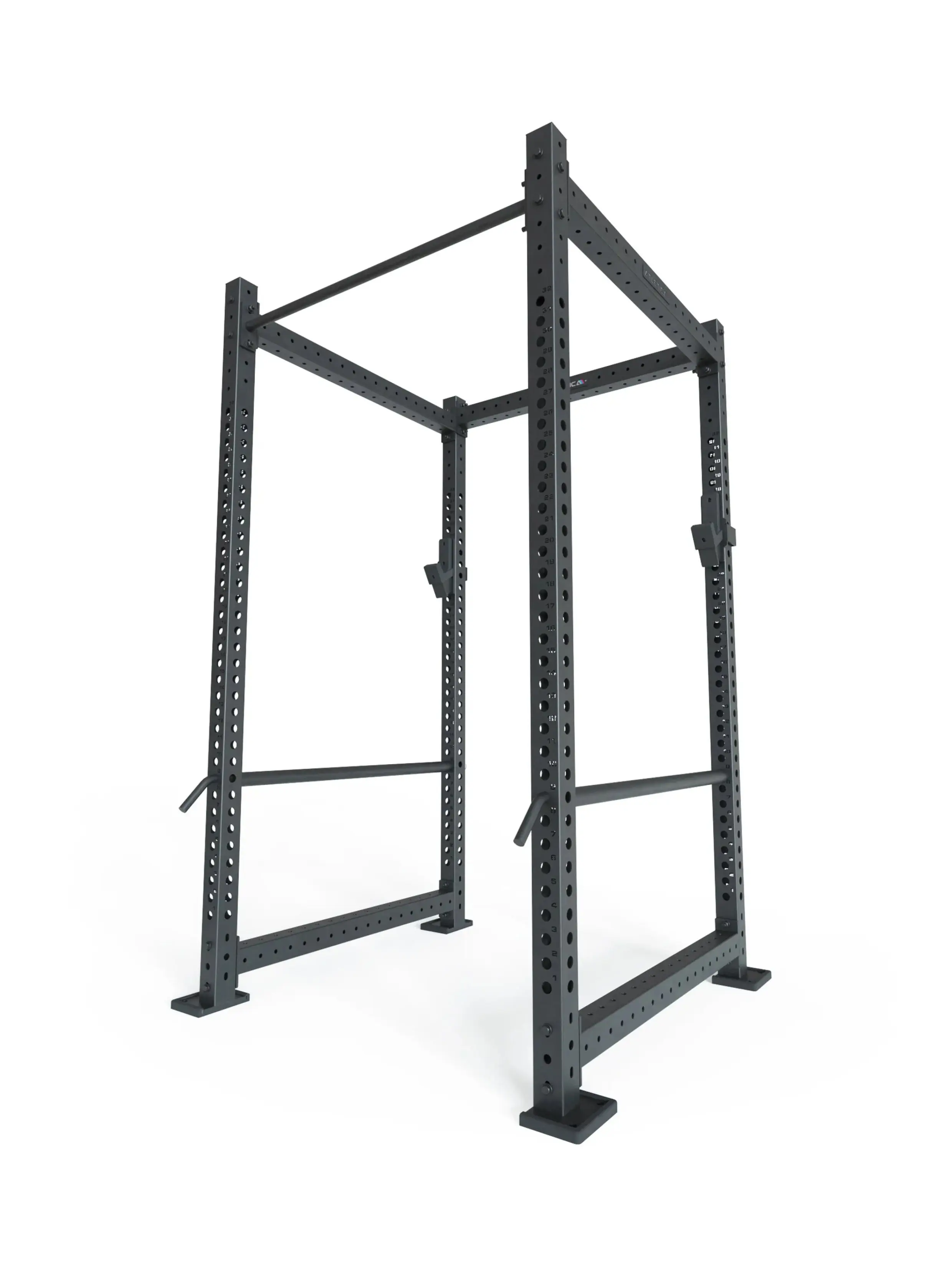
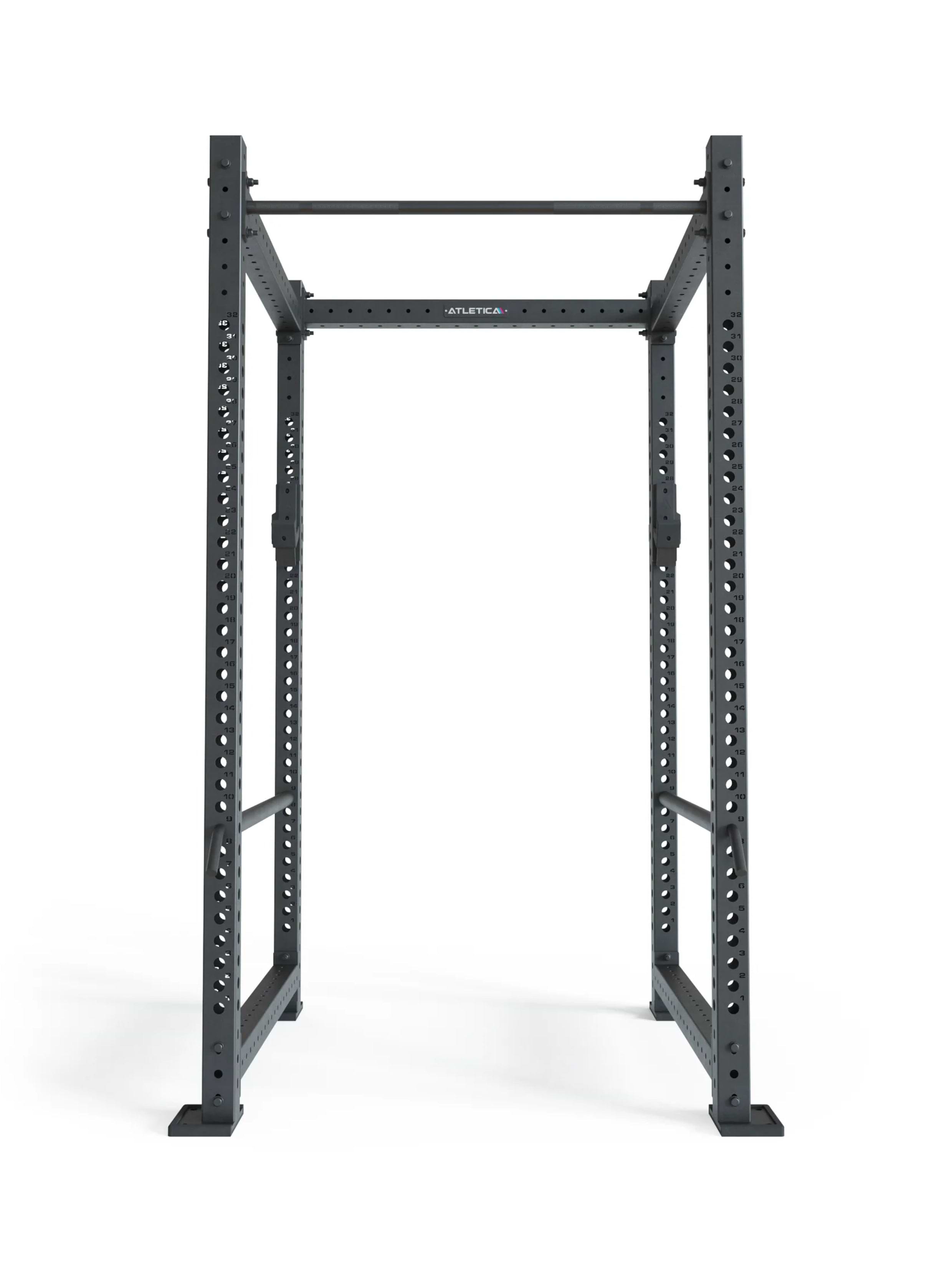
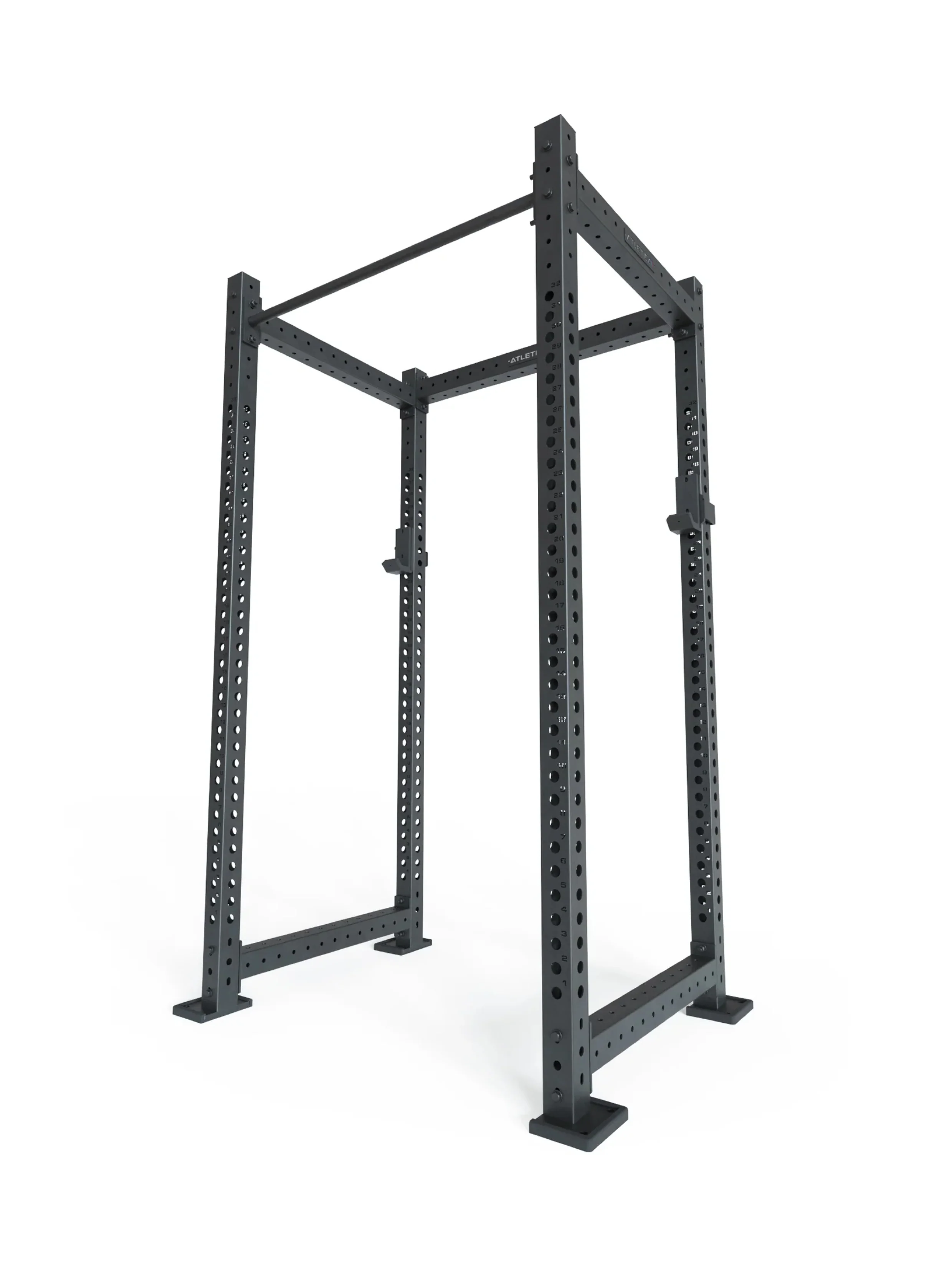
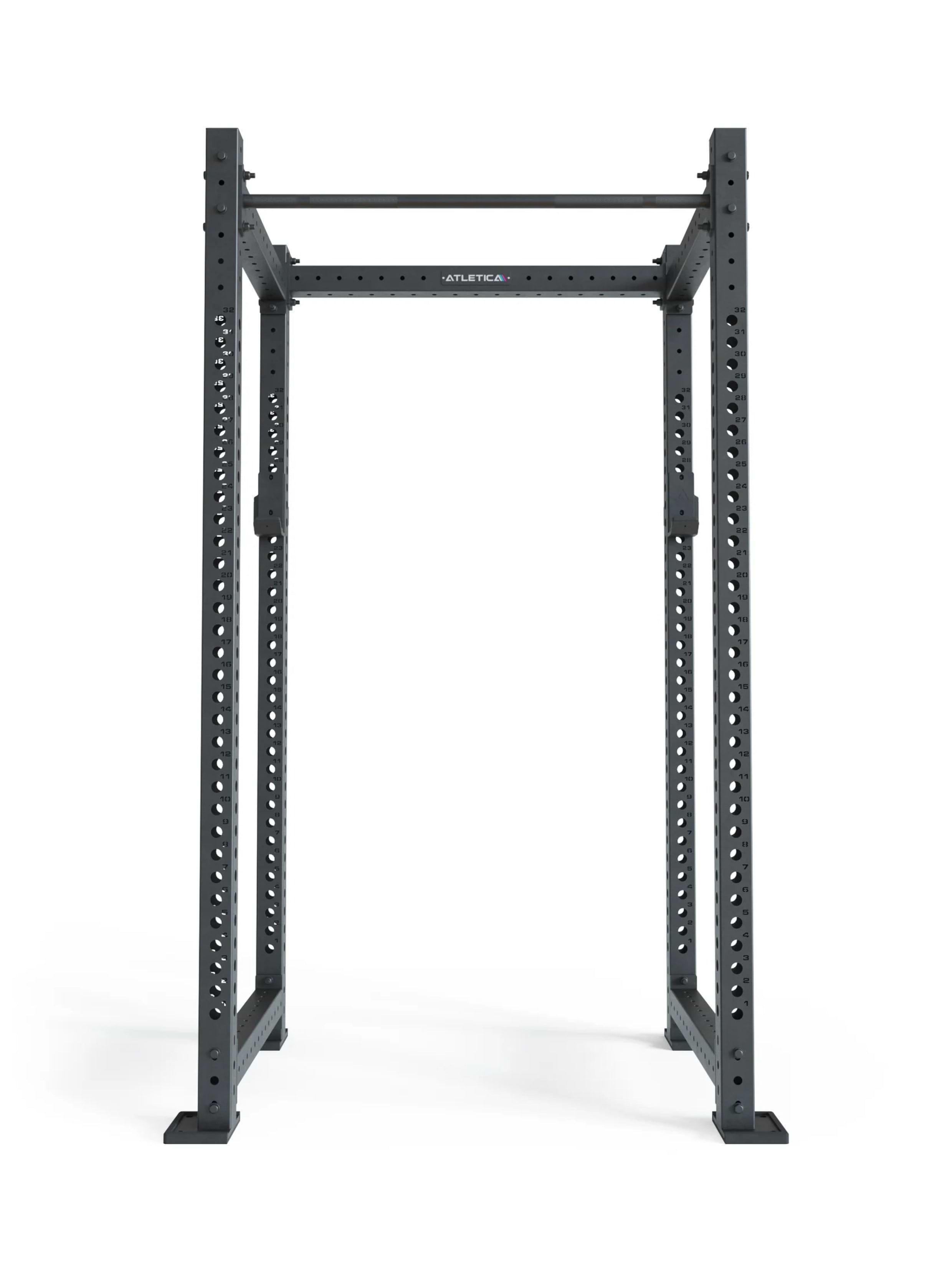
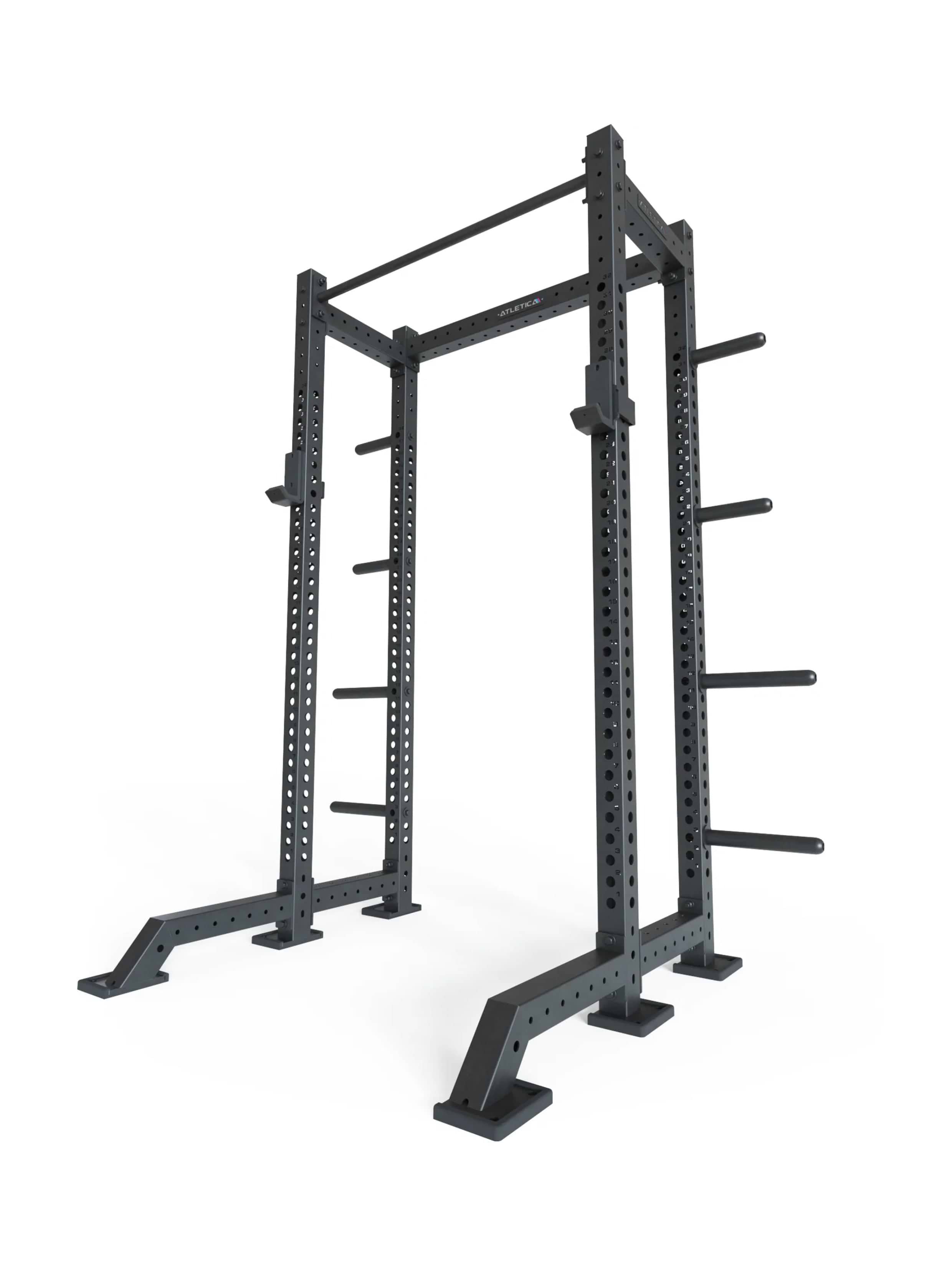
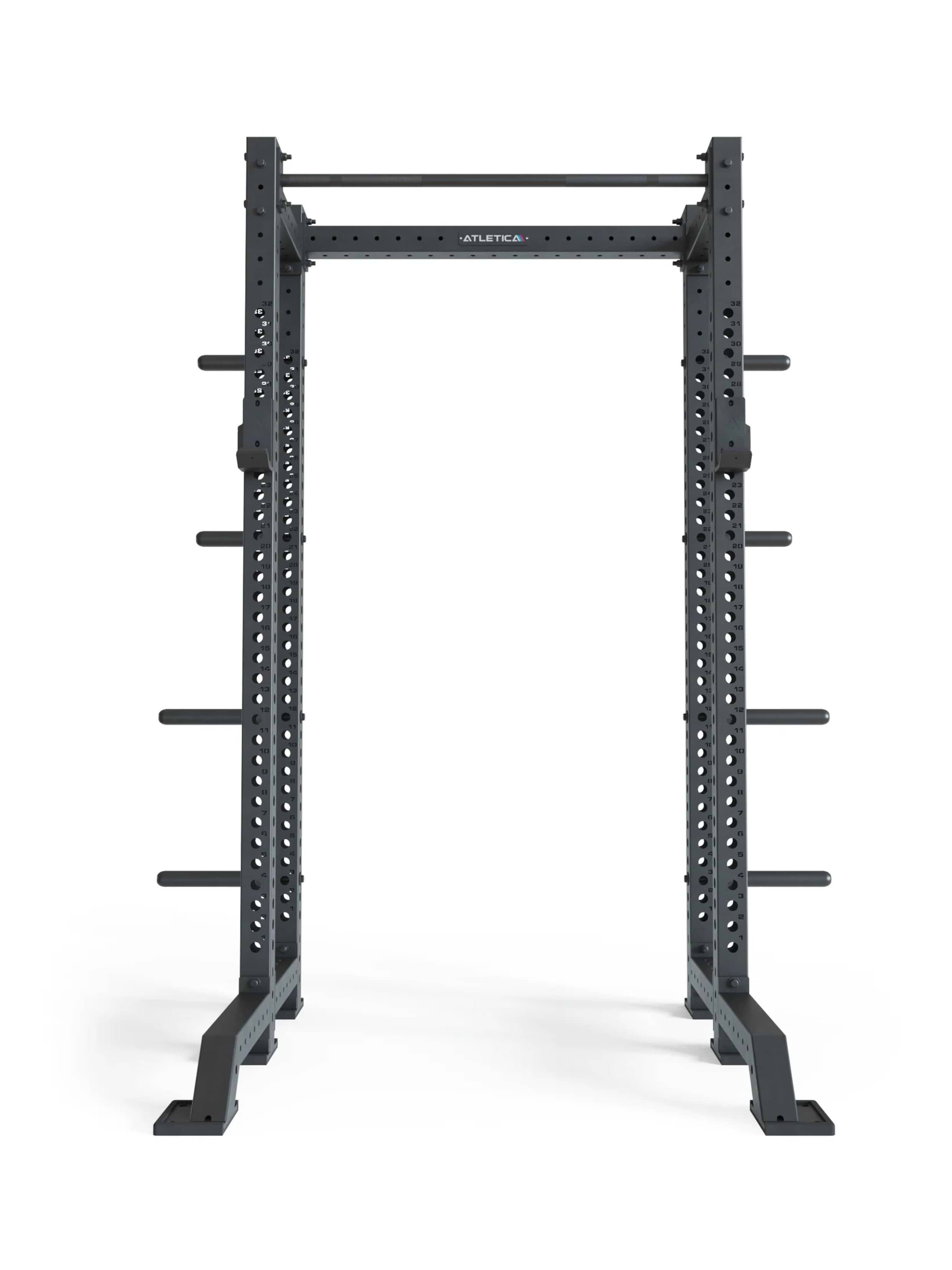
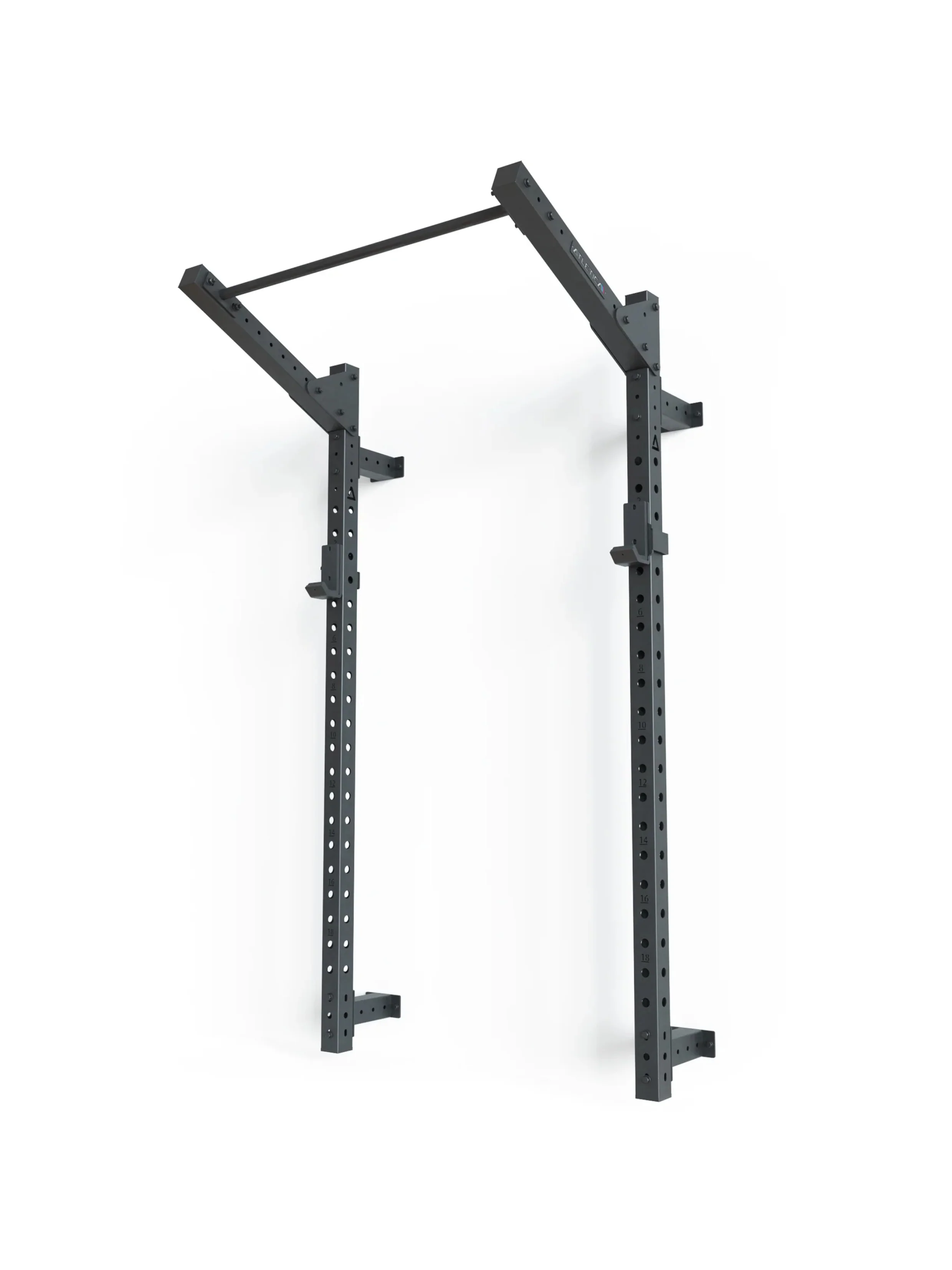
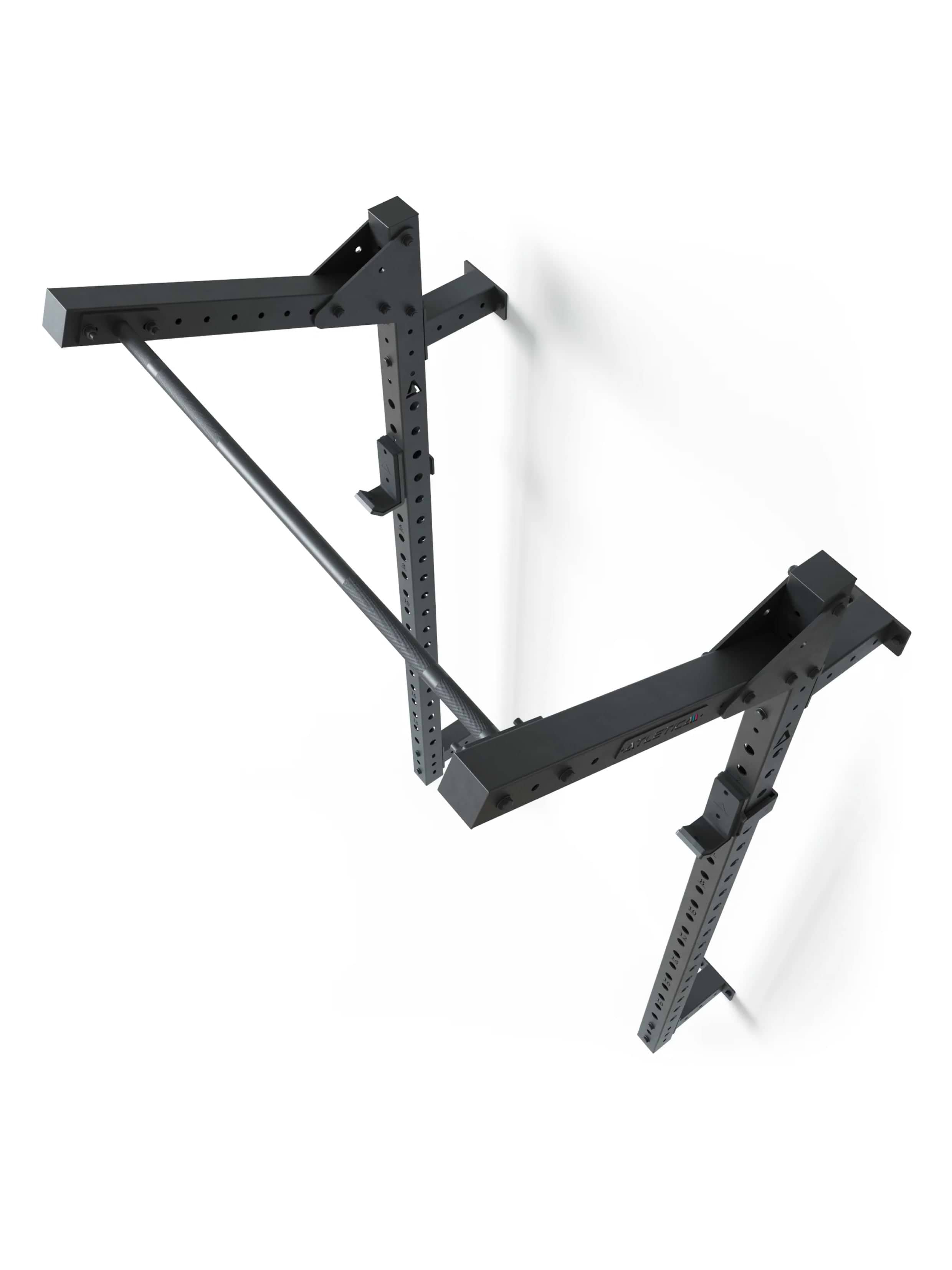
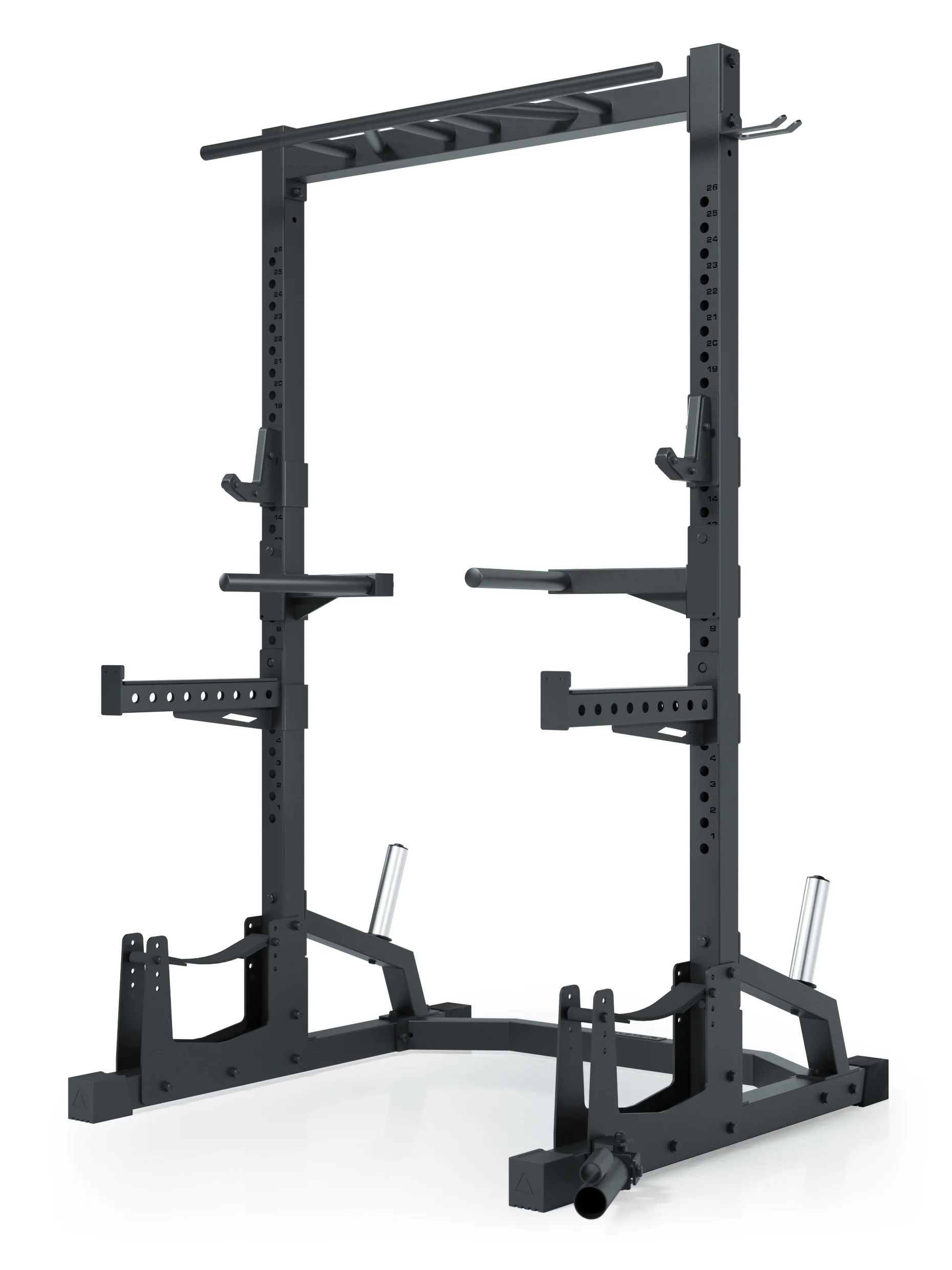
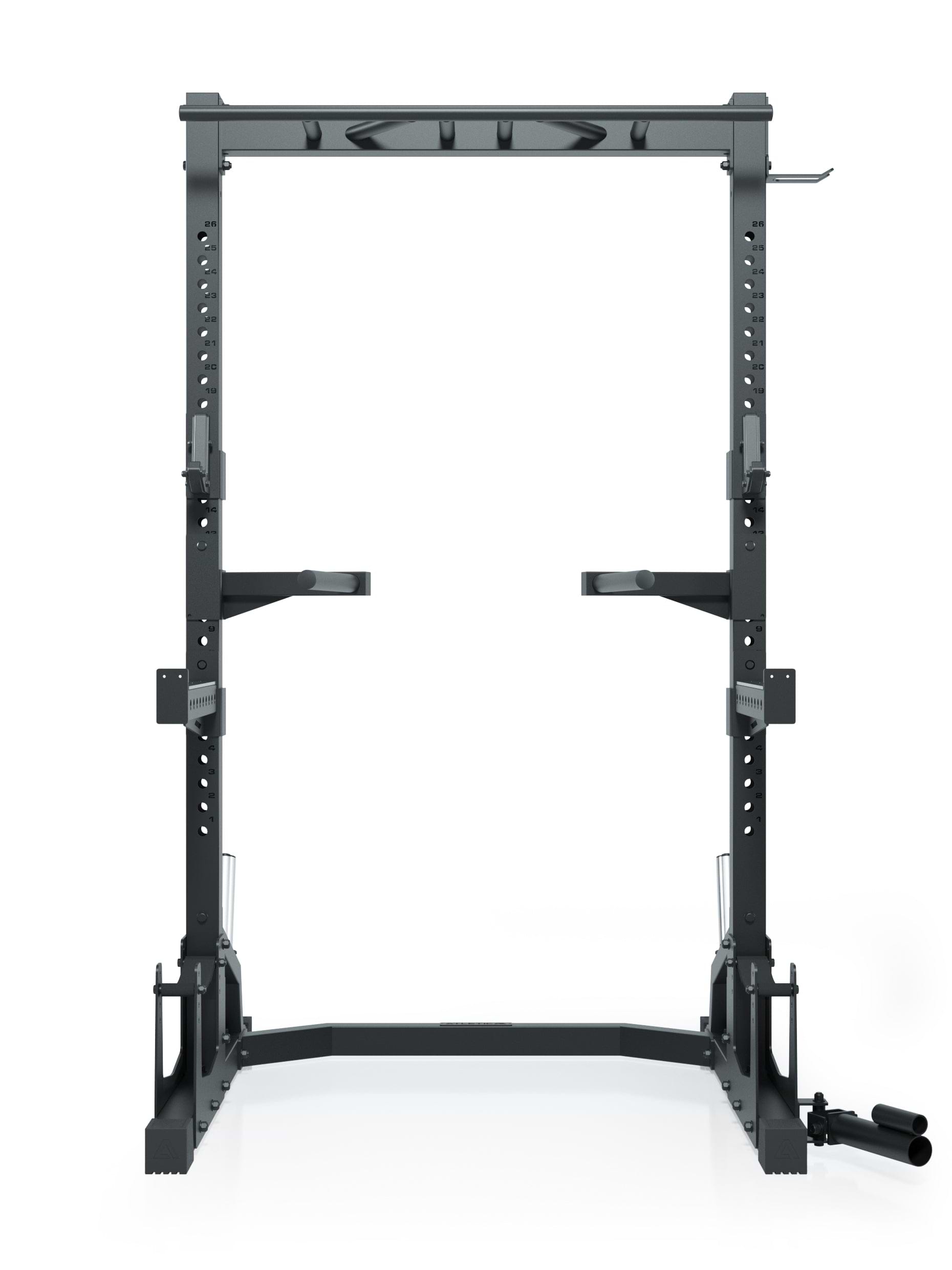


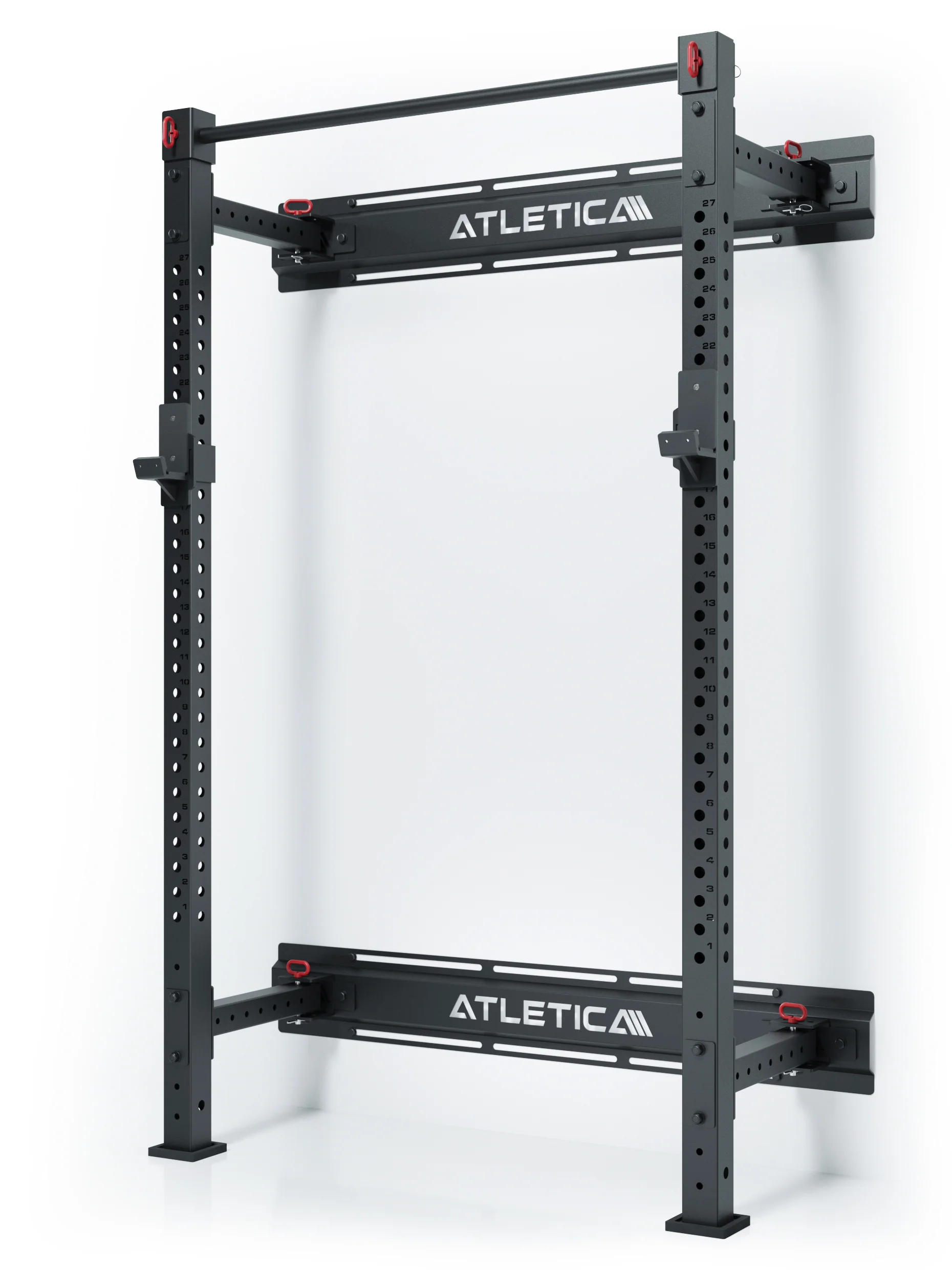
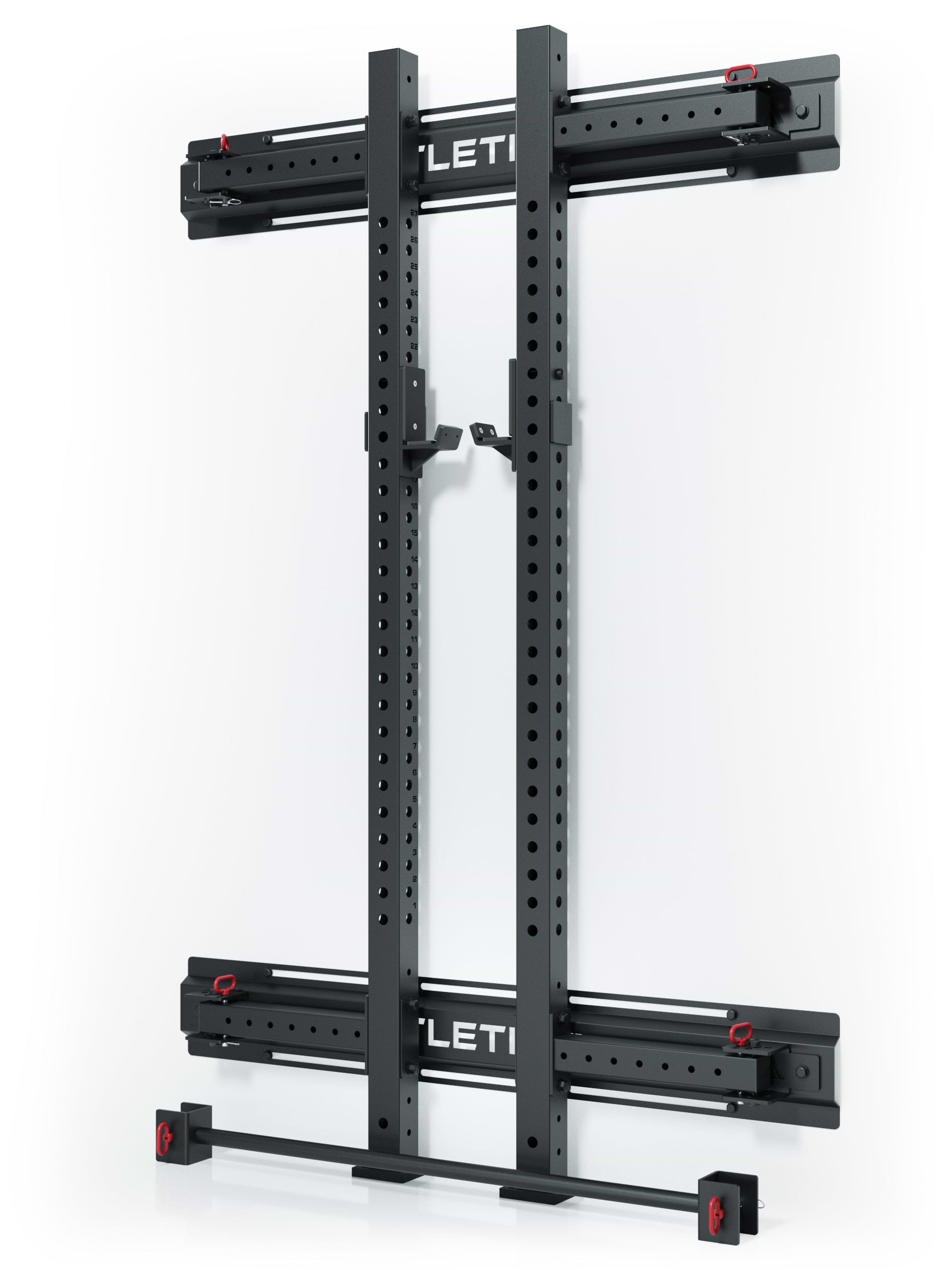
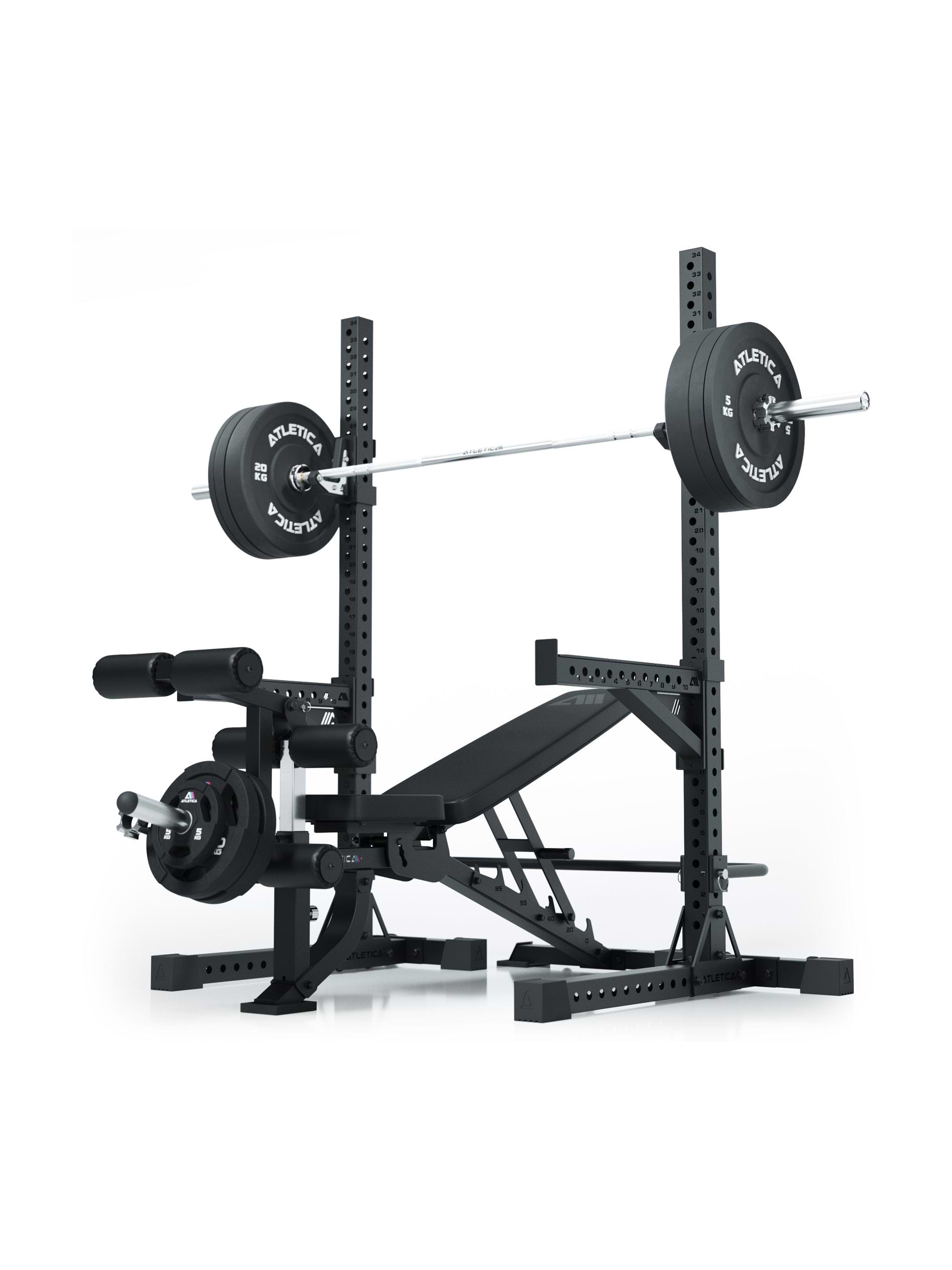
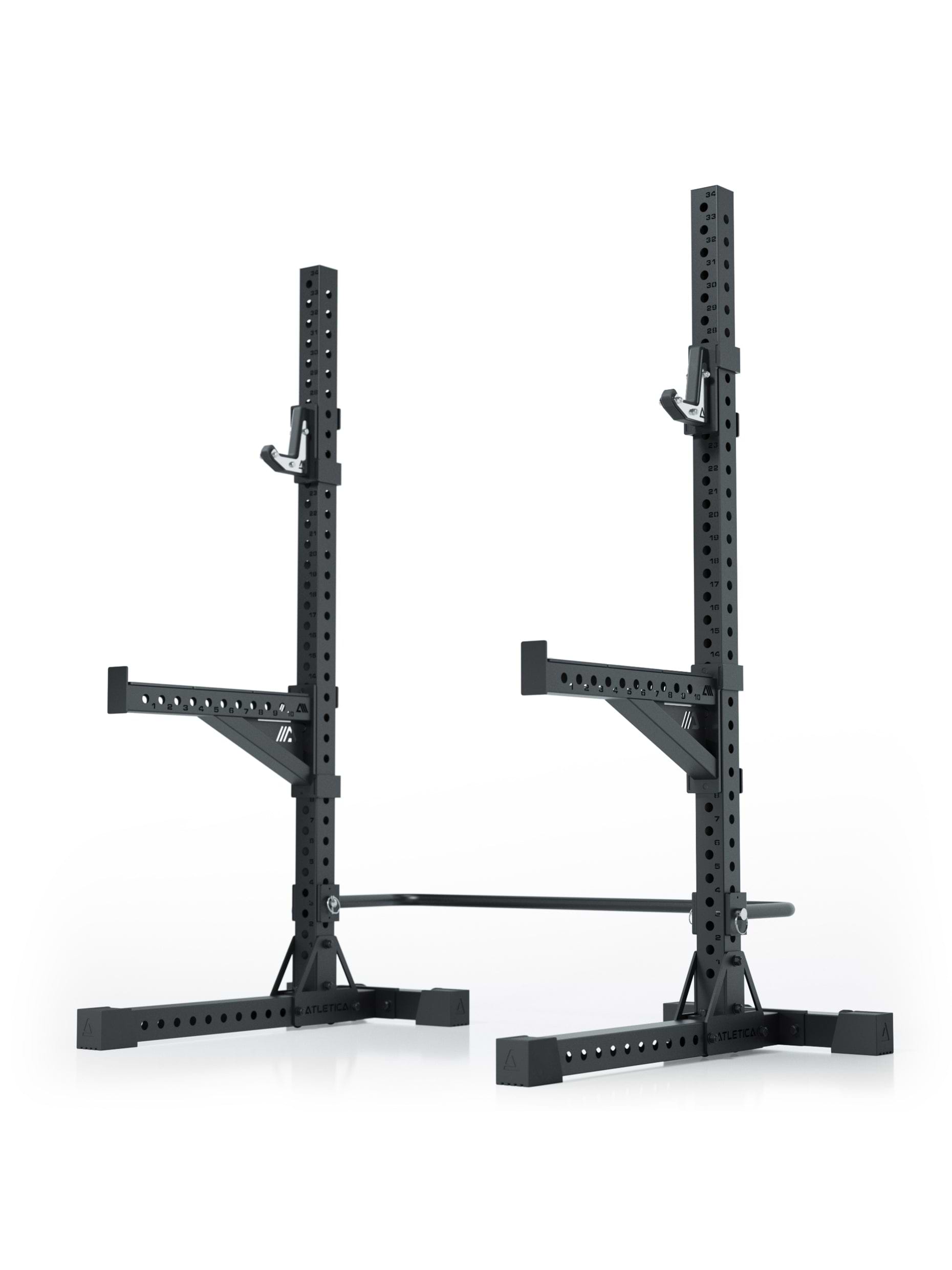
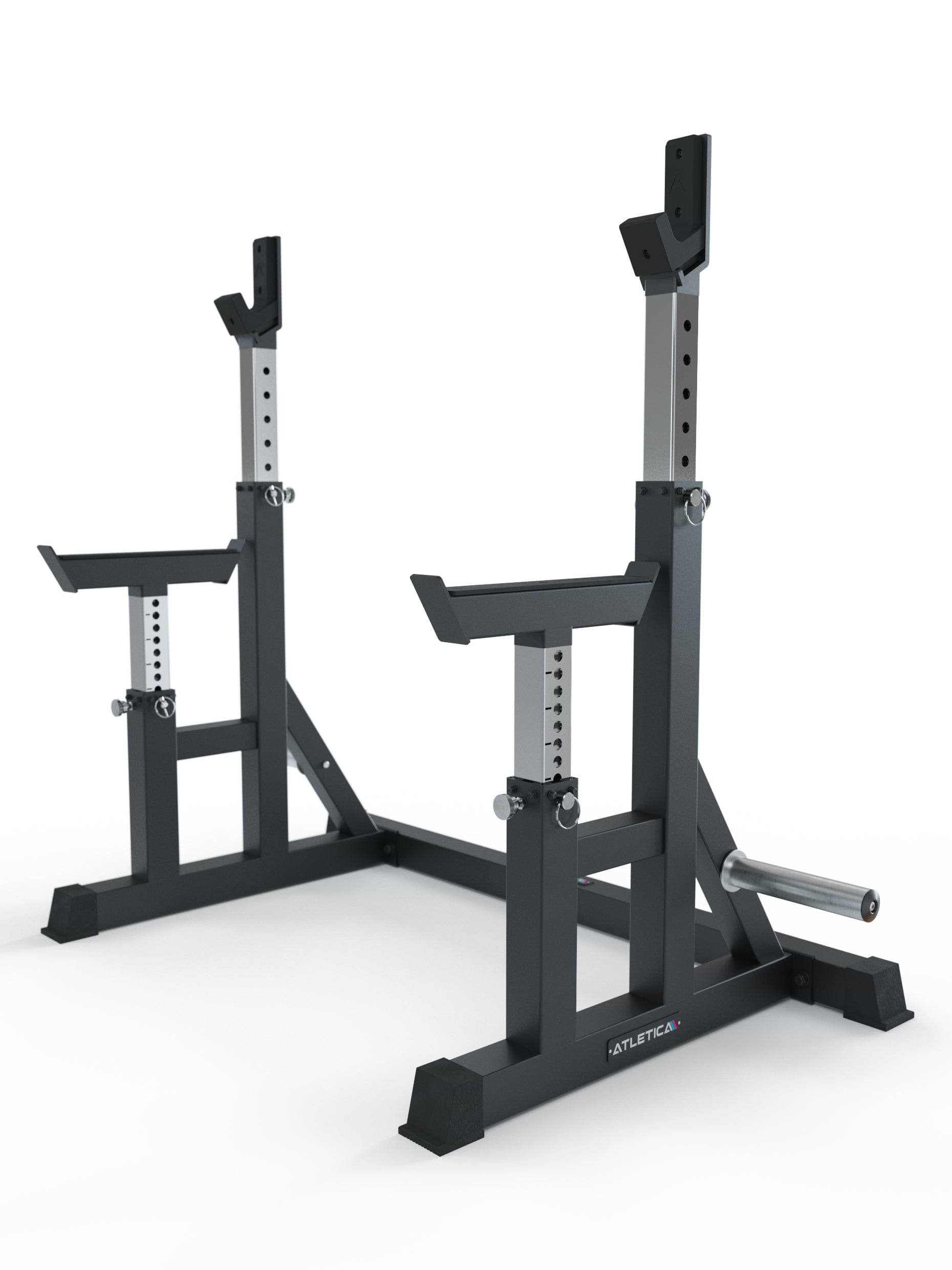
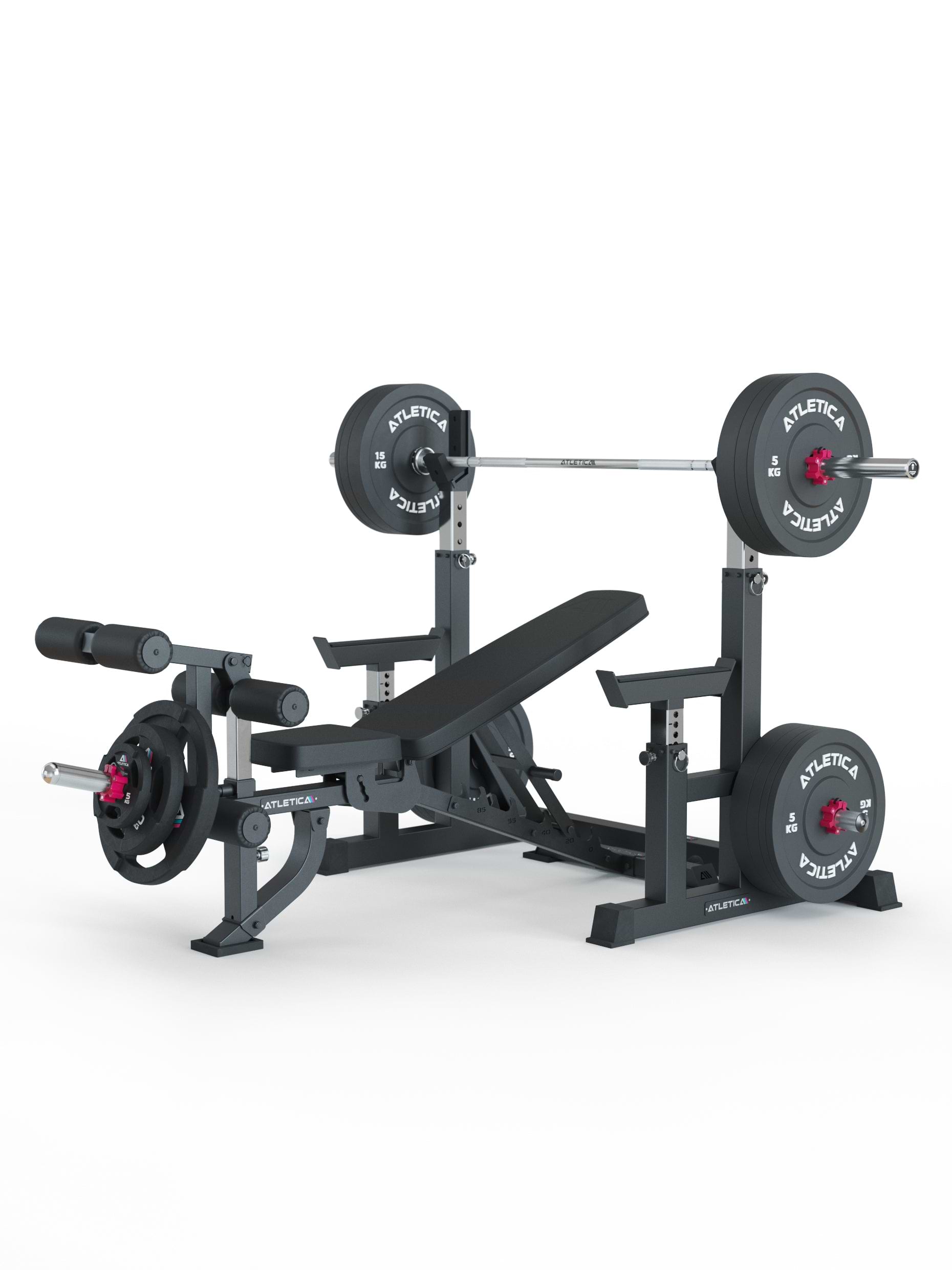
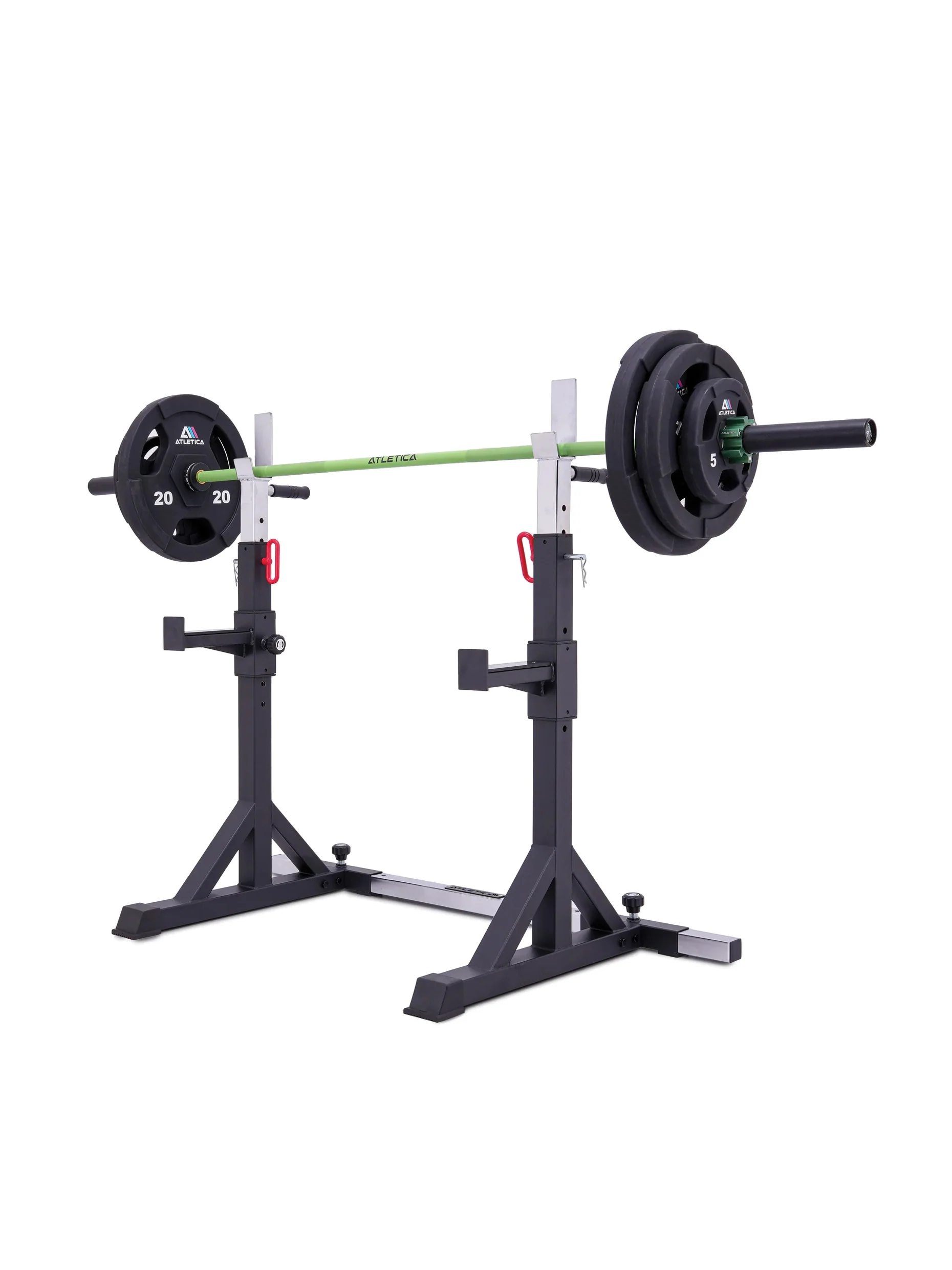
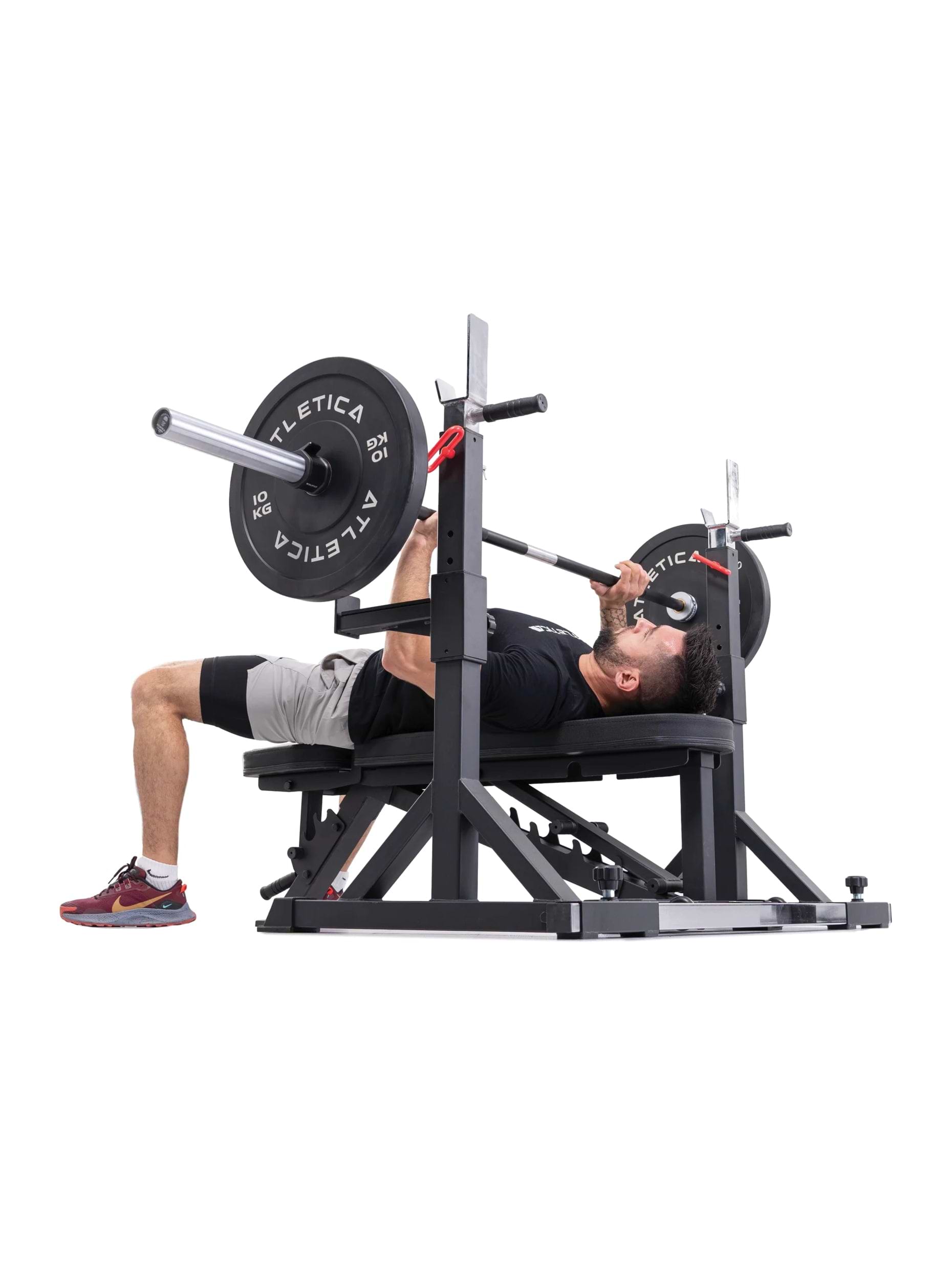
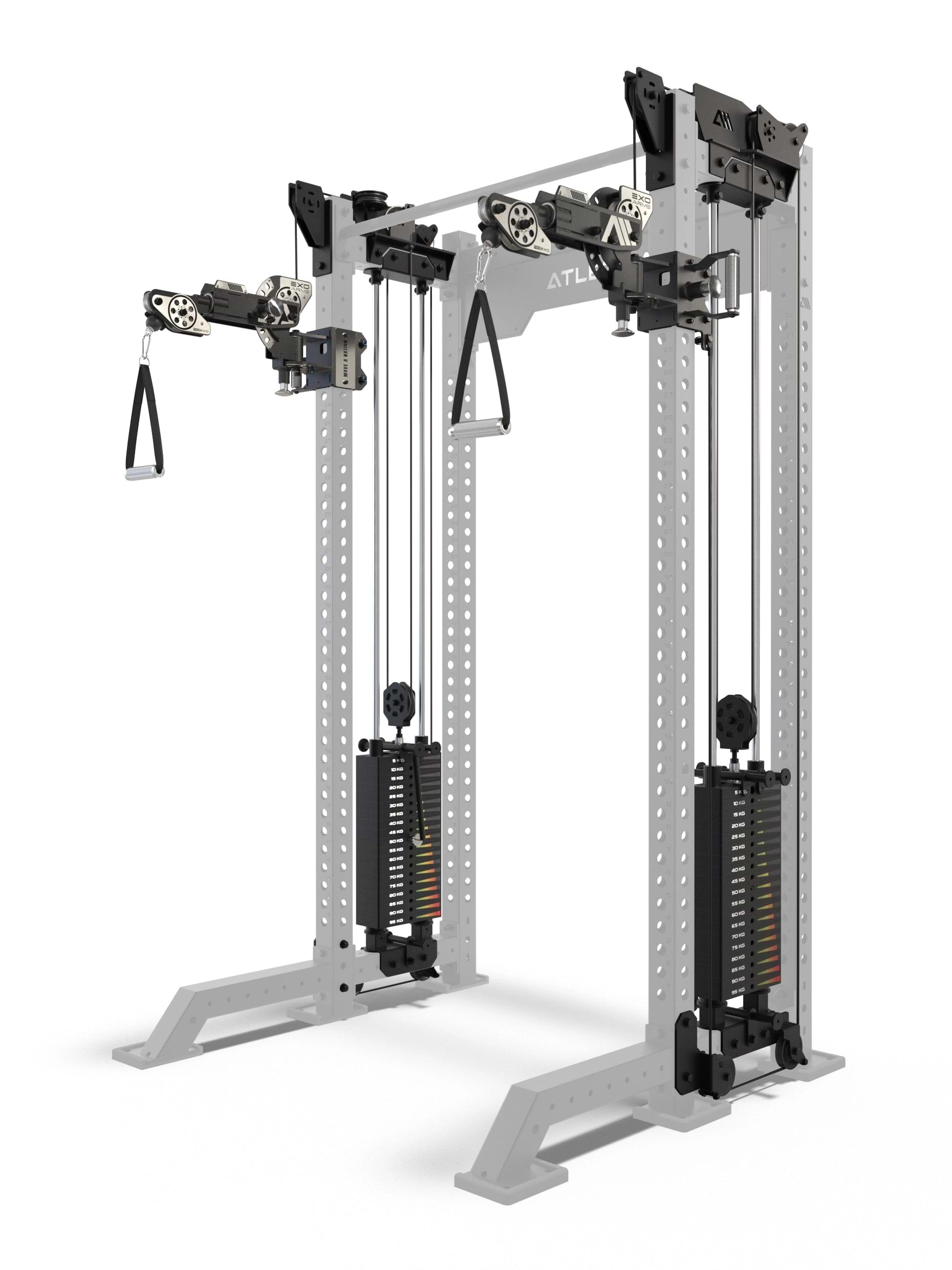
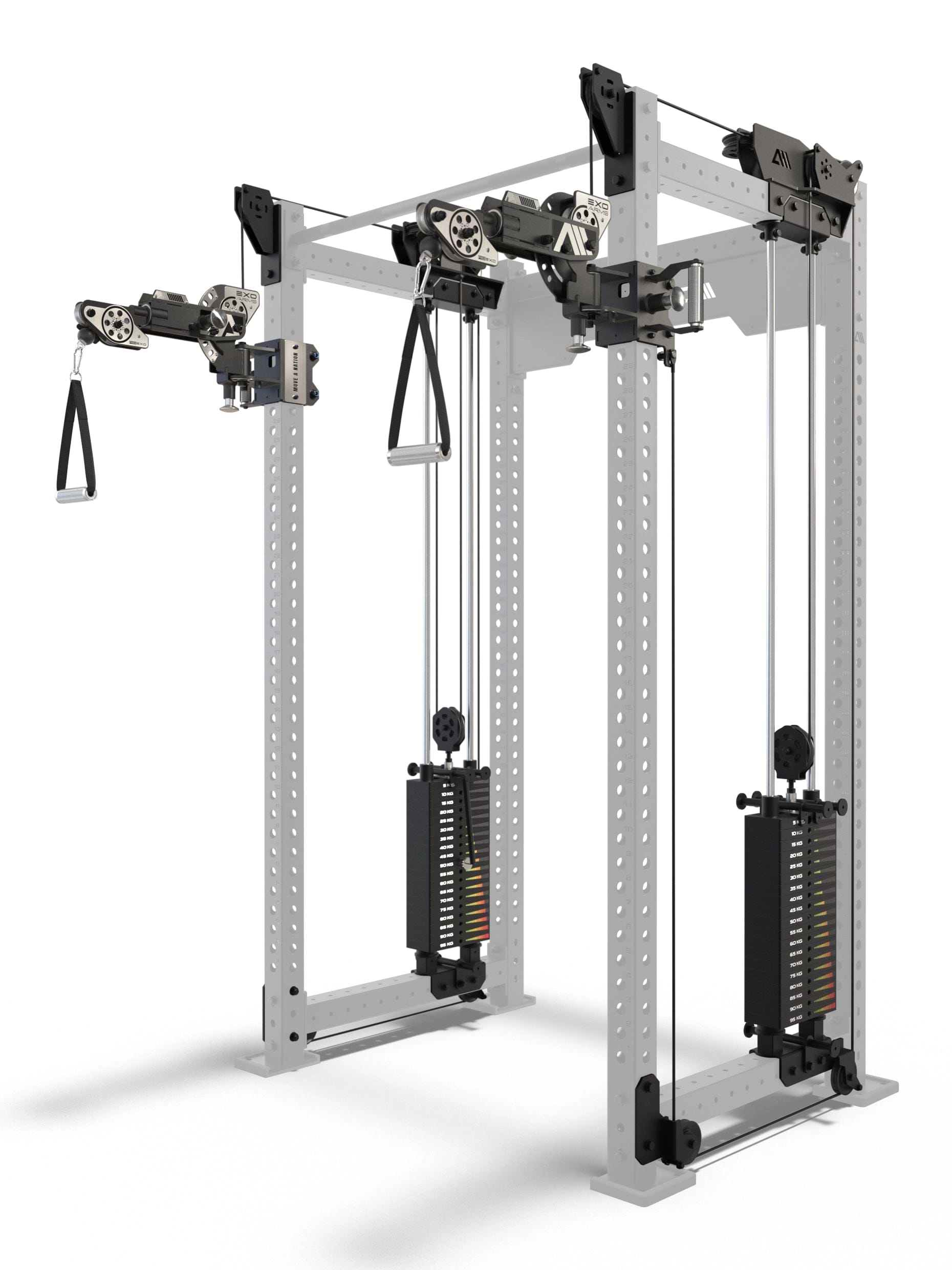
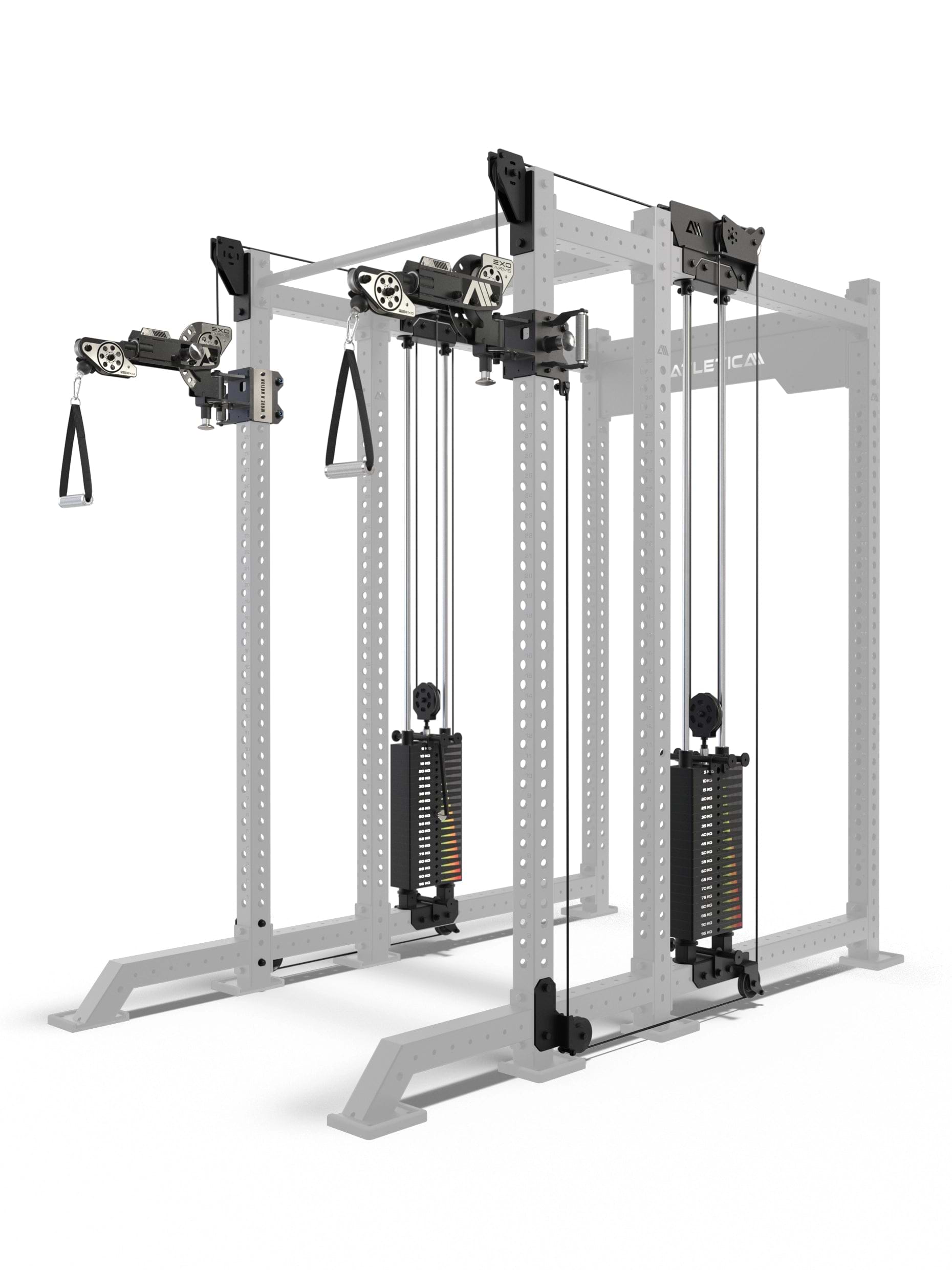
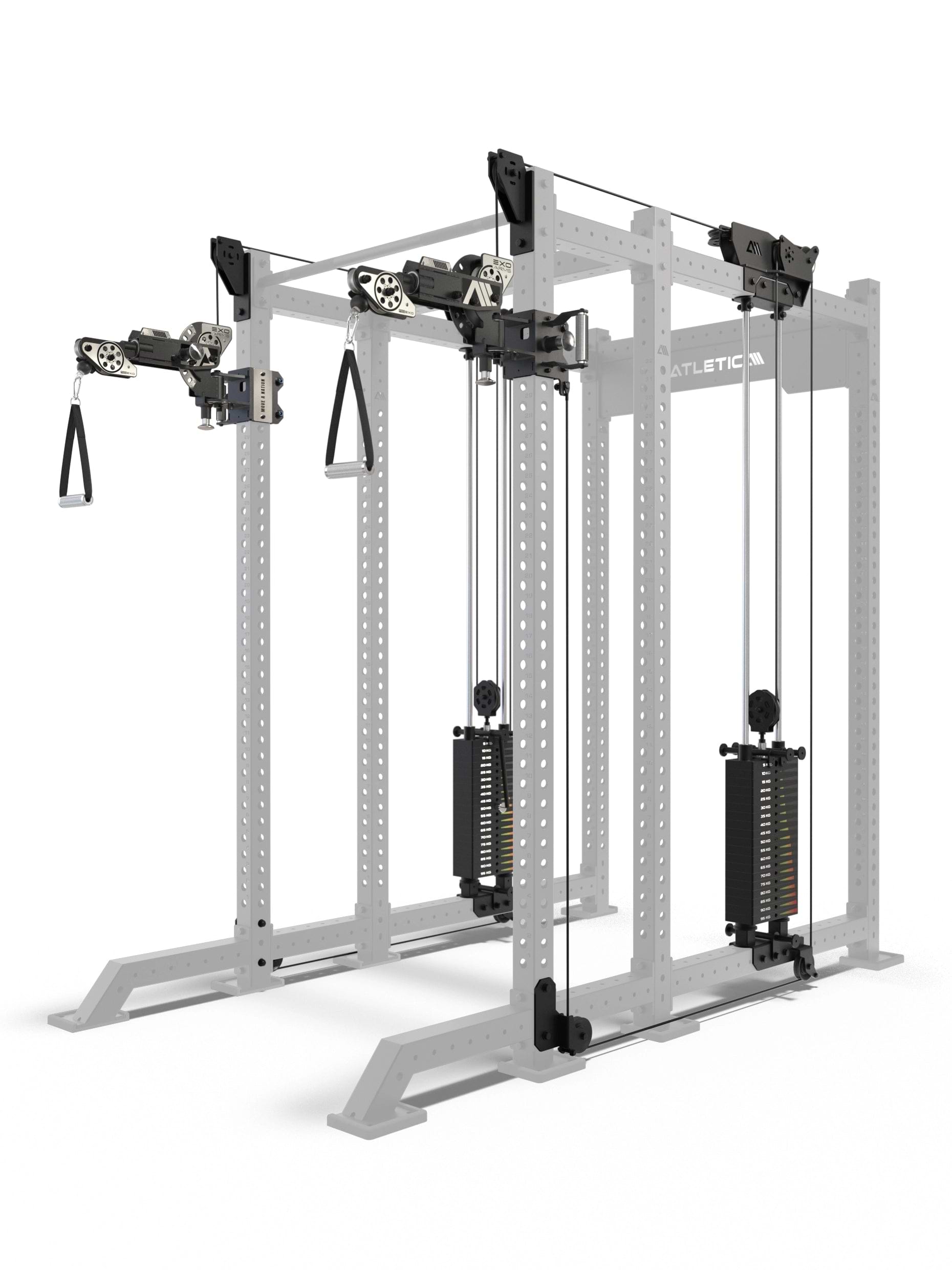
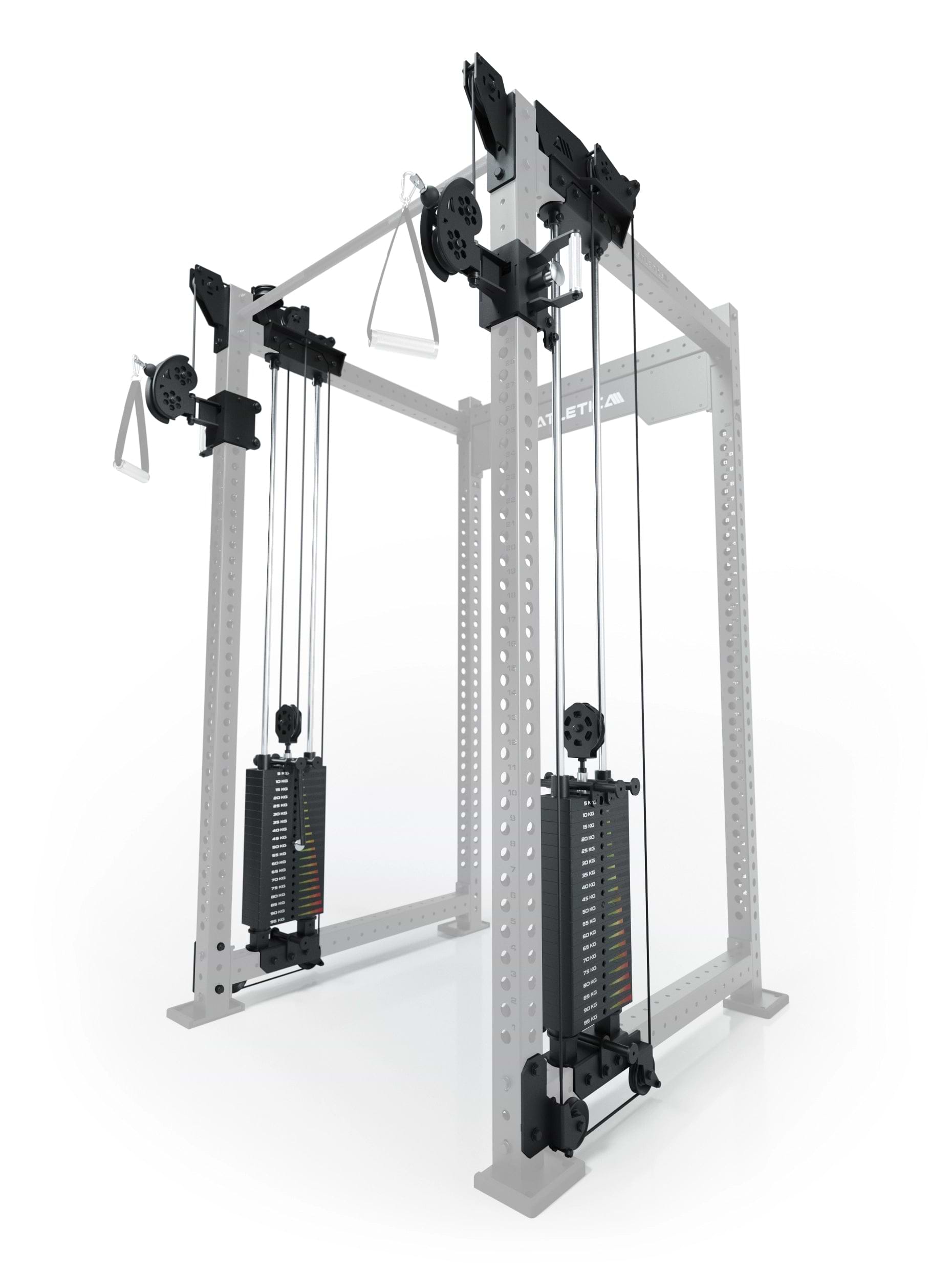
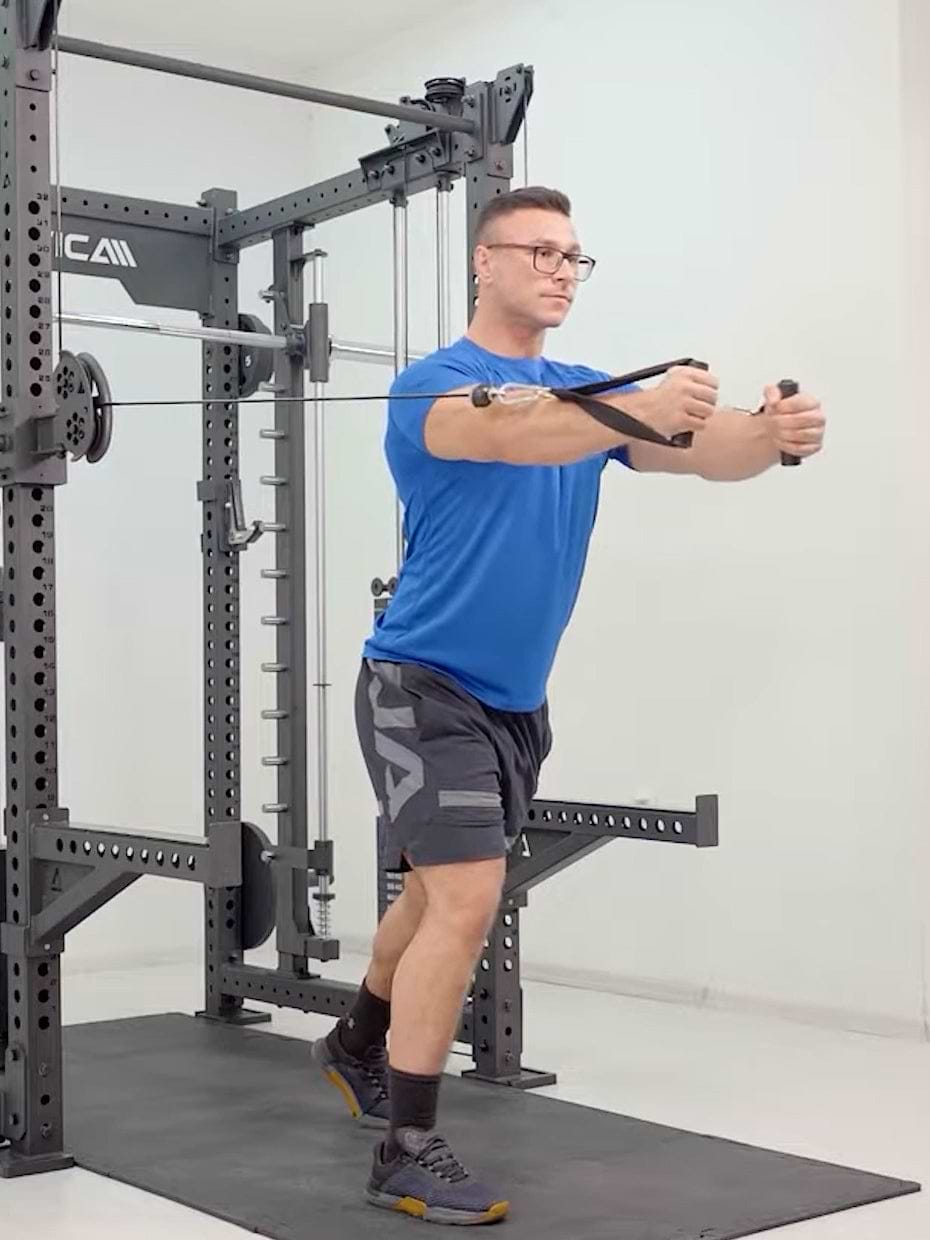
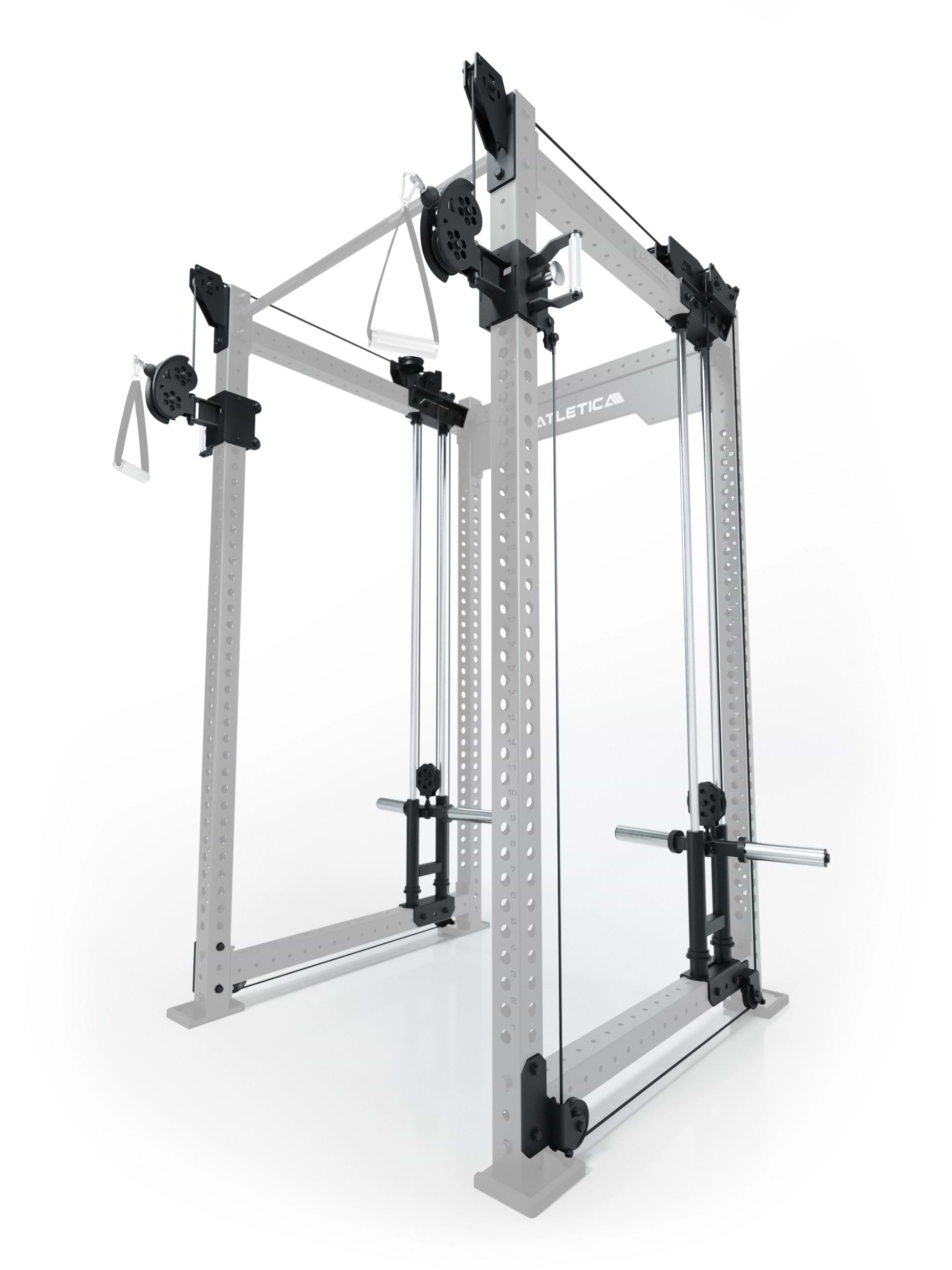
Power Rack Series Compared
Got questions?
Book a free 1-on-1 consultation with an expert.
Customer service is available Monday through Friday, 8 AM–4 PM.
1. What is a Power Rack?
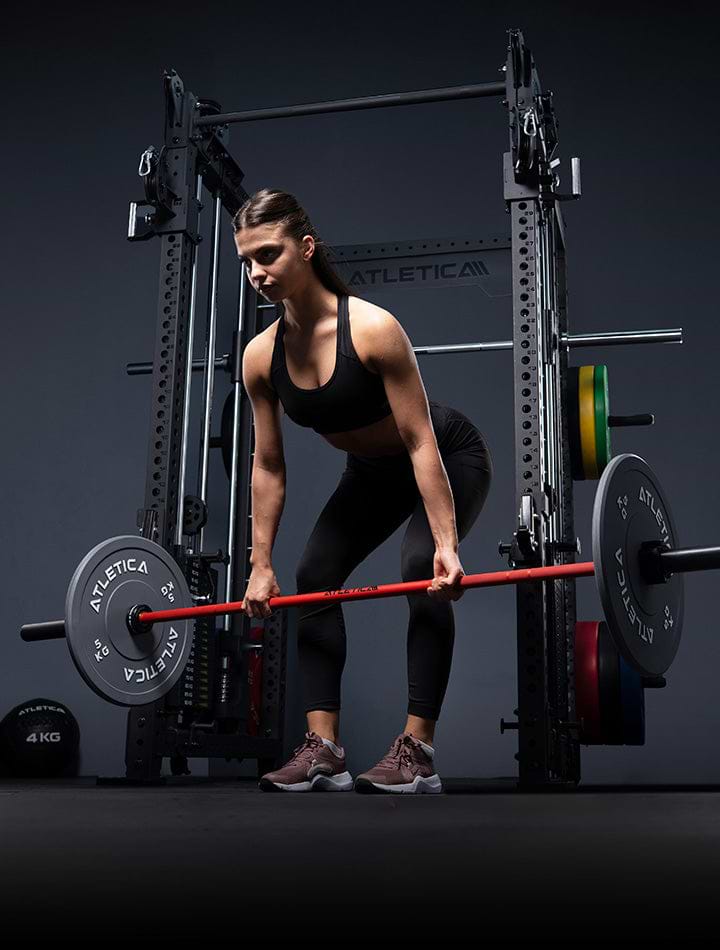
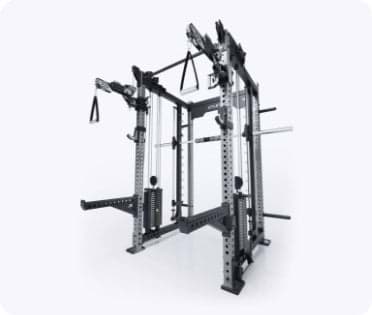
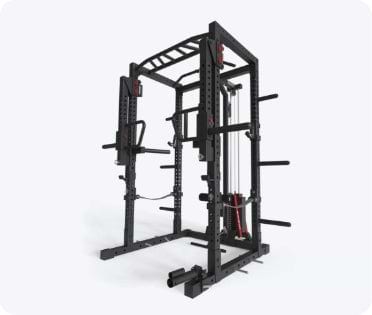
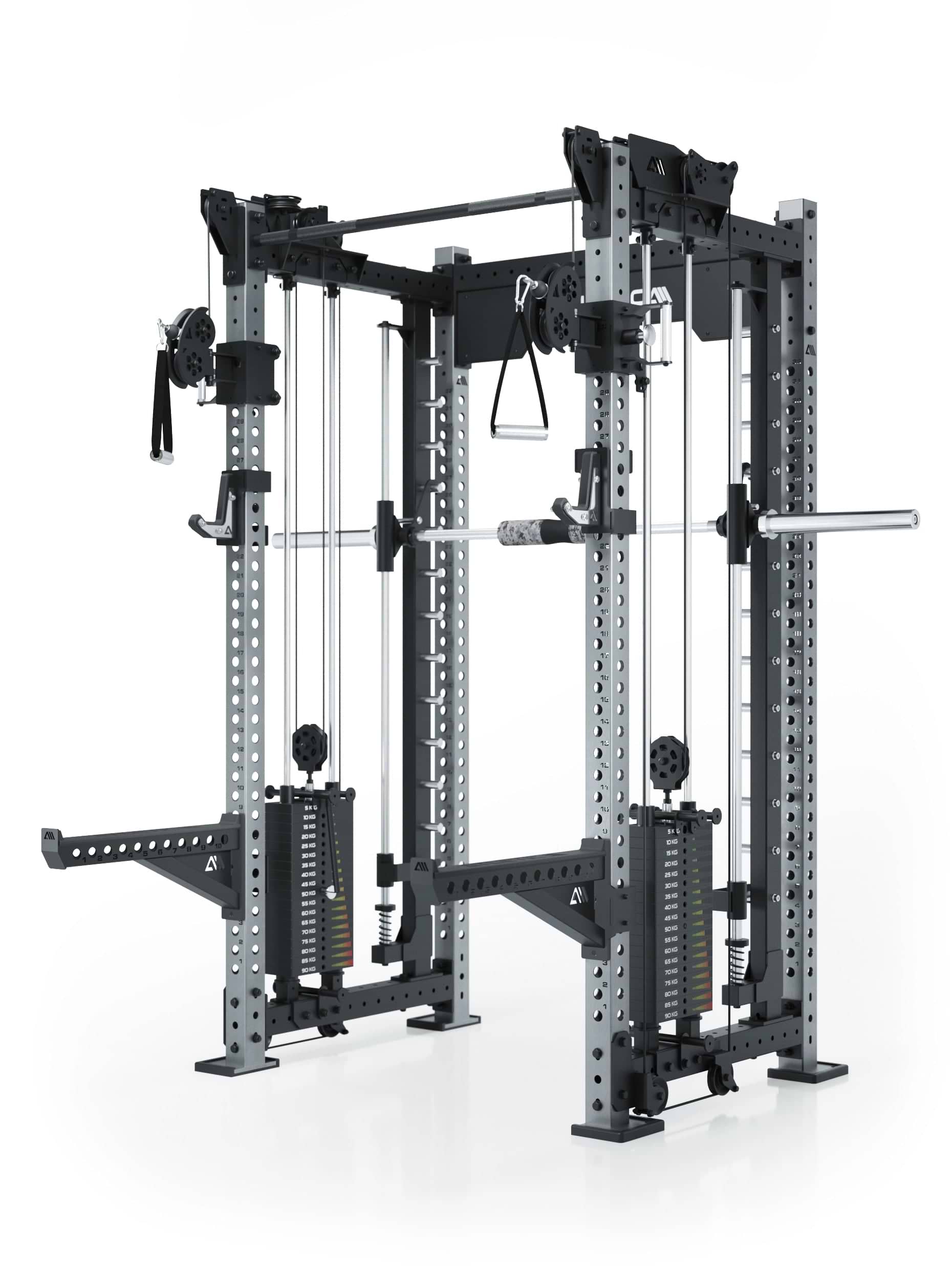
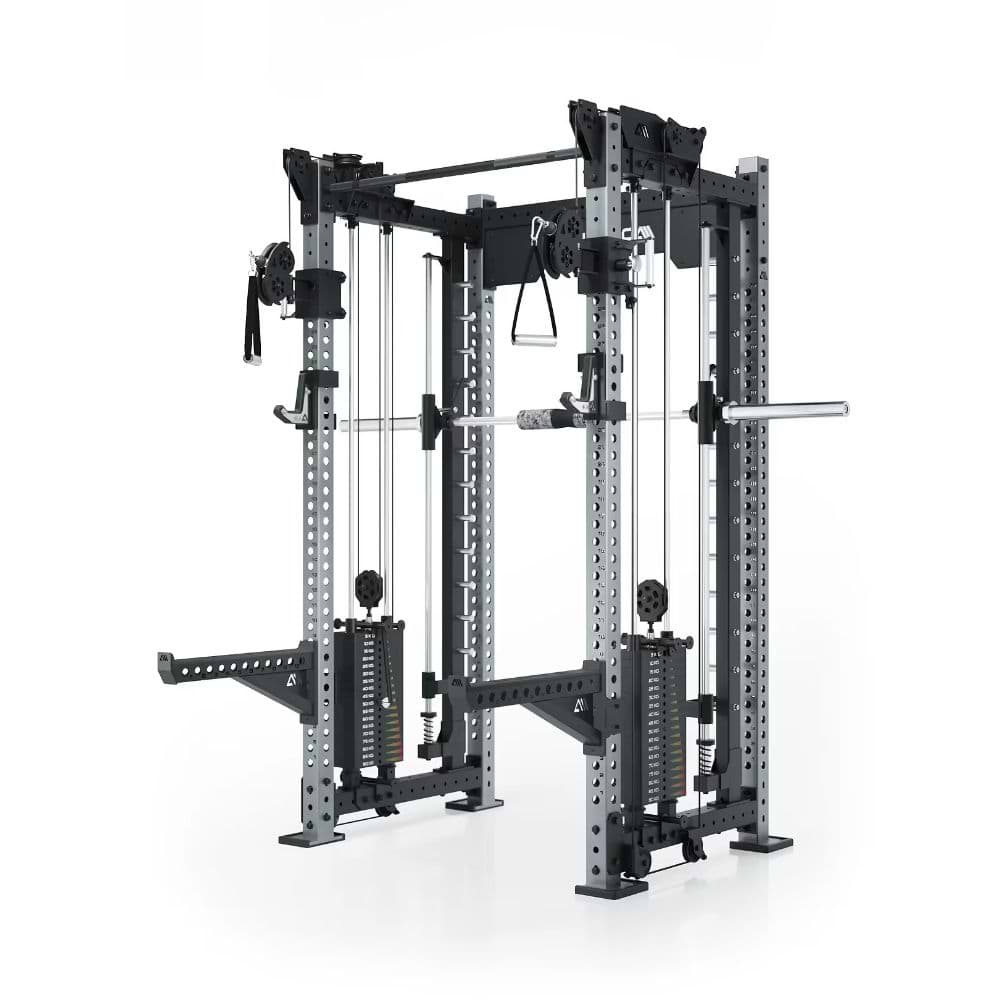
A Power Rack is a four-post training frame used primarily for safe barbell training.
Adjustable J-Hooks and Spotter Arms catch the bar, so you can train safely even without a training partner.
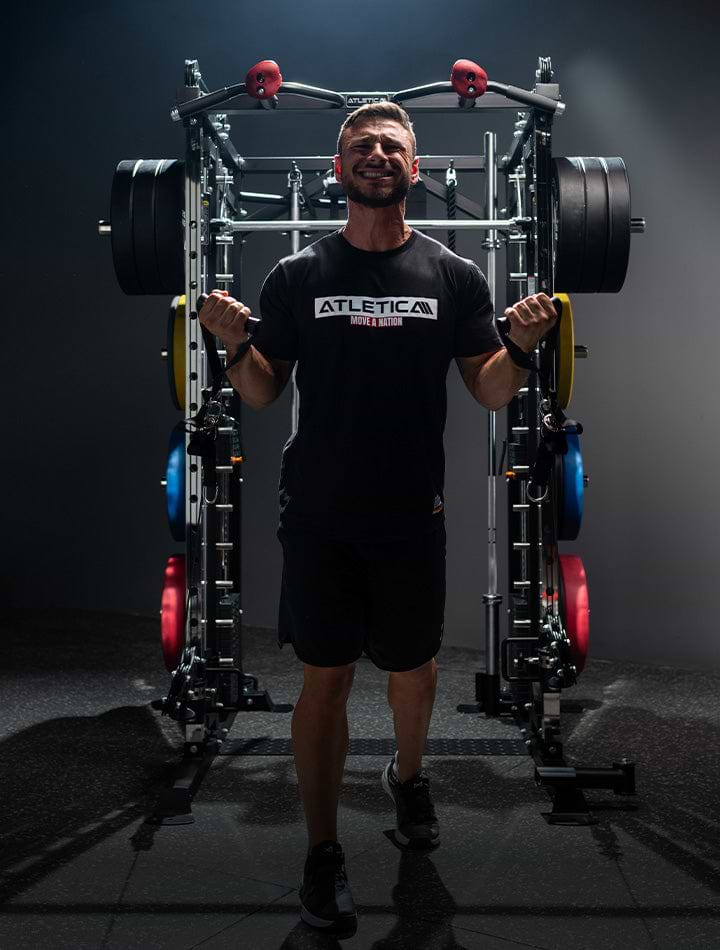
Every one of our Power Racks comes standard with a pull-up bar and can be expanded to suit you — for example with a lat pulldown and low row station or a Smith Machine.
That makes the Power Rack the centerpiece of your home or commercial gym.
2. What are the key features of the R8, R7 and R5 racks?
The different Power Rack series differ in stability, steel thickness, height and expandability:
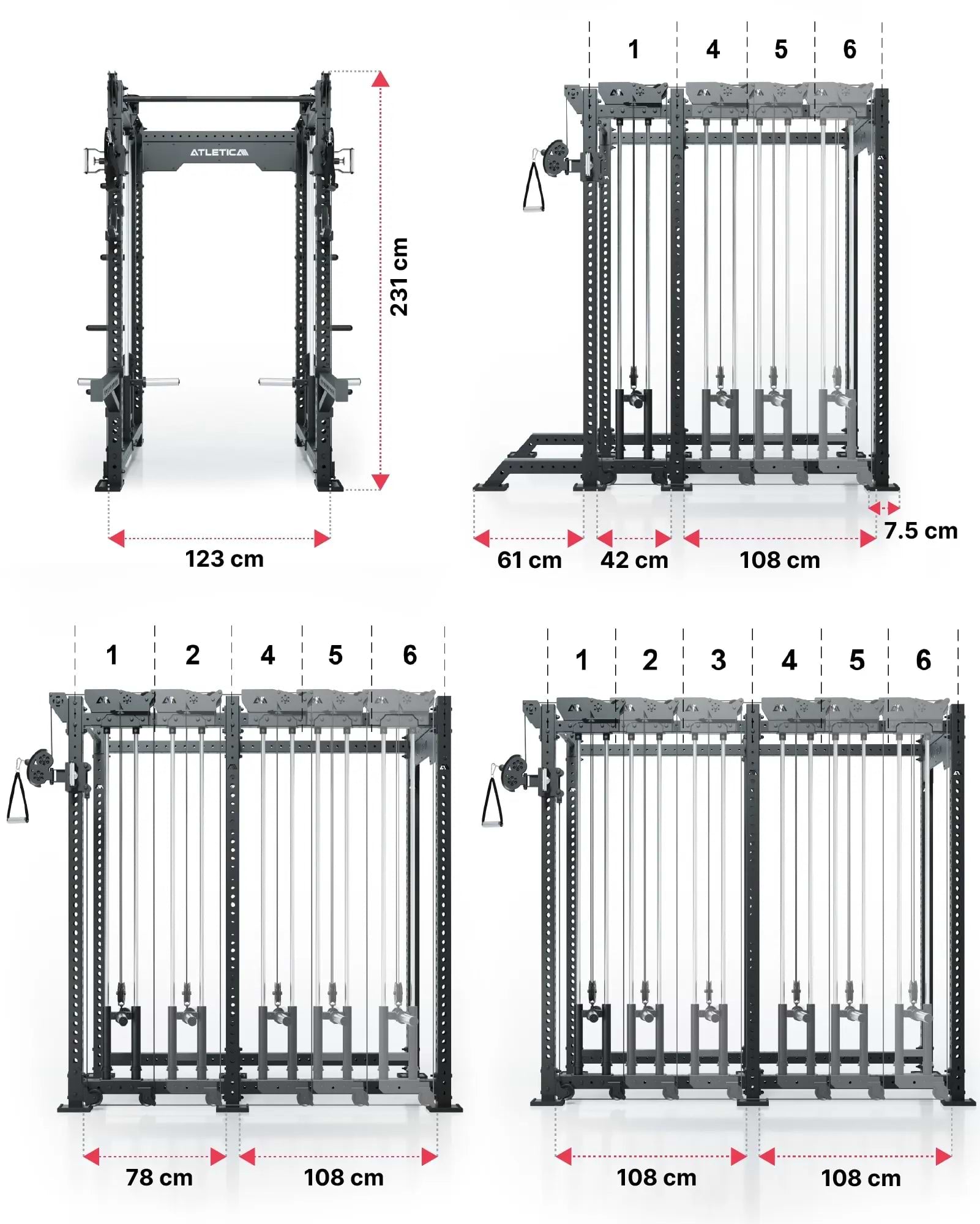
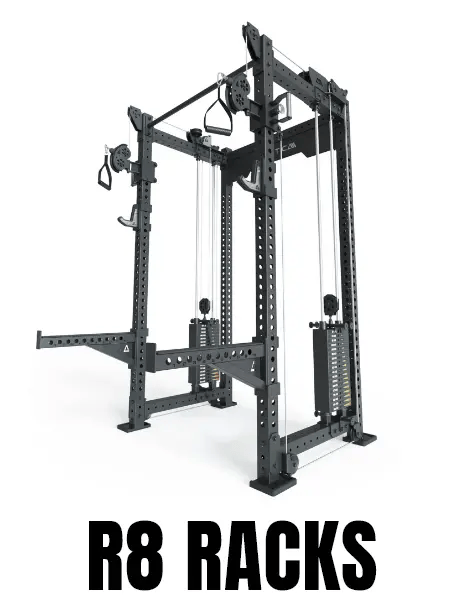
R8: Our premium rack with 7.5 x 7.5 cm uprights and 3 mm steel. It offers the most expansion options and is fully modular.
You also have the option of height-adjustable cable pulleys via the R8 Bradley system. Depending on the model, the height is between 226 and 231 cm.
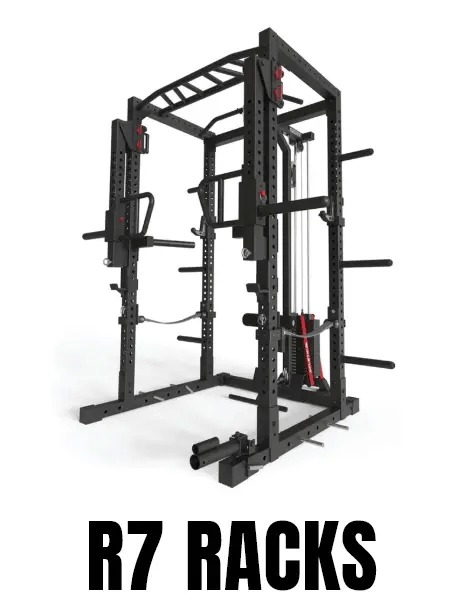
R7: Made from 7 x 7 cm uprights with 2 mm steel.
This rack comes in two heights (200 cm and 220 cm) and provides a solid base for versatile training.
R7 Squat Racks: Also 7 x 7 cm uprights and 2 mm steel, but designed as a 2-post rack.
These also come in two heights, so they adapt flexibly to your training space.
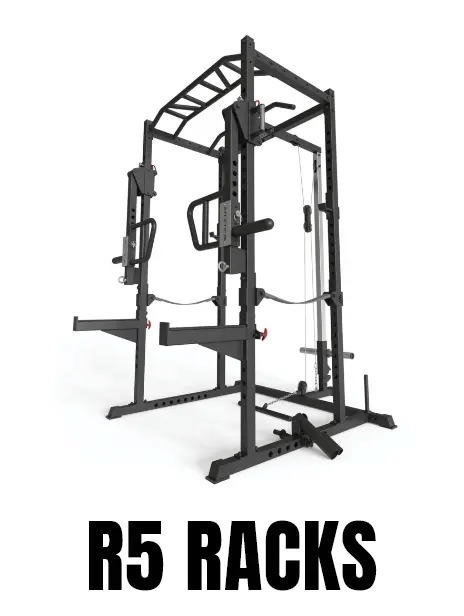
R5: The entry-level model with 5 x 5 cm uprights and 2 mm steel.
It's rated for up to 700 kg and offers a compact way to get started with rack training.
3. Are R8 and R7 compatible with each other?
No, attachments are only compatible within their own series.
Because of the different designs, R7 and R8 components can't be combined.
4. Can the Power Racks be upgraded later?
Yes, our Power Racks can be expanded later — how far depends on the series.
The R8 series offers the most expandability, with uprights, CrossBars and a huge range of attachments.
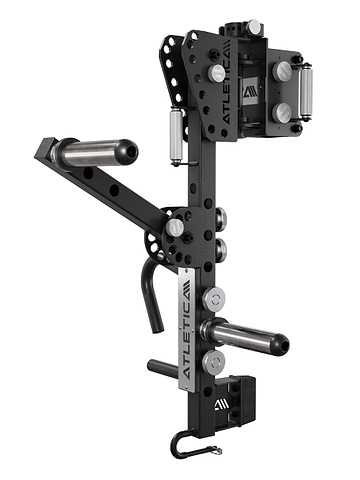
The R7 series supports upgrades like Jammer Arms, a Smith Machine, a lat pulldown and additional structural modules.
The R5 has more limited upgrade options, but still offers extras like Jammer Arms or a landmine.
5. How do you use Spotter Arms, and are they safe?
Spotter Arms hook onto the rack's vertical uprights.
Position them so they don't restrict your range of motion but still reliably catch the bar if you fail a rep.
Set up correctly, they let you train safely — especially in a home gym.
6. What are the benefits of training with a Smith Machine?
A Smith Machine guides the barbell along a fixed track for controlled, safe training.
It's especially good for beginners and for targeted muscle work, since the movement is stabilized.
Loading it with weight plates is also particularly convenient.
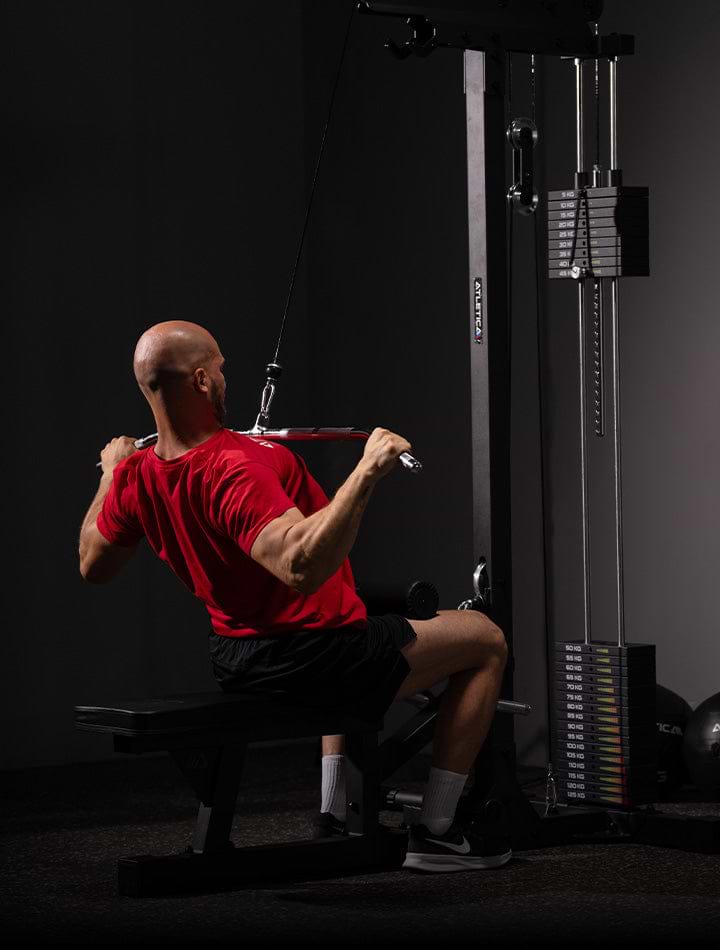
7. Can you only do lat pulldowns and rows with a lat pulldown and low row unit?
No, a lat pulldown and low row unit offers far more than that.
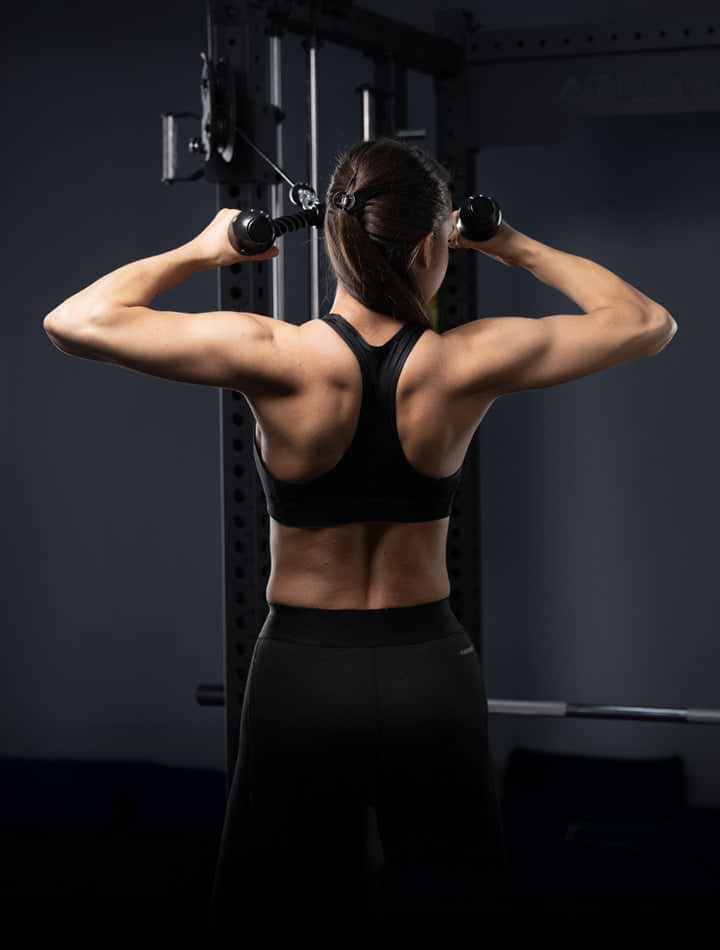
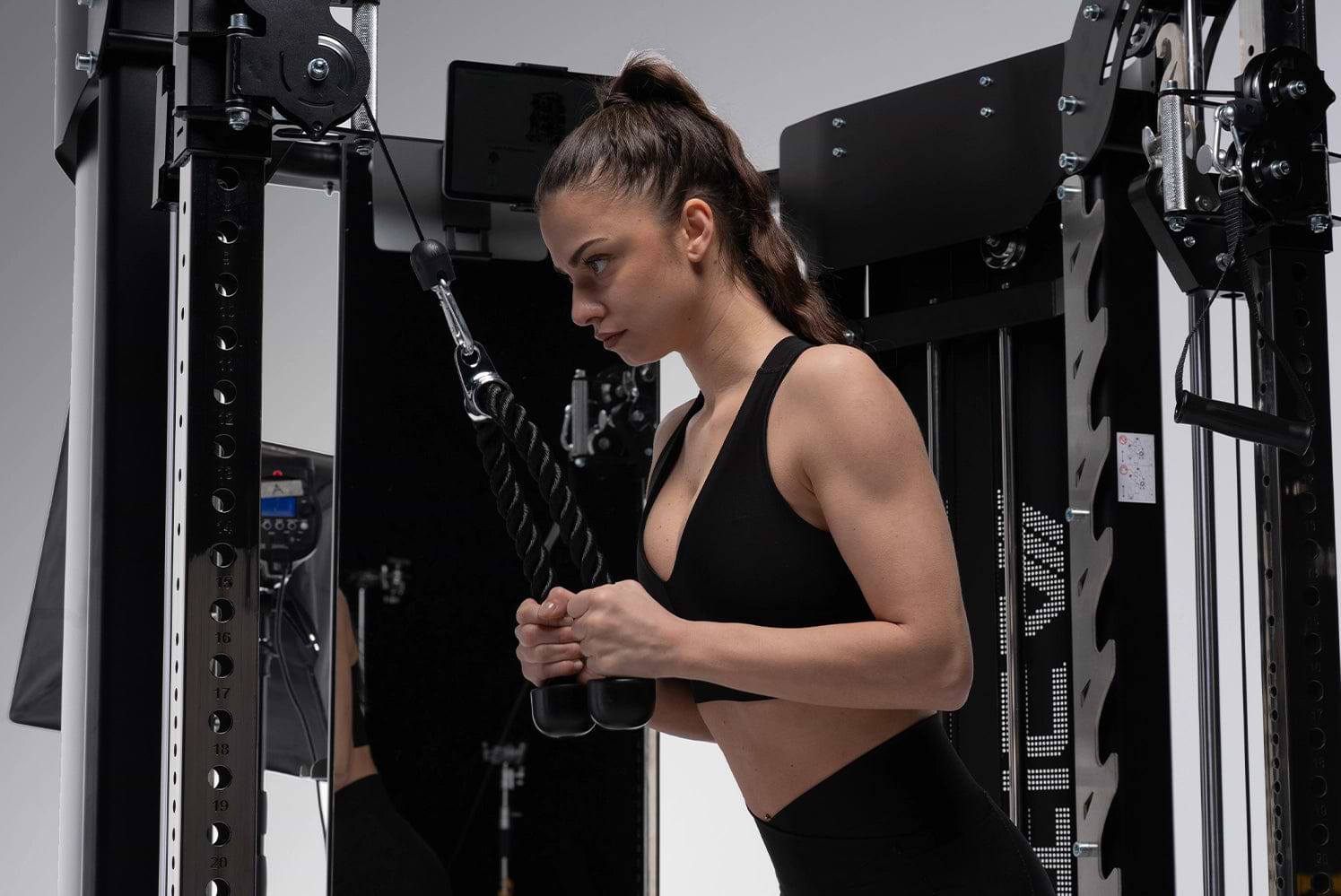
Alongside the classic exercises you can do biceps curls, triceps pushdowns, Face Pulls, lateral raises and much more.
With a range of cable attachments and accessories you can get a complete workout in.
8. Do you need gym flooring under the rack?
Our racks have plastic feet at the contact points to prevent scratches on your floor.
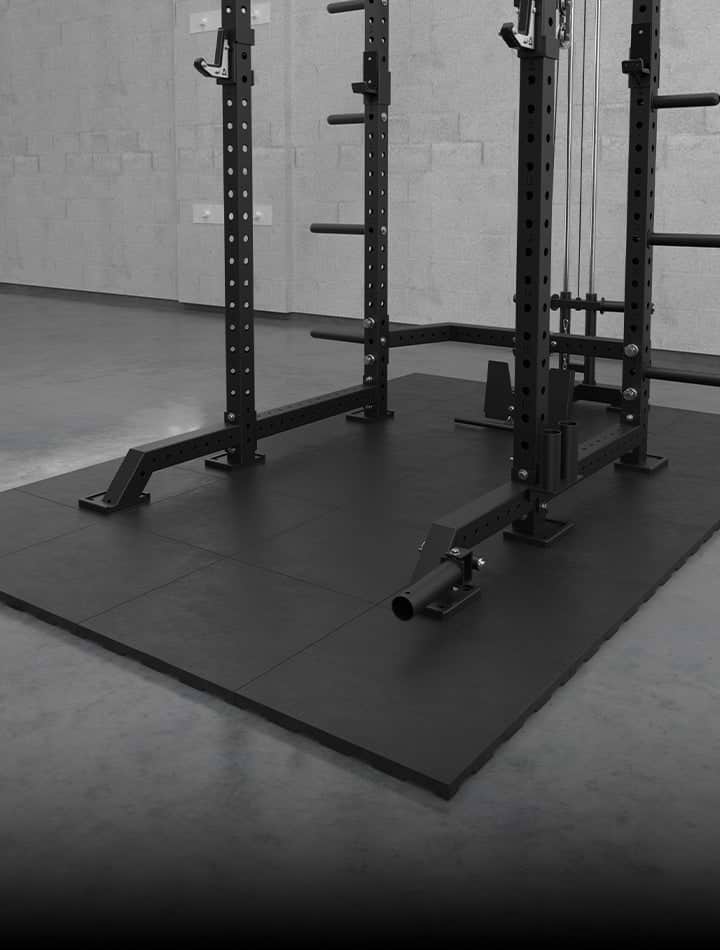
We still recommend investing in shock- and sound-absorbing gym flooring. It noticeably reduces training noise — especially important in apartment buildings — and reliably protects your floor from dropped equipment.
9. How much space does a Power Rack need in a home gym?
The space a Power Rack needs depends on the model and its height, width and depth.
Pay particular attention to ceiling height and your training area before buying.
10. Who is a Power Rack suitable for?
A Power Rack is right for beginners, intermediate and advanced lifters who want to train safely with free weights.
Thanks to its expandability, it can be tailored to any training goal.