













In a fitness world increasingly dominated by mass production and discount shopping, many customers are looking for the opposite: quality , individuality, and experience. This is precisely where the boutique gym comes in – an exclusive, highly personalized fitness concept that impresses with its design, atmosphere , and personal support. For operators, a boutique gym is more than just a studio: It's a brand, an experience space, and a powerful business model.
In this article, we show how a boutique gym is created — from conception and design to equipment — and why choosing the right equipment is crucial. We also address economic considerations, legal frameworks, and the influence of digital tools.
What characterizes a boutique gym?
Boutique gyms are the antithesis of anonymous large studios. They focus on:
- Personal support : Small group training or 1:1 coaching is standard.
- Clear concept : Whether HIIT, yoga, cycling or functional training – every studio has a clear focus.
- Design & atmosphere : High-quality materials, a sophisticated lighting concept and modern branding create an experience.
- Member selection : Many studios work with limited numbers of participants – exclusivity creates demand.
Boutique gyms often target a wealthy target group that values lifestyle, effectiveness , and aesthetics . They combine exercise, wellness, and social connection in a small space – often complemented by exclusive extras such as smoothie bars, infrared cabins, or spa zones.
The right location
Location is crucial. Ideal locations are:
- urban centers with high purchasing power
- Office district with after-work potential
- upscale residential areas
- Hotel complexes or mixed-use buildings
Good accessibility, visibility, and, if necessary, parking options are important. The surrounding area should also match the high-quality brand image. Proximity to cooperation partners such as physiotherapy practices, cafes , or fashion boutiques can also be advantageous.
The concept: positioning & target group
A boutique gym only works with a clear concept. Questions that operators should answer early on:
- Which training method is the focus?
- Which target group am I addressing (age, lifestyle, income)?
- What pricing structure is appropriate?
- How do I stand out from the competition?
A coherent concept runs through all areas – from the name to social media to interior design. Additional services such as nutritional advice, rehabilitation programs, or digital coaching can also contribute to differentiation.
Design & room concept
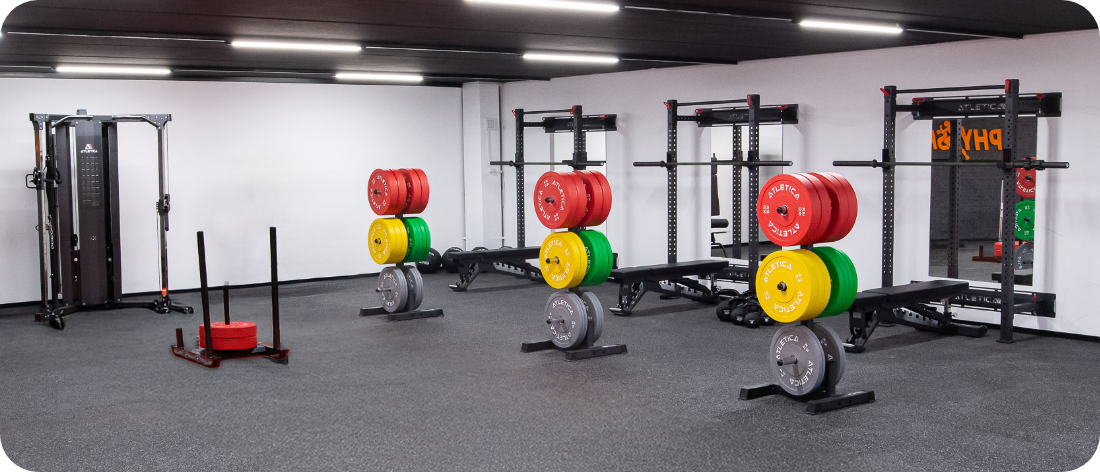
A boutique gym is an experiential space. Therefore, design, lighting, materials, and room layout are essential. Elements such as acoustic ceilings, designer floors , customized lockers, high-quality showers, and lounge areas make all the difference.
Even smaller spaces can be designed with high quality. Important: a clear style, a common theme, and a good balance between functionality and aesthetics . The training room should be modular, e.g., with a modular layout. B. through movable elements or flexible lighting for different course formats.
The right equipment for a boutique gym
The choice of equipment should be perfectly tailored to the concept. The following criteria apply:
- Design : Visually appealing devices in elegant colors and clear shapes.
- Functionality : Compact equipment with a wide range of exercises and intuitive operation.
- Durability : Robust workmanship and high-quality materials.
- Ease of maintenance : Fast support, easy cleaning and modular design.
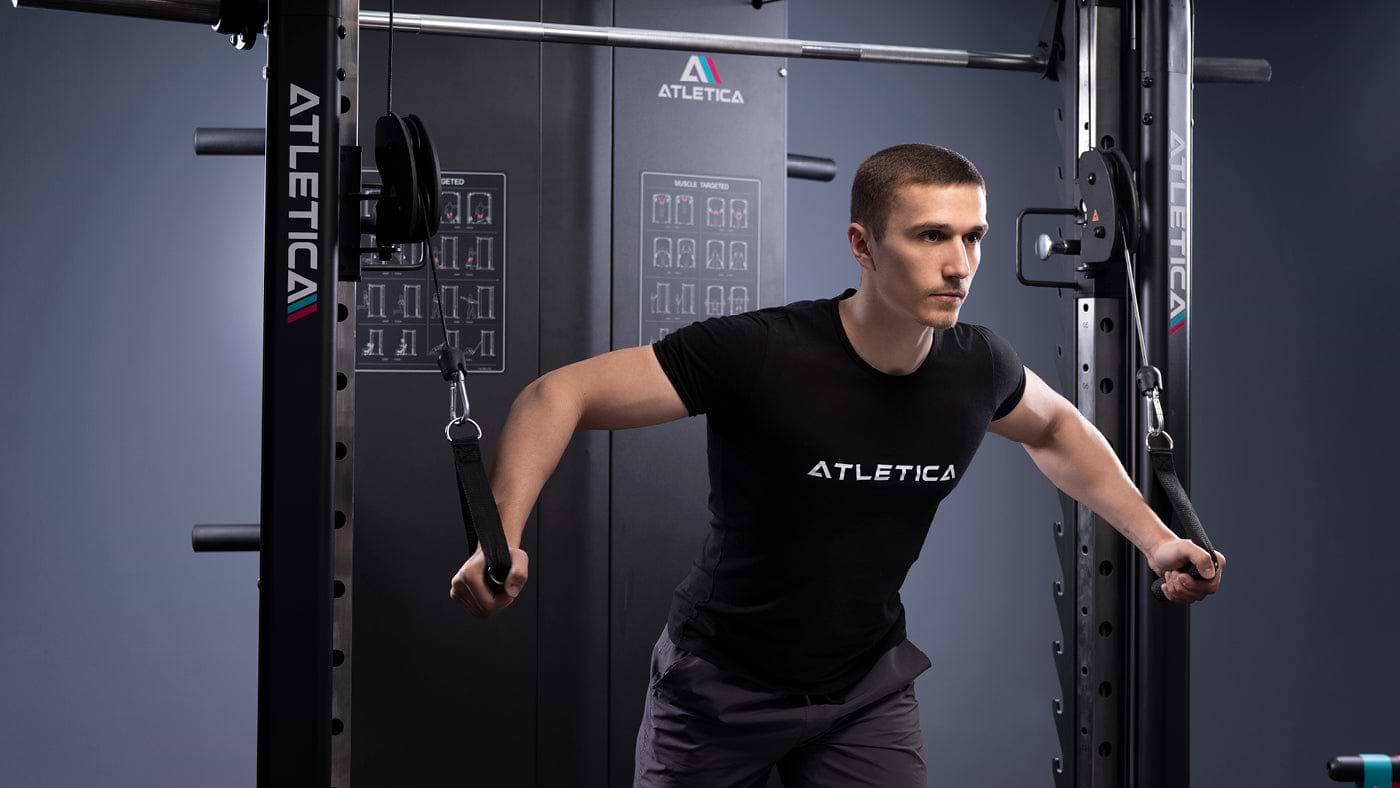
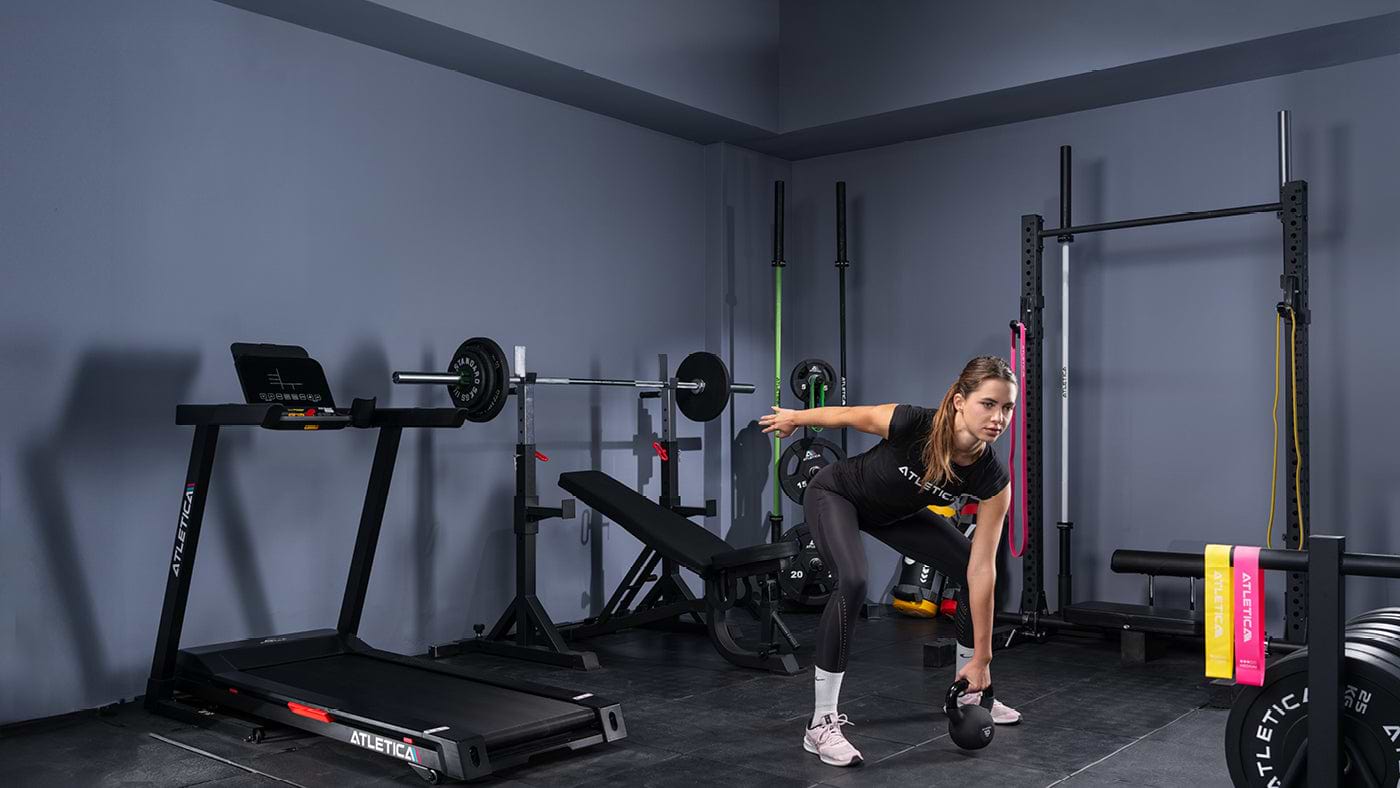
Equipment for a boutique gym can include: B. be:
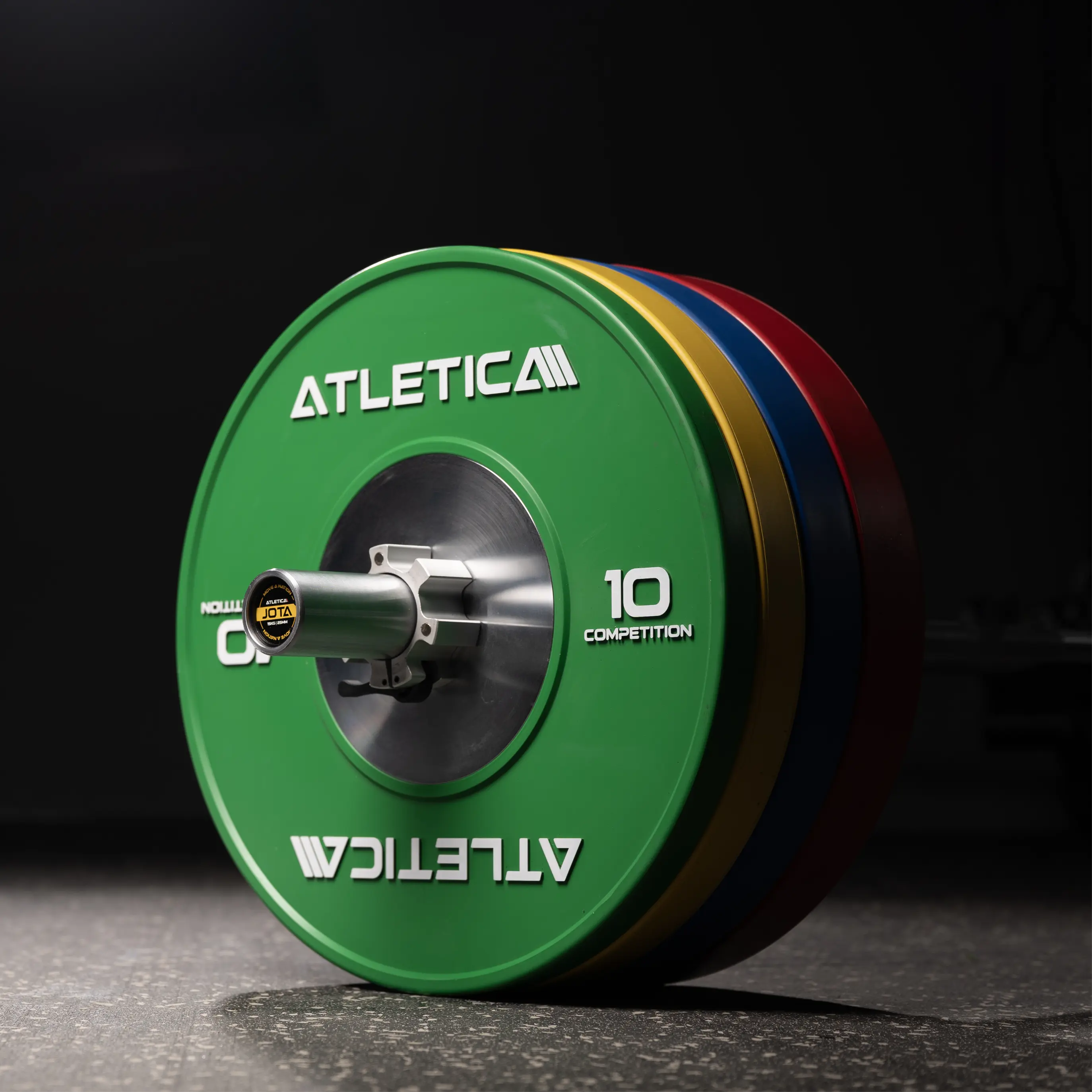
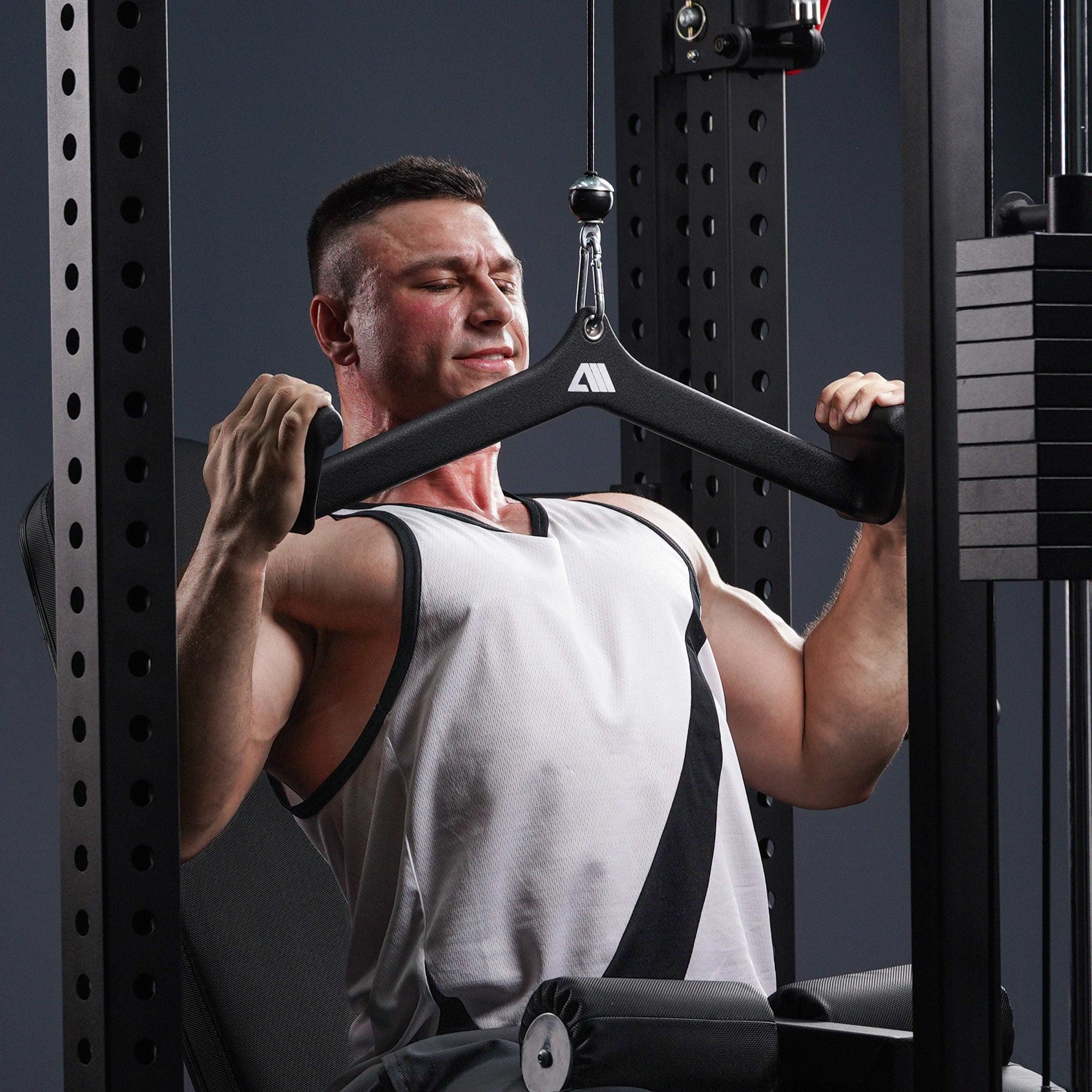
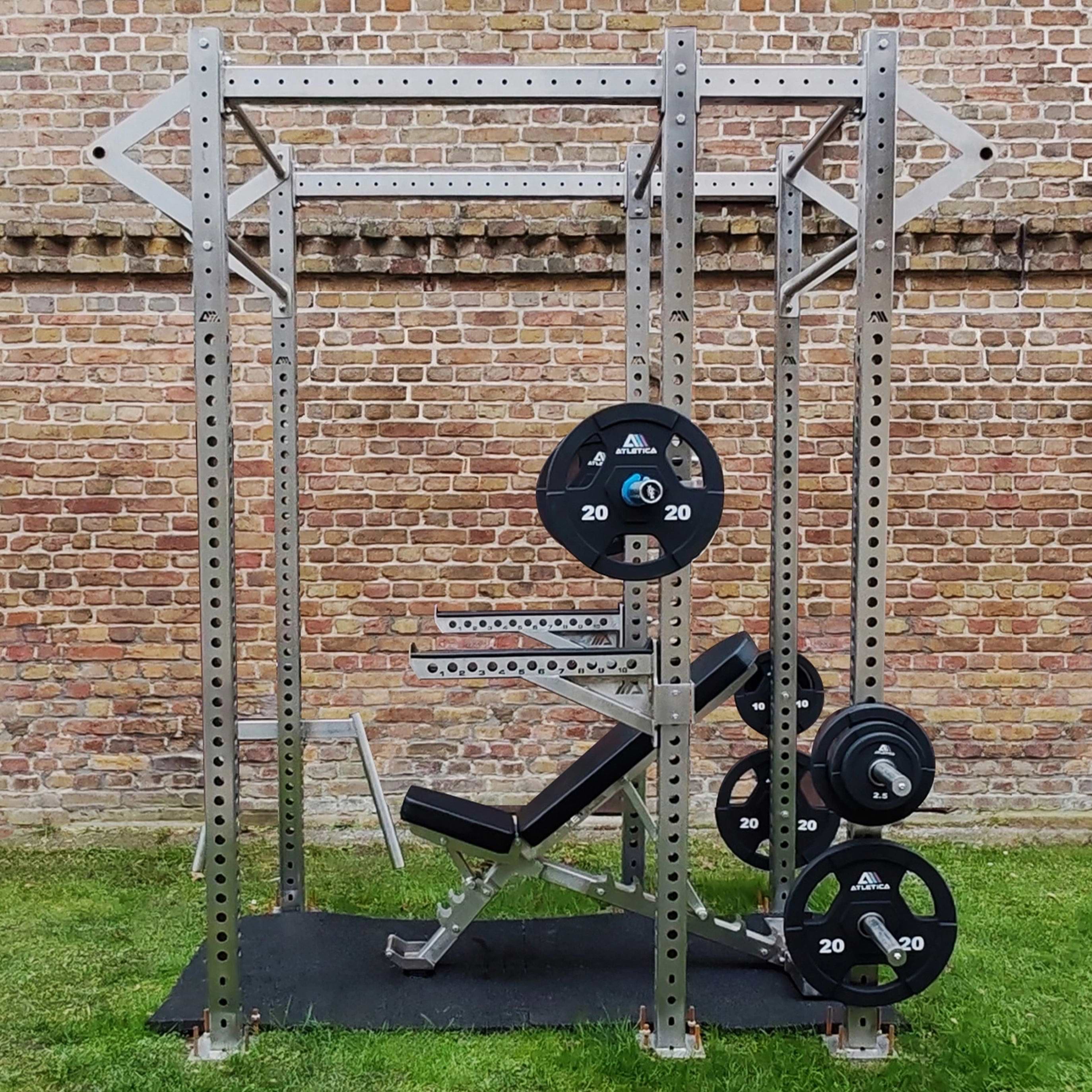
- Free weight area with high-quality dumbbells , weight racks and barbells
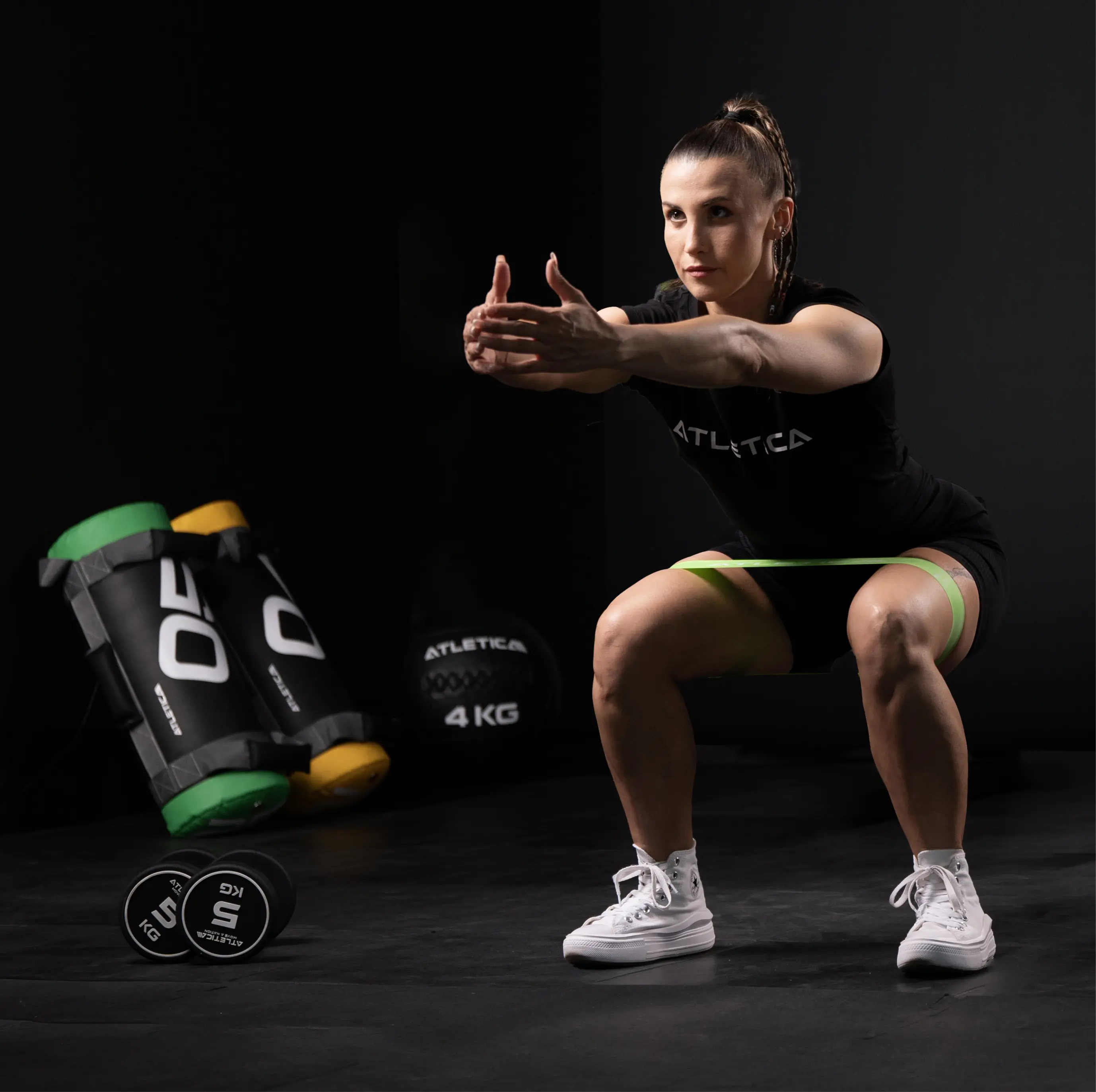
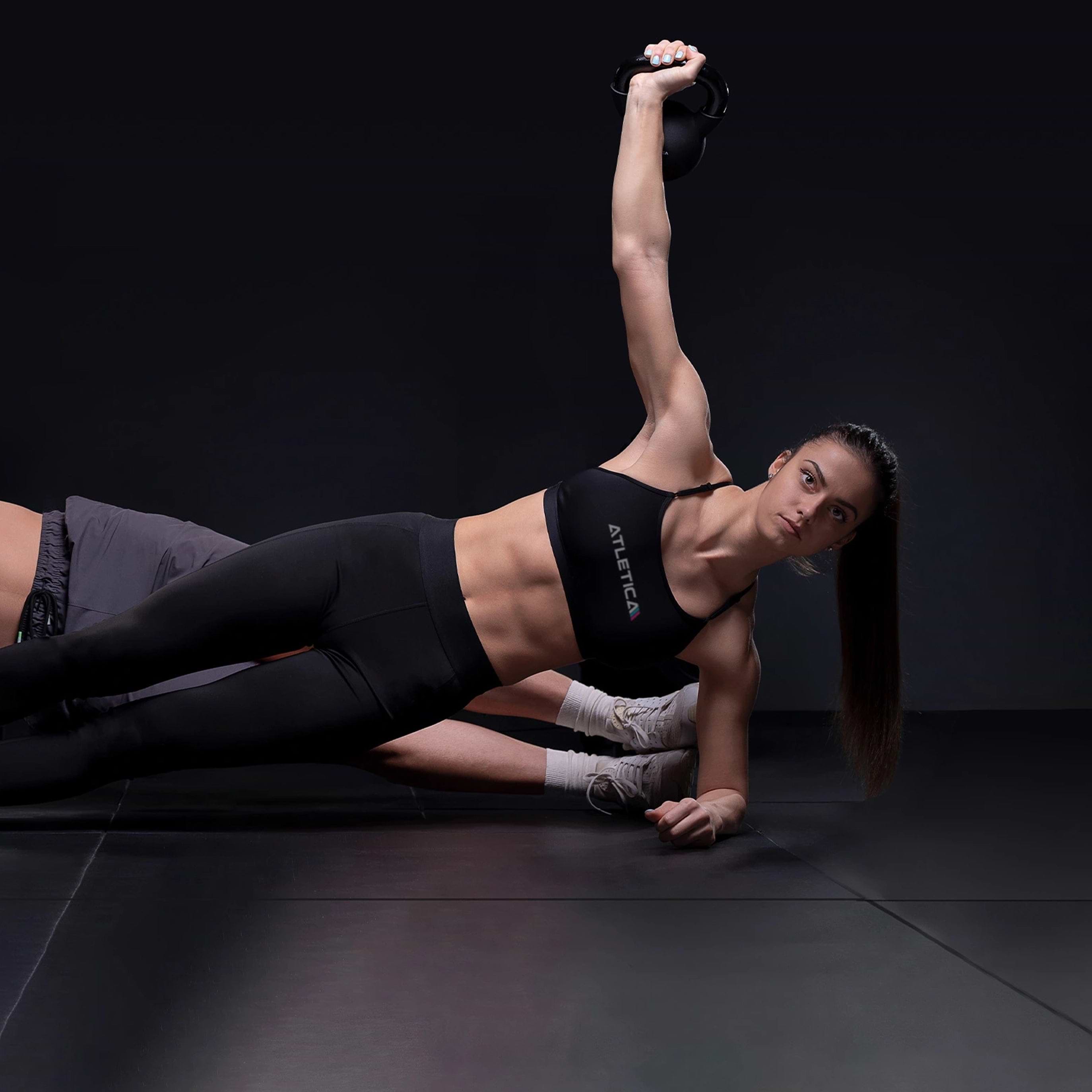
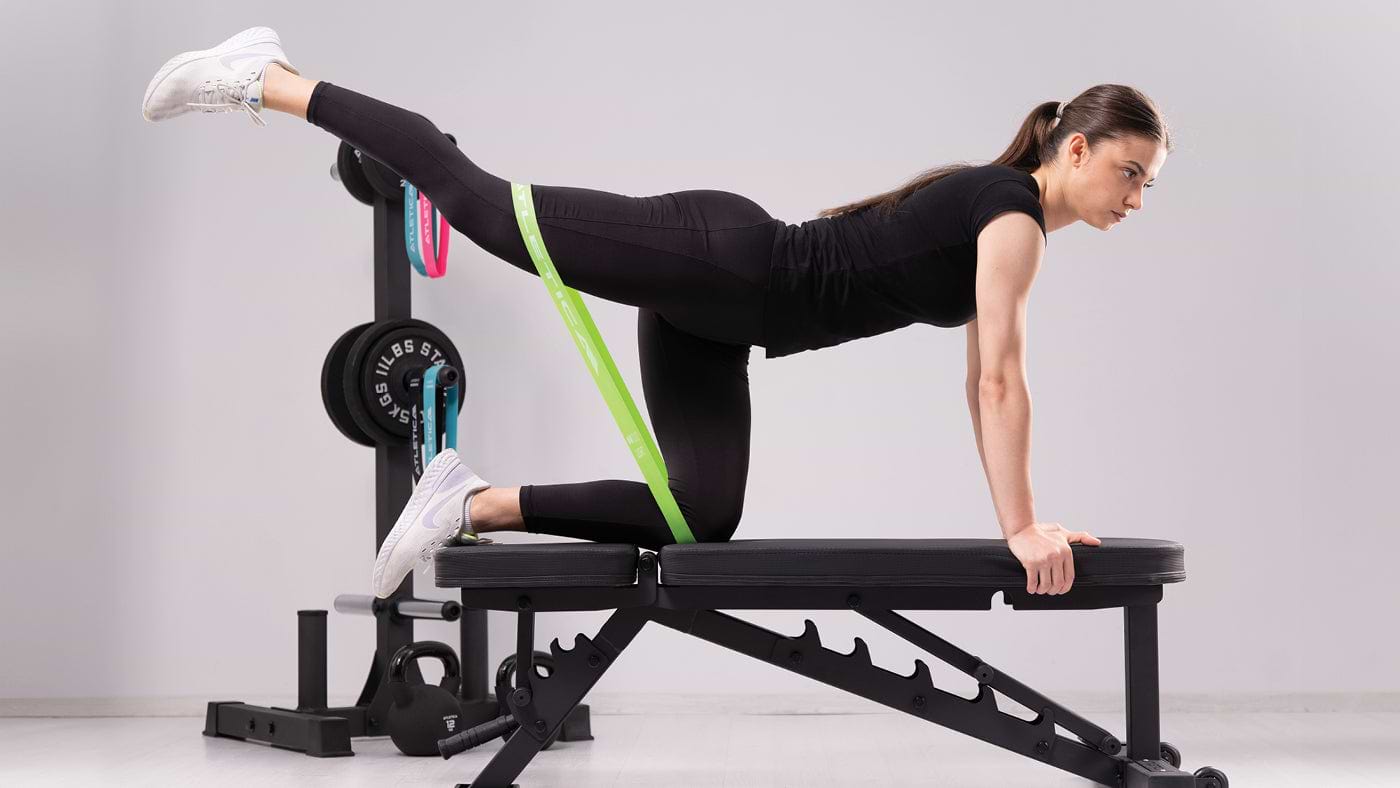
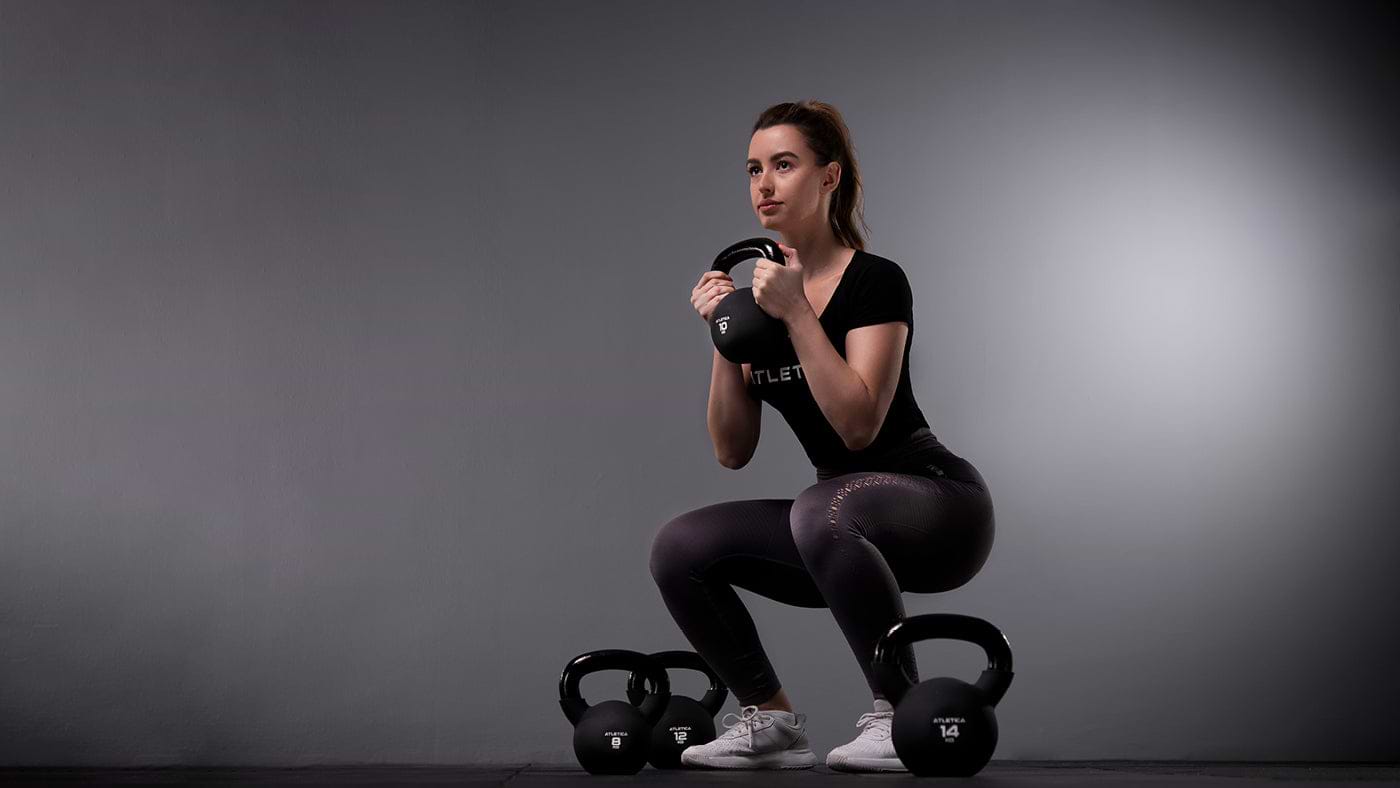
- Functional training zone with sleds, plyoboxes , bands , battle ropes and kettlebells
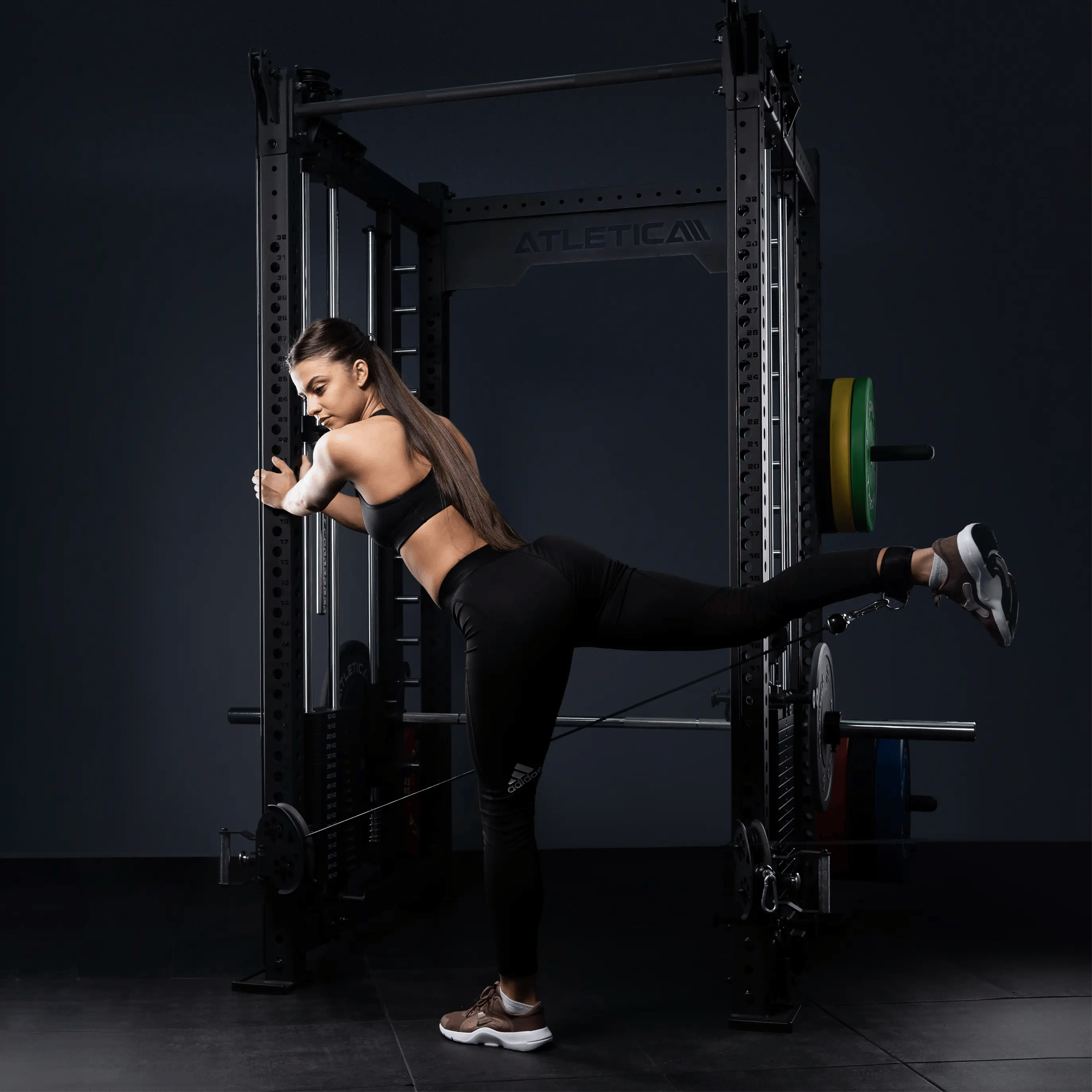
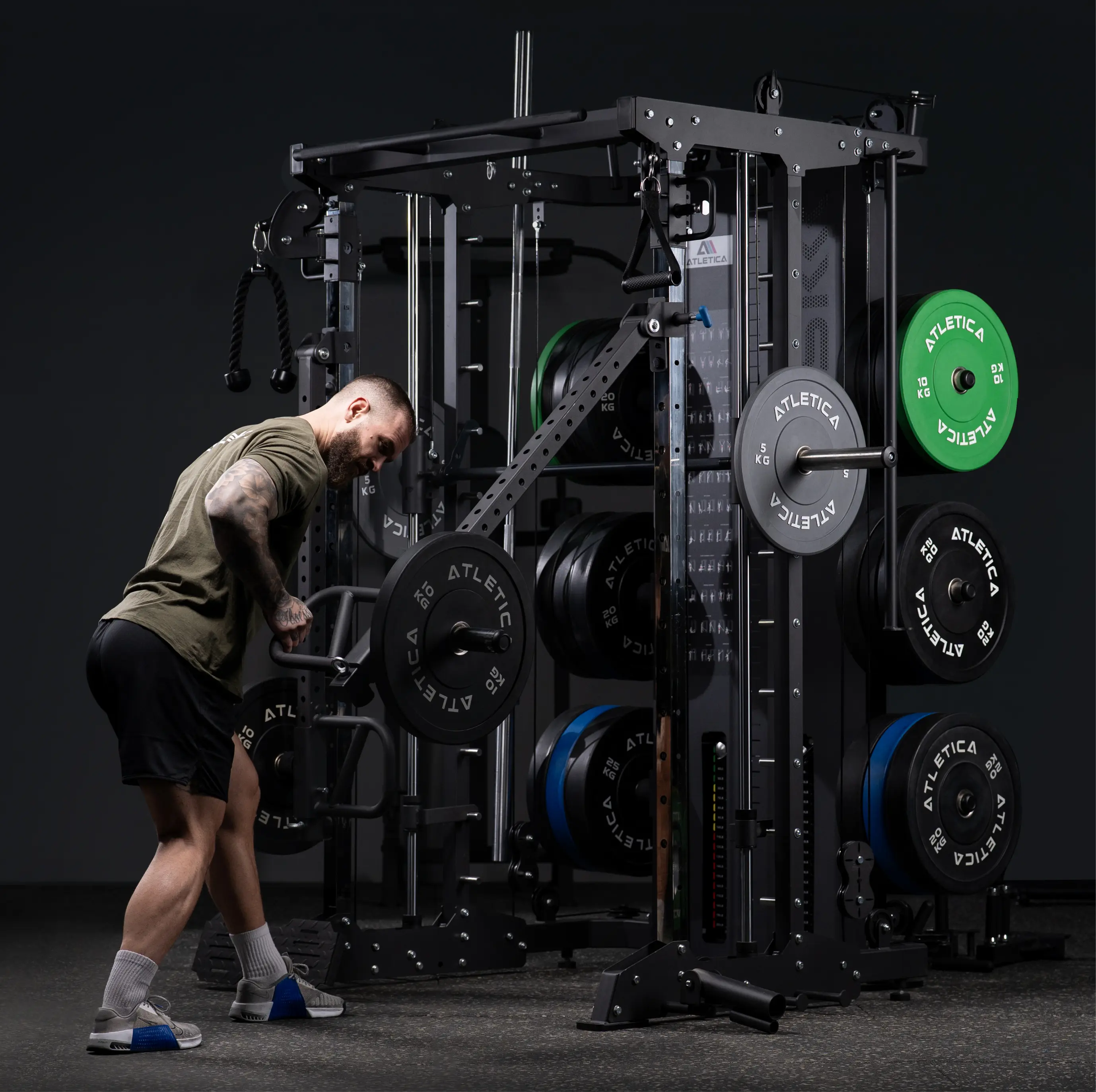
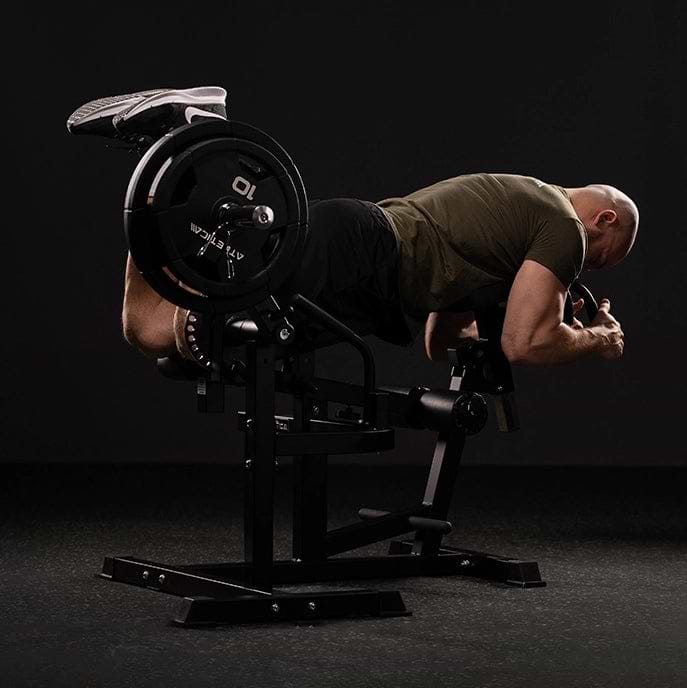
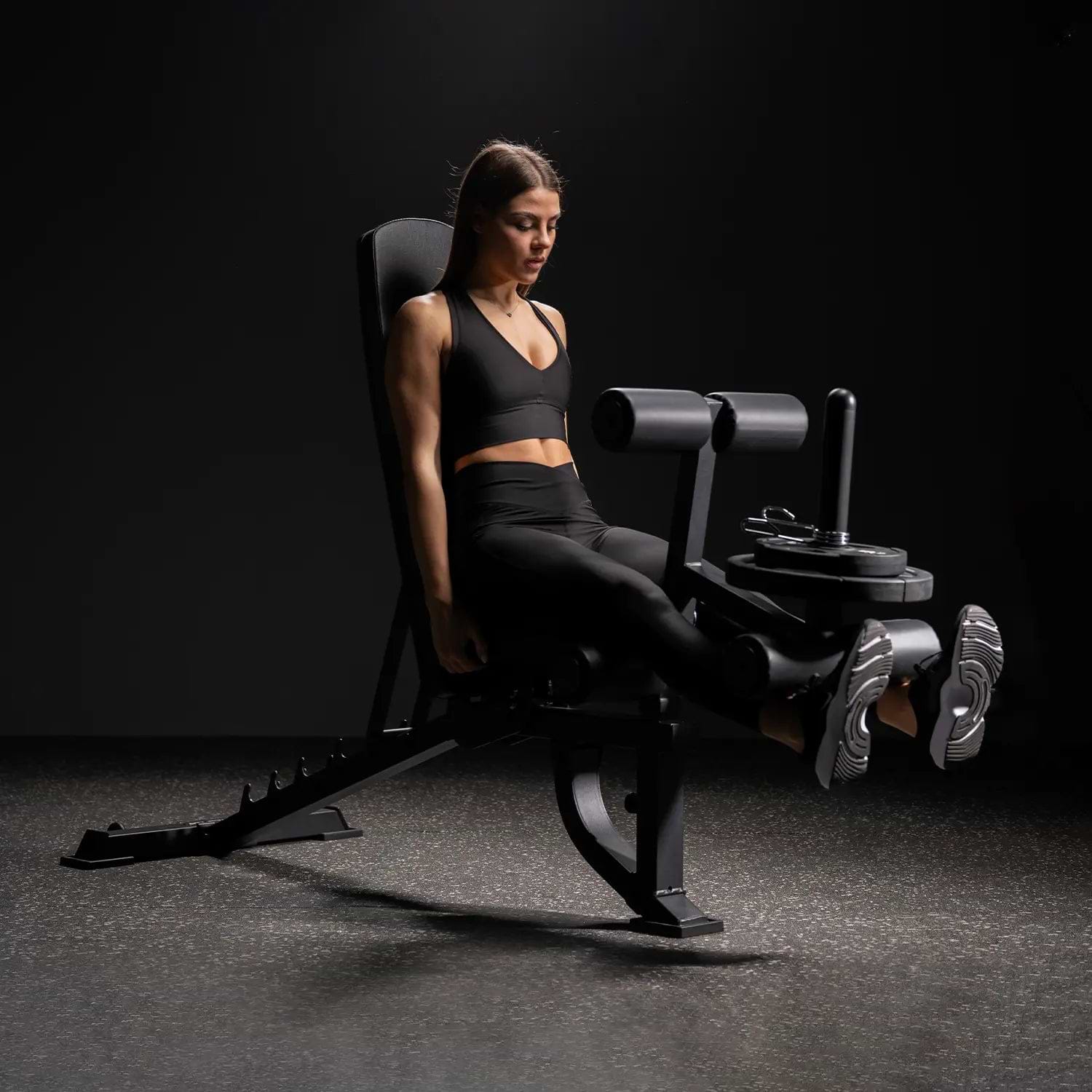
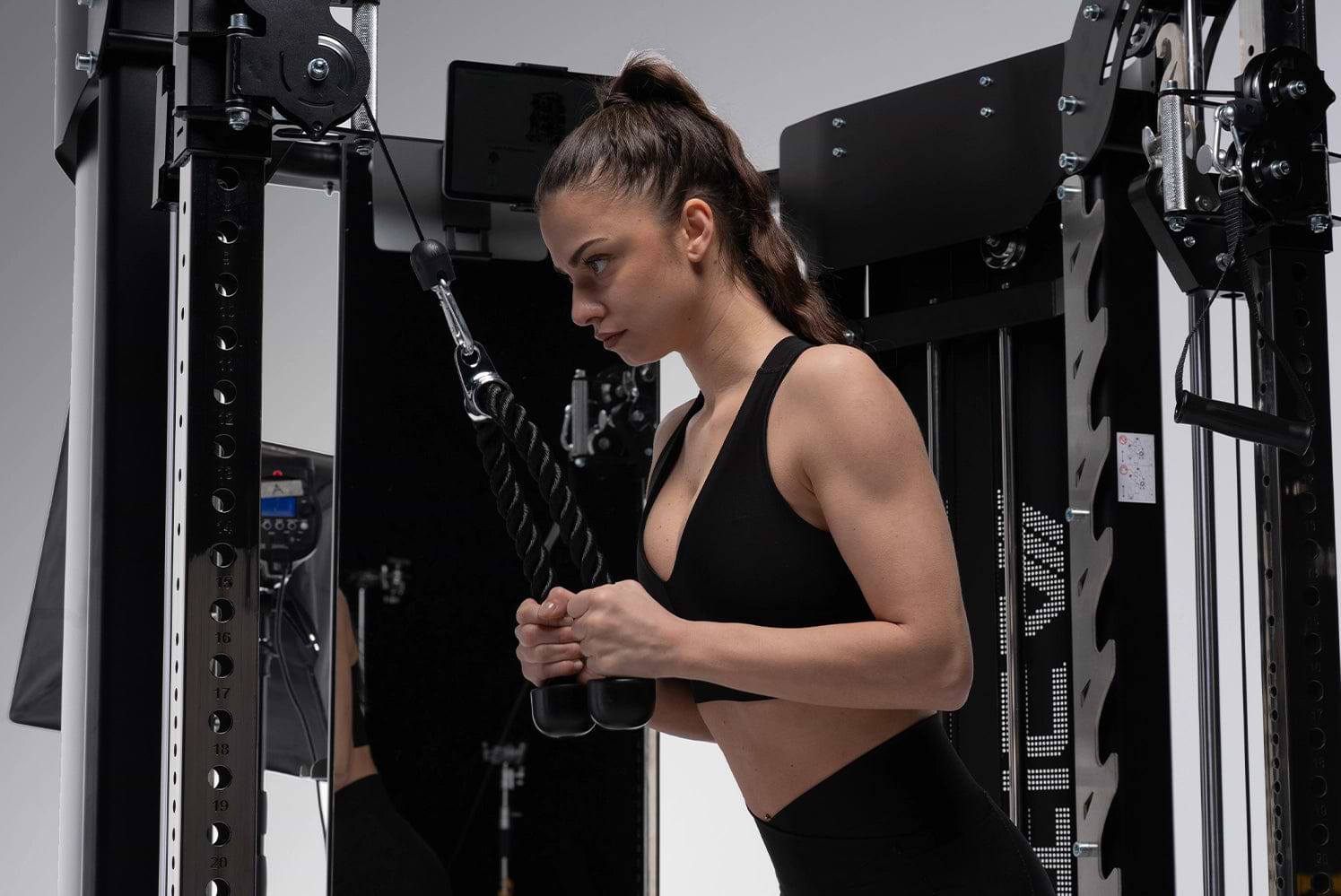
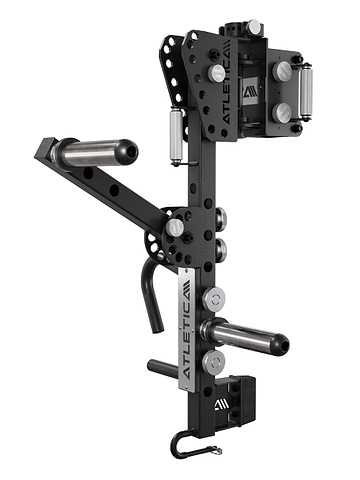
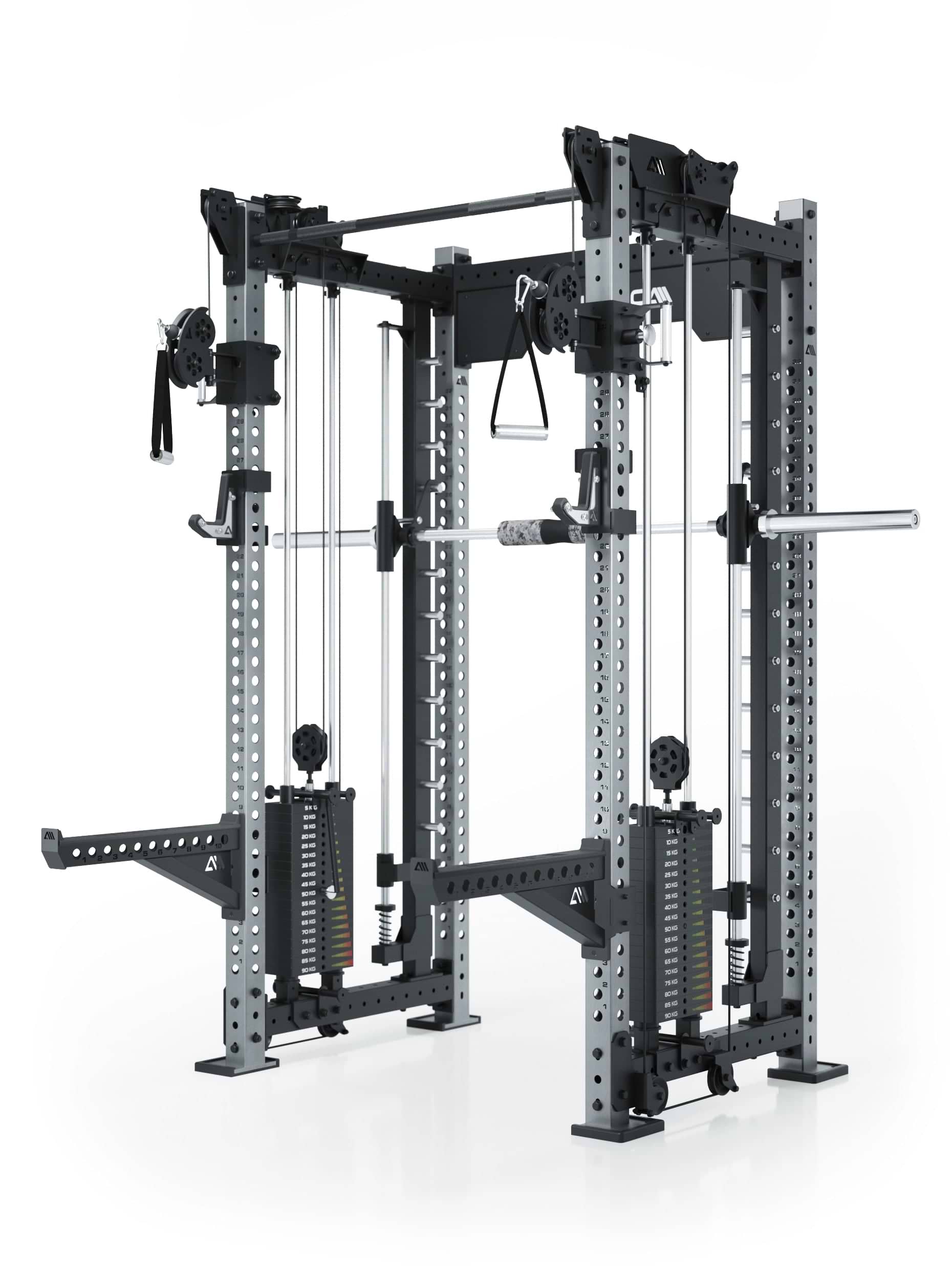
- Strength training equipment with an elegant, space-saving design
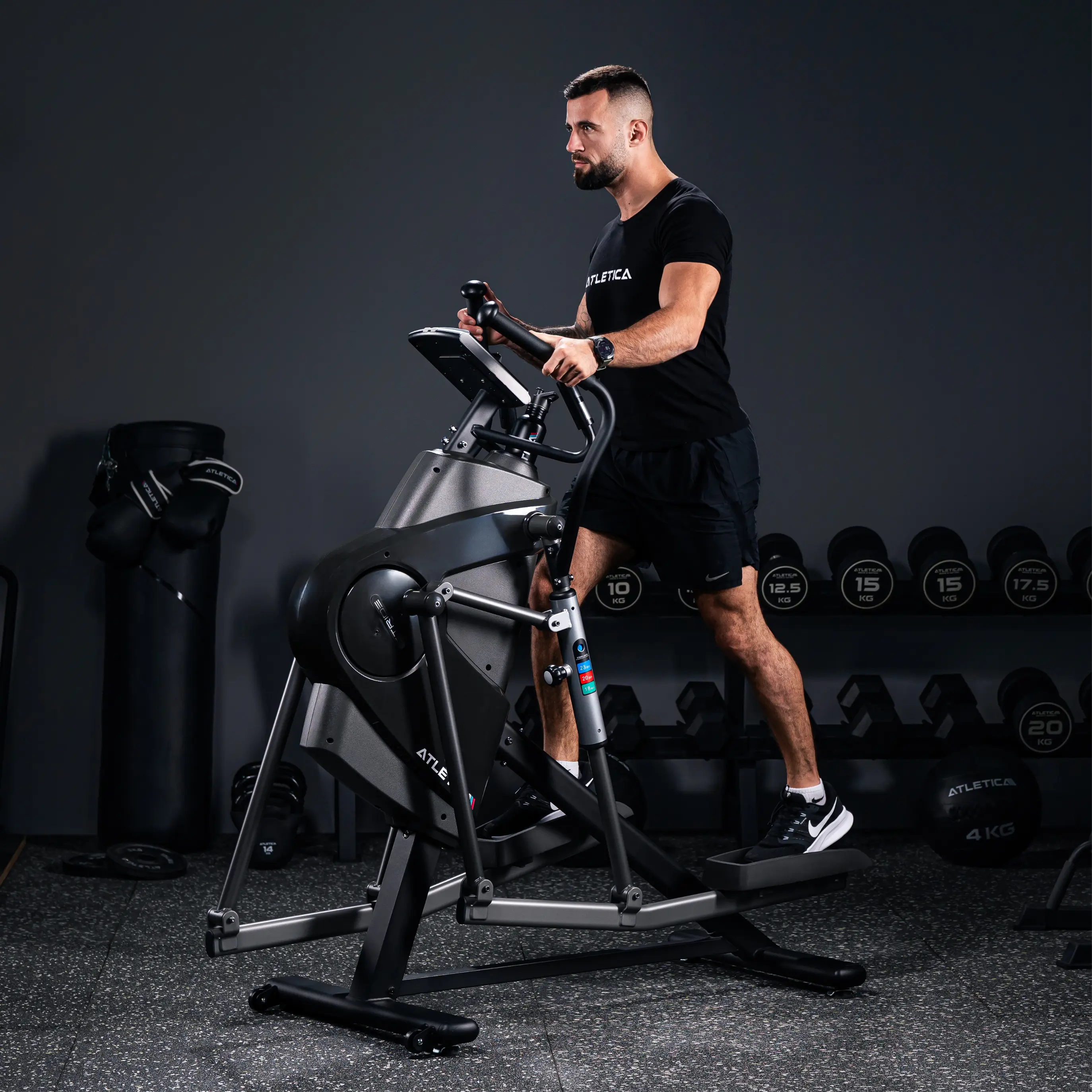
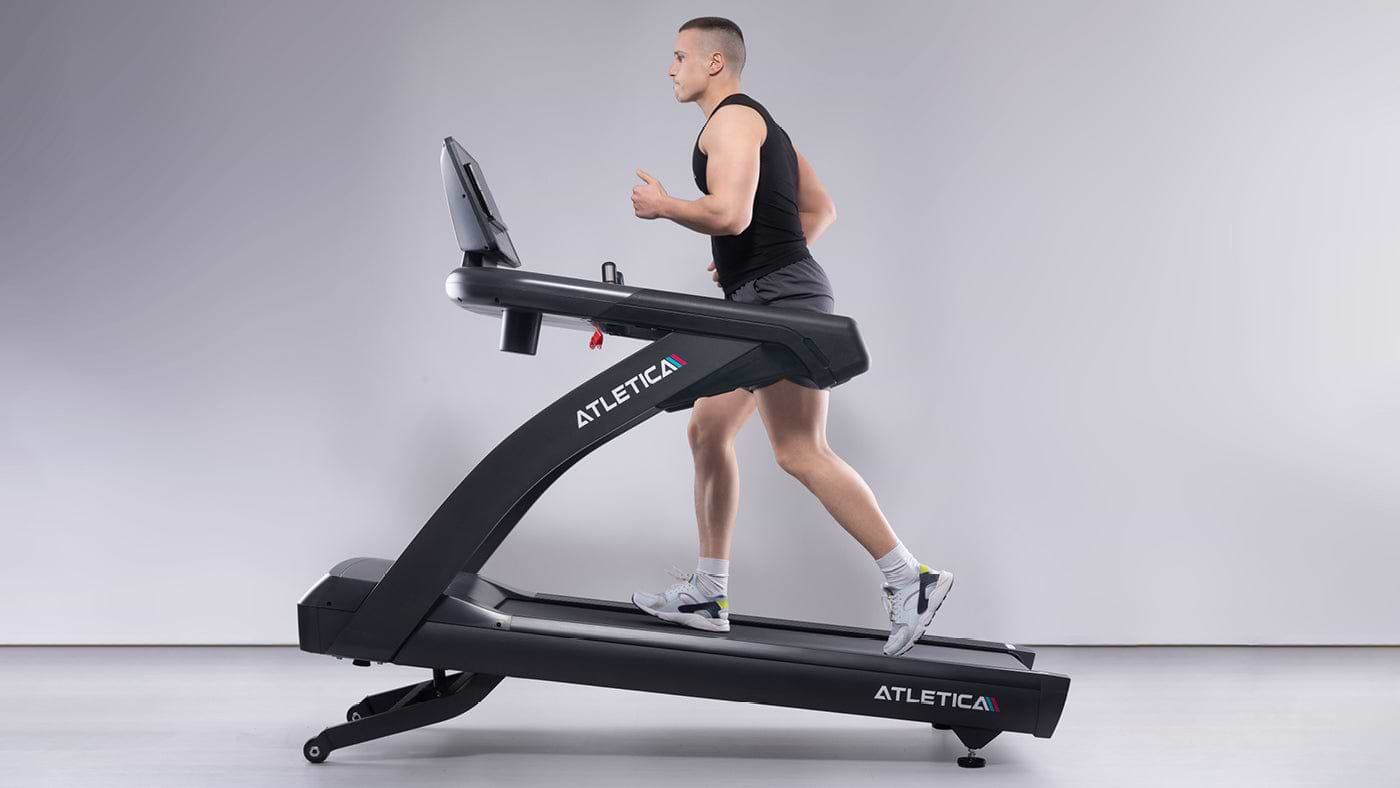
- Cardio equipment such as treadmills , bikes or rowing machines with minimal noise level and stylish appearance
- Mobility tools such as fascia rolls, mats and trigger balls
Staff & Support
A boutique gym thrives on people. Trainers are not just professionals , but also brand ambassadors. Therefore, it's important:
- Selection of qualified coaches with personality
- A uniform onboarding and training approach
- Regular training and style guidelines
The goal : A team that combines expertise, service-mindedness, and a sense of lifestyle. Soft skills such as empathy, language, and customer loyalty are also crucial.
Pricing & Membership Models
Boutique gyms usually rely on exclusive membership models:
- Monthly fees with a limited number of places
- 10-ticket cards or flexible packages for busy people
- Additional services such as personal training or nutritional advice
- Digital booking via app, access via QR code or chip

Important : The price must match the experience – and be communicated transparently. Early bird offers or exclusive opening packages create incentives.
Marketing & Community
A boutique gym thrives on its community. Therefore, building a brand world should be a priority:
- Storytelling via social media
- stylish imagery and strong brand identity
- Events, challenges and ambassador programs
- targeted recommendation marketing and online reviews
In addition, collaborations with local brands, influencers, or doctors are a good opportunity for networking. Corporate offers for business customers (e.g. B. team events, after-work training) can open up new target groups .
Economic efficiency & legal aspects
Even an exclusive concept must be economically viable . Therefore, calculate early :
- Investment costs for equipment , conversion and design
- monthly fixed costs (personnel, rent, marketing)
- Break-even point and reserve planning
In addition, legal requirements must be observed: data protection (e.g. e.g., video surveillance ), hygiene regulations, insurance, and contracts with coaches and clients. Legal advice is recommended.
Digitalization & Technology
Technology also plays a central role in boutique gyms:
- Booking and management systems
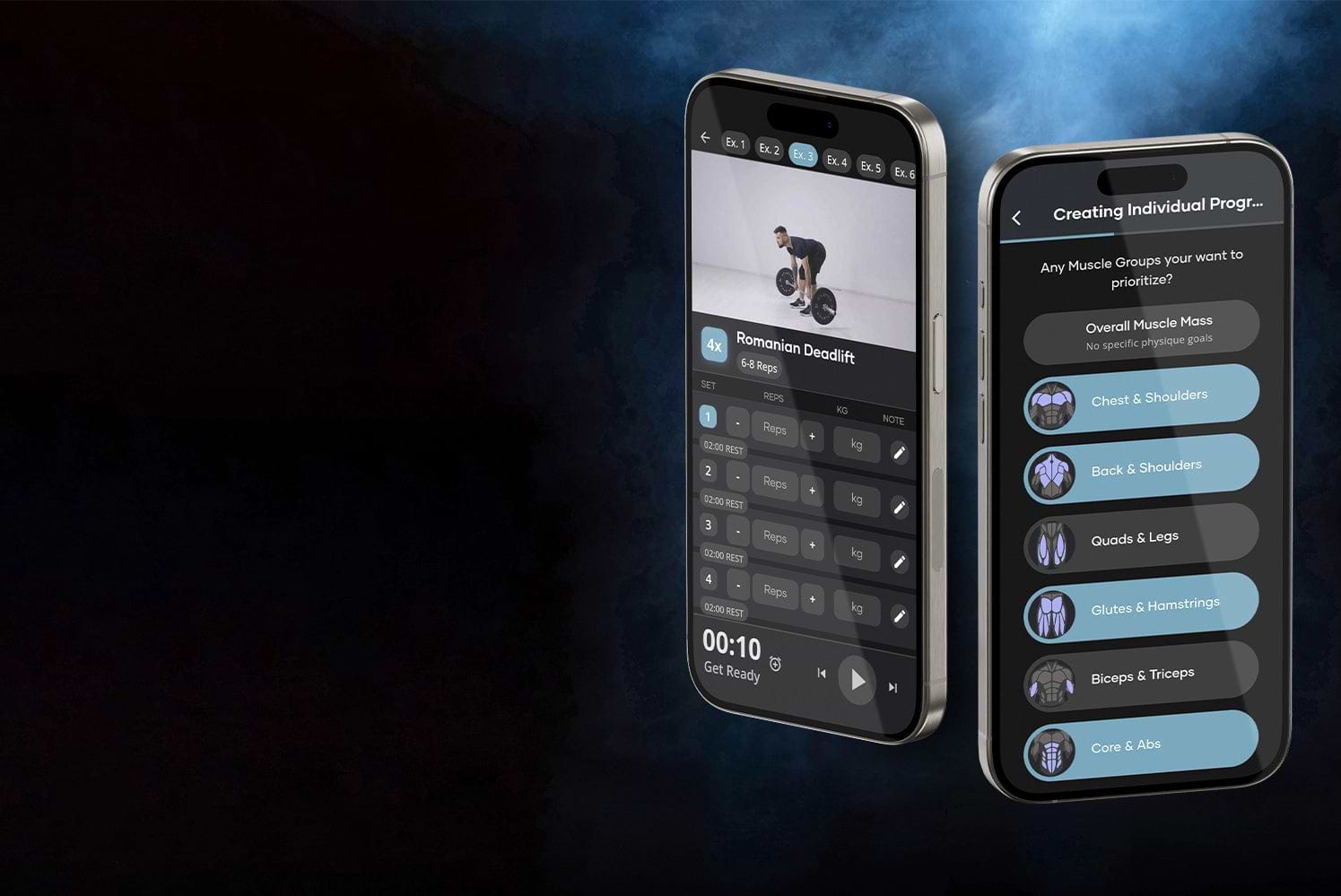
- Training apps or wearables for customer loyalty
- digital training mirrors or virtual courses as an additional offer
- Analysis tools for capacity optimization
The result is a modern, networked studio experience that is impressive both analogue and digital .
Conclusion: Boutique gyms are the future of the premium fitness market
A boutique gym is much more than a room with equipment – it's an experience, a statement, a brand. Anyone who wants to build such a studio needs a clear concept, bold design, and an uncompromising commitment to quality.
With the right planning, a strong team and high-quality equipment, you can create a space that delights customers – day after day.