
















Physiotherapy practices increasingly face the challenge of combining therapeutic treatment with active training. Patients want to be actively supported, not just passively treated. A professionally equipped fitness room within the practice is the ideal addition. But what matters most when it comes to planning and equipment? Which machines are particularly well suited for therapeutic use? And how can design, function, and efficiency be optimally combined?
This article shows how modern physiotherapy practices can expand their treatment through targeted training offerings – with a focus on functionality, patient safety, and high-quality equipment from providers like ATLETICA.
Why training areas in physiotherapy are becoming more and more important
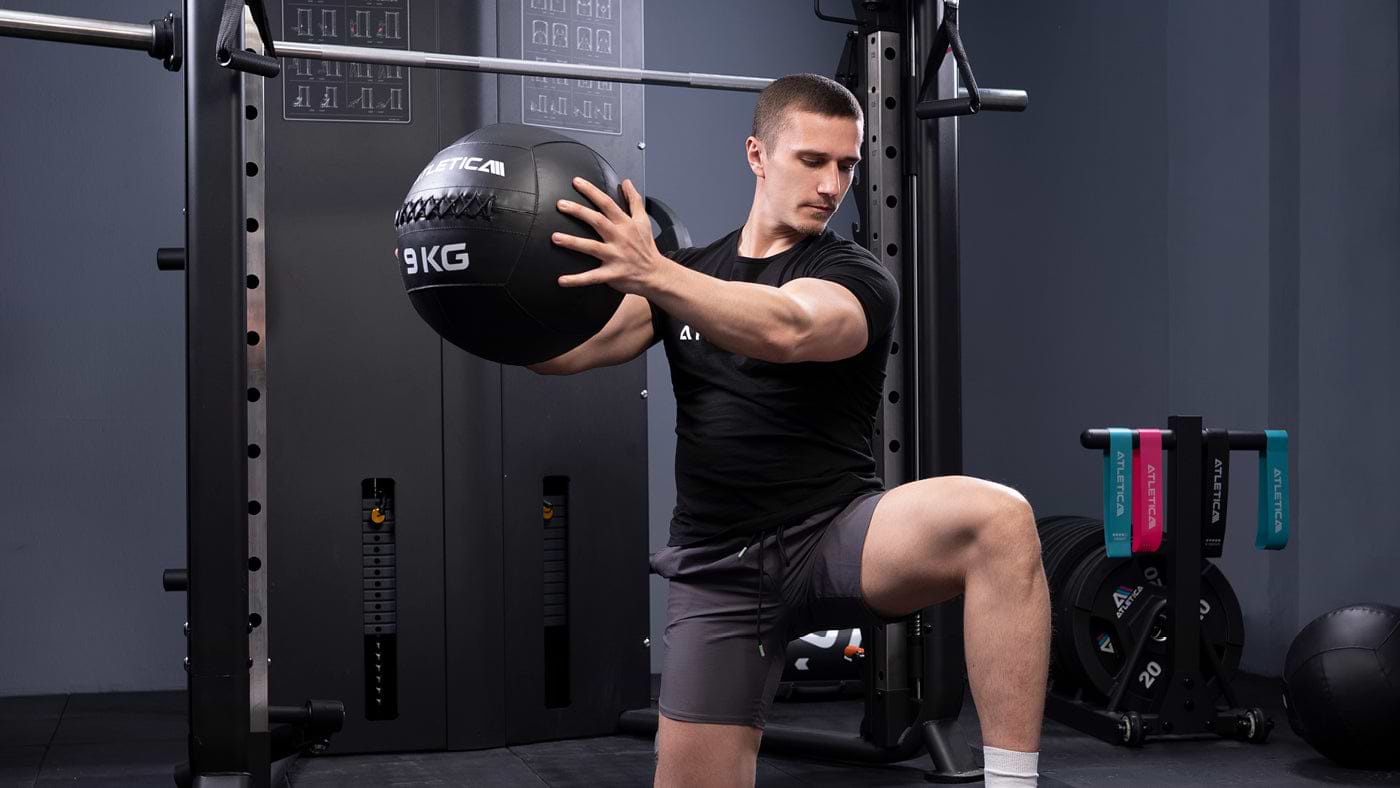
Active movement is a central component of modern therapy approaches. Whether for orthopedic complaints, neurological conditions, or postoperative recovery: therapeutic training sustainably improves treatment success.
At the same time, an integrated training area enables:
- more intensive support through individual training plans,
- better equipment availability compared to home training,
- stronger customer loyalty through additional offerings.
Patients appreciate being able to become active beyond conventional treatment – guided by familiar professionals.
An additional benefit: a professionally equipped training room sets the practice apart from the competition and positions it as a modern, holistic facility.
The most important equipment requirements
A fitness room in a physiotherapy practice must meet special requirements:
- Safety: Equipment must be stable, intuitive to operate, and injury-safe.
- Accessibility: Access should be possible without any problems, even with a wheelchair or walking aid.
- Space-saving design: Many practices work with limited space.
- Durability & hygiene: Materials must be easy to clean and robust.
- Easy maintenance: Spare parts should be available and service straightforward.
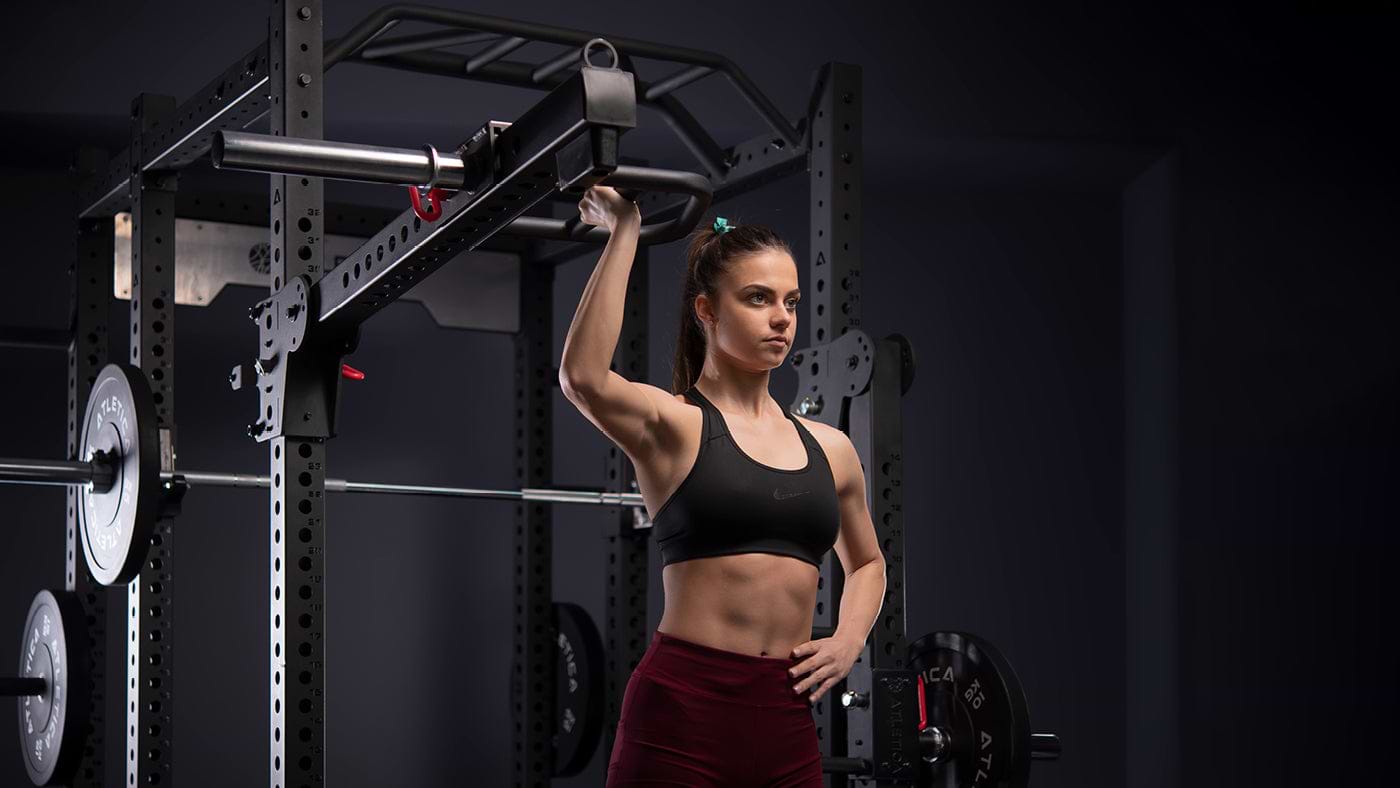
On top of this comes the need to flexibly adapt equipment for different body sizes and limitations.
Legal frameworks also play a role: medical devices must be labeled accordingly, data protection guidelines must be observed for digital training data, and hygiene requirements must be met.
The best equipment for therapeutic fitness training
Physiotherapeutic training requires equipment that is joint-friendly, effective, and individually adjustable. These categories have proven their worth:
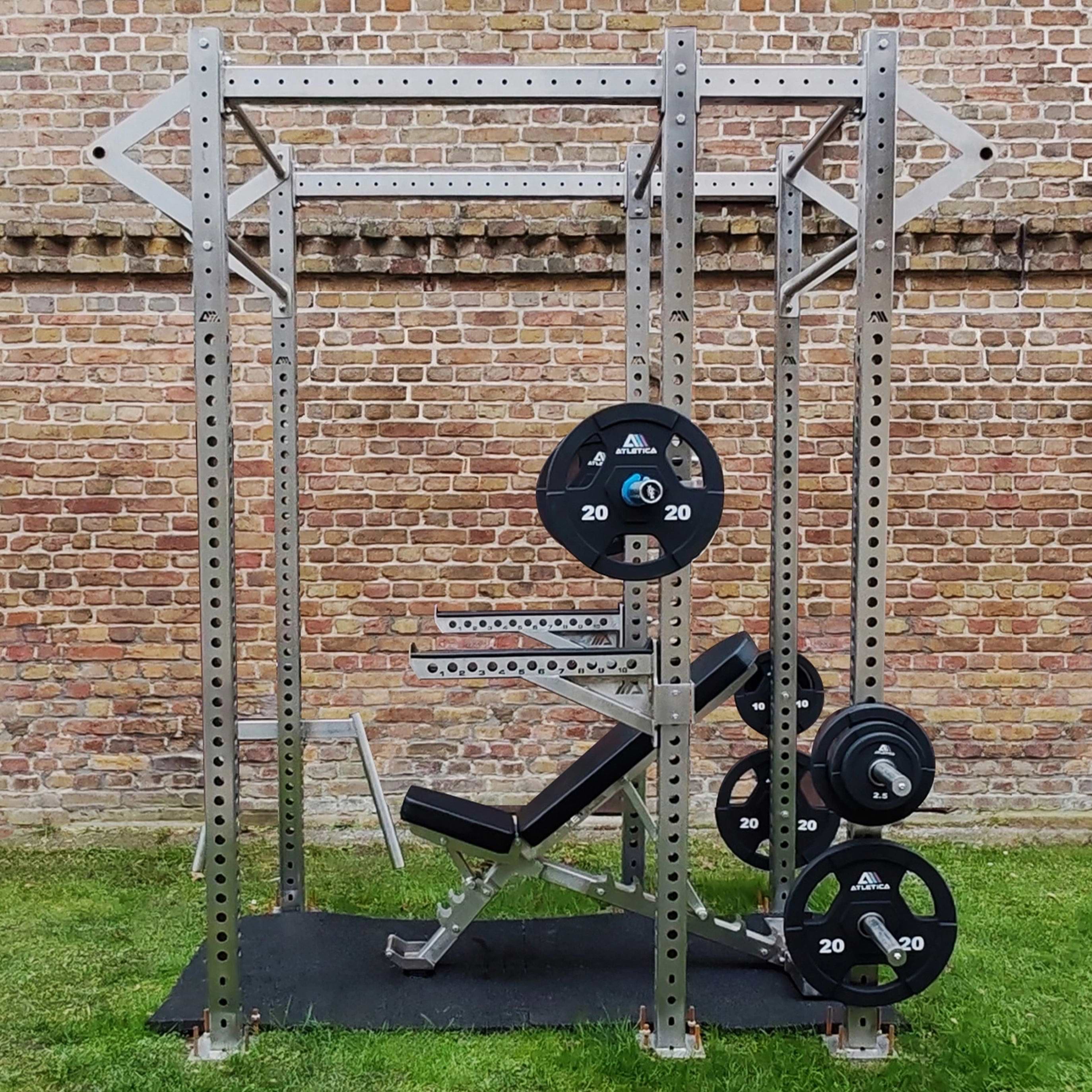
1. Multifunctional strength stations
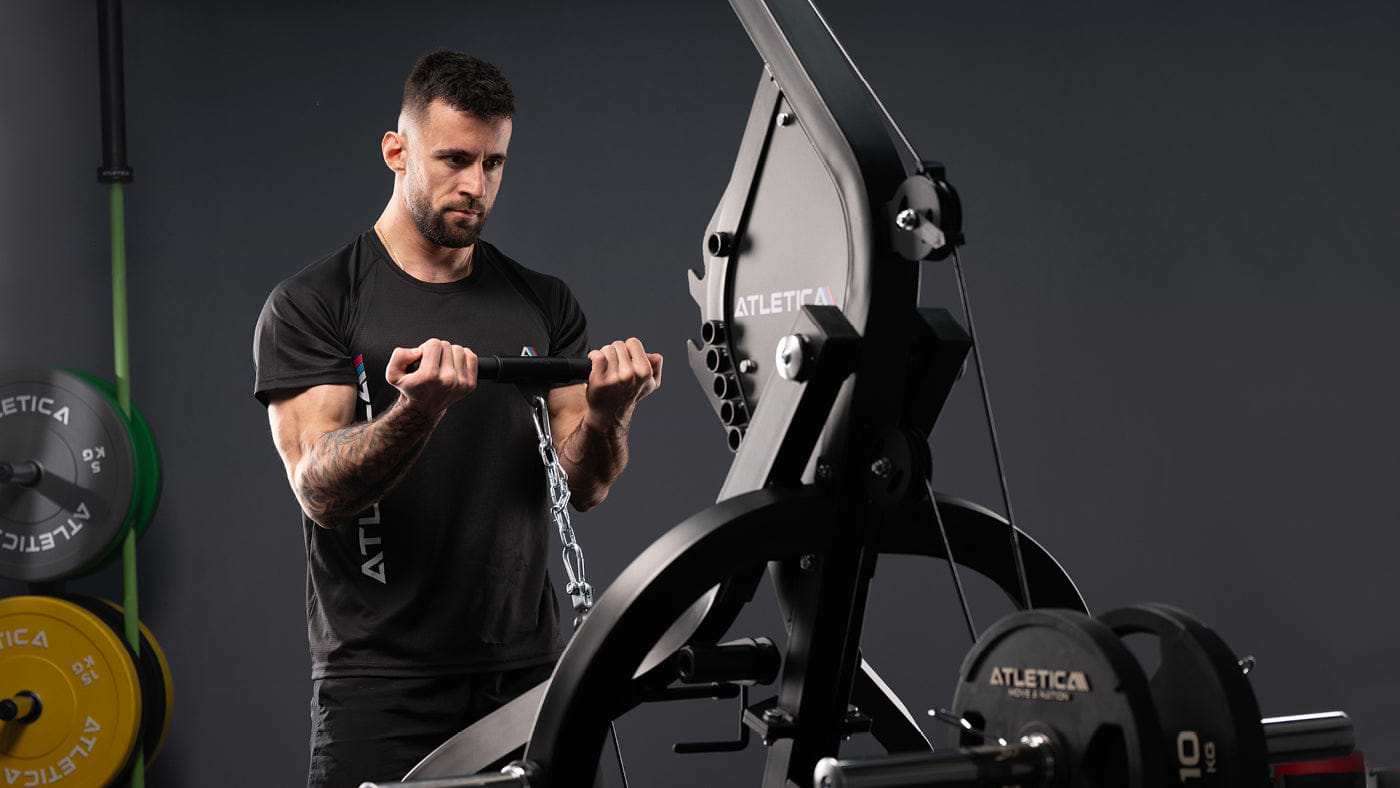
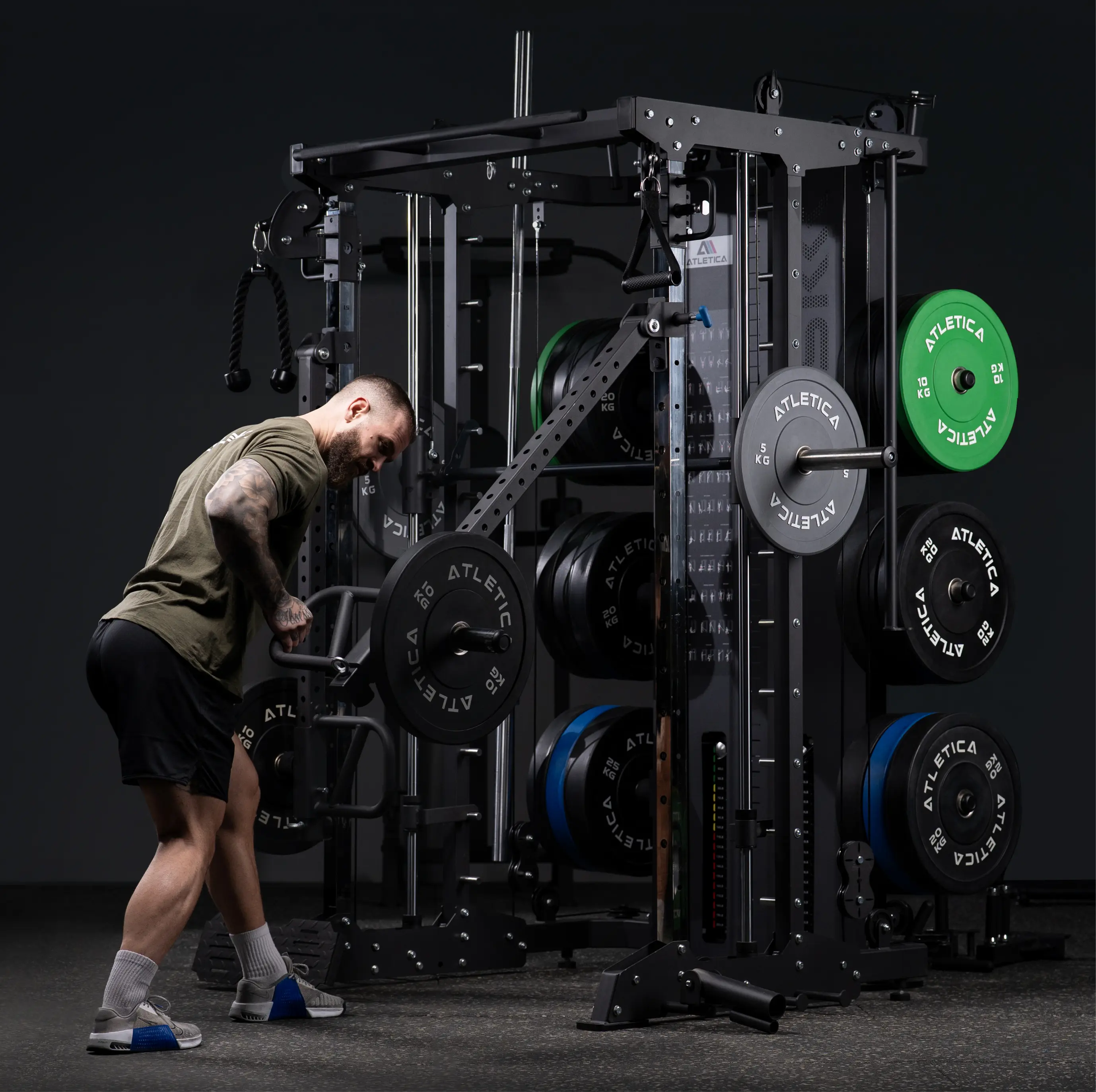
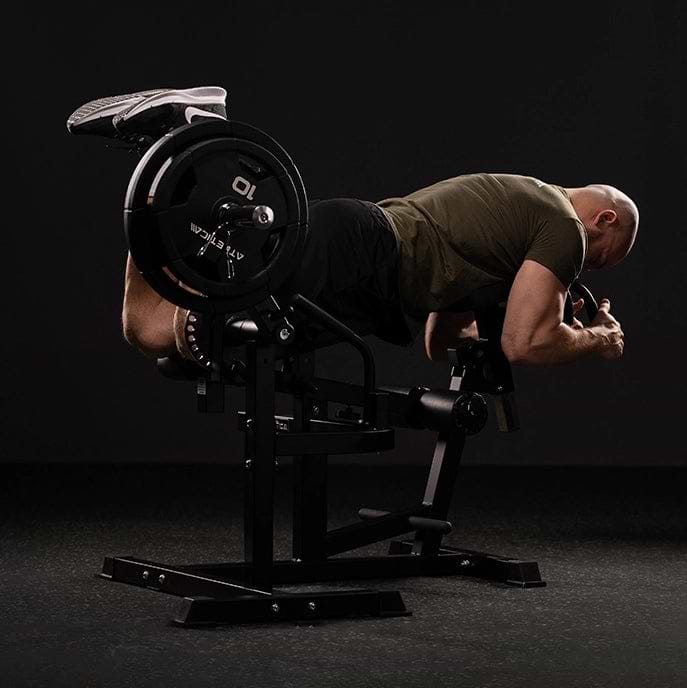
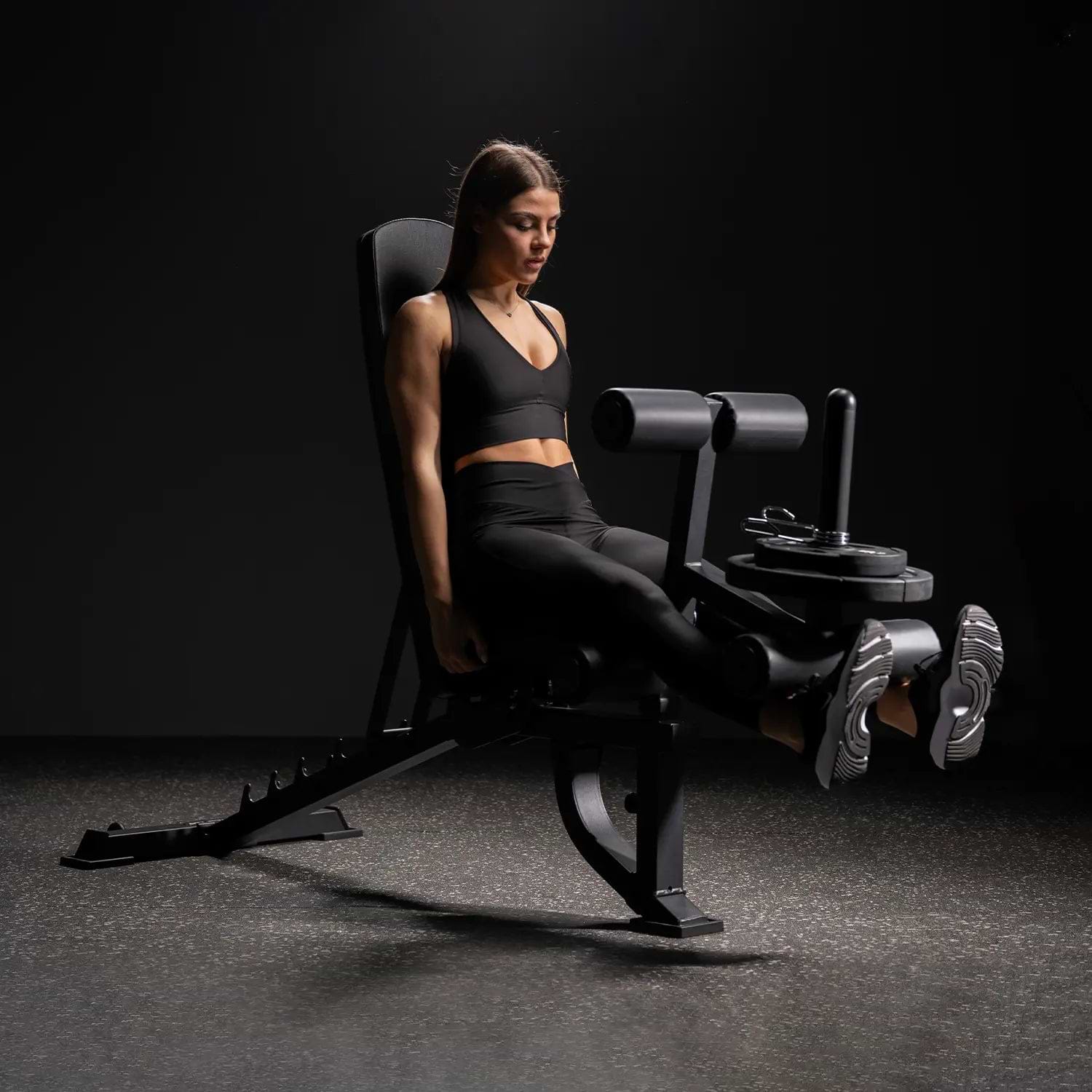
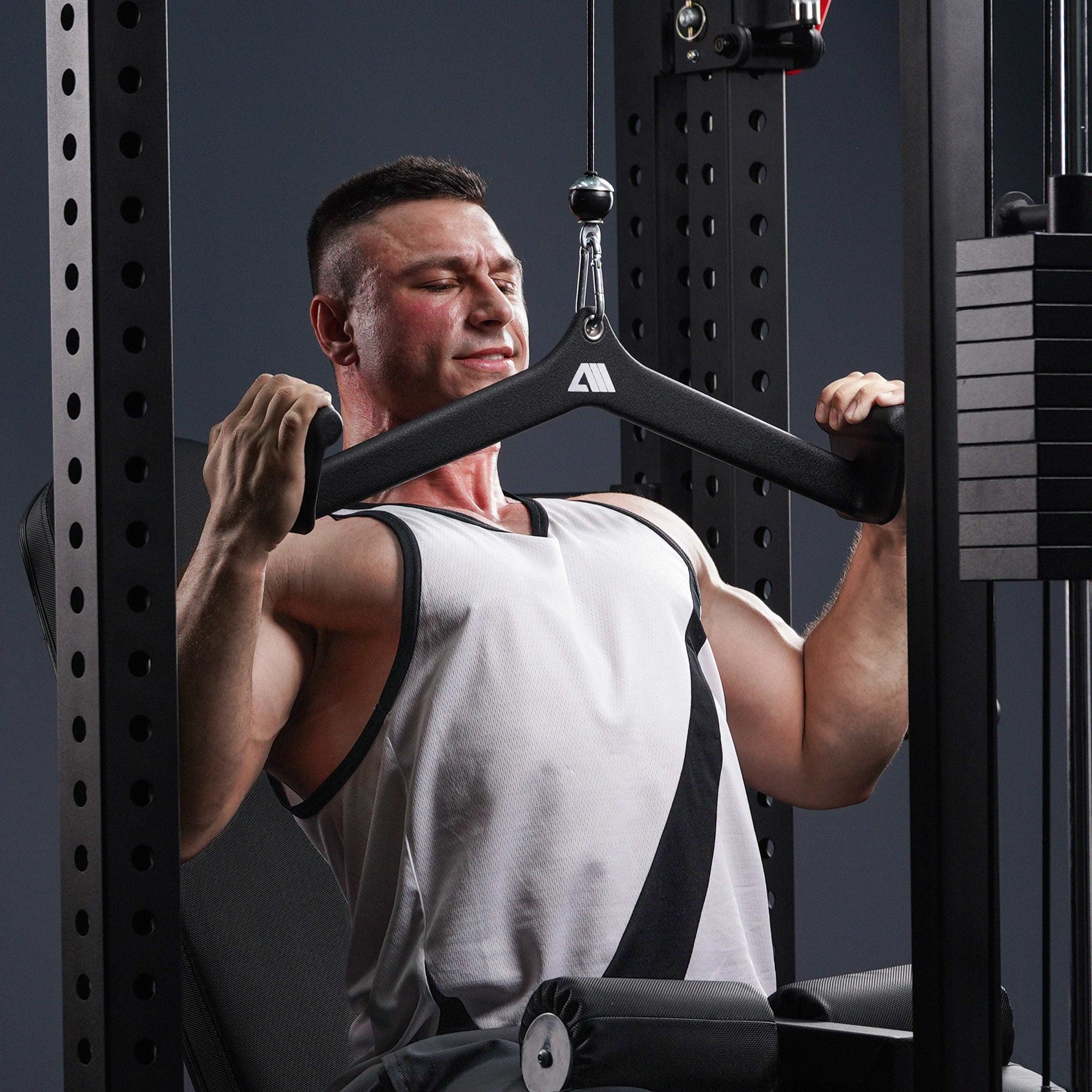
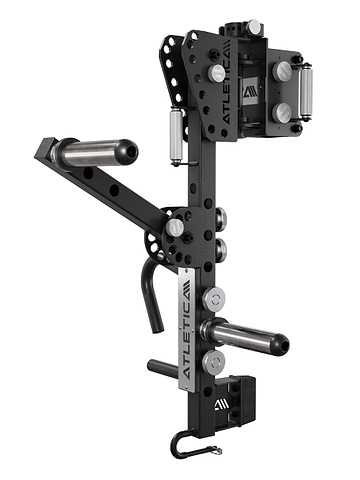
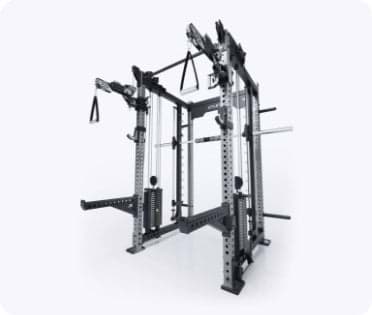
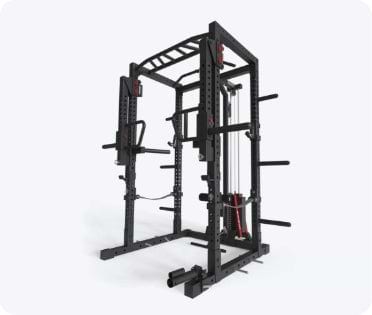
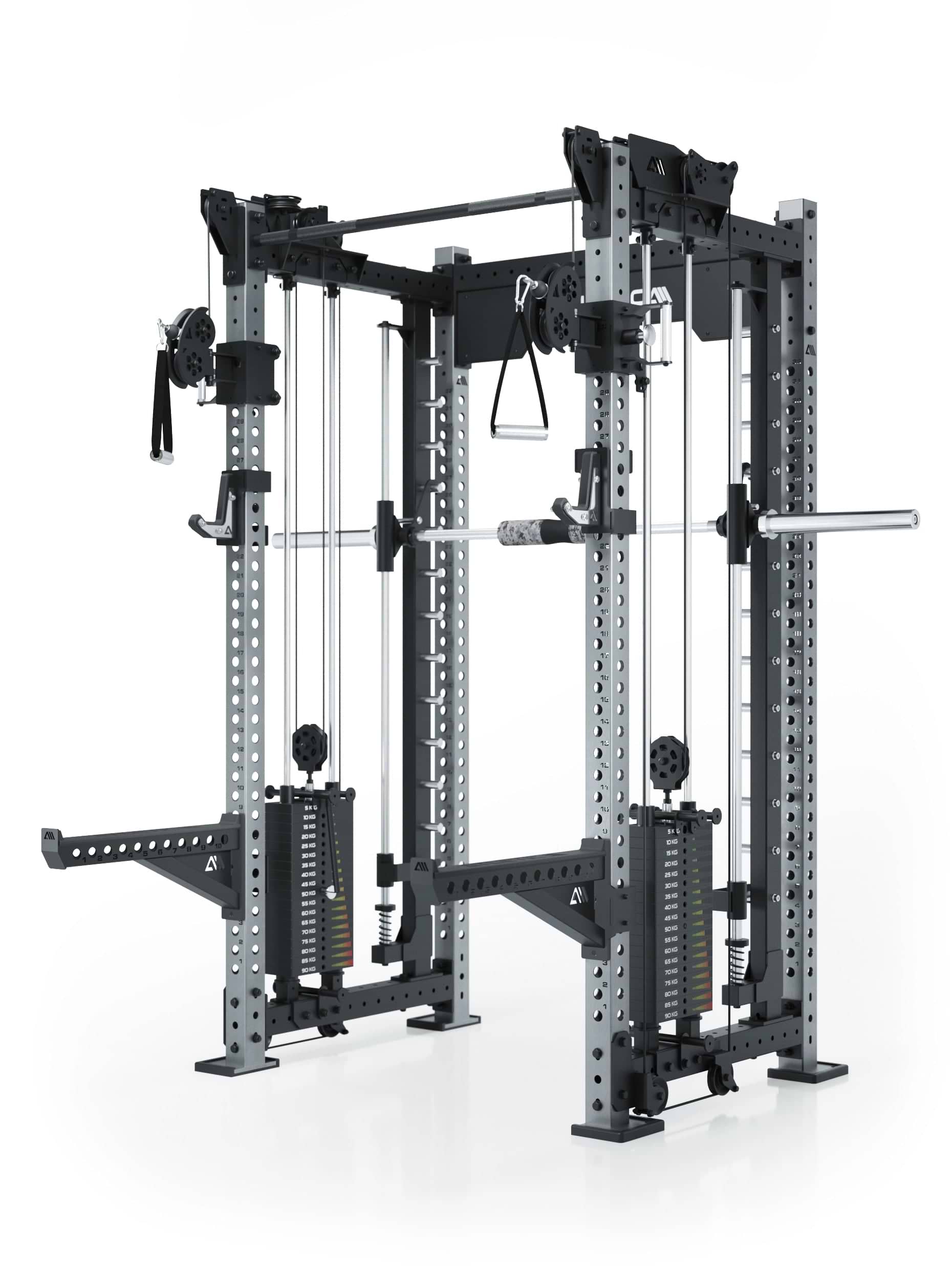
With guided movements, variable resistance levels, and clear ergonomics, they are ideal for safe muscle building. ATLETICA models offer versatile exercise options in a small space – ideal for targeted strengthening of the legs, shoulders, or back.
2. Cable pulley systems with adjustable grip heights
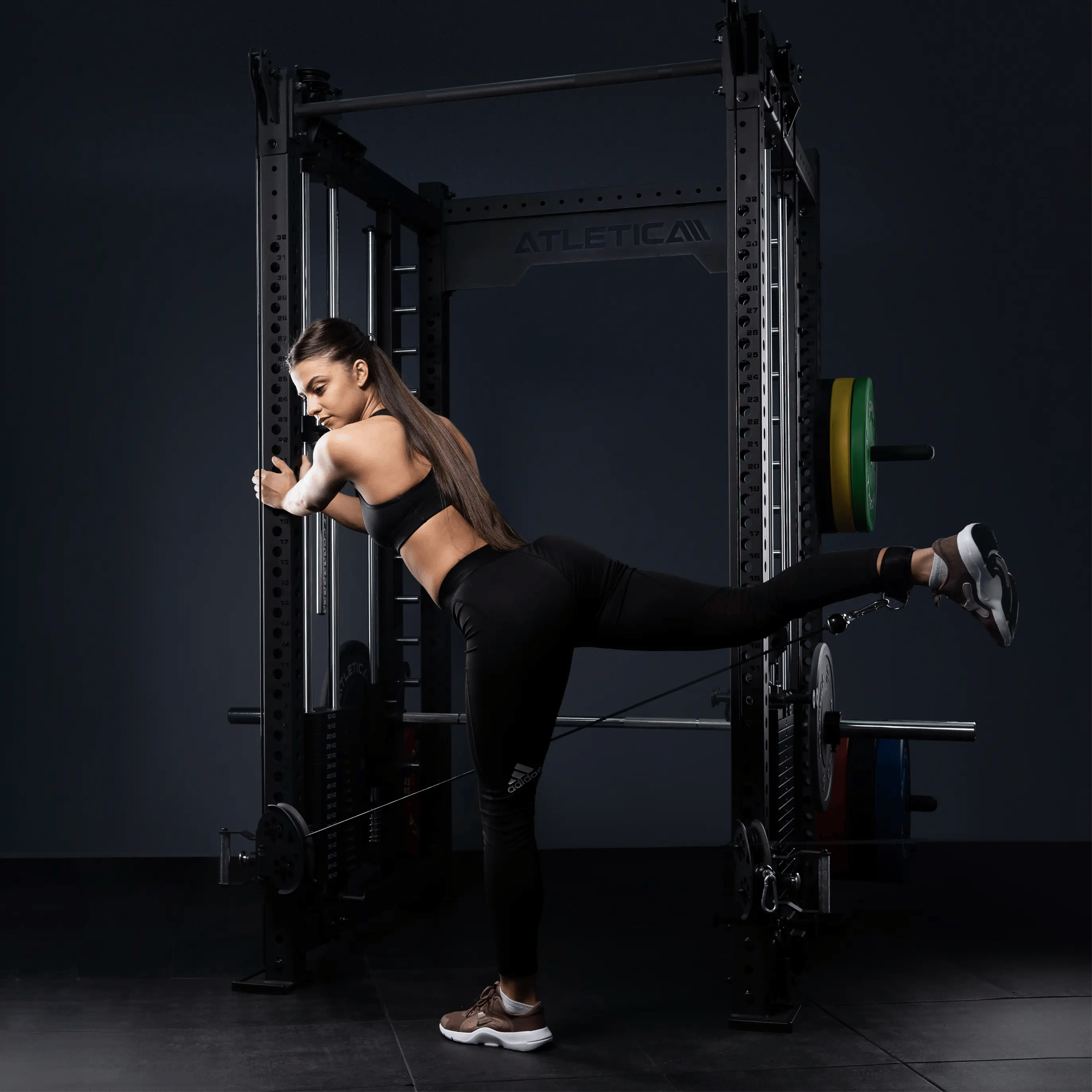
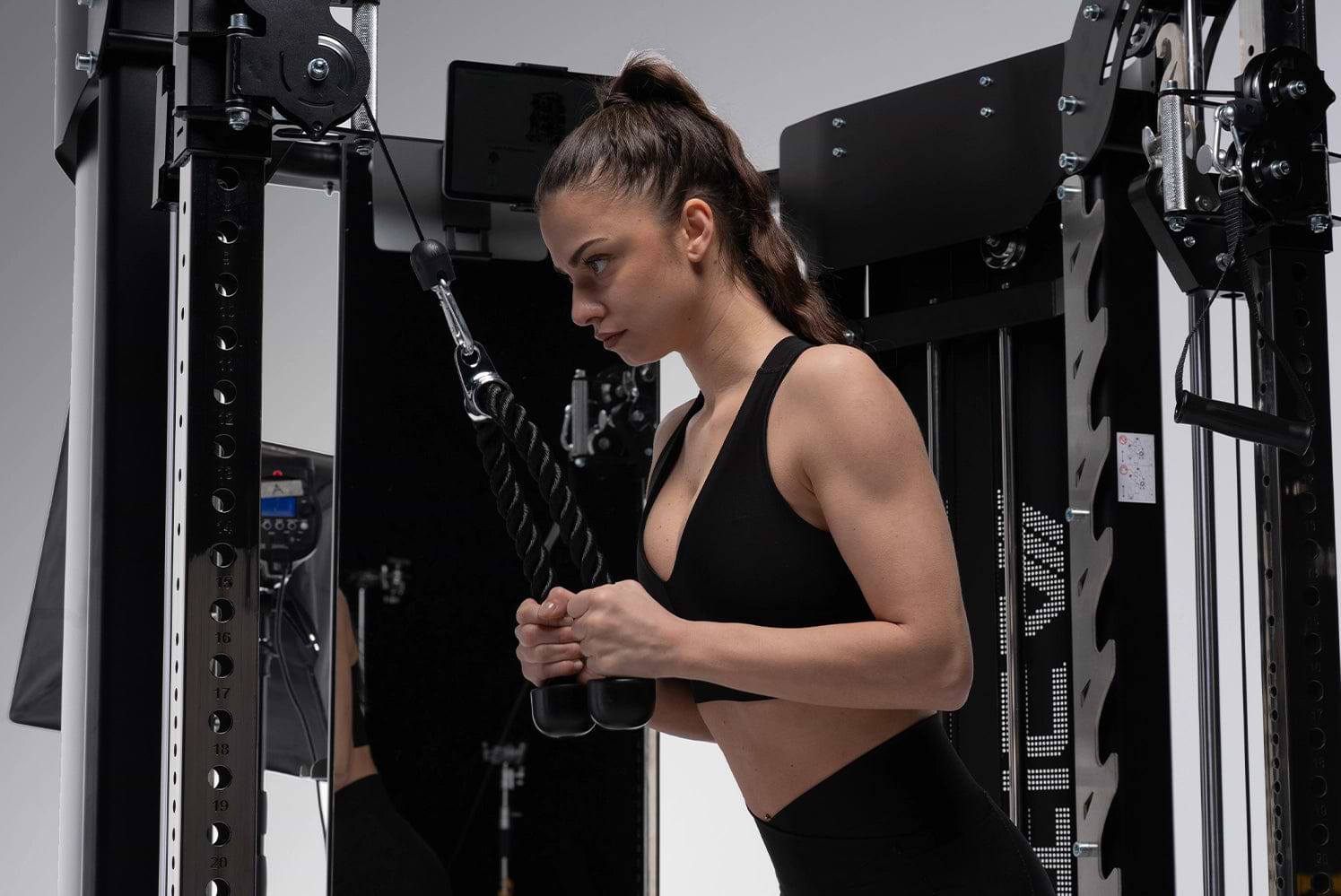
They enable functional, everyday-oriented training – e.g. for shoulder stabilization or core activation. Thanks to the free movement path, numerous muscle groups can be targeted specifically. They are particularly well suited for mobilization and dynamic stability exercises.
3. Cardio machines with a low step-in height
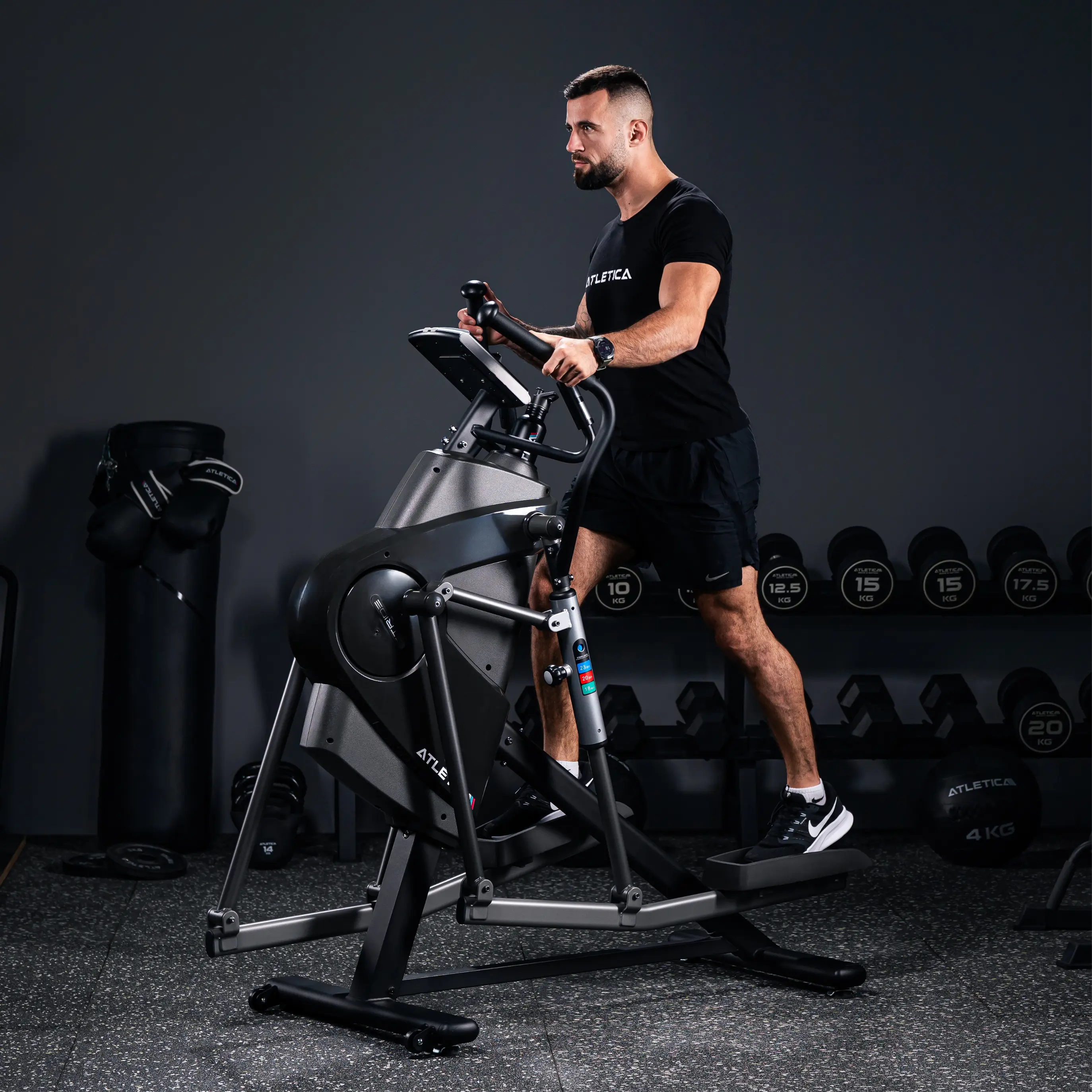
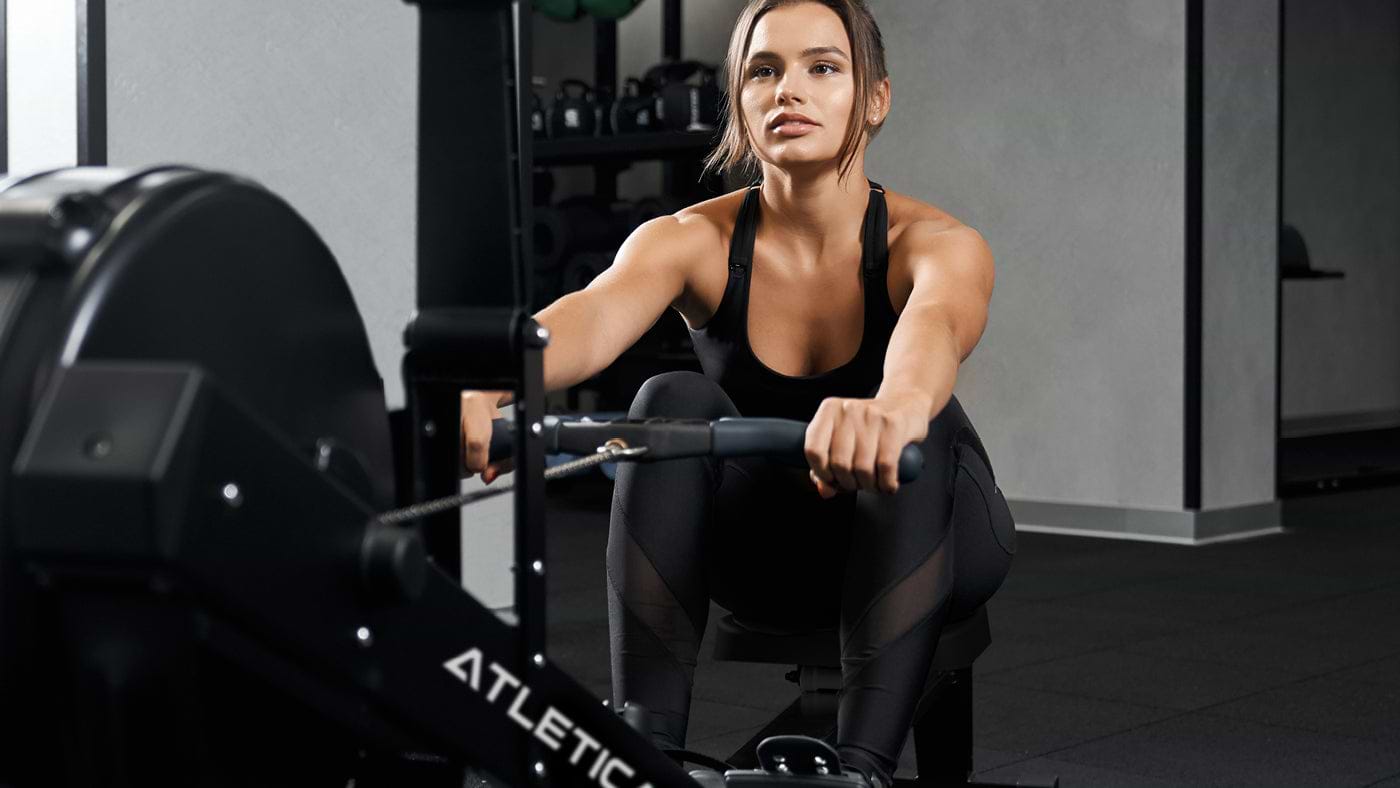
Elliptical trainers or bike ergometers with a low step-in are easier for many patients to use than treadmills. ATLETICA's quiet magnetic braking technology also ensures a pleasant training sound. Important: individually adjustable seat and grip positions.
4. Free-weight area with a focus on rehab
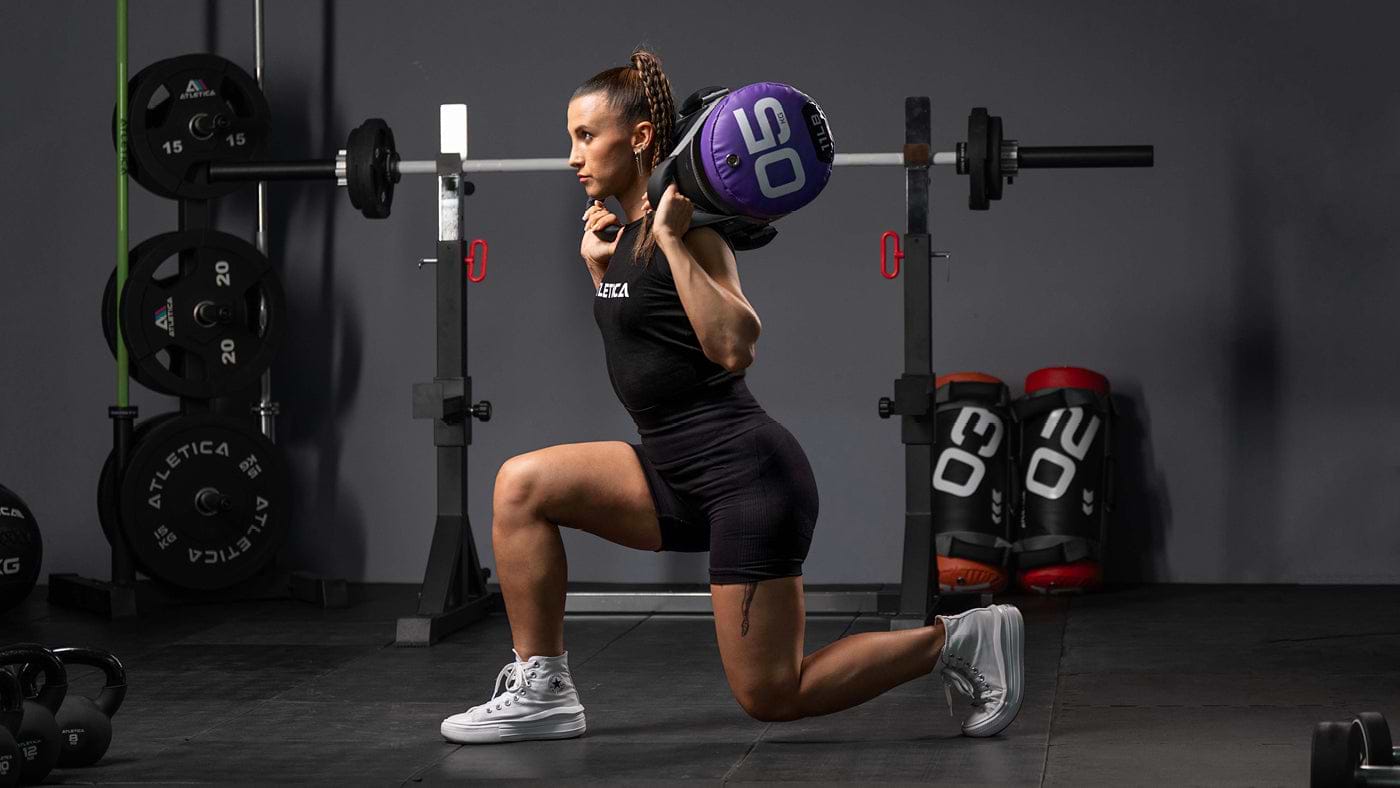
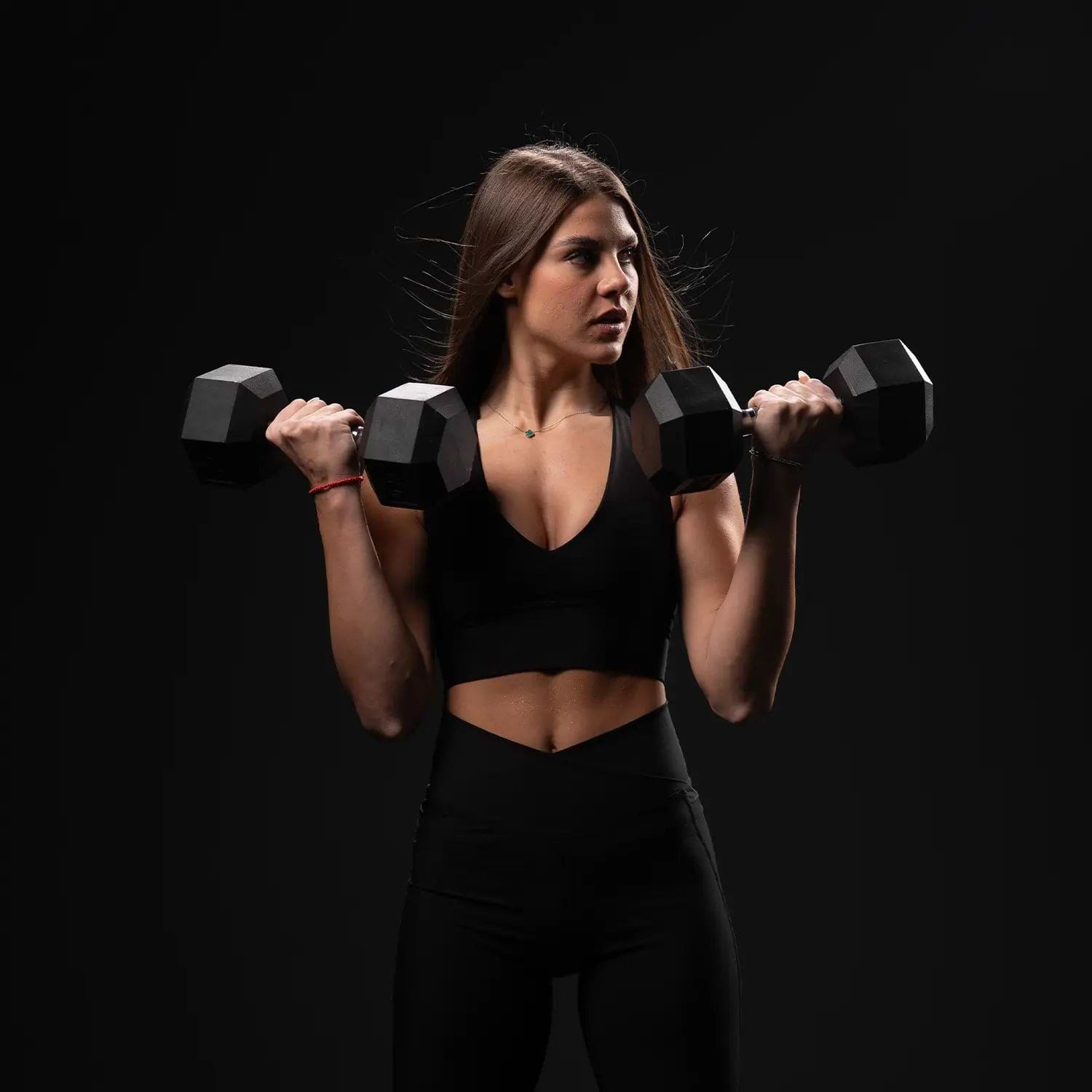
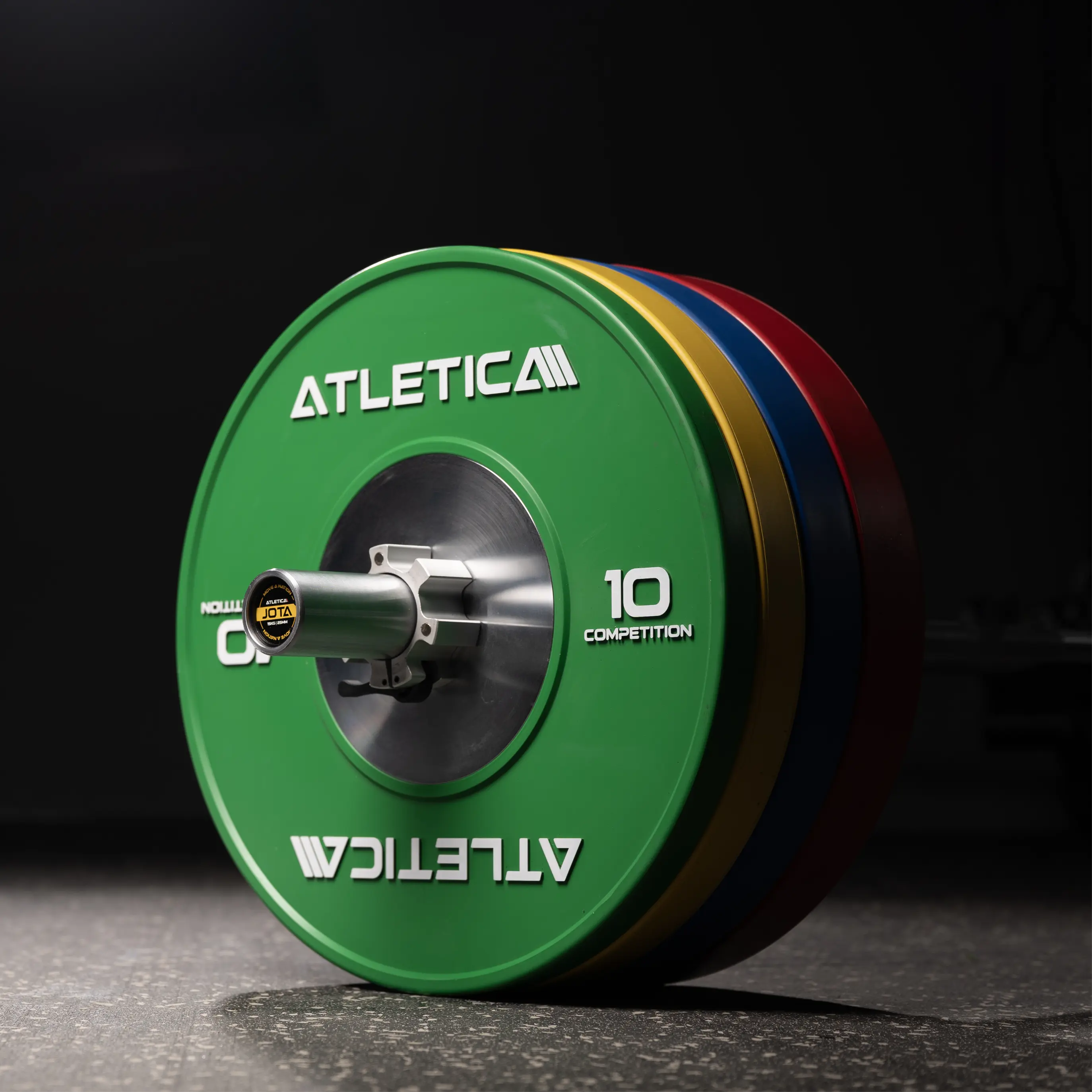
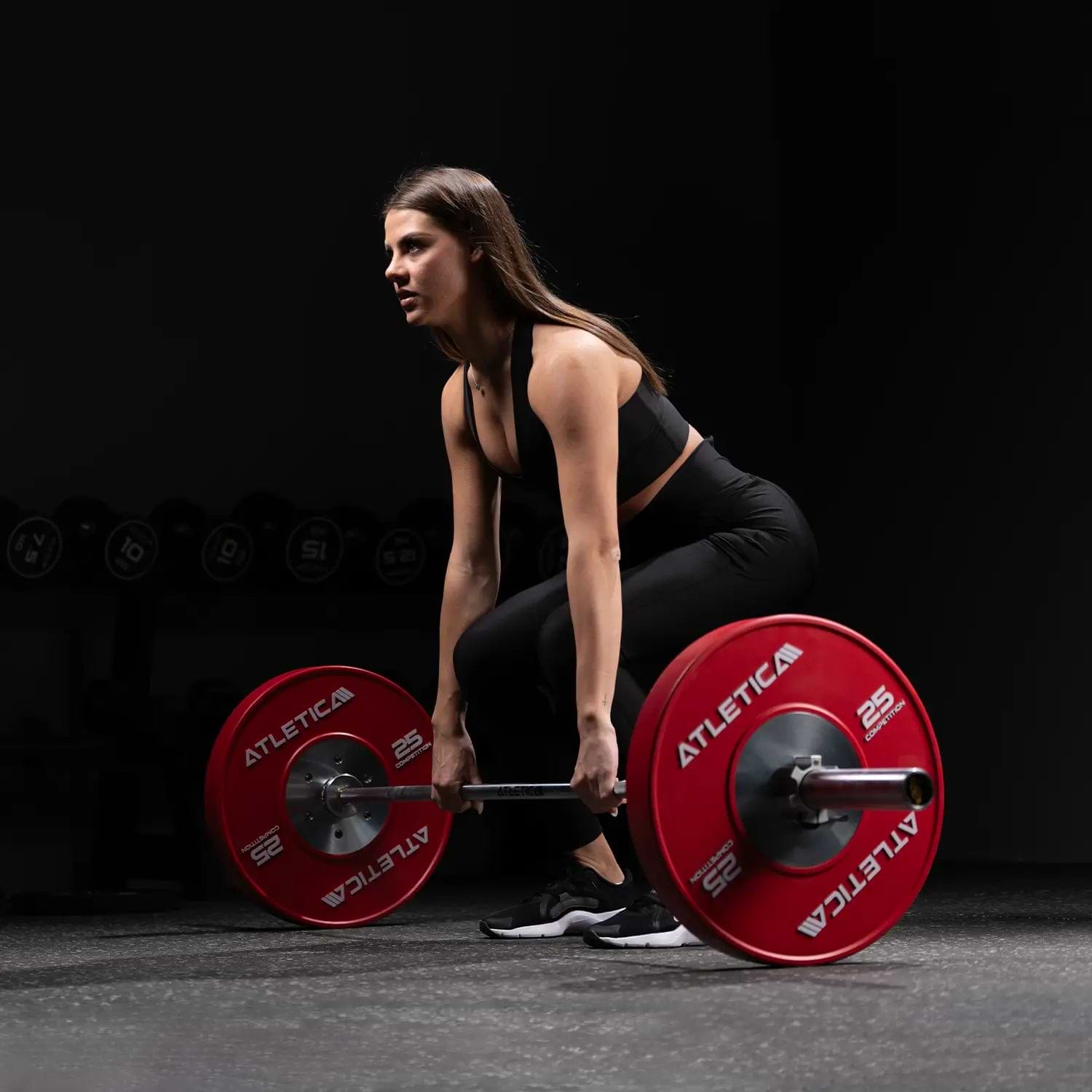
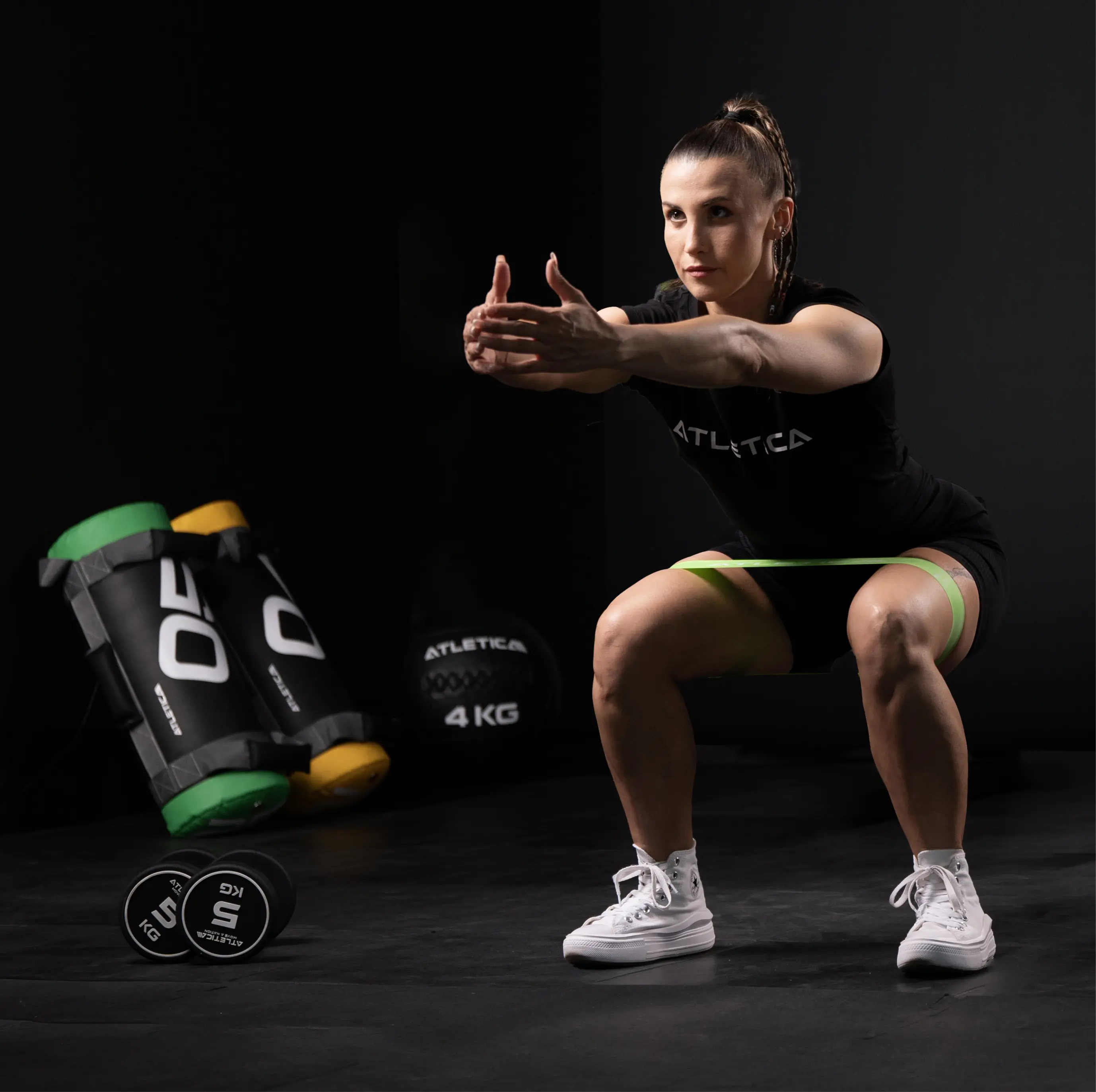
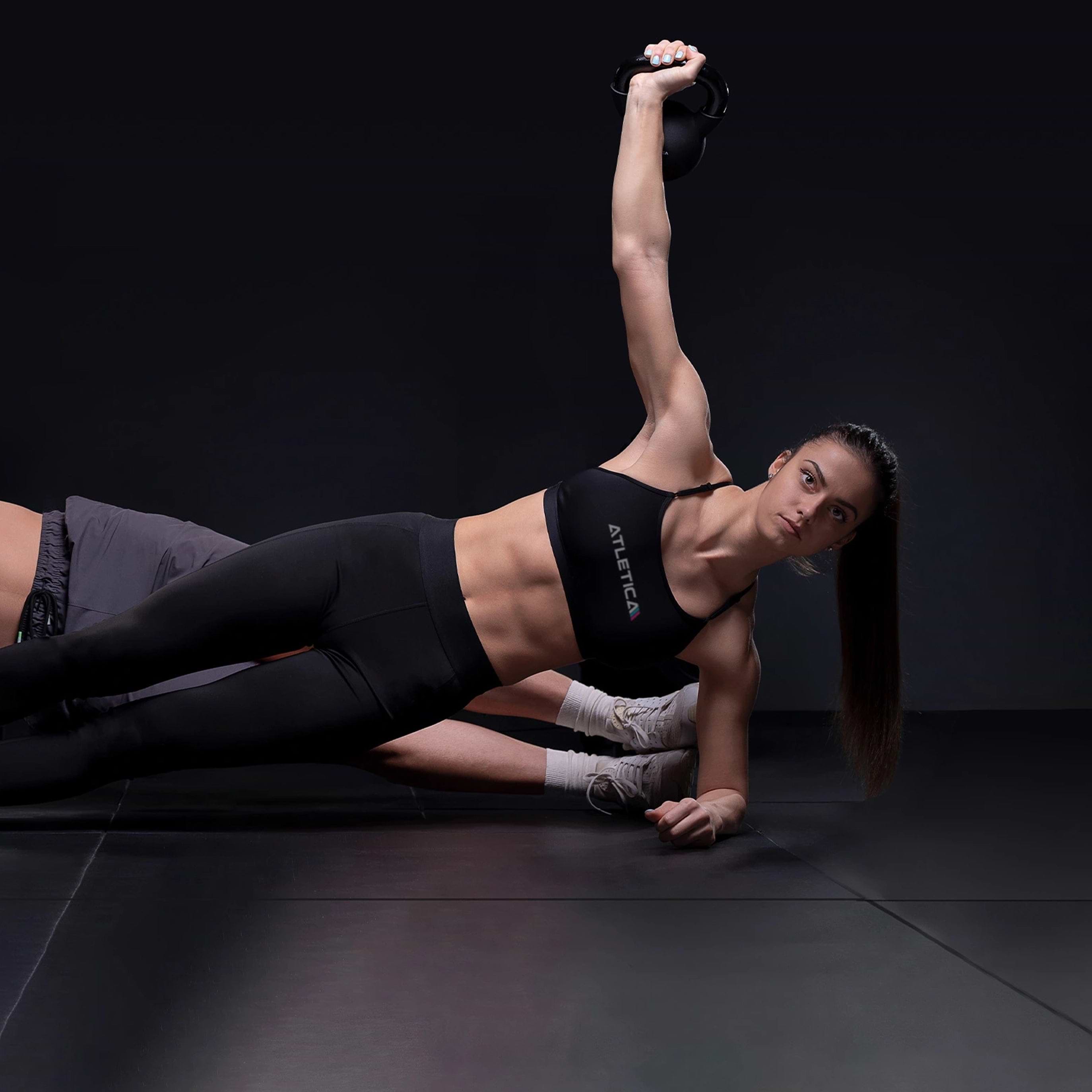
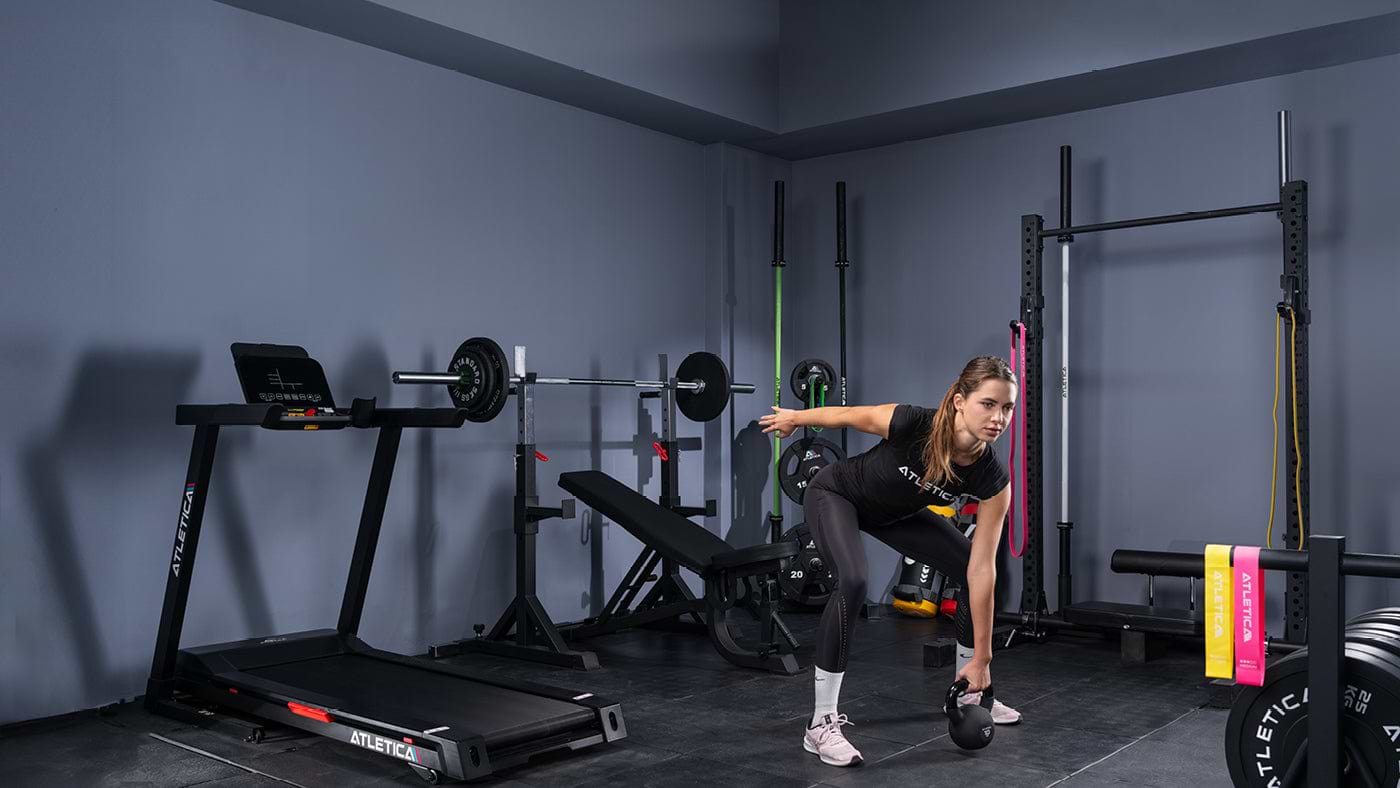
Light dumbbells, balance cushions, ankle weights, and coordination aids are suitable for targeted rebuilding exercises. Ergonomic storage and non-slip mats are important. They also make it easy to carry out proprioceptive and stabilizing exercises.
5. Mobility and fascia equipment
Foam rollers, balls, mats, and stretching tools should not be missing. They complement every therapy phase – from warm-up to recovery. These tools are also a useful addition for chronic pain patients.
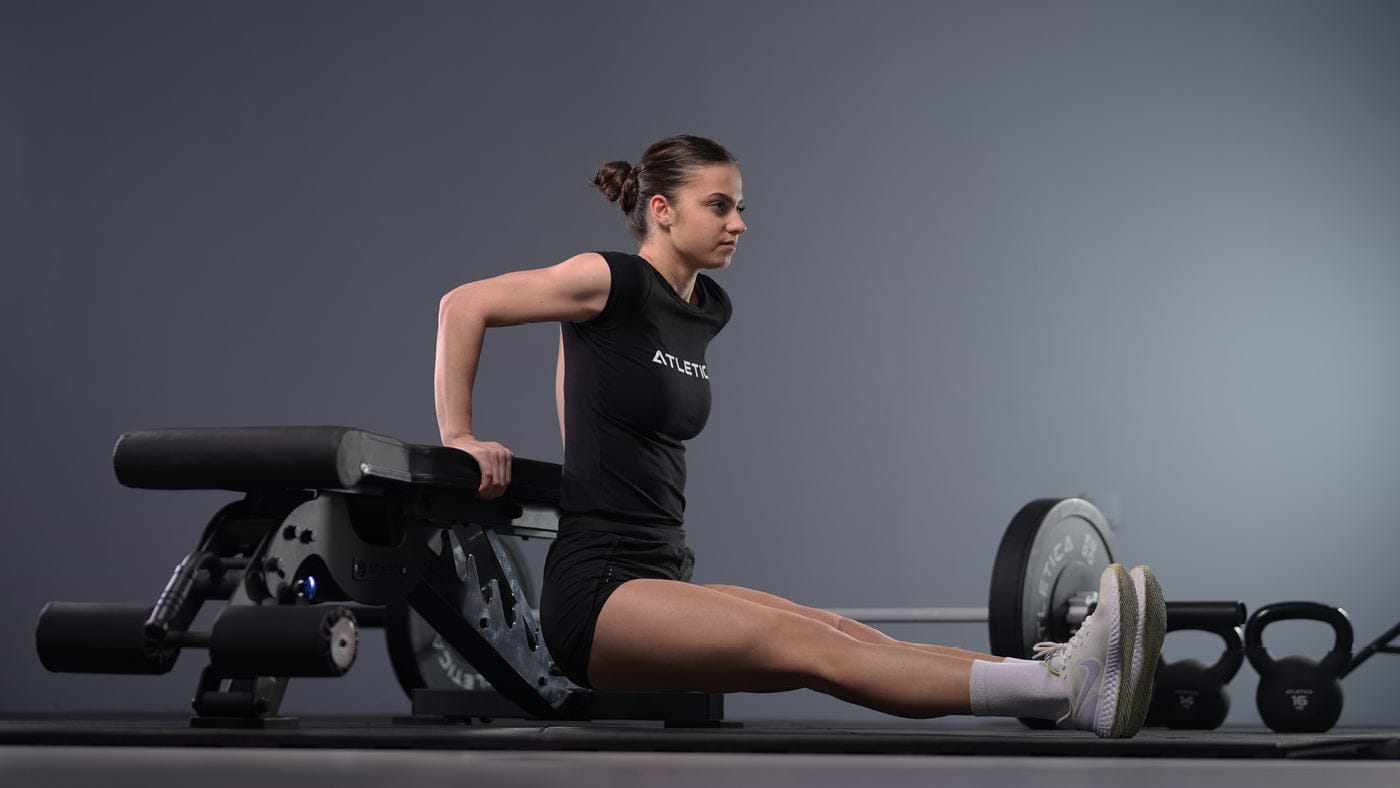
6. Therapy benches with expansion systems
Adjustable therapy tables with an additional training module make it possible to combine passive and active therapy in a small space.
Space planning and ergonomics
Optimal use of space begins with a precise needs analysis:
- How many patients train at the same time?
- Which conditions are common?
- Which types of exercise are the focus?
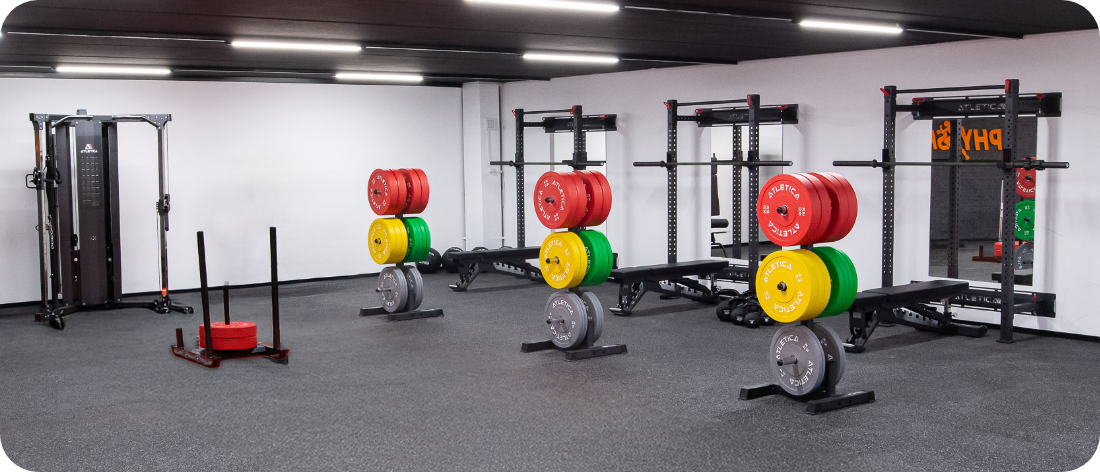
A clearly structured room with clear movement axes, mirrored walls for self-monitoring, and ergonomically sensible spacing between machines is essential. Good lighting, ventilation, and acoustics are also important. Non-slip flooring with cushioning improves safety and comfort.
Aspects such as privacy, a calm training atmosphere, and color-psychological design elements also play a role.
Integration into everyday practice
A training area should integrate well into the practice workflow, both organizationally and in terms of content:
- Appointment scheduling via software to avoid bottlenecks
- Integration into therapy plans and aftercare programs
- Option to be used by self-payers outside regular therapy hours
Collaborations with sports scientists or personal trainers can also make sense – for example, for rebuilding courses or supervised small groups.
Benefits for practice owners and patients
A professionally equipped fitness room brings numerous benefits:
- Expansion of the offering (e.g. medical rebuilding training, training after a prescription ends)
- Higher patient loyalty through visible progress
- Better results by combining therapy and training
- Positioning as a modern, holistically working practice
- Attractive differentiation from the competition
- Increased profitability through additional sources of income (e.g. subscription models, group courses)
The practice transforms from a pure treatment location into a health center – which also has a positive effect on reviews, referrals, and visibility.
Conclusion: Fitness rooms are a model for the future of practices
Any physiotherapy practice that wants to work with an eye on the future can hardly do without a professional fitness area. The demand for activating therapy is rising, and patients expect modern, holistic offerings.
With functional, high-quality equipment – such as from ATLETICA – you can create training areas that meet both medical and economic demands.