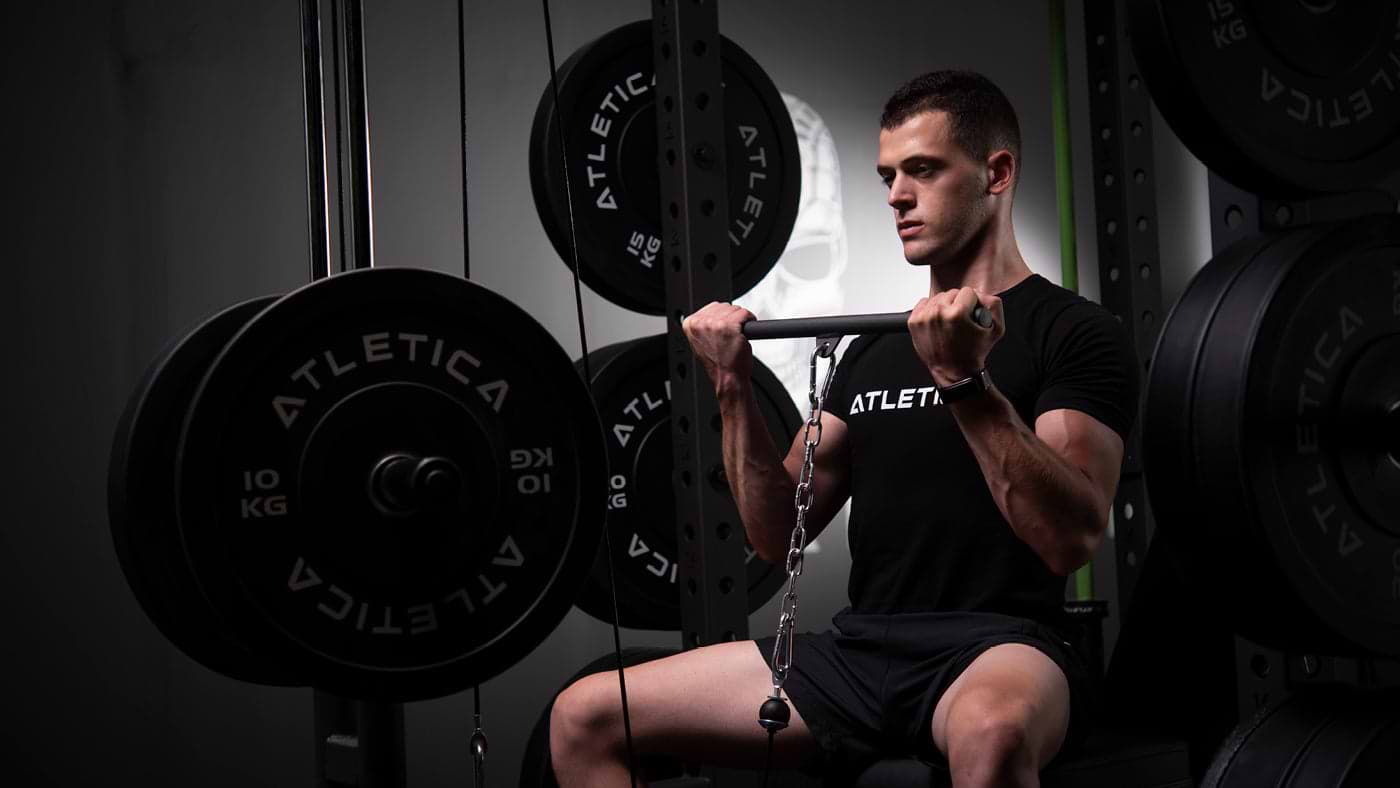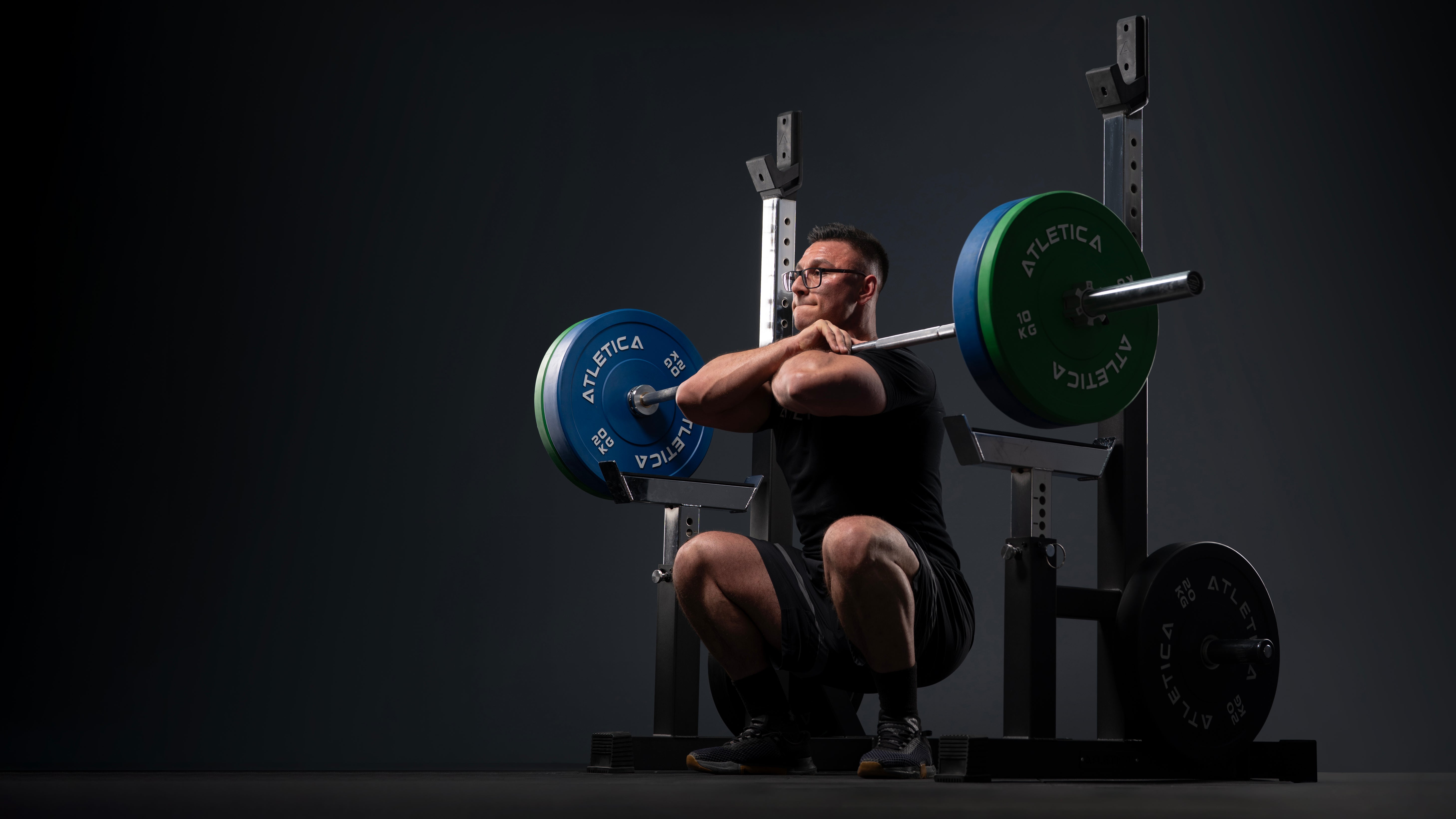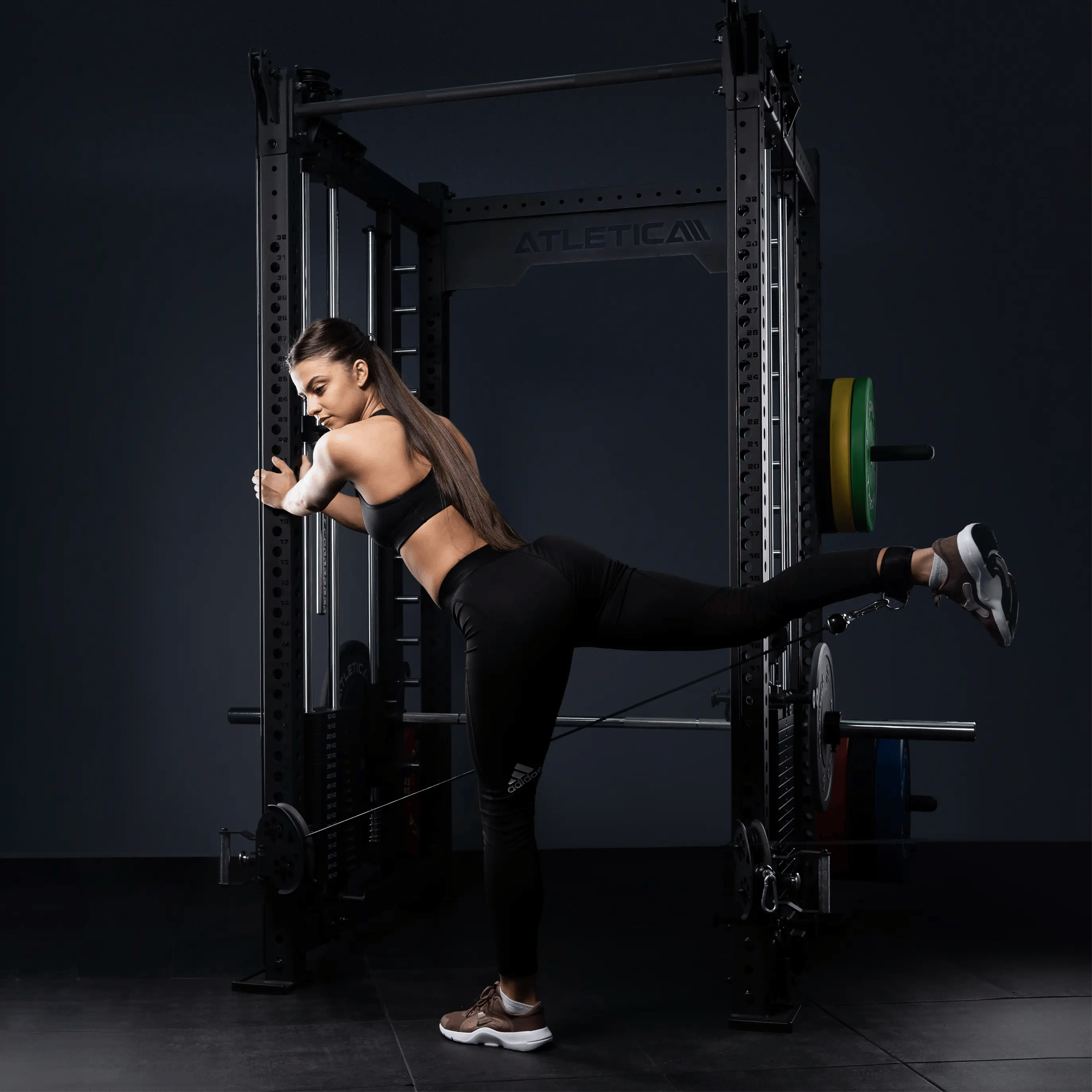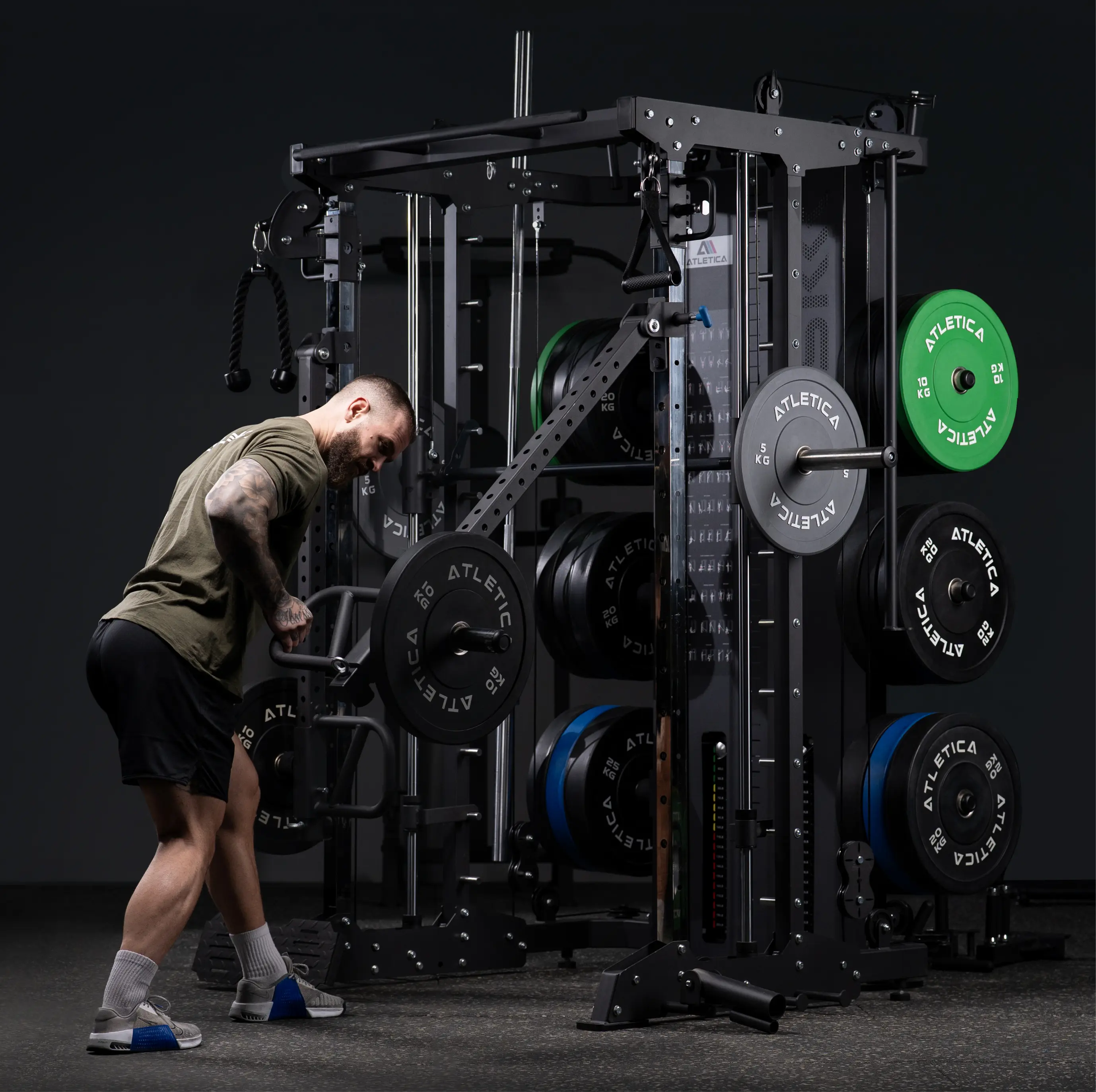













One of the biggest concerns about training at home is safety – especially with heavy exercises like squats or bench press without a training partner.
A good Power Rack can make an enormous difference here. With the right safety features and a bit of know-how, you can train very safely and effectively on your own too.
In this article I’ll show you what really matters when it comes to safety and which pro tips help you minimize risks.
Why safety is especially important when training in a Home Gym
In a gym you usually have someone nearby who can help in an emergency. At home you often train alone.
That’s why it’s crucial that your equipment offers safety reserves out of the box and that you know the right techniques. A high-quality Power Rack with good safety features gives you exactly this security – and with it the mental freedom to focus fully on your training.
Important safety features on Power Racks
Not every rack is equally safe. When choosing, look out for the following features:
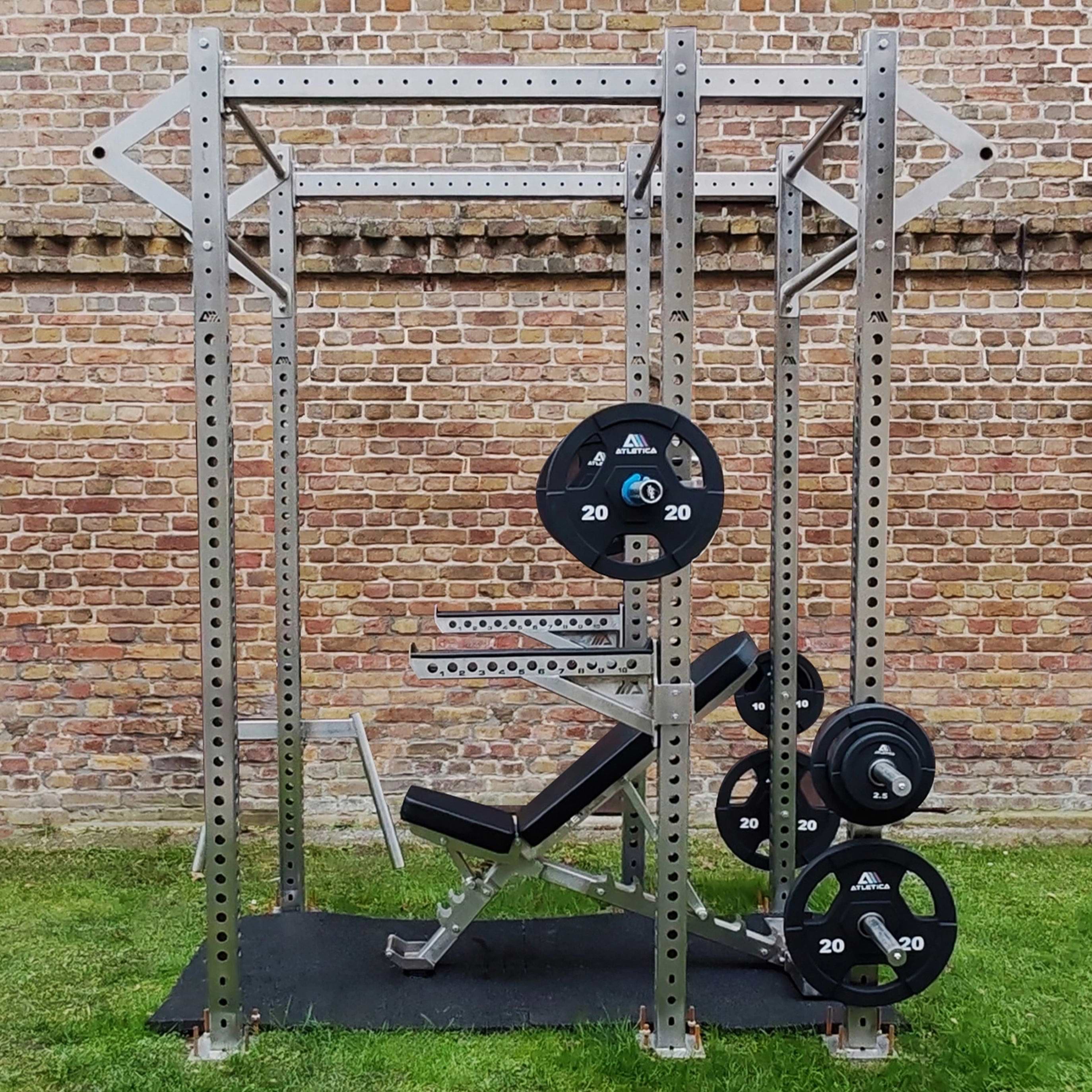
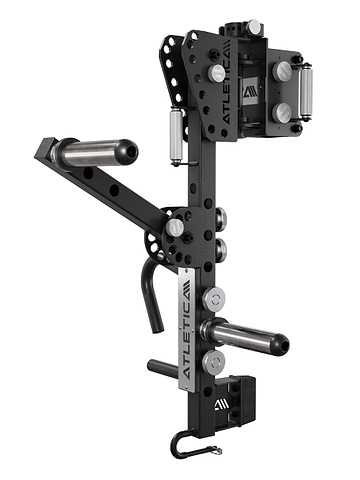
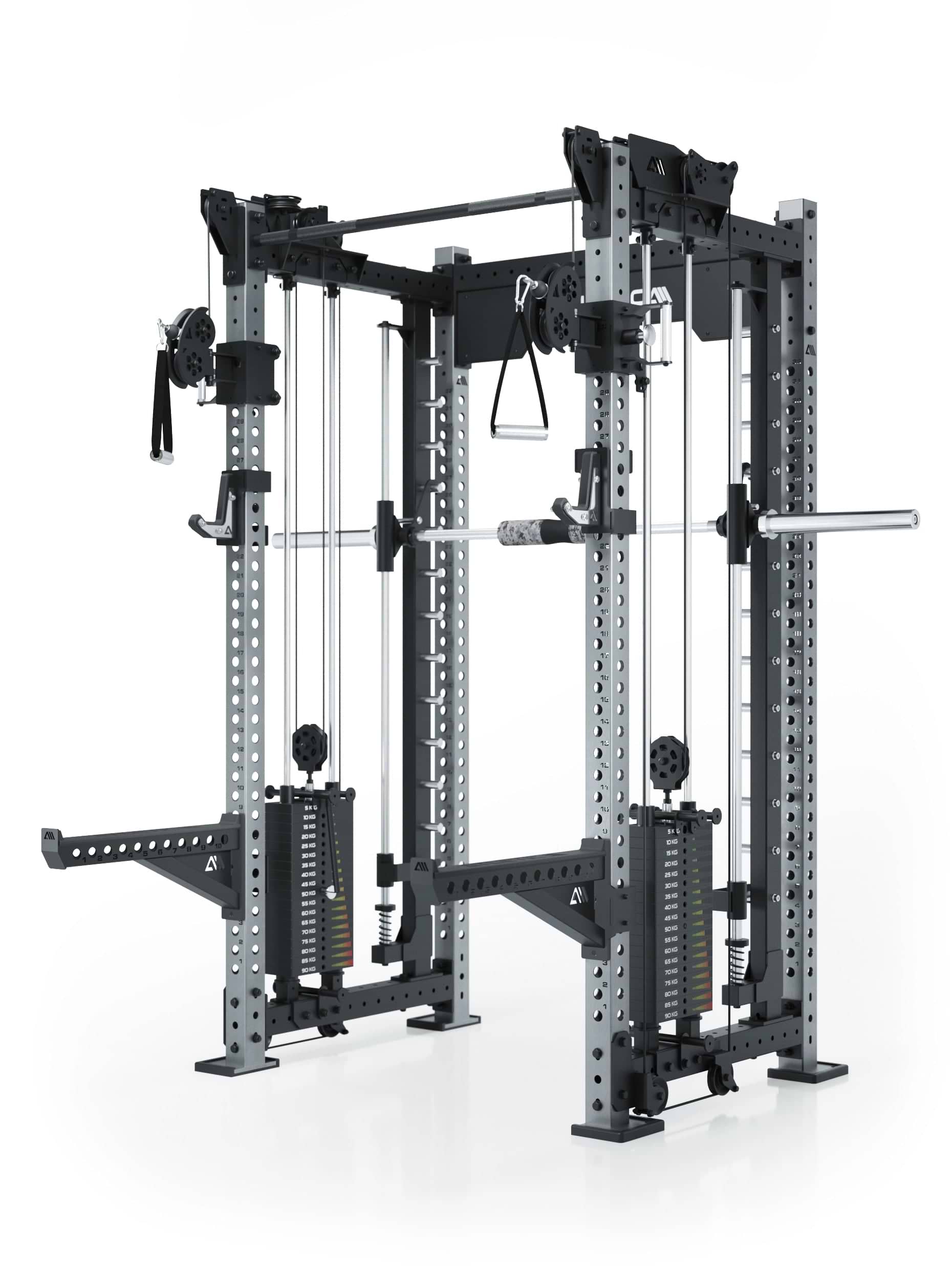
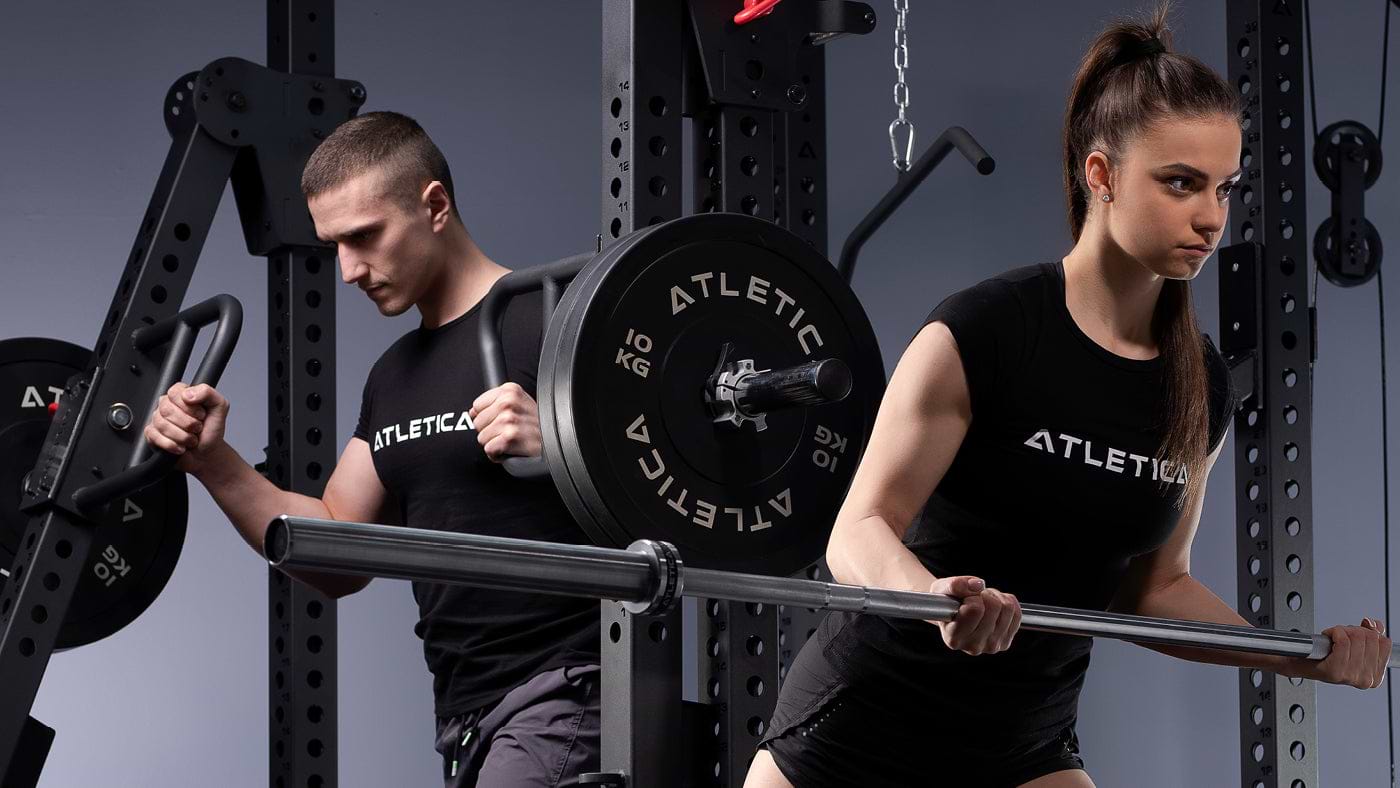
1. Robust Safety Bars / Spotter Arms
The single most important safety feature. Good Safety Arms should:
- Be easy and quick to adjust in height
- Have sufficient depth so the bar can rest safely
- Be stable enough to safely catch the maximum training weight
2. Solid build quality and high load capacity
A rack with thicker steel profiles and higher load capacity (like the R7 and R8 series) simply offers more safety reserves. Especially with heavy weights or dynamic movements, stability counts.
3. Good hole spacing and adjustment options
The finer the hole spacing, the more precisely you can set the Safety Arms to your body height and exercise. That noticeably increases safety.
4. Additional safety features
Some systems offer advanced safety options such as:
- Safety Straps (softer landing for the bar)
- Additional spotter systems
- Robust J-Hooks with locking
With Atletica Power Racks, these safety aspects are built in from the very start – from development in Mainz to final quality control.
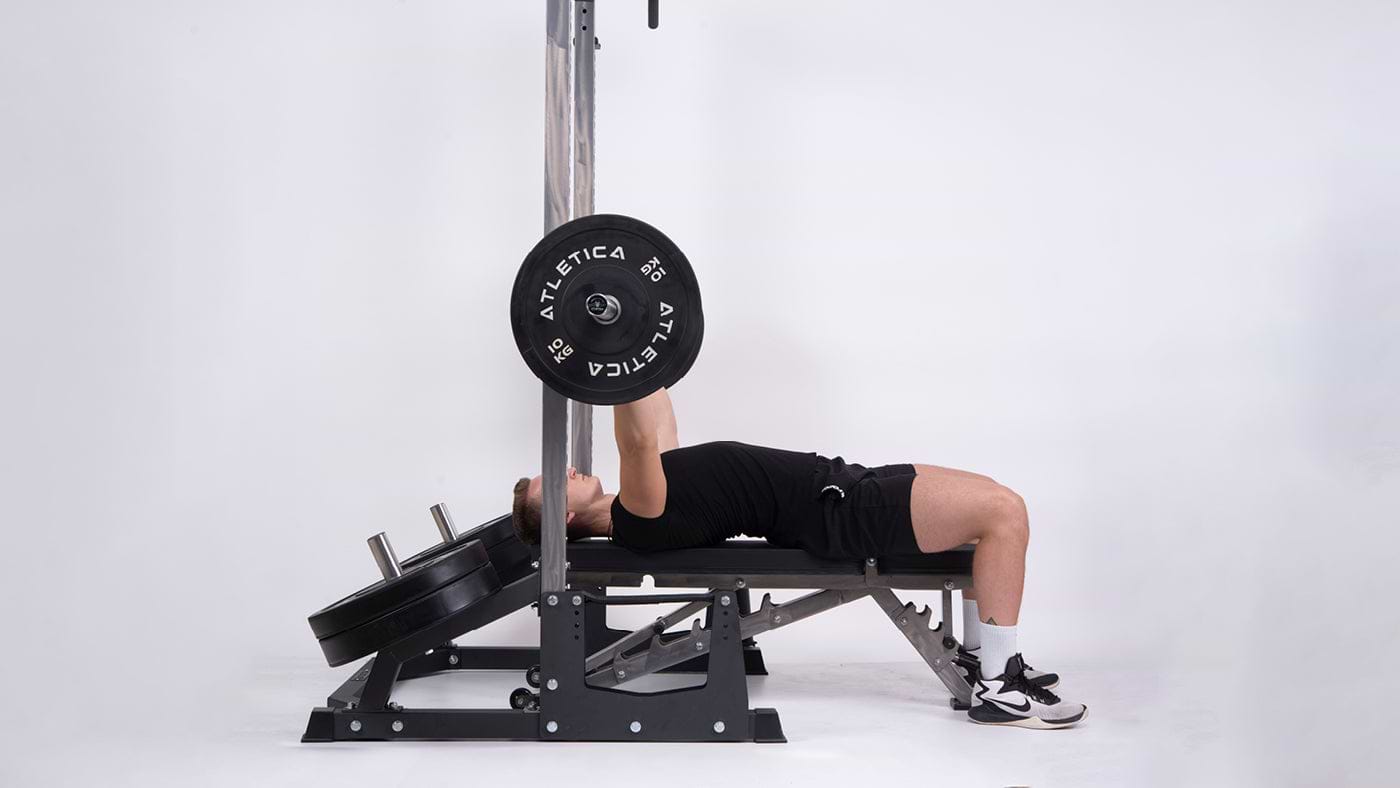
Pro tips for safe training at home
1. Always set the Safety Arms correctly
Set the Safety Arms so that you can just barely rest the bar at the lowest point of the movement – without your shoulders or lower back getting into an unfavorable position.
2. Never attempt your maximum without safeties
Even if you feel strong: for new exercises or maximum attempts, always work with Safety Arms or bring in a spotter (if available).
3. Technique before weight
Many injuries don’t come from weights that are too heavy, but from poor technique under fatigue. Focus first on clean execution.
4. Keep the space around the rack clear
Make sure you have enough room to step aside or move backwards in an emergency. No loose weights or other obstacles in the immediate vicinity.
5. Regular inspection of the equipment
Regularly check the bolts, Safety Arms and the overall stability of the rack. Especially with modular systems that you reconfigure more often.
6. Increase slowly and in a controlled way
Especially with exercises like squats or bench press, you should only increase the weight once you can handle the current load safely and cleanly.
7. Have an emergency plan
Think in advance about what you’ll do in an emergency (e.g. the “roll of shame” on bench press, stepping aside on squats). That gives you peace of mind.
Common mistakes you should avoid
- Setting the Safety Arms too high or too low
- Attempting weights that are too heavy too soon without adequate technique
- Not keeping the space around the rack clear
- Not regularly checking the rack for stability
- Wanting to “push through” another set when fatigued
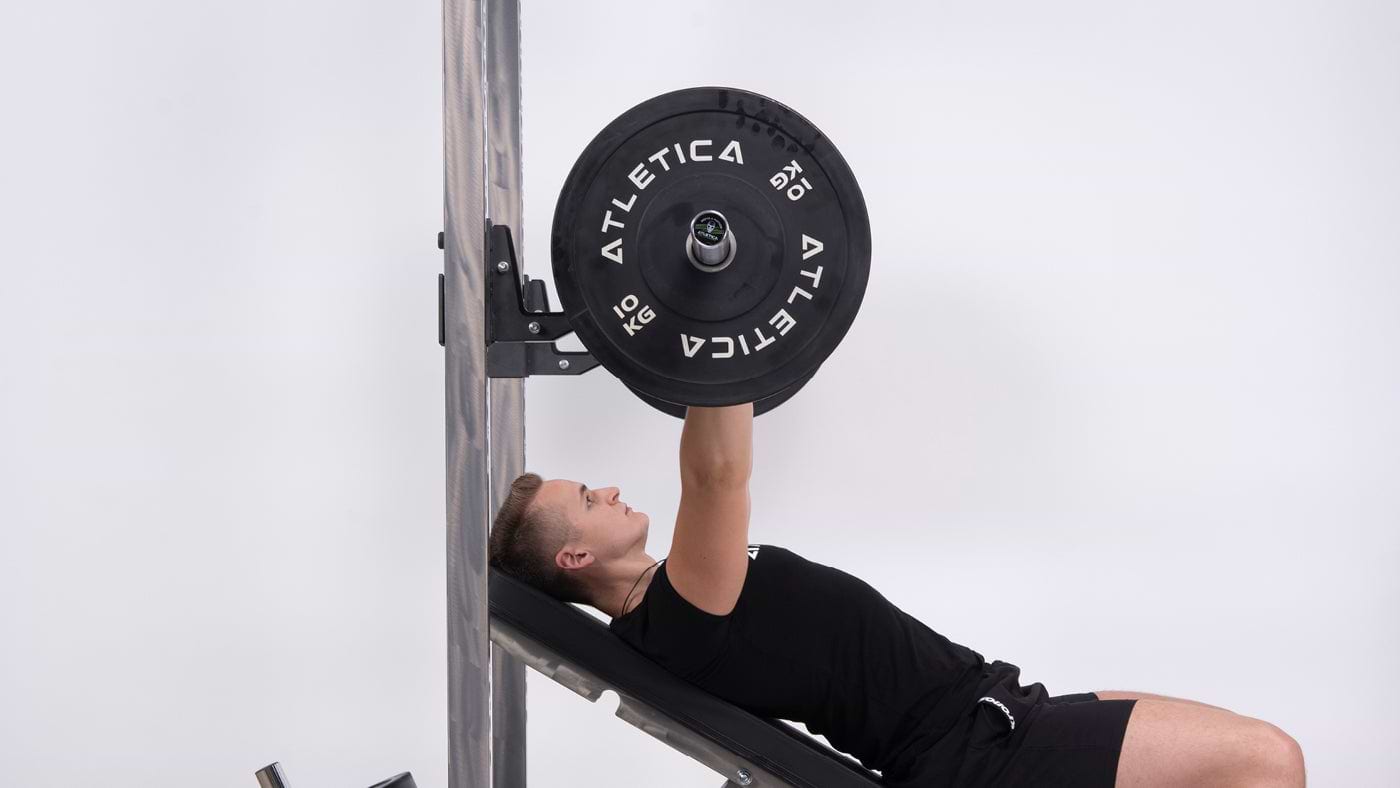
Checklist for safe training with a Power Rack
- Set the Safety Arms correctly before every heavy exercise
- Enough space around the rack
- Prioritize technique over weight
- Never train alone with maximum weights without safeties
- Check the rack regularly for stability and loose parts
- When in doubt, use one weight less
- Master emergency techniques (e.g. the roll of shame)
Conclusion: Safety is the foundation for long-term success
Good training thrives on consistency. And you’ll only stay consistent if you feel safe.
A high-quality Power Rack with well-thought-out safety features gives you exactly this foundation. Combined with the right techniques, you can train very effectively and safely at home on your own too.
That’s exactly why at Atletica we place great value on stable construction, good adjustment options and well-thought-out safety systems.
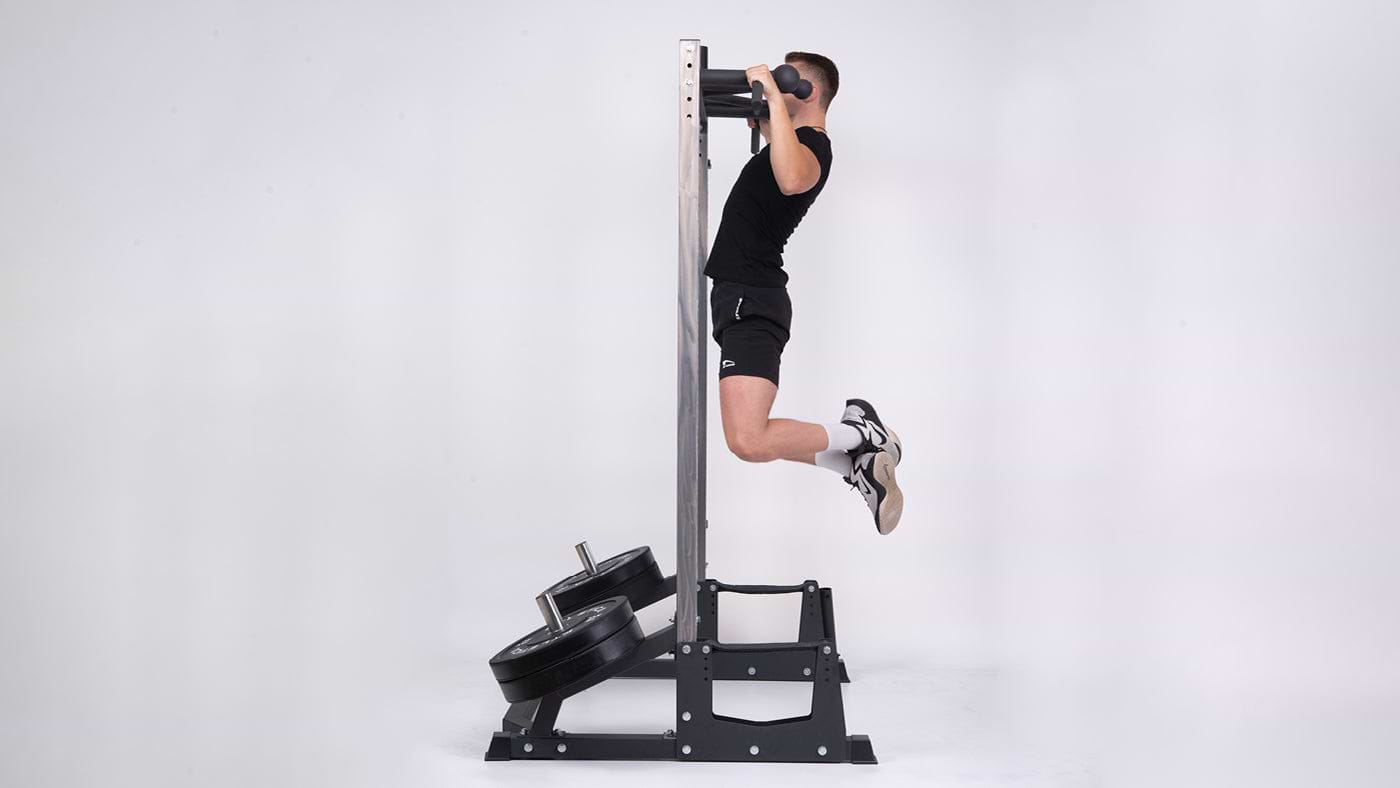
Would you like a safe and well-thought-out setup for your Home Gym?
Then book a free consultation now. We’ll help you find the right system with the right safety features for your situation.
→ Book a free consultation now
Or discover the Power Rack series with strong safety features:
Frequently Asked Questions
Are Safety Arms really enough to train safely on your own?
With correct adjustment and sensible weight selection, yes. They are the most important safety component of a good Power Racks.
How often should I check my rack for safety?
At least every 4–6 weeks, or whenever you’ve reconfigured or heavily stressed the rack.
Is a more expensive rack automatically safer?
Not automatically – but higher quality (thicker material, better build, well-thought-out safety systems) generally offers more safety reserves.
What is the biggest safety mistake most people make?
Setting the Safety Arms incorrectly or forgetting them entirely on heavy sets.