













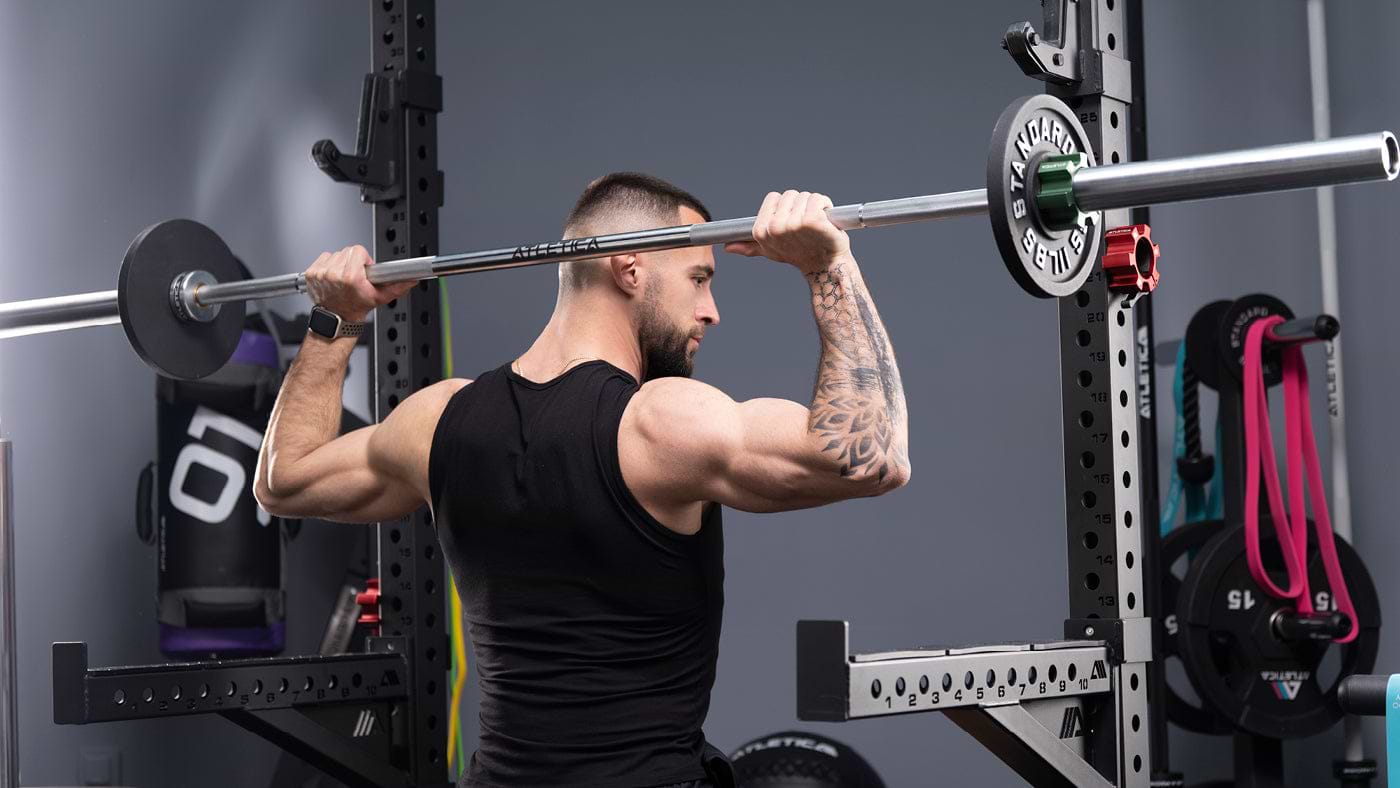
Choosing between Iron Plates and Bumper Plates is one of the biggest decisions when you build a Home Gym. Both have clear strengths and weaknesses – depending on how and where you train. Here's the honest comparison for 2026.
What are Iron Plates and what are Bumper Plates?
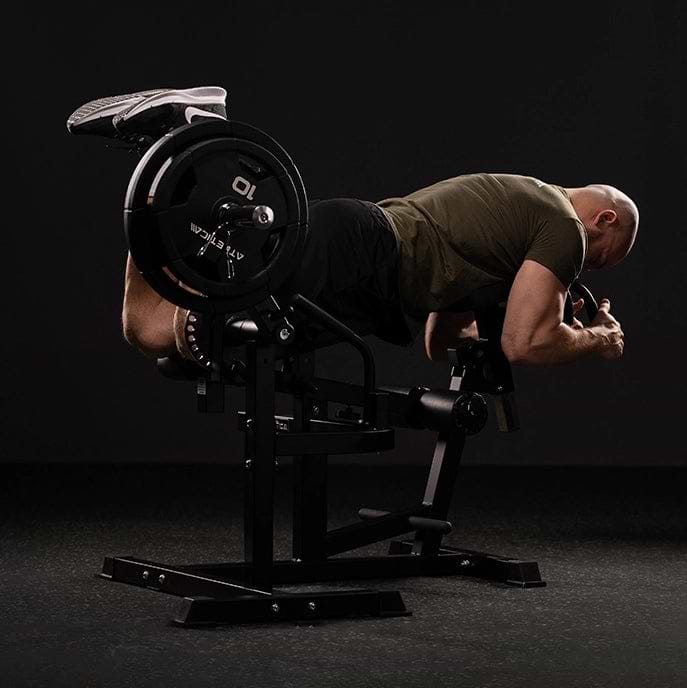
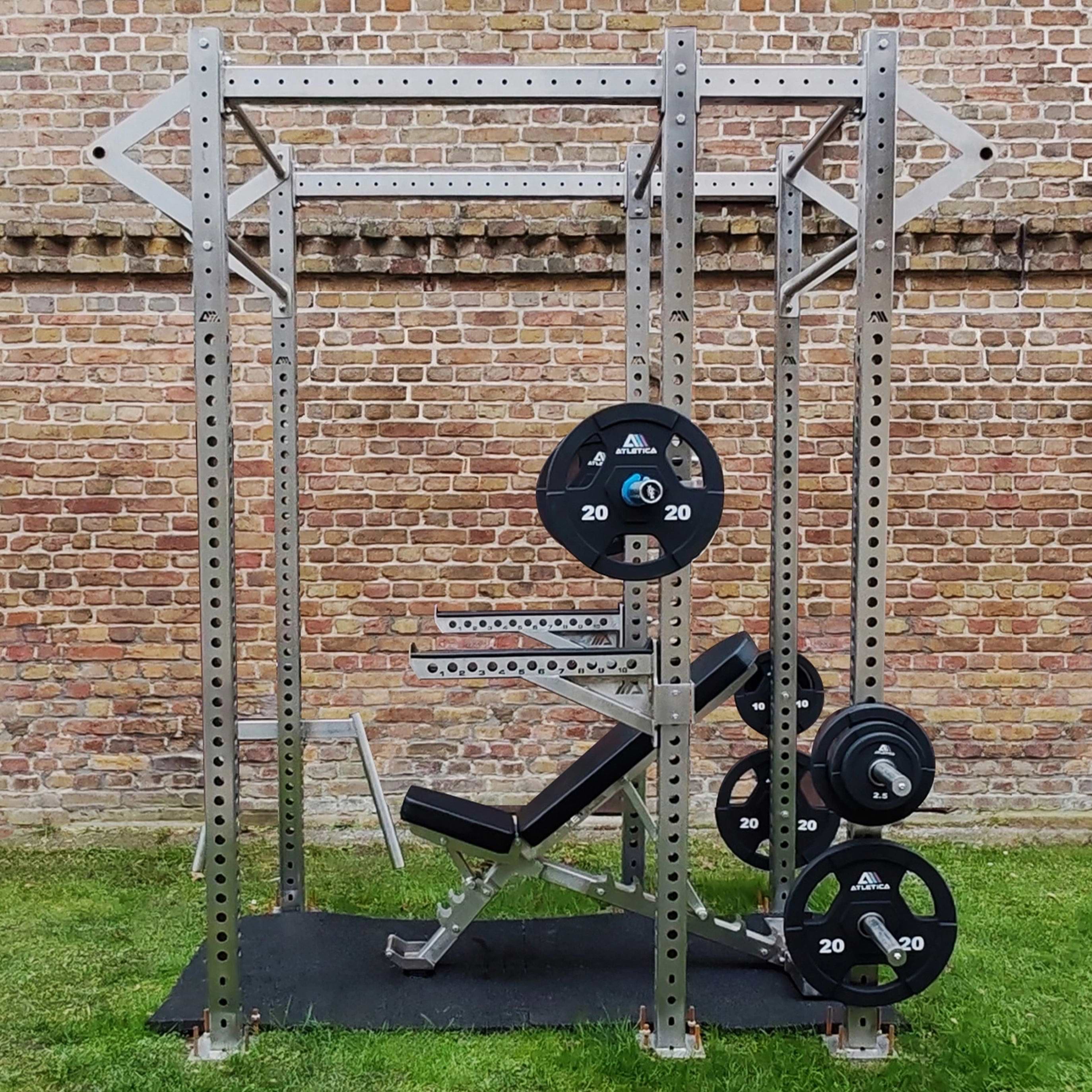
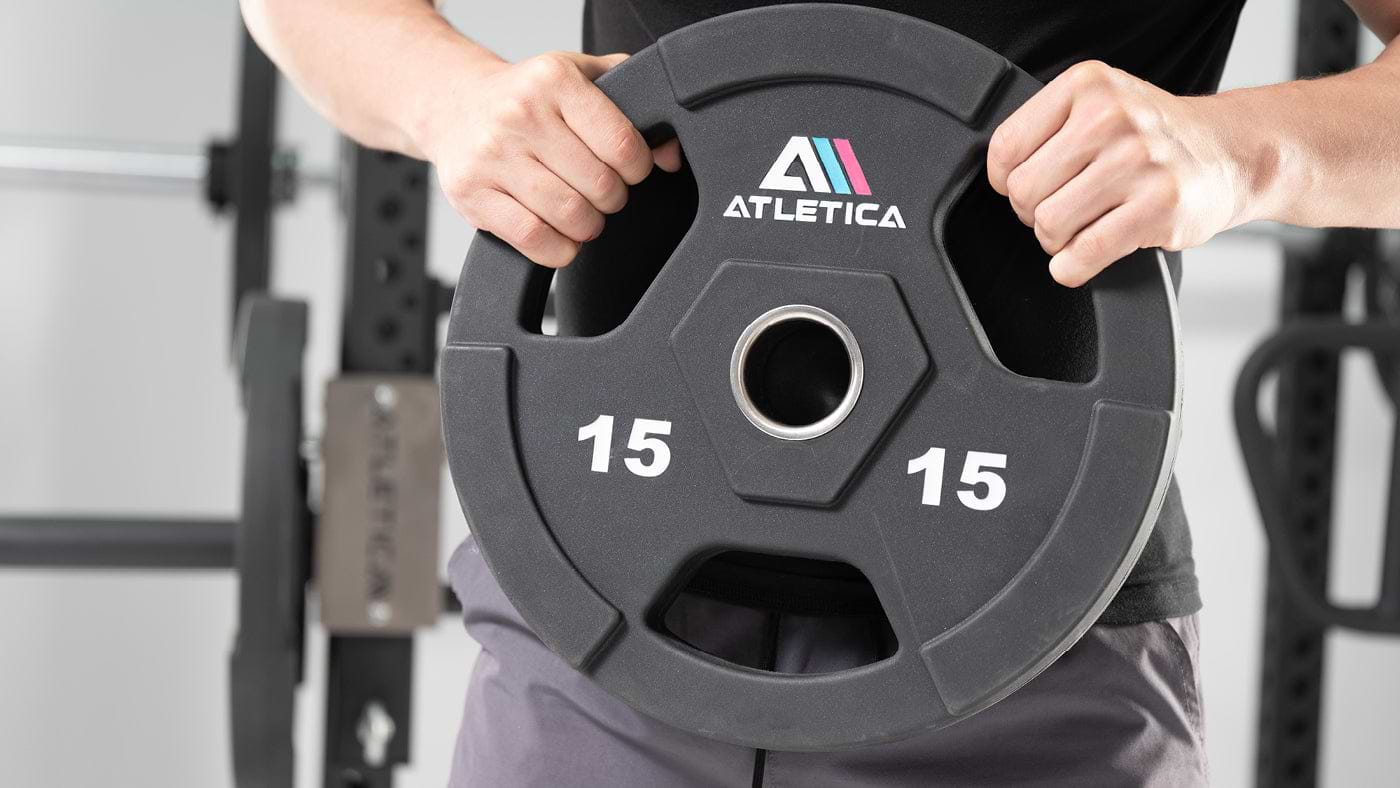
Iron Plates (cast iron plates) are the classic metal discs. They're thin, relatively cheap and let you load a great deal of weight onto the bar.
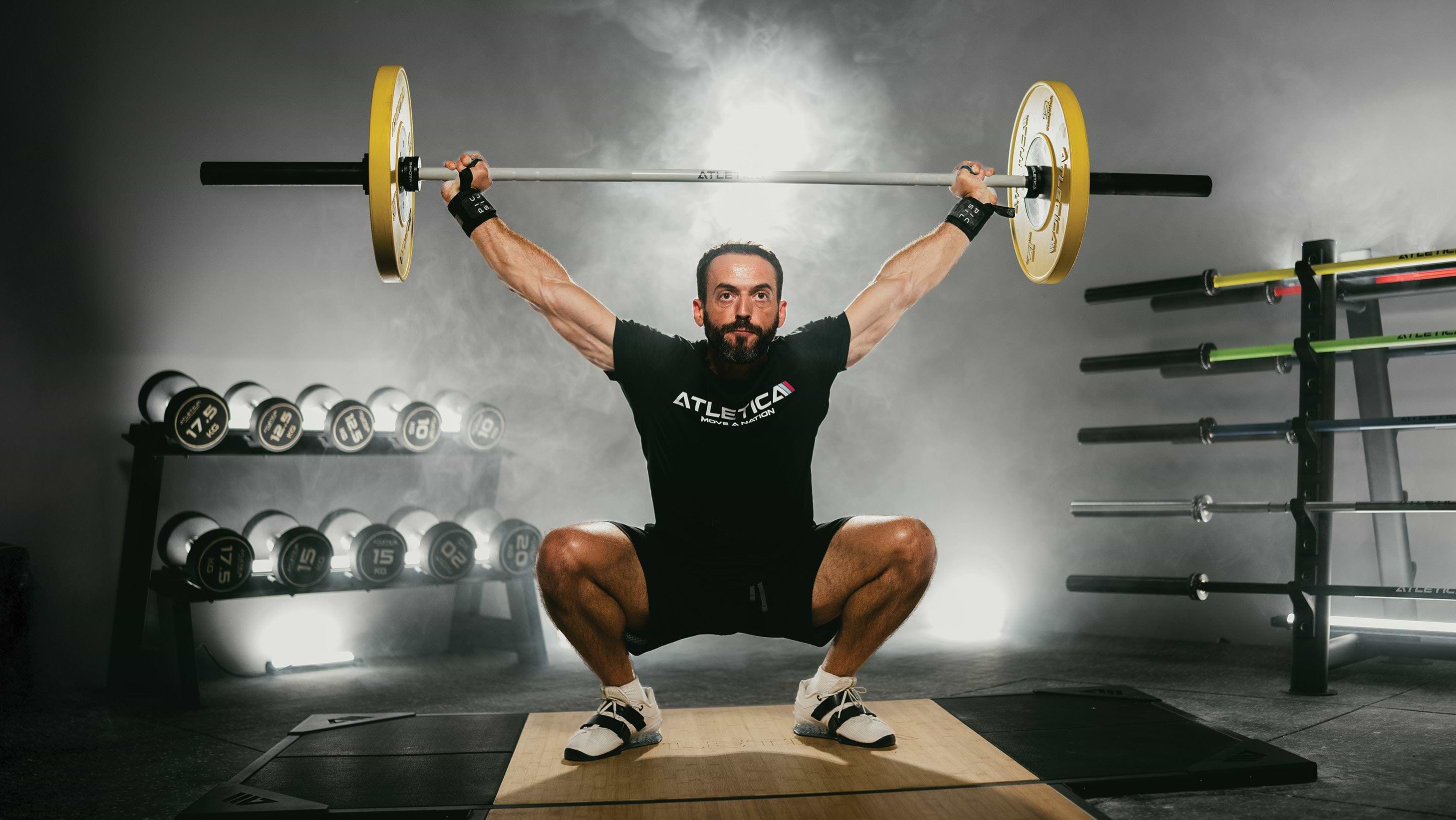
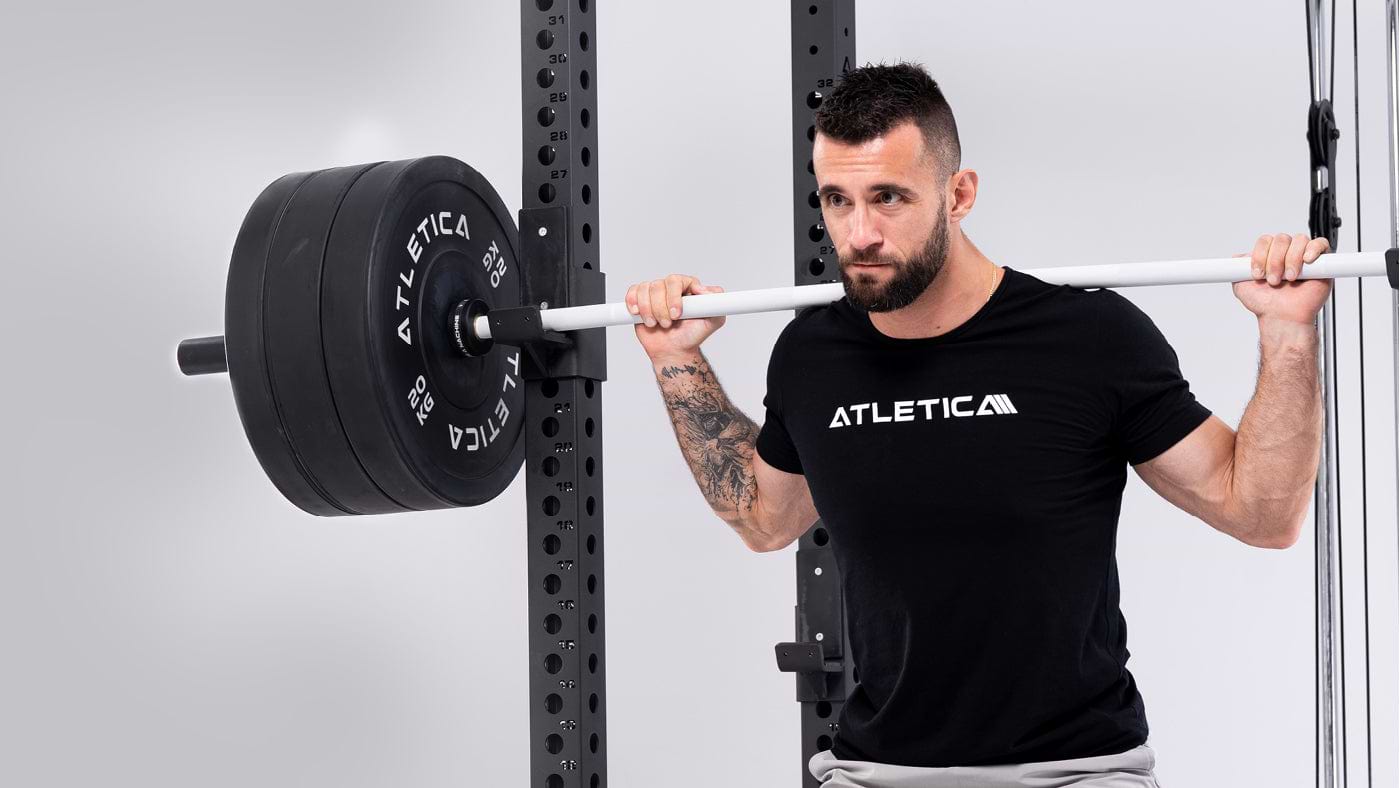
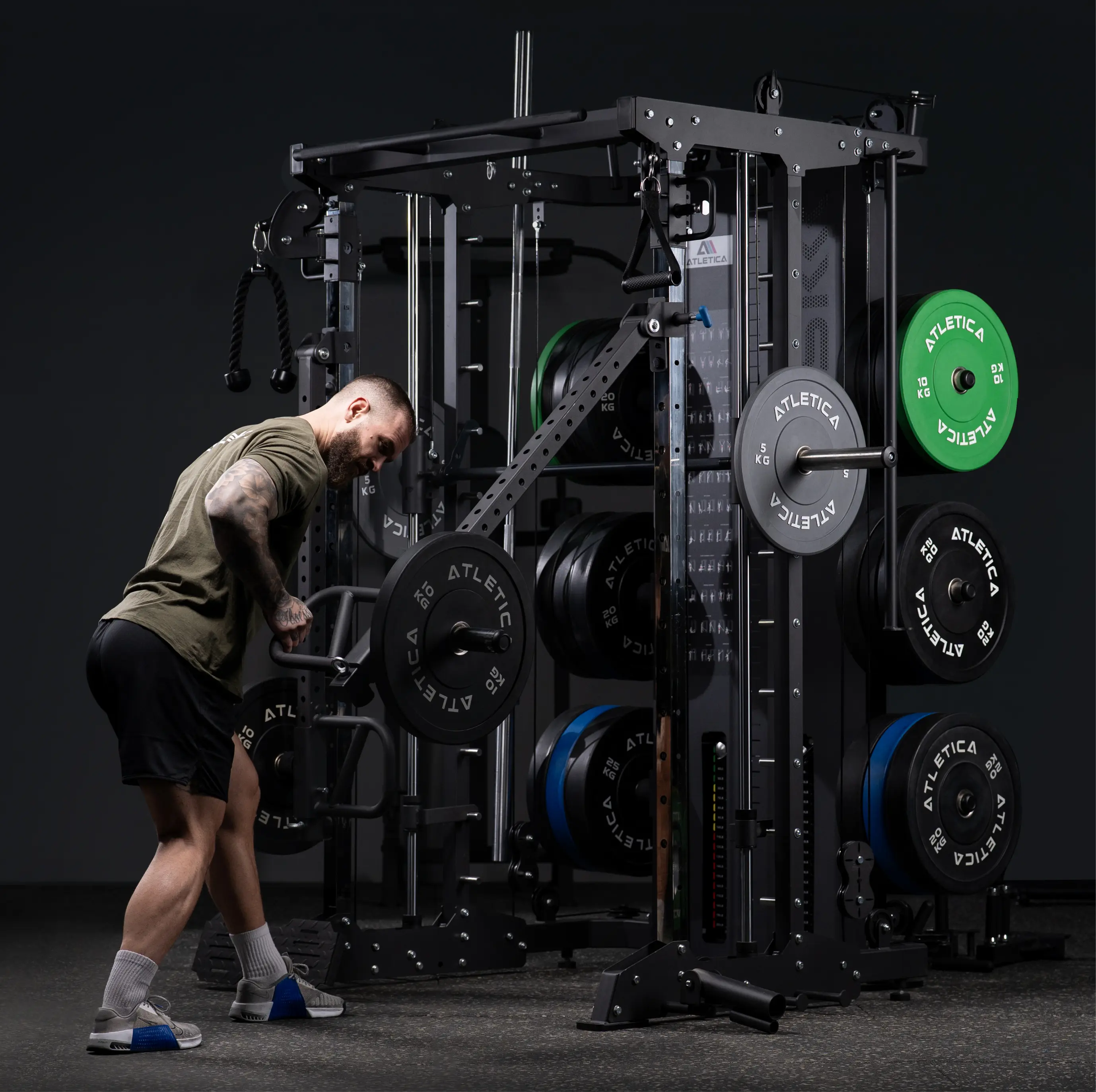
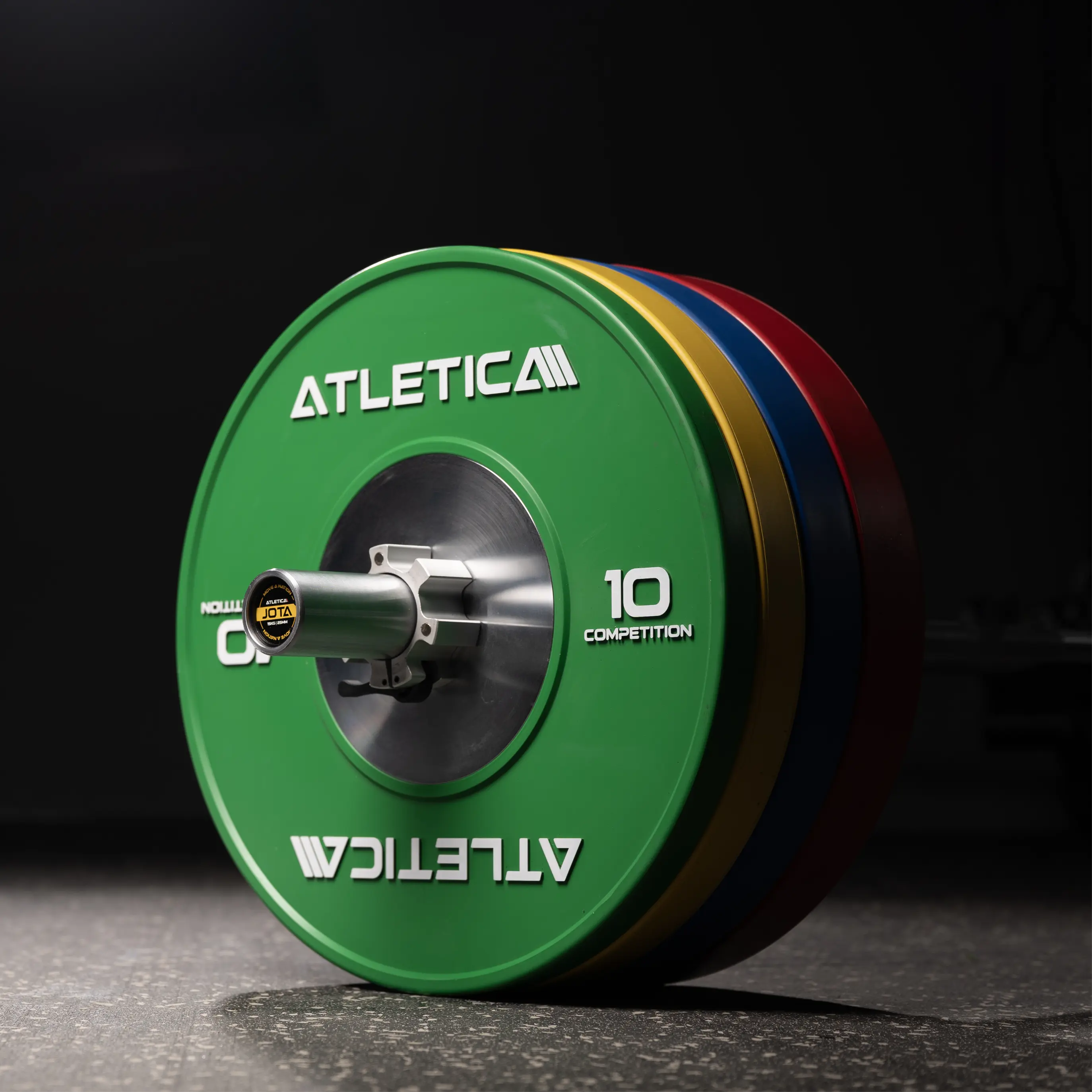
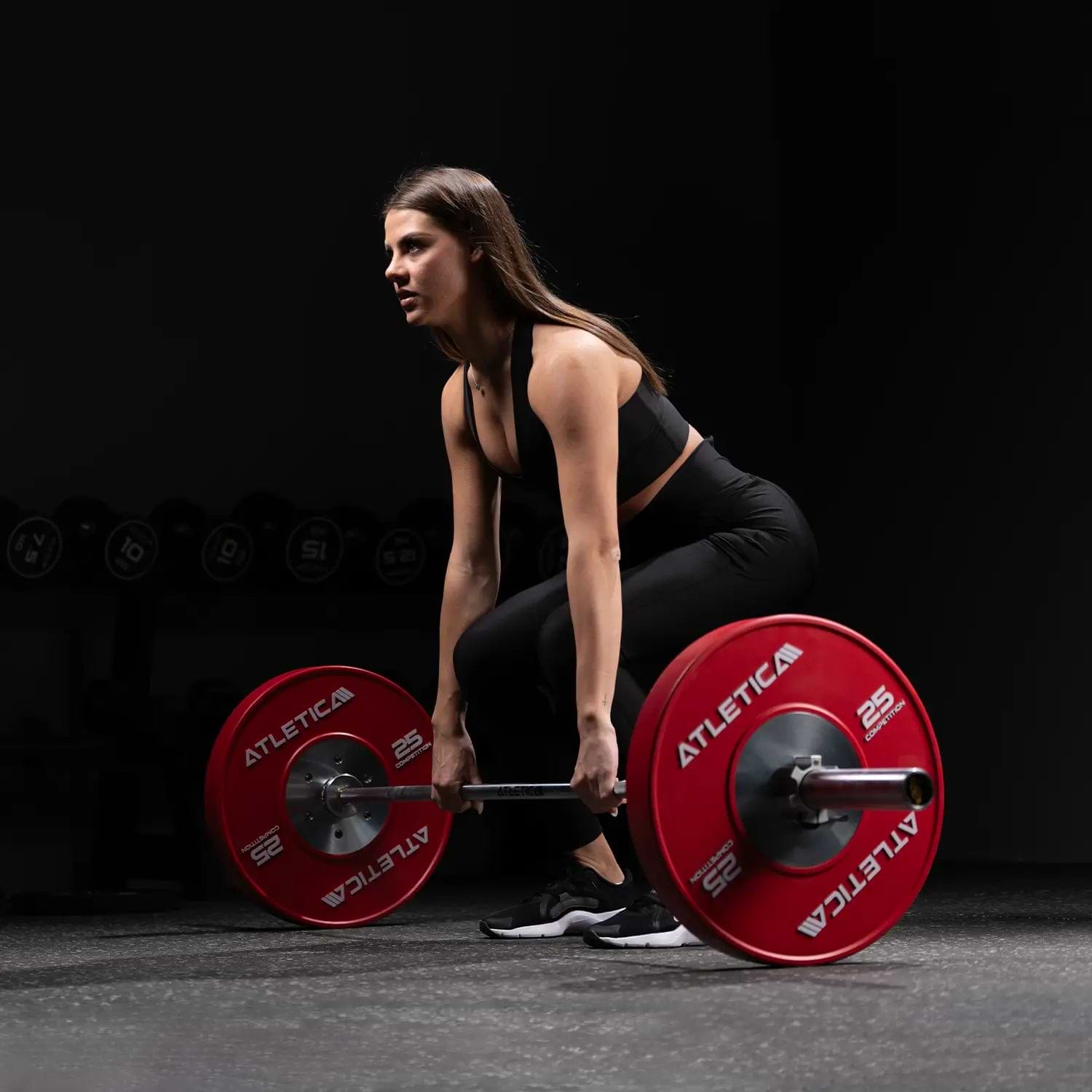
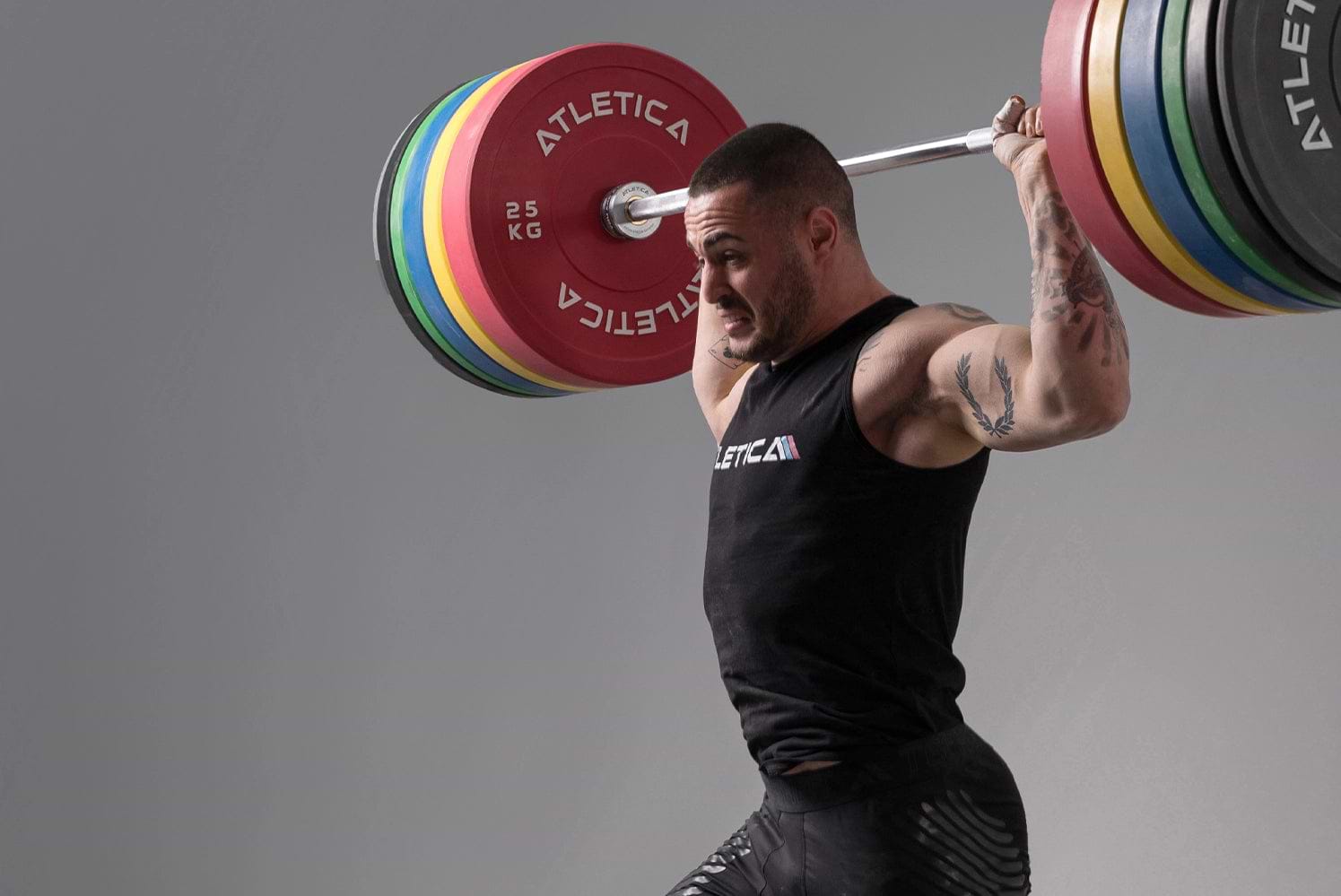
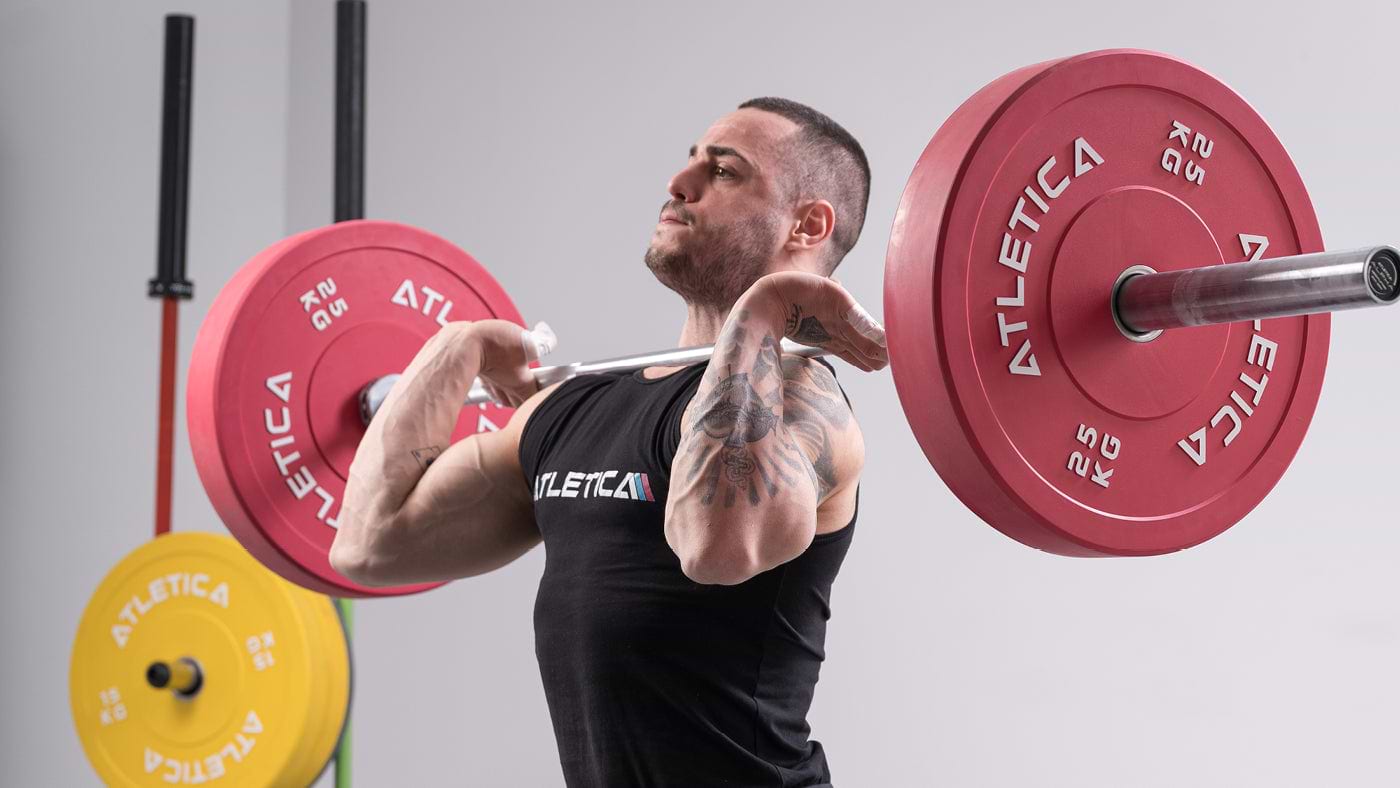
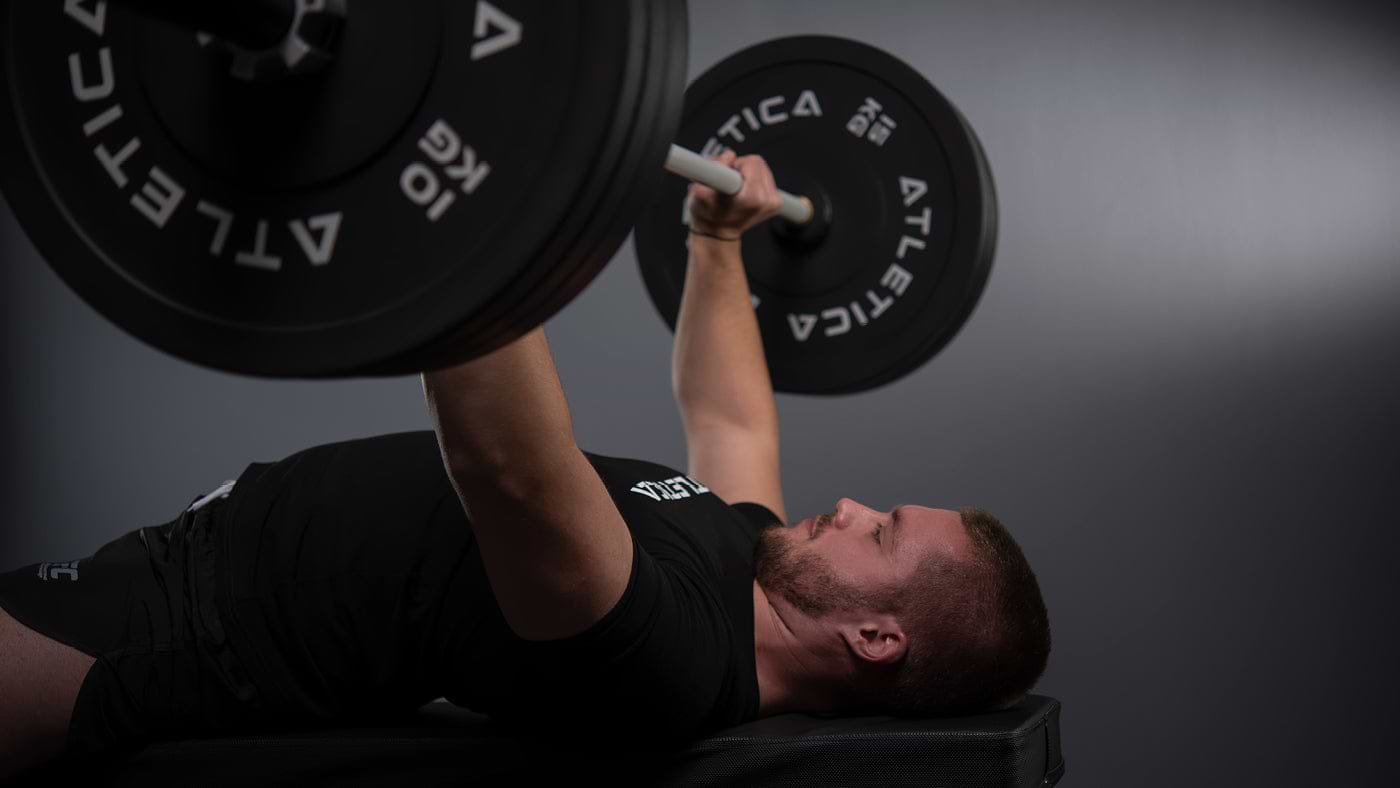
Bumper Plates have a steel core and a thick rubber or urethane casing. Every weight shares the same outside diameter, and they're built to be dropped from height.
Head to head: Iron Plates vs. Bumper Plates
|
Criterion |
Winner |
||
|
Thickness / loading capacity |
Very thin → huge amounts of weight possible |
Considerably thicker → fewer plates per side |
Iron Plates |
|
Floor protection |
Poor – they can damage the floor |
Very good – they absorb the impact well |
Bumper Plates |
|
Noise |
Loud (they clang and rattle) |
Considerably quieter |
Bumper Plates |
|
Suitable for drops |
No |
Yes (built for it) |
Bumper Plates |
|
Price |
Cheaper |
More expensive |
Iron Plates |
|
Prone to rust |
Yes (in damp conditions) |
Very little |
Bumper Plates |
|
Handling |
Often without handles |
Usually easier to grip |
Bumper / Gripper |
|
Ideal for |
Heavy powerlifting, leg press |
Weightlifting, functional, Home Gym |
Depends on your goal |
When are Iron Plates the better choice?
Iron Plates make sense if you:
- Mainly do heavy squats, bench press and deadlifts
- Want to get as much weight as possible onto the bar
- Have a hard-wearing floor (concrete, thick rubber mats)
- Don't have to worry much about noise (a cellar or garage with no neighbours)
- Want to keep the budget down
The training advantage:
Because they're so thin, you can load considerably more plates for heavy sets than you can with bumpers. That's especially noticeable on leg presses or very heavy deadlifts.
When are Bumper Plates the better choice?
In 2026, Bumper Plates are the smarter call for most Home Gym users if you:
- Train in a flat or a house with neighbours
- Want to protect the floor (parquet, tiles, screed)
- Do Olympic Lifts, cleans, snatches or functional training
- Want to train more quietly
- Occasionally drop the plates
The day-to-day advantage:
They're kind to your floor, they cut the noise massively and they're far more versatile. They also cope better with the weather and barely rust at all.
The best solution in 2026: the smart combination
Most ambitious Home Gym athletes do best with a mix:
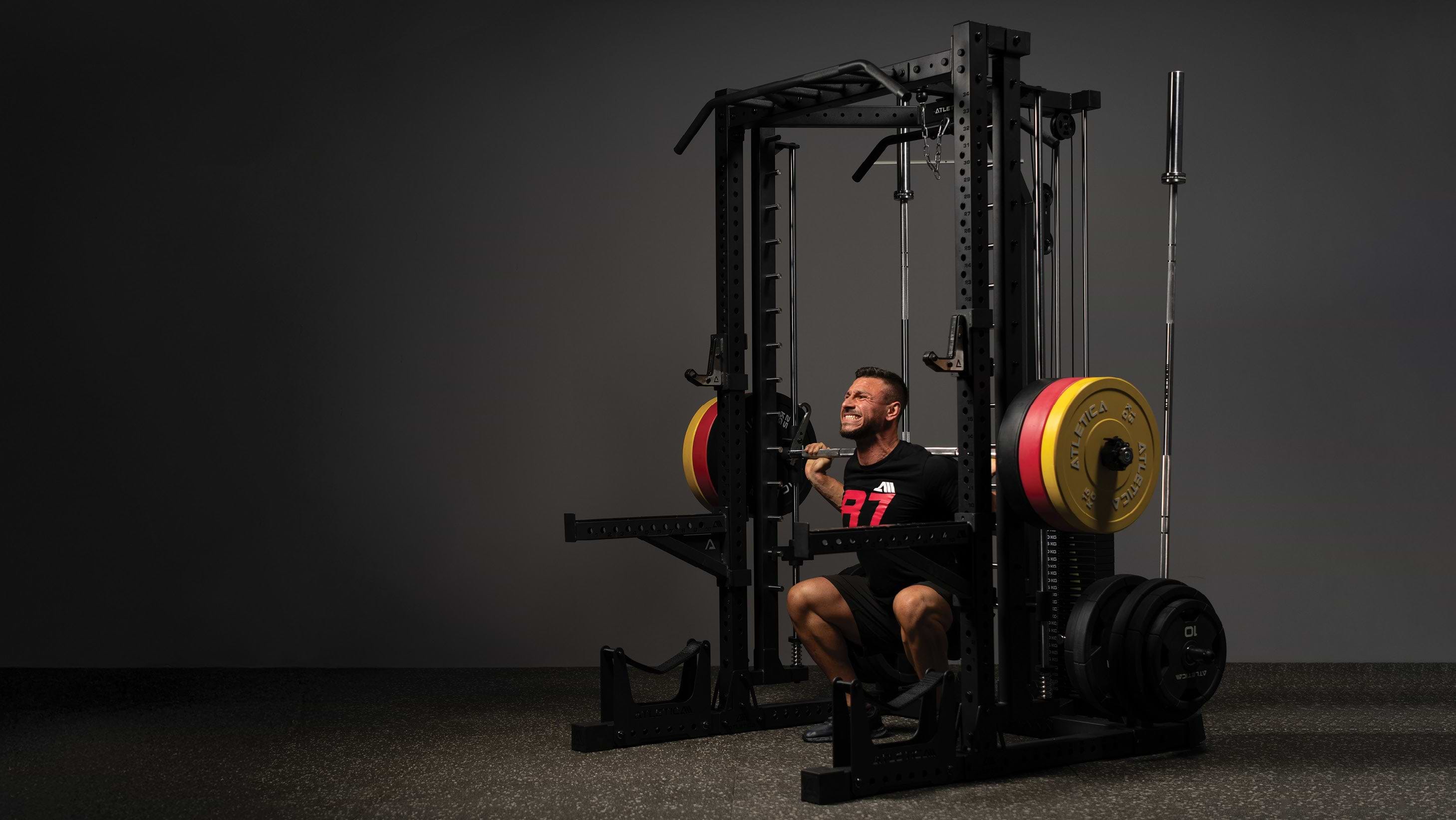
- Bumper Plates as your base (e.g. 100–150 kg) for the bulk of your training and to protect the floor
- Iron Plates on top for heavy sets, where the bar's loading capacity becomes the limiting factor
That gives you the best of both worlds: protection and quiet sessions day to day, plus maximum load on the genuinely heavy sets.
Other factors that matter
- Mats are a must: Even with bumpers you should train on good rubber gym mats.
- Gripper versions: Many modern bumpers and urethane plates have handles – that improves handling enormously.
- Weight tolerance: Good plates stay under 1–2 % deviation.
- Outdoors: Dedicated high-temp or outdoor bumpers cope far better with heat, cold and UV.
Frequently asked questions about the comparison
Can I mix bumpers and Iron Plates on the same bar?
Yes, it's actually recommended. Bumpers on the outside for protection, Iron Plates on the inside for more weight.
Are Bumper Plates really quieter?
Yes – the difference is clearly noticeable, especially when you're setting the bar down repeatedly or dropping it.
Do Iron Plates really damage the floor?
Without adequate mats, yes. Even a few hard impacts can damage tiles or parquet.
Which plates for beginners?
Bumper Plates. They're safer, quieter and more versatile. You can add Iron Plates later.
Are expensive competition bumpers worth it in a Home Gym?
Only if you need extremely precise weights and minimal bounce. For most people, high-quality standard bumpers are entirely enough.
Key takeaways
- Iron Plates win on maximum loading capacity and price.
- Bumper Plates win clearly on floor protection, noise and drop safety.
- For most Home Gyms in 2026, Bumper Plates are the better base.
- The optimal solution is often a combination of the two.
- Good mats remain essential whichever plates you choose.
Your next step
Want to make the right decision for your setup?
Compare the current Atletica Iron Plates and Bumper Plates (including the Gripper and outdoor versions). With the 100-day test you can take your time trying out what suits your training and your room.
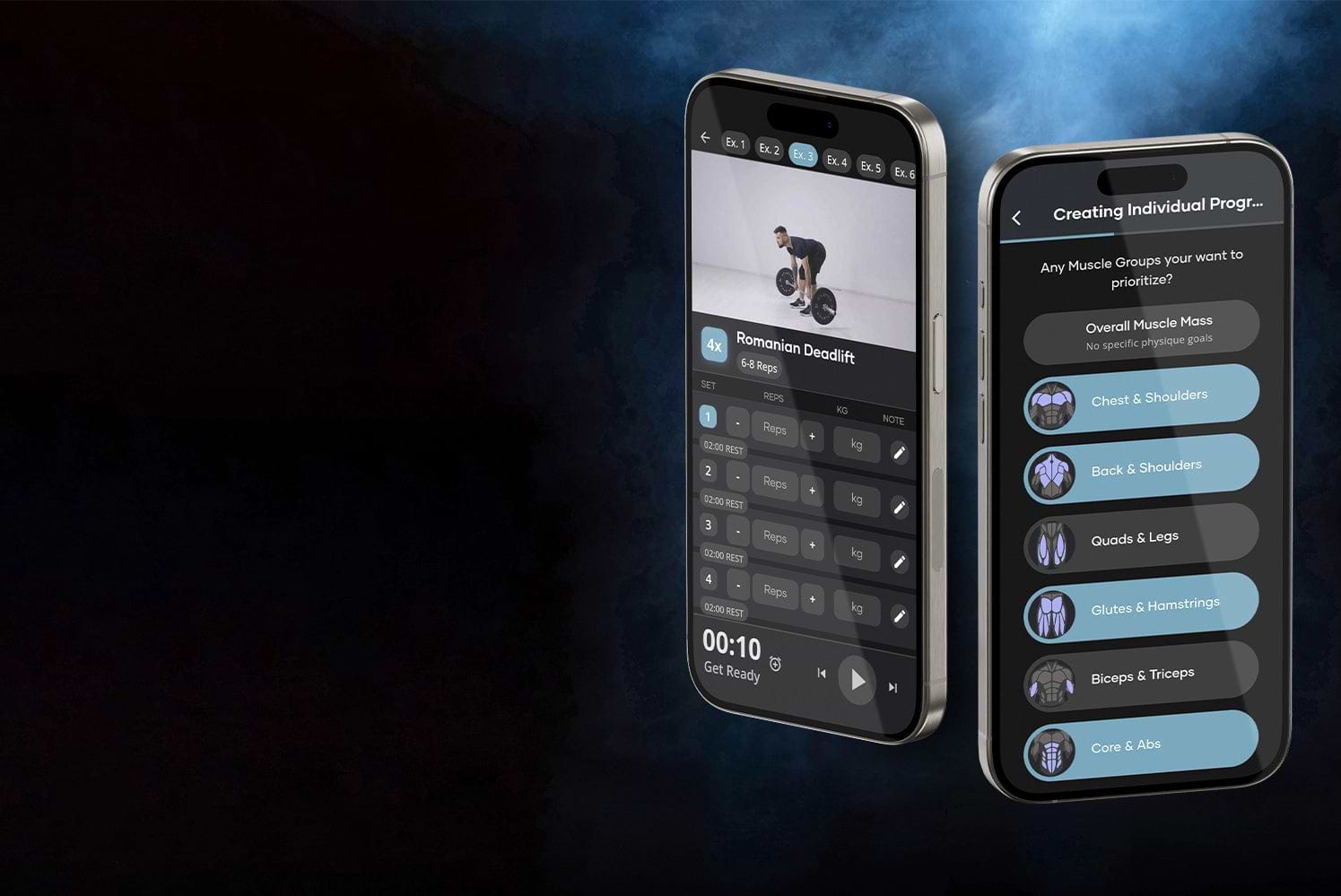
Book a free consultation or plan your ideal plate setup straight away in the Training App.