











Book a free 1-on-1 consultation with an expert.
Customer service is available Monday through Friday, 8 AM–4 PM.

Iron Plates
Back to basics. Built to last.
9 products
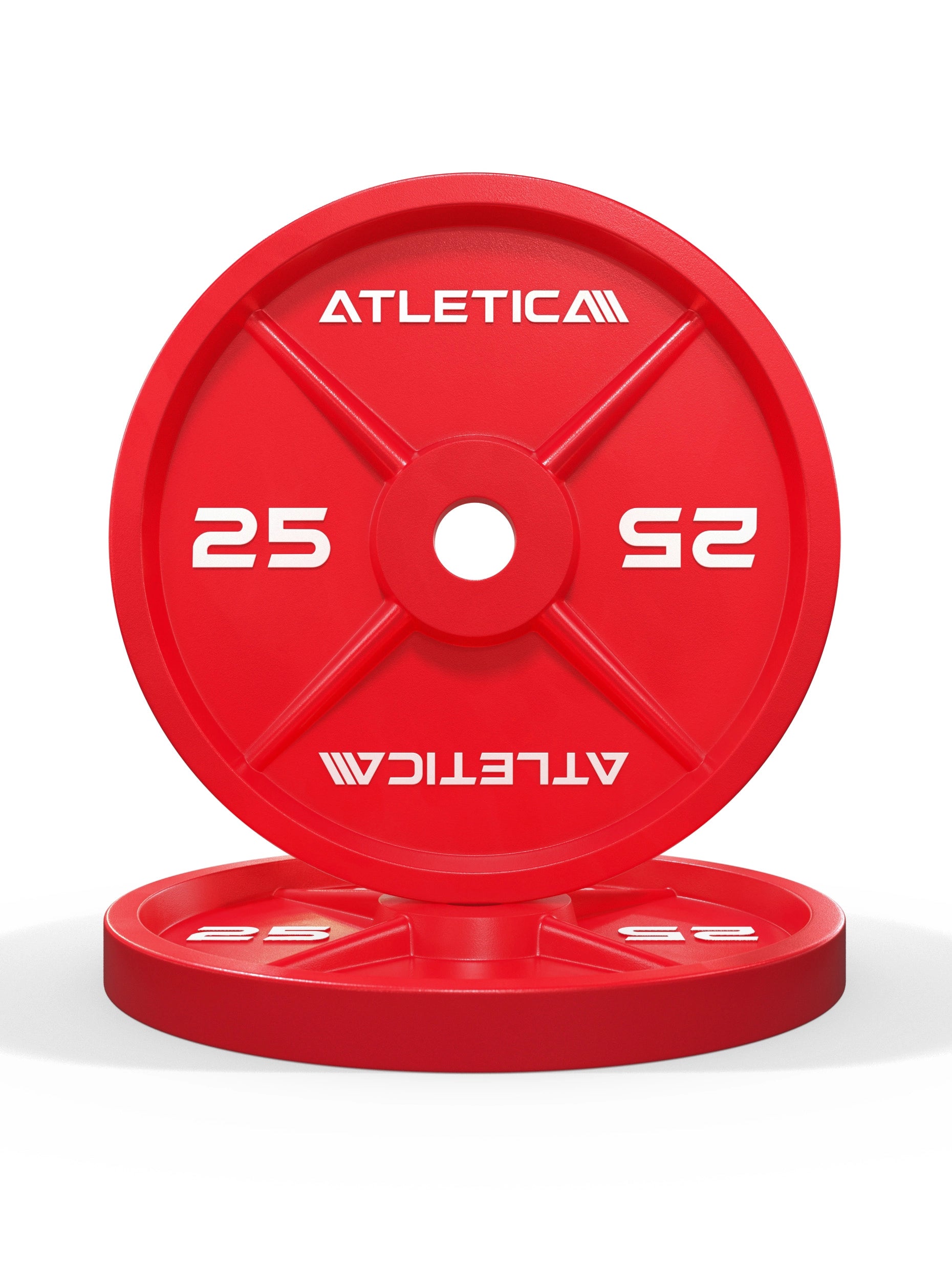
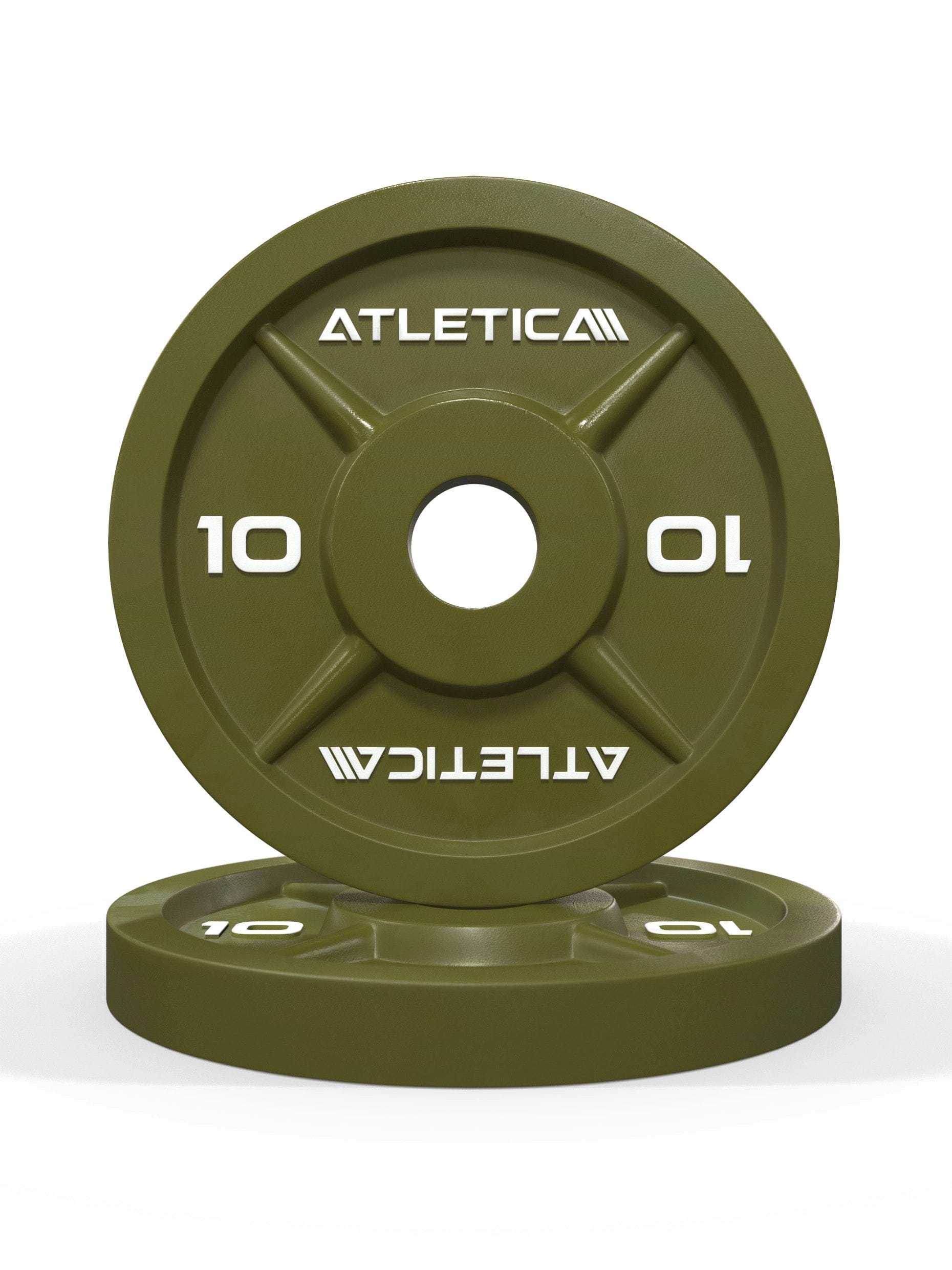
Color Iron Plates | Pair
Sale Price9€
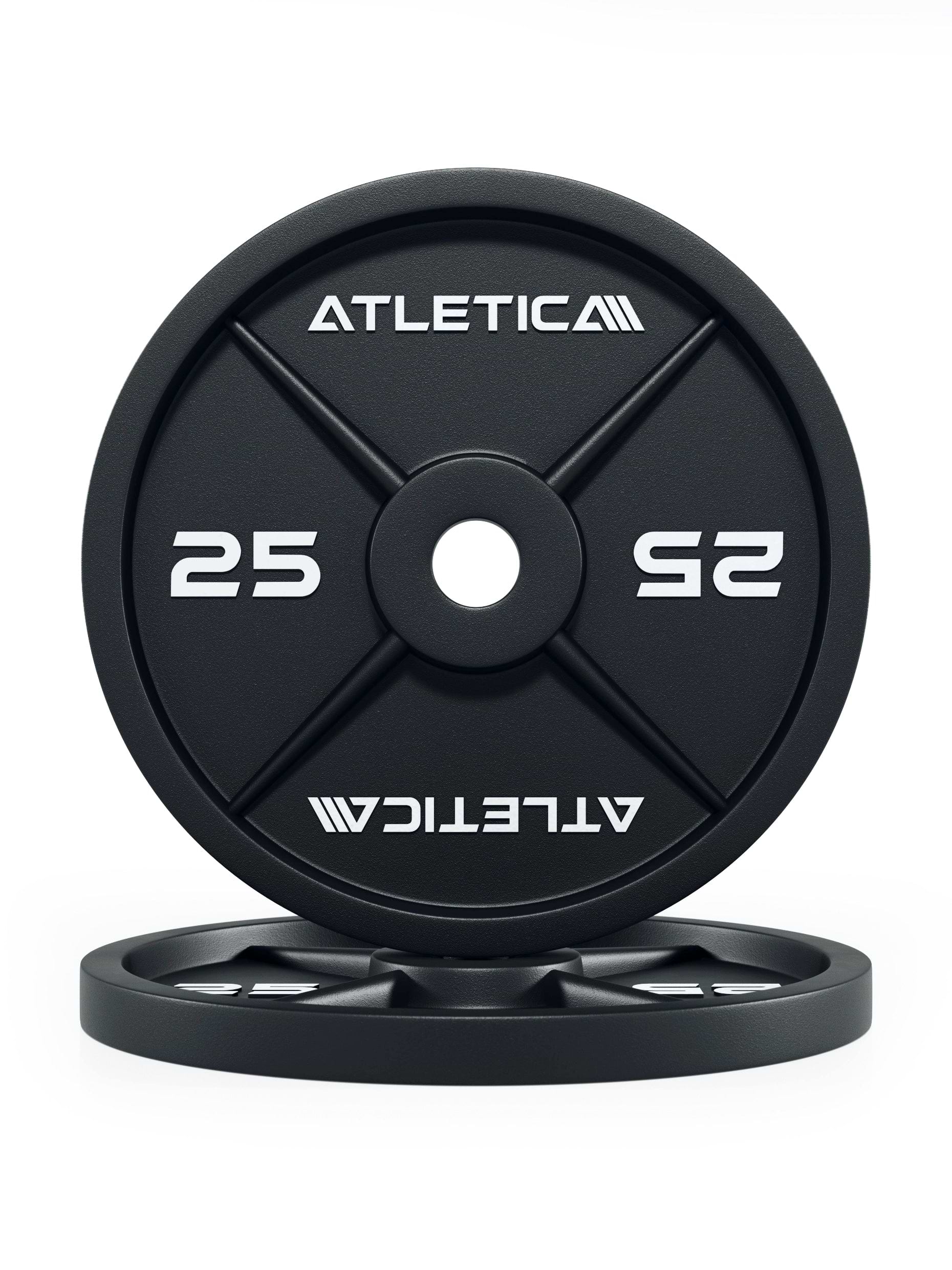
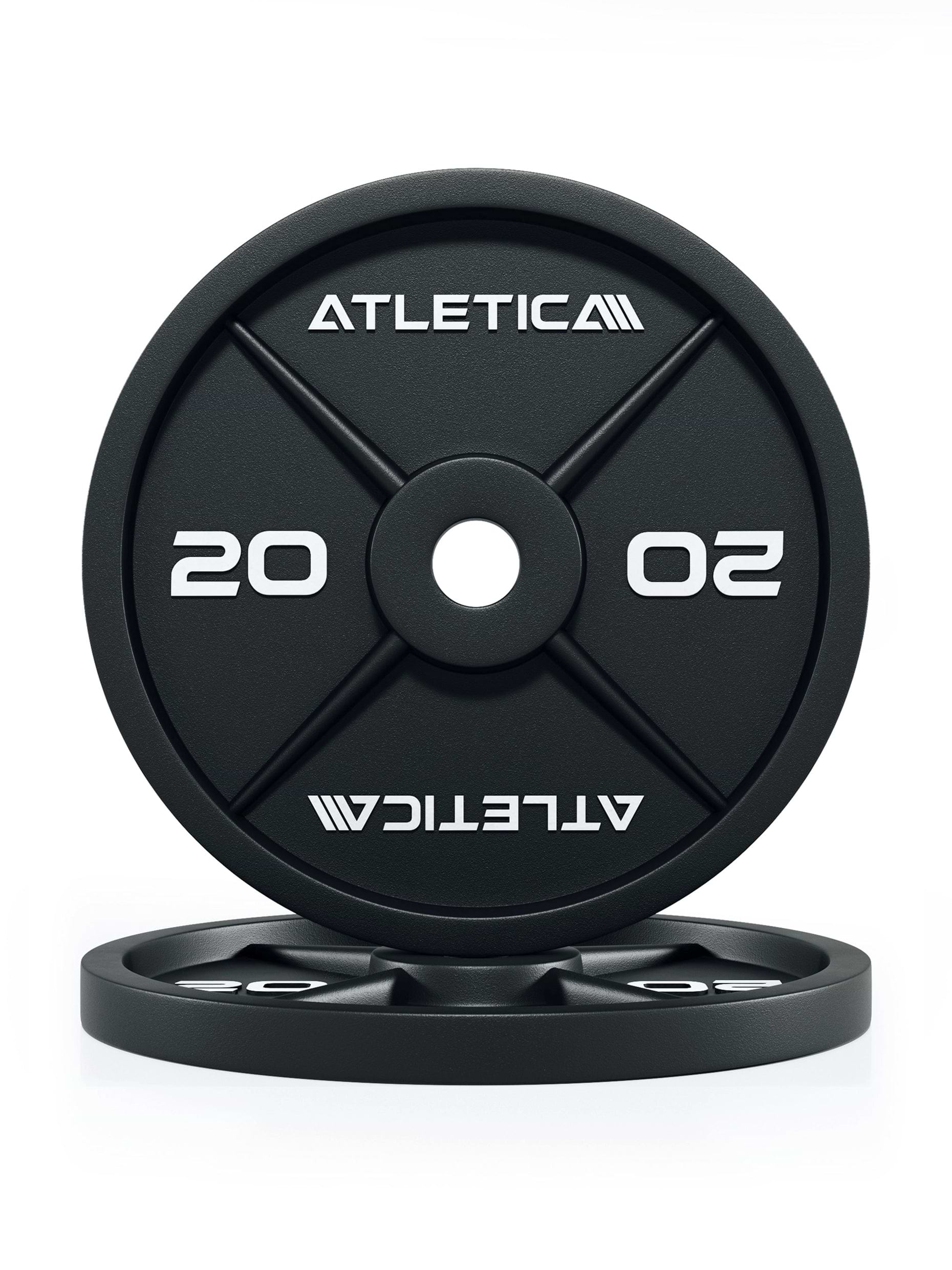
Iron Plates | Pair
Sale Price7,50€
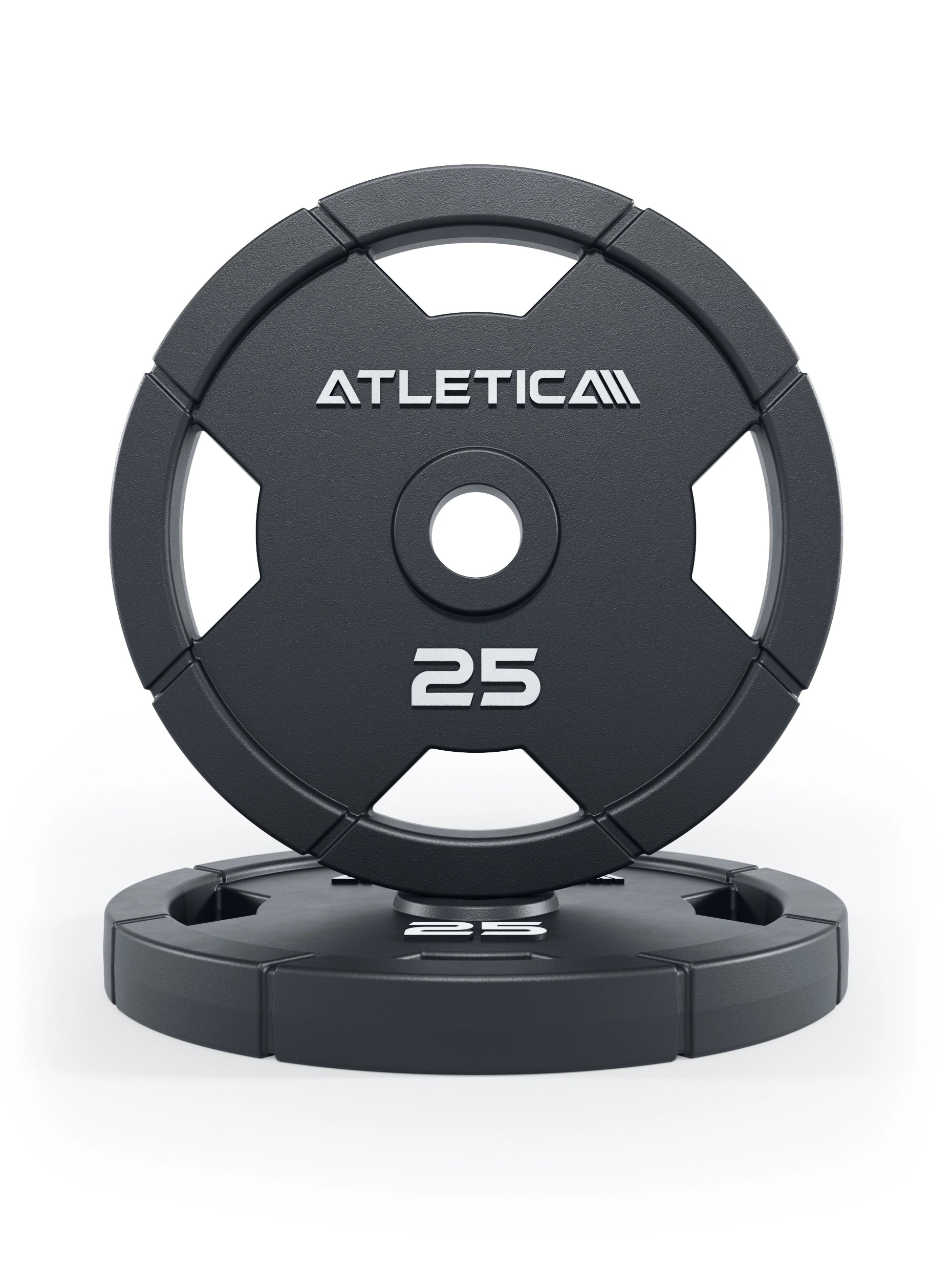
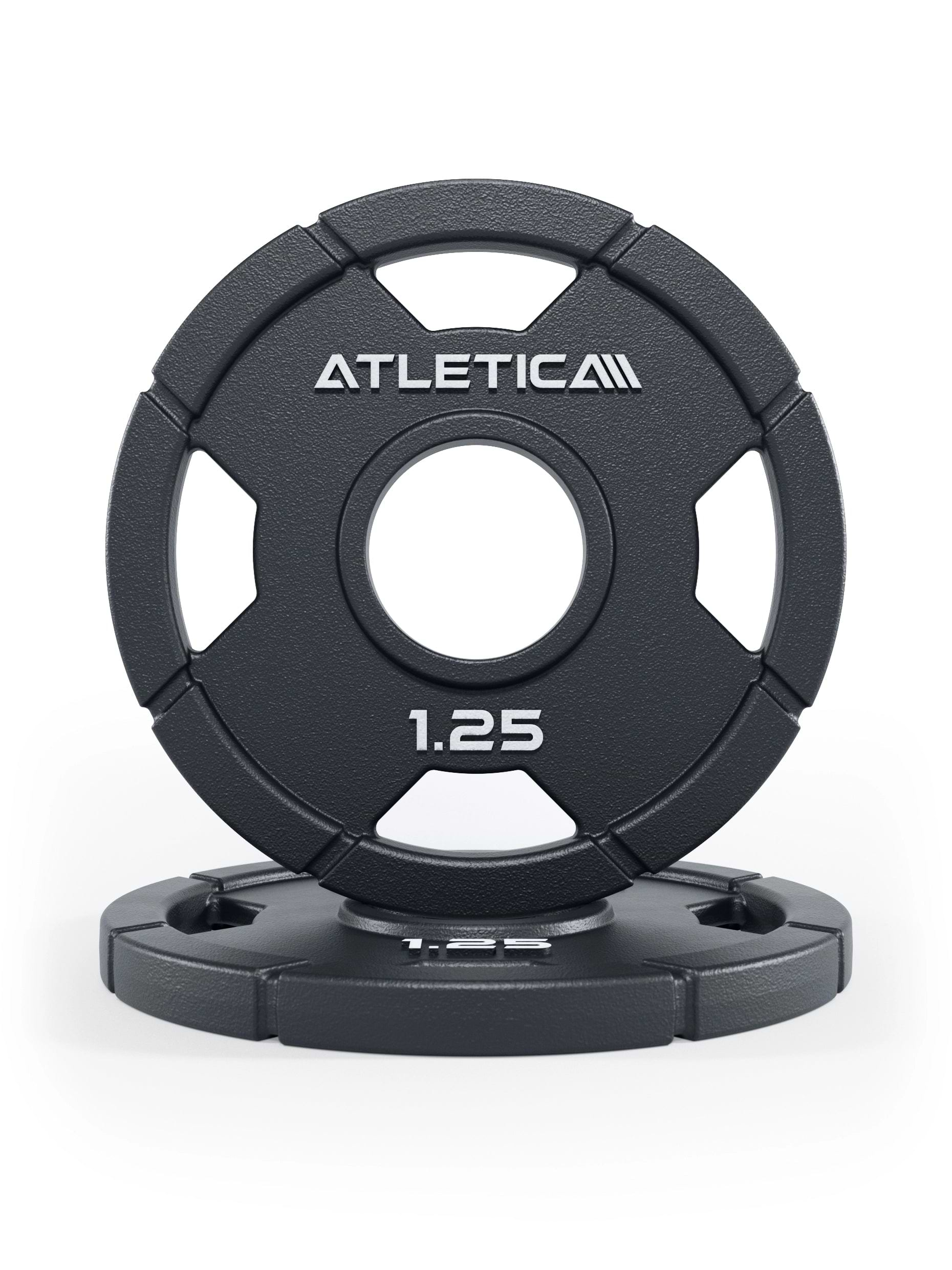
4H Iron Plates | Pair
Sale Price8€
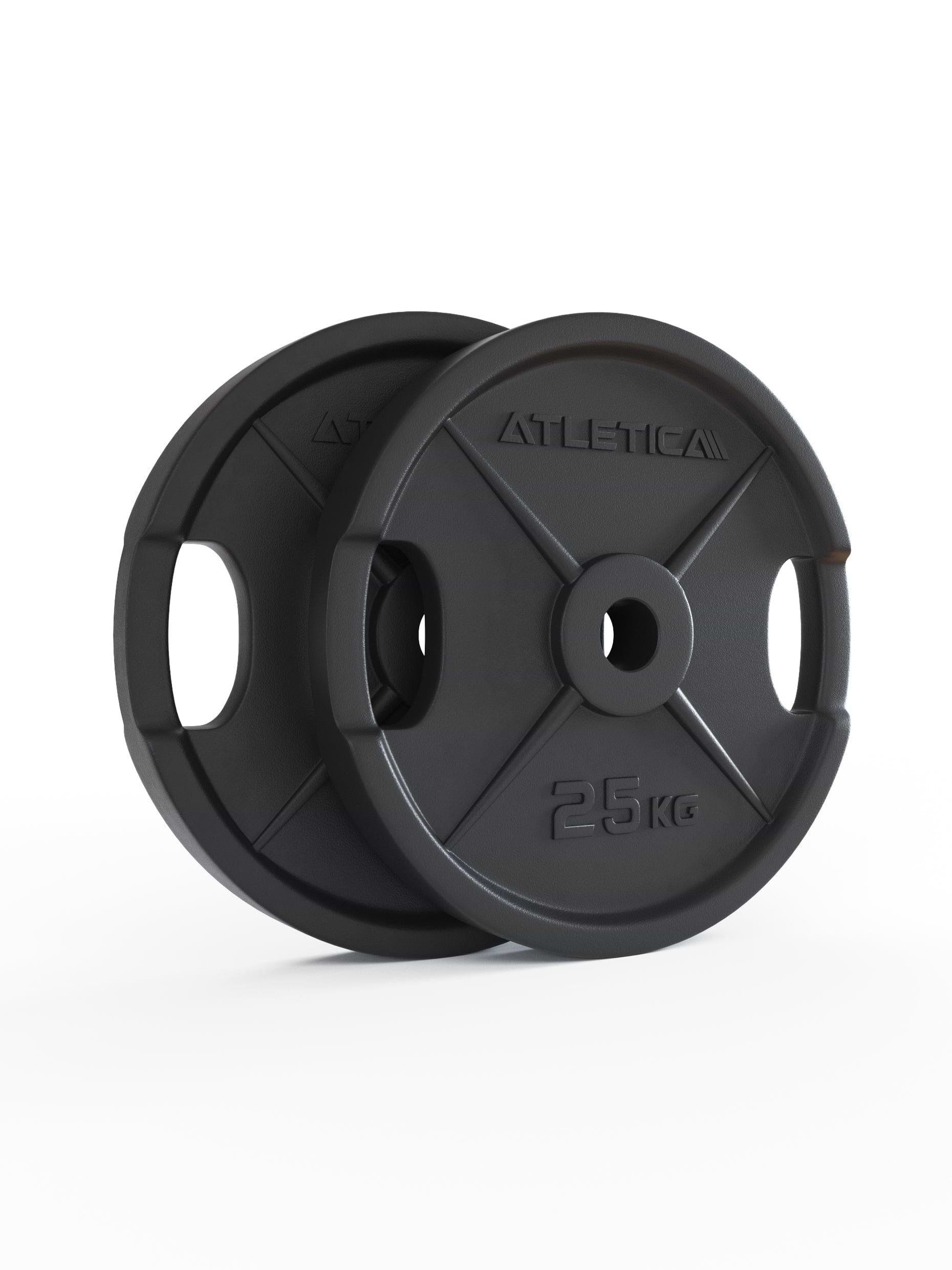
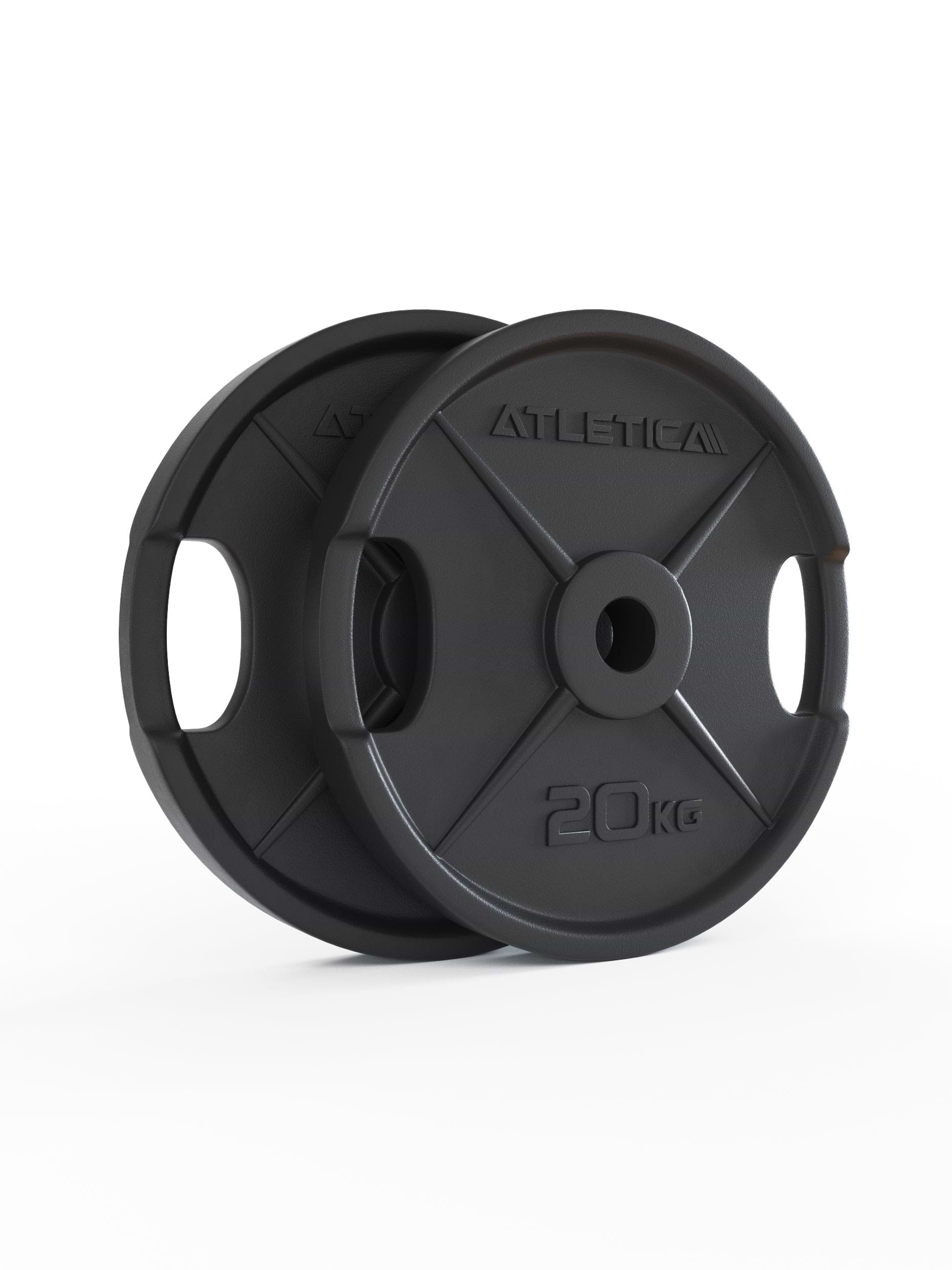
2H Iron Plates | Pair
Sale PriceFrom 10€
Regular Price15€
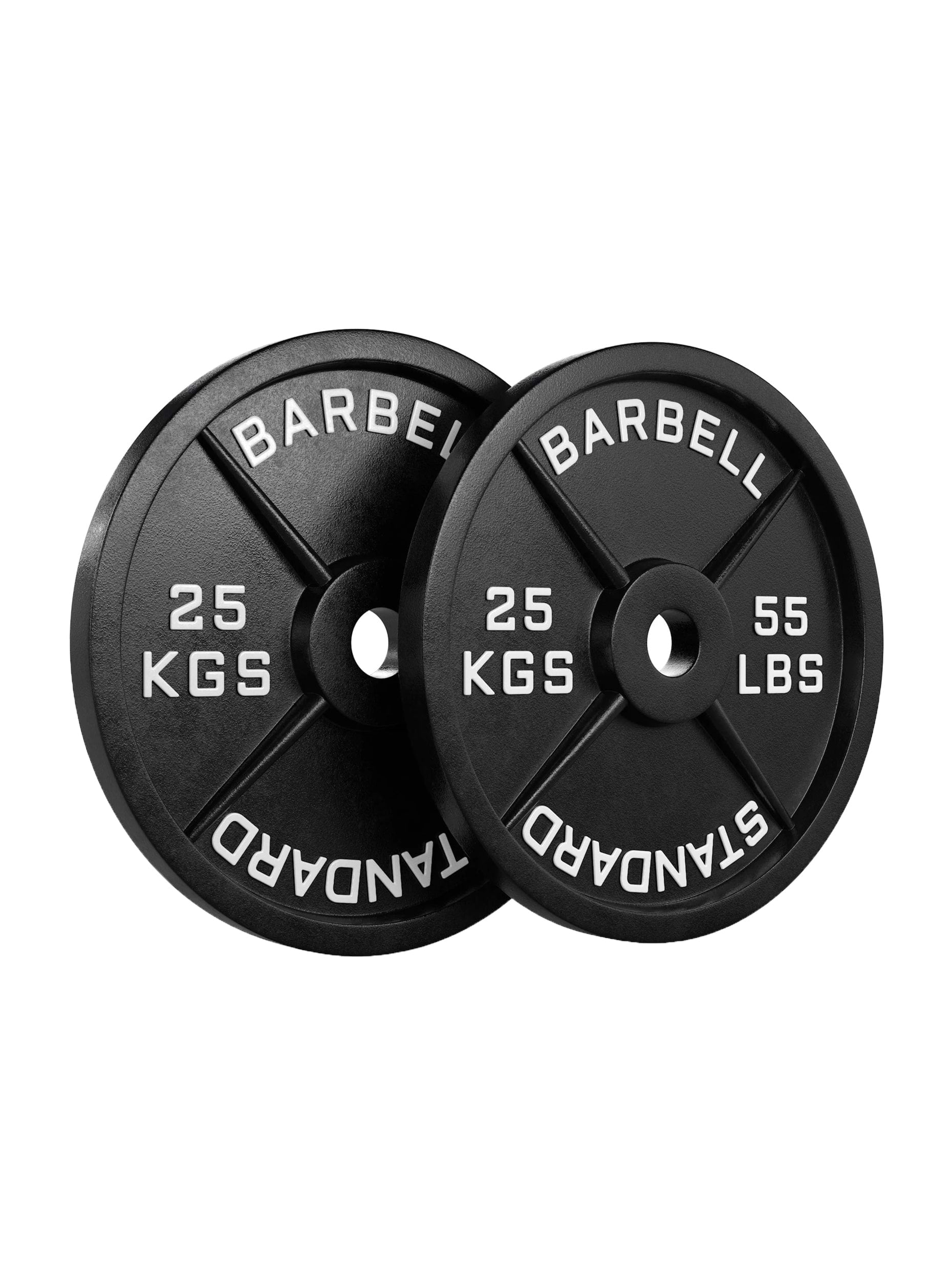
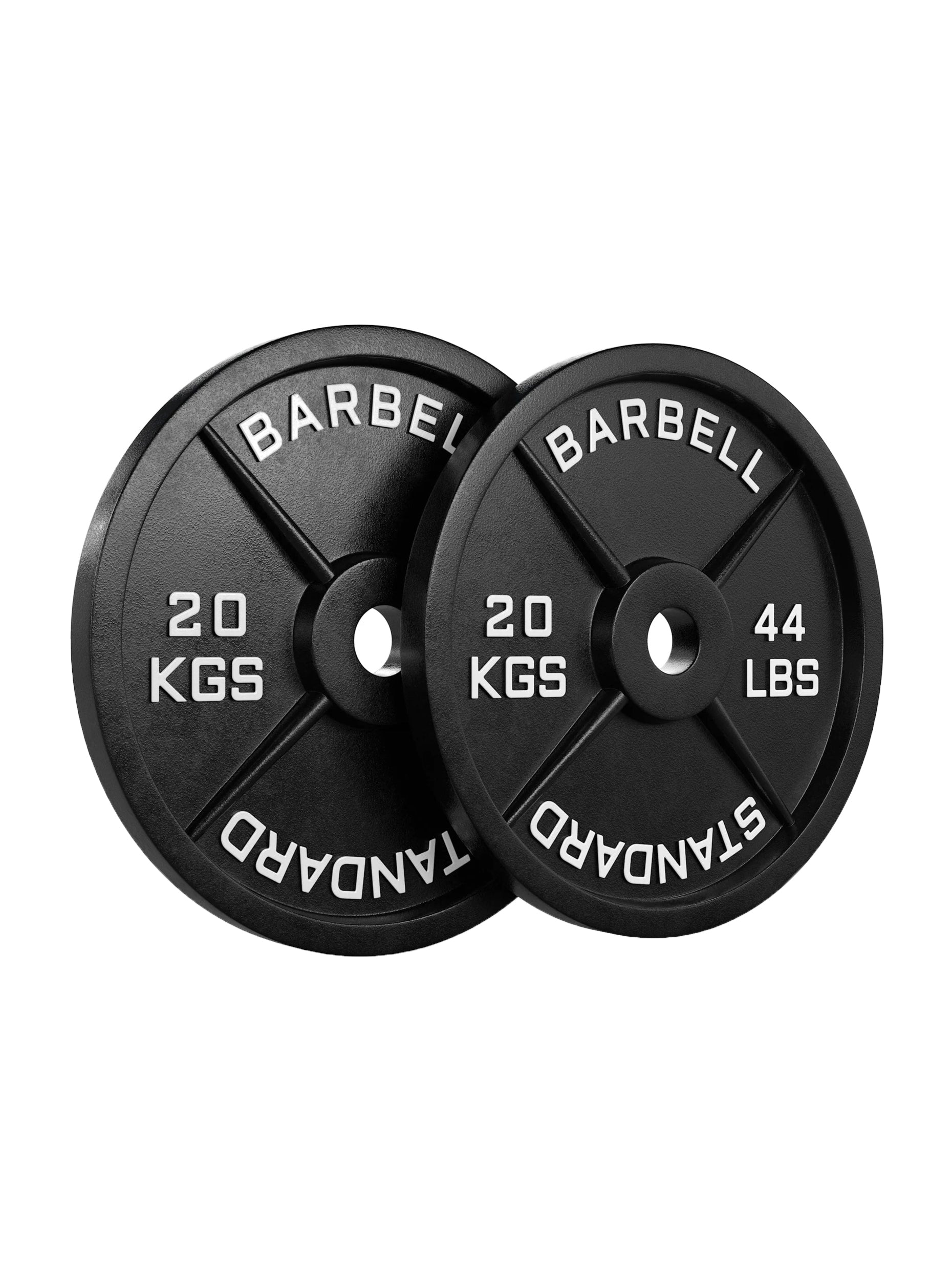
Classic Iron Plates | Pair
Sale Price79€
Regular Price89,00€
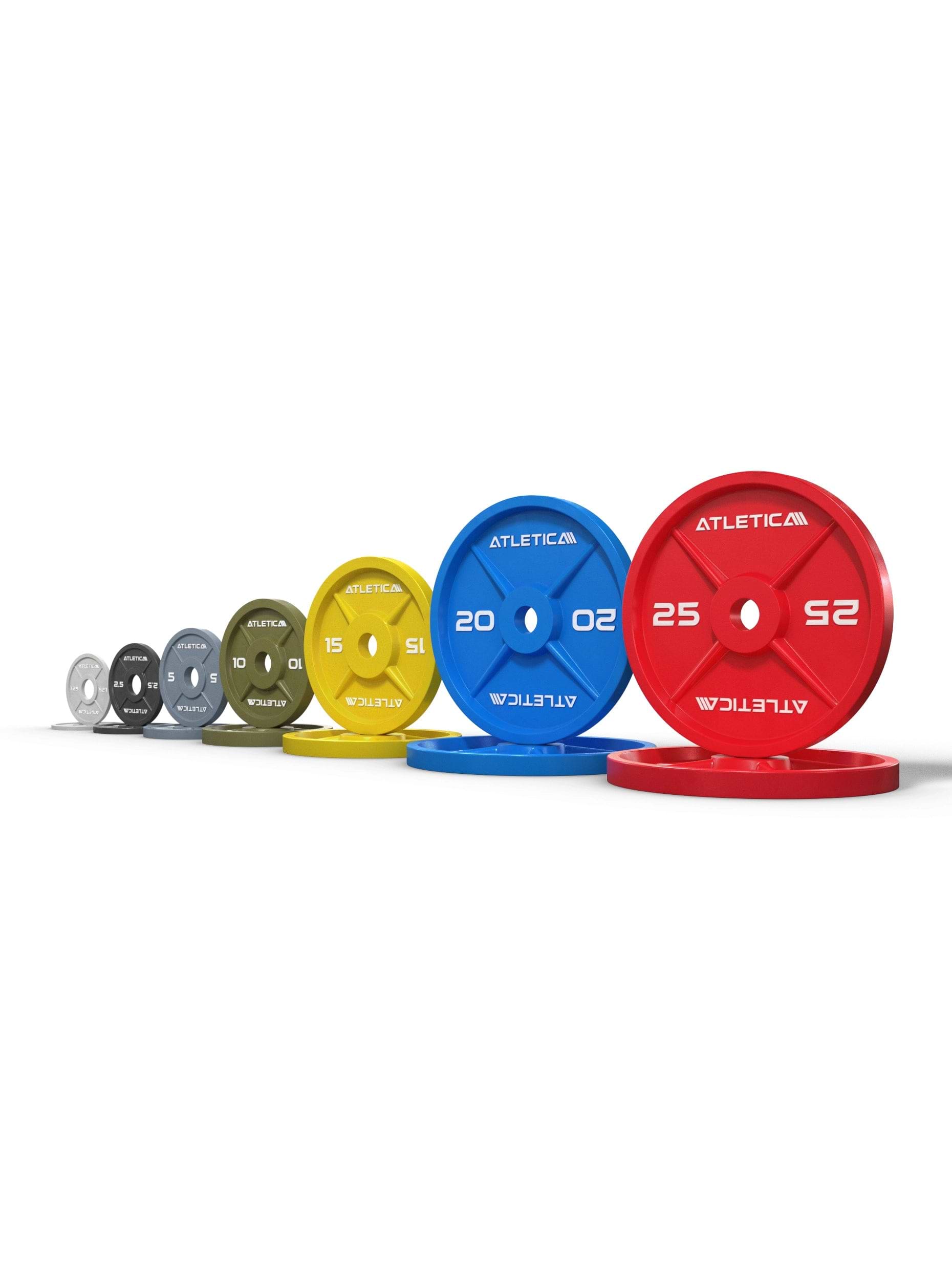
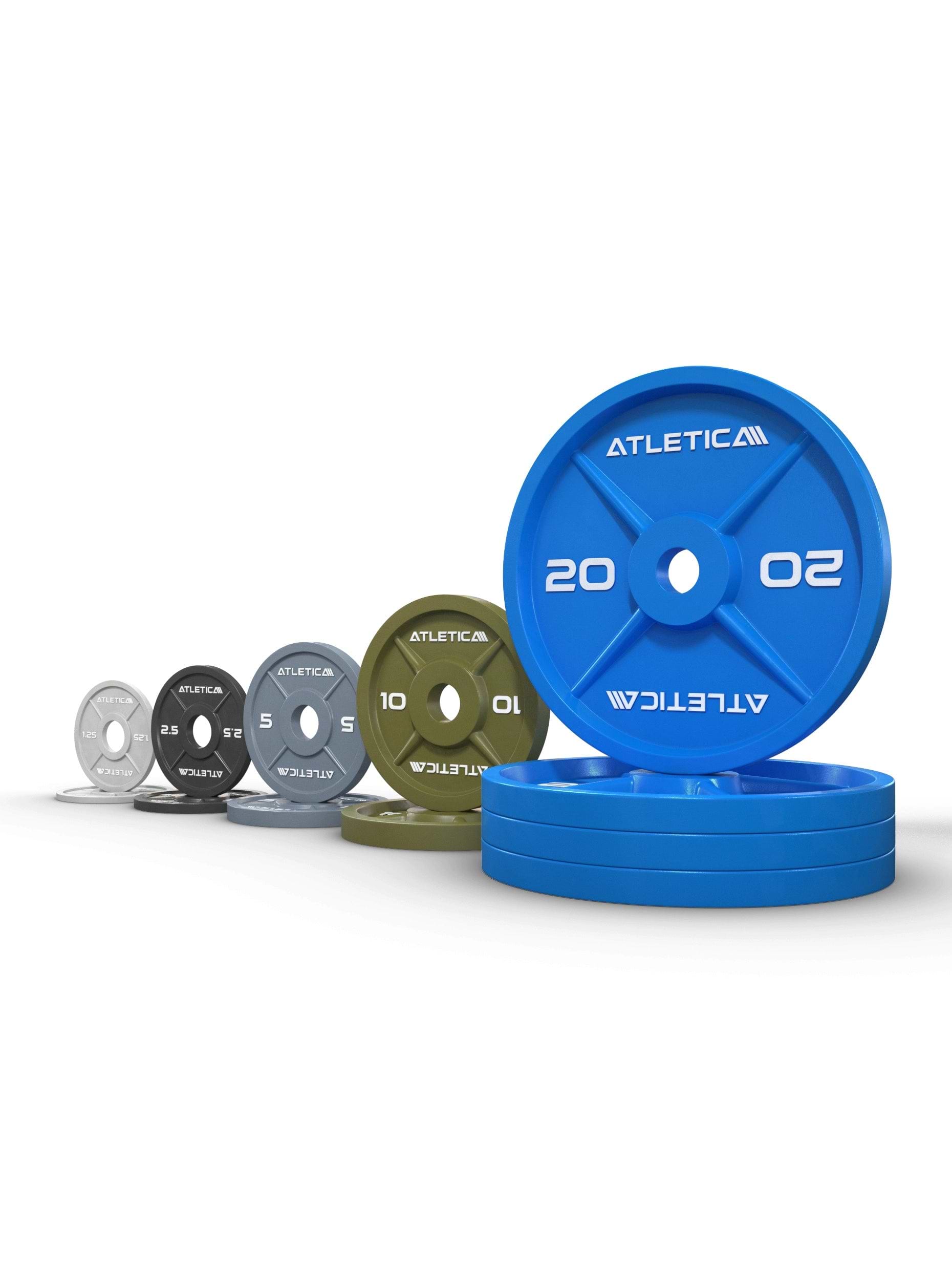
Color Iron Plates | SET
Sale Price269€
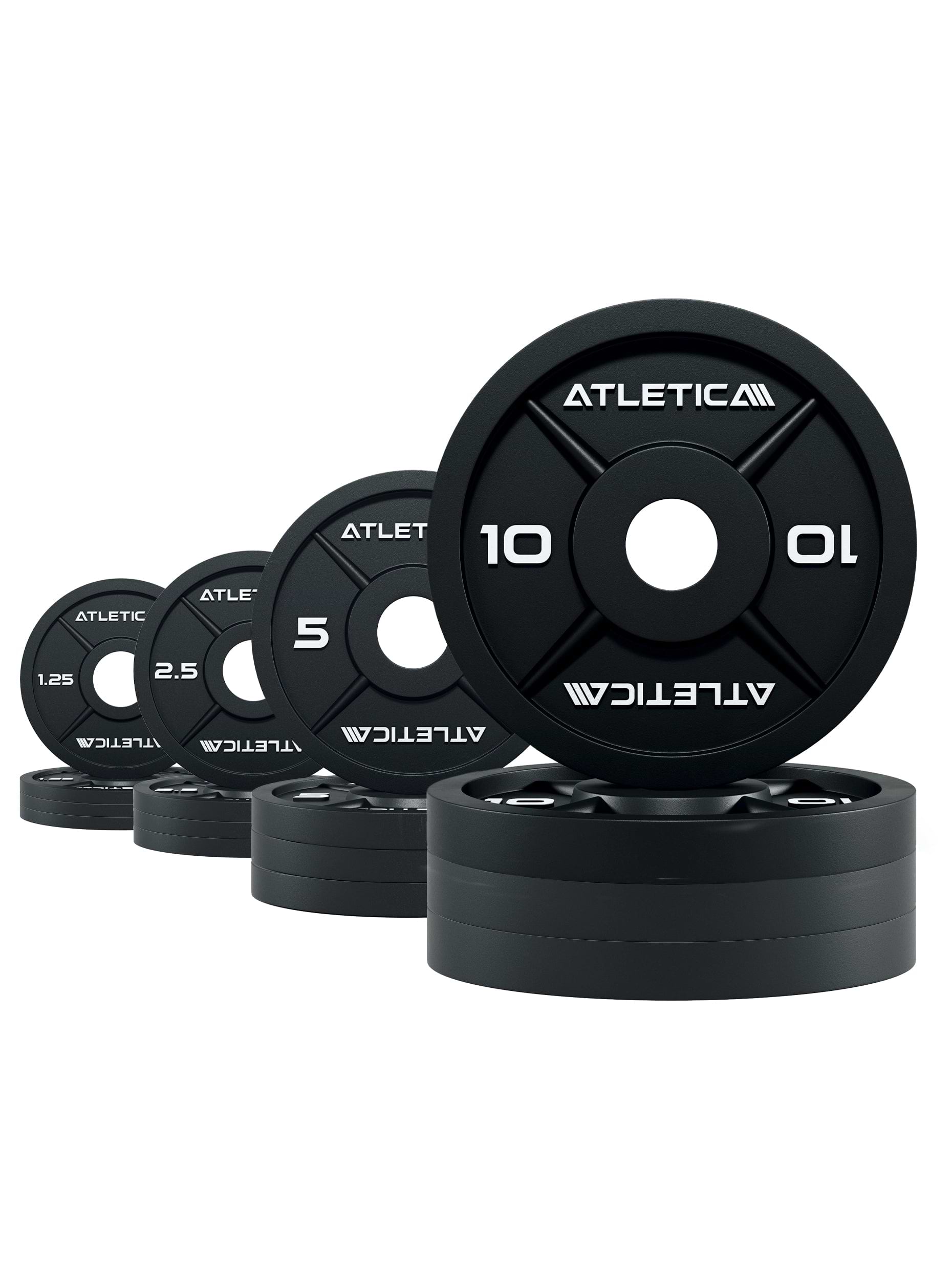
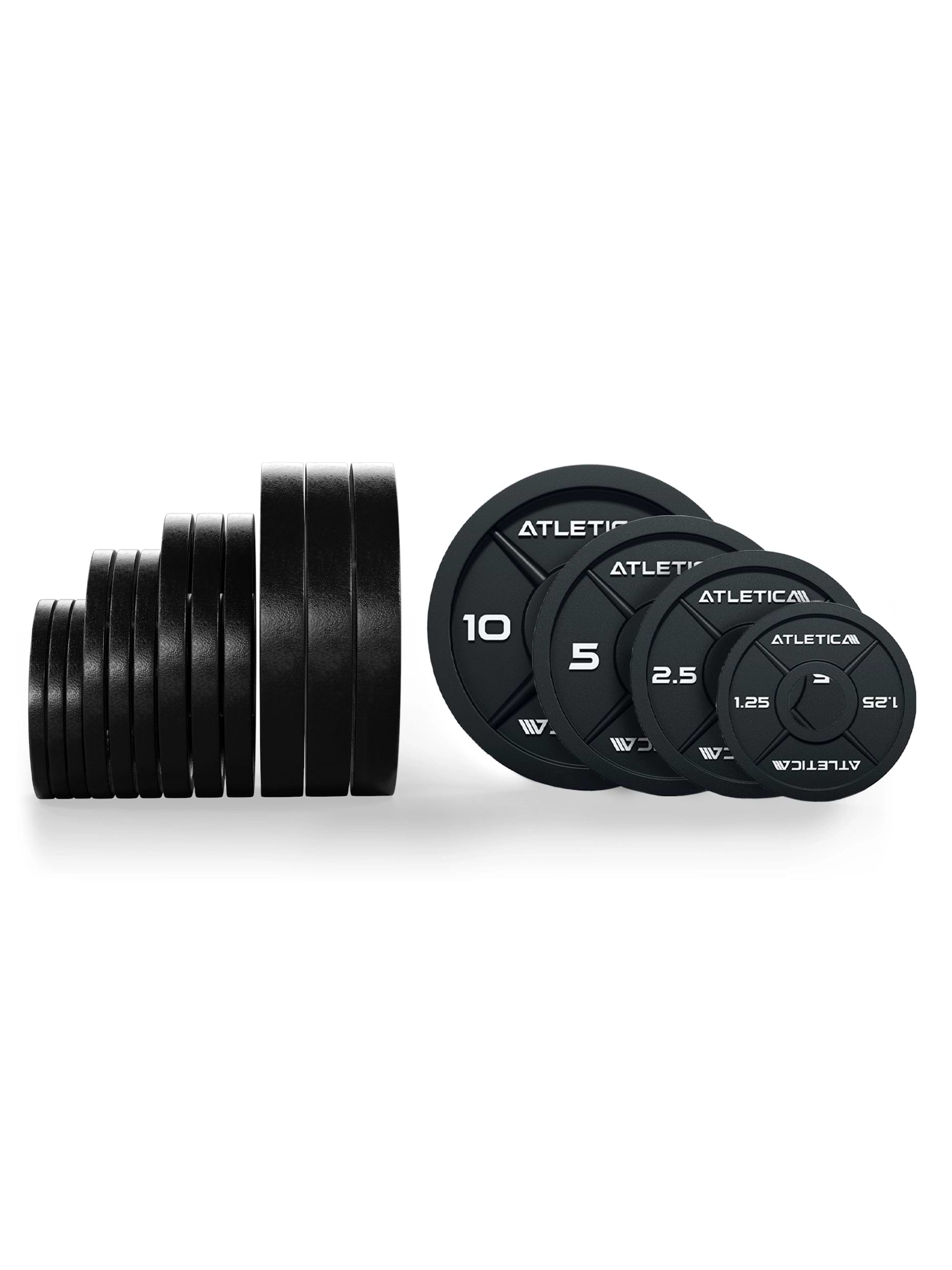
Iron Plates | SET
Sale Price219€
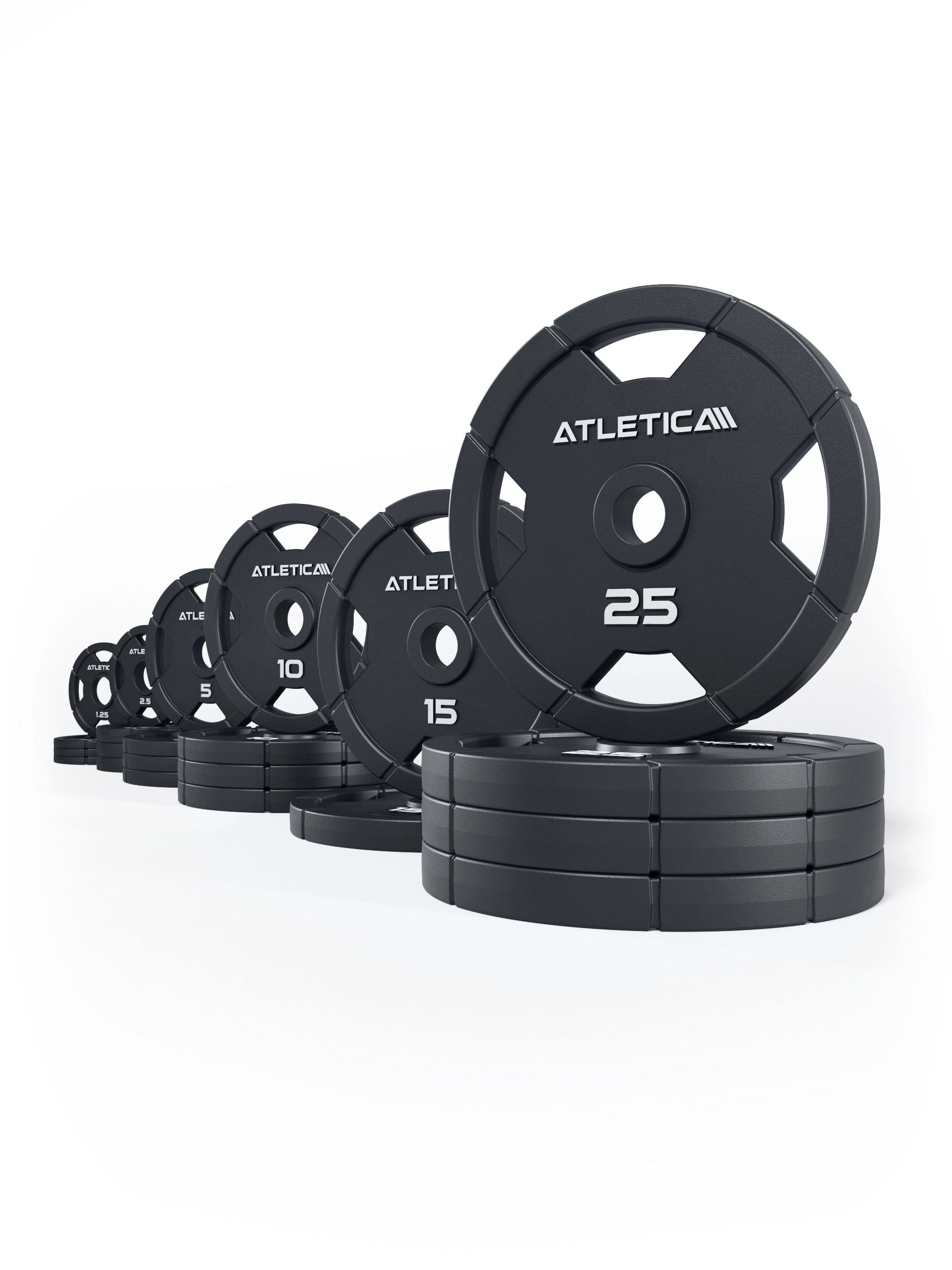
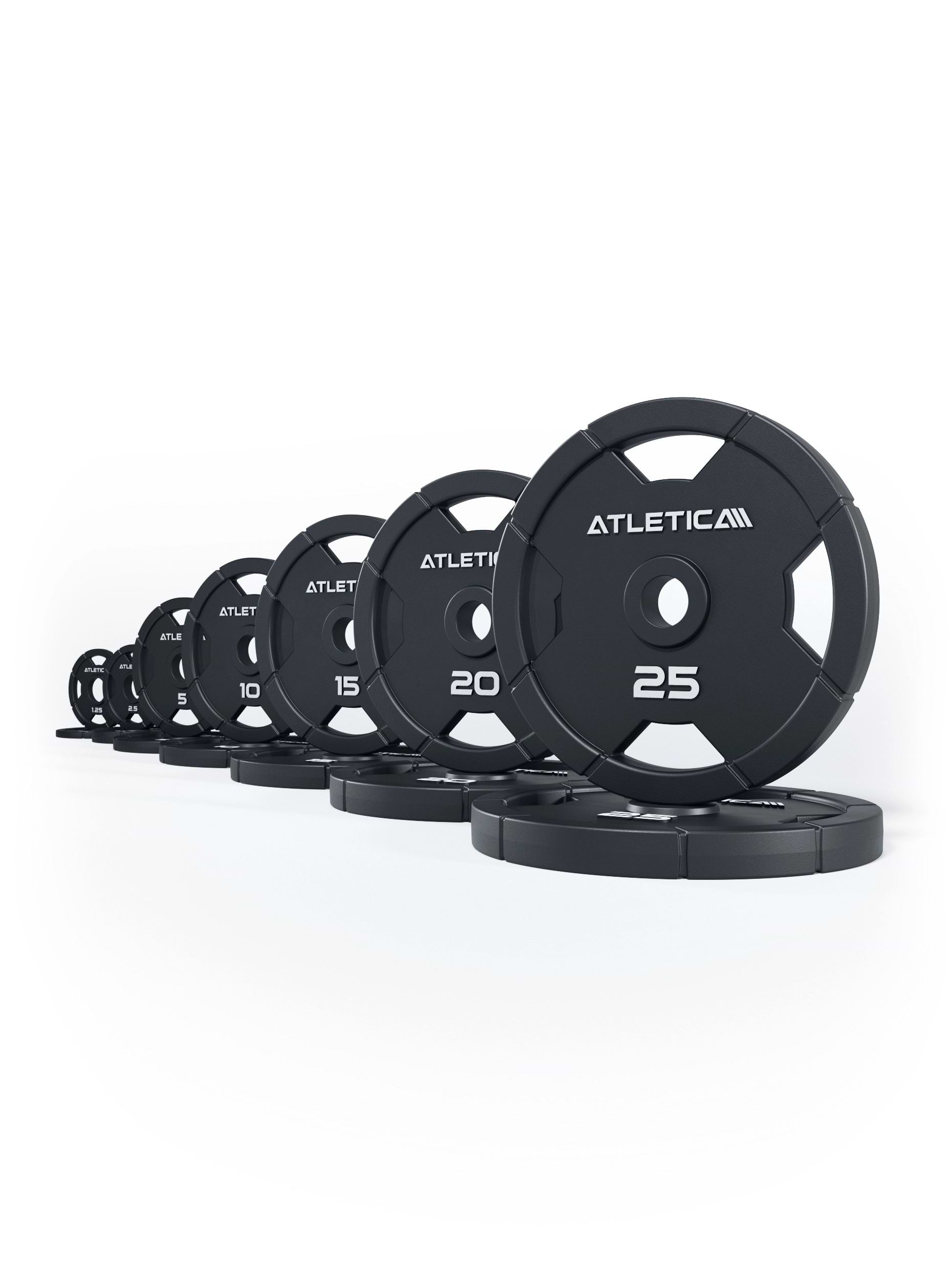
4H Iron Plates | SET
Sale Price219€
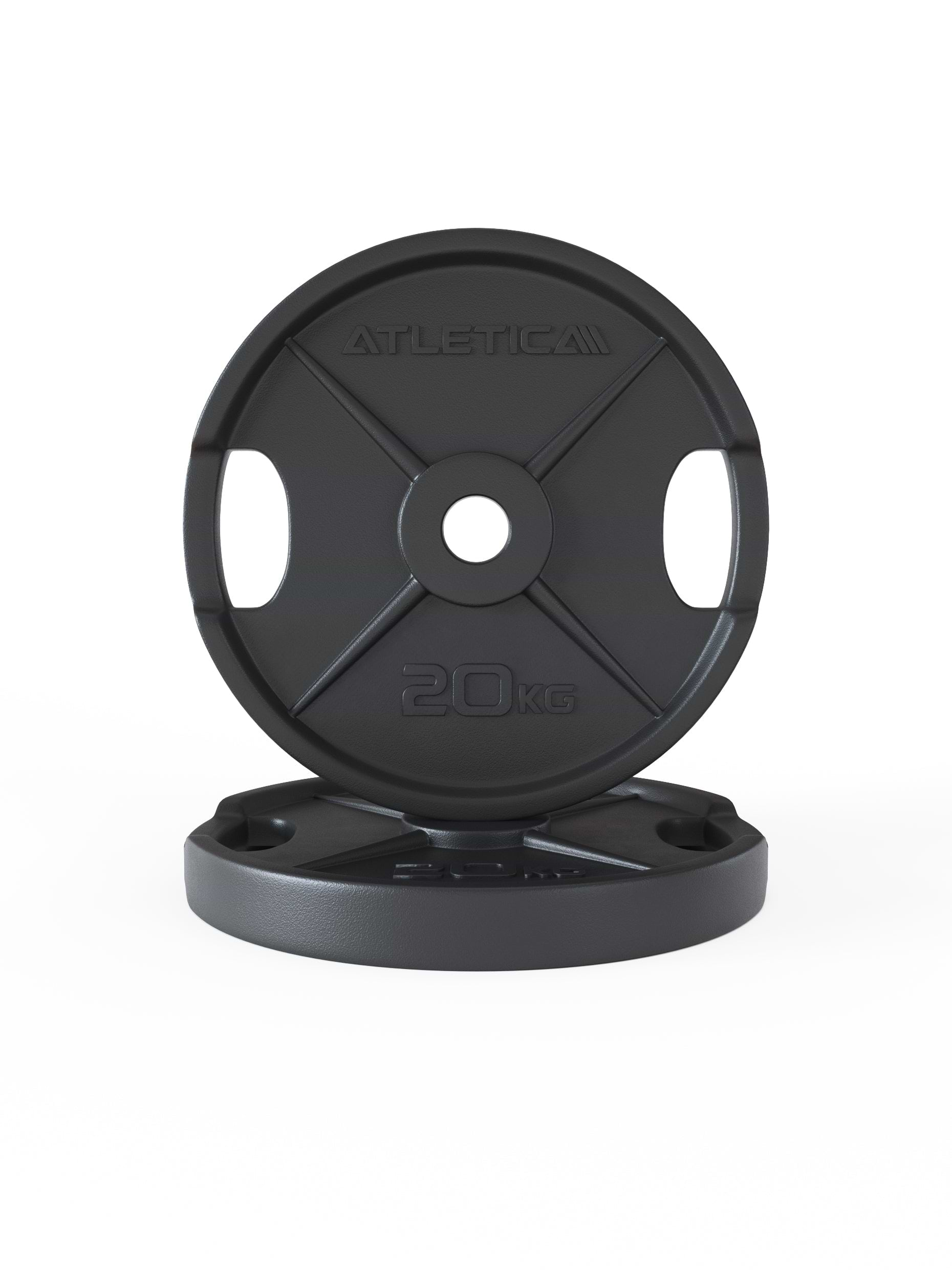
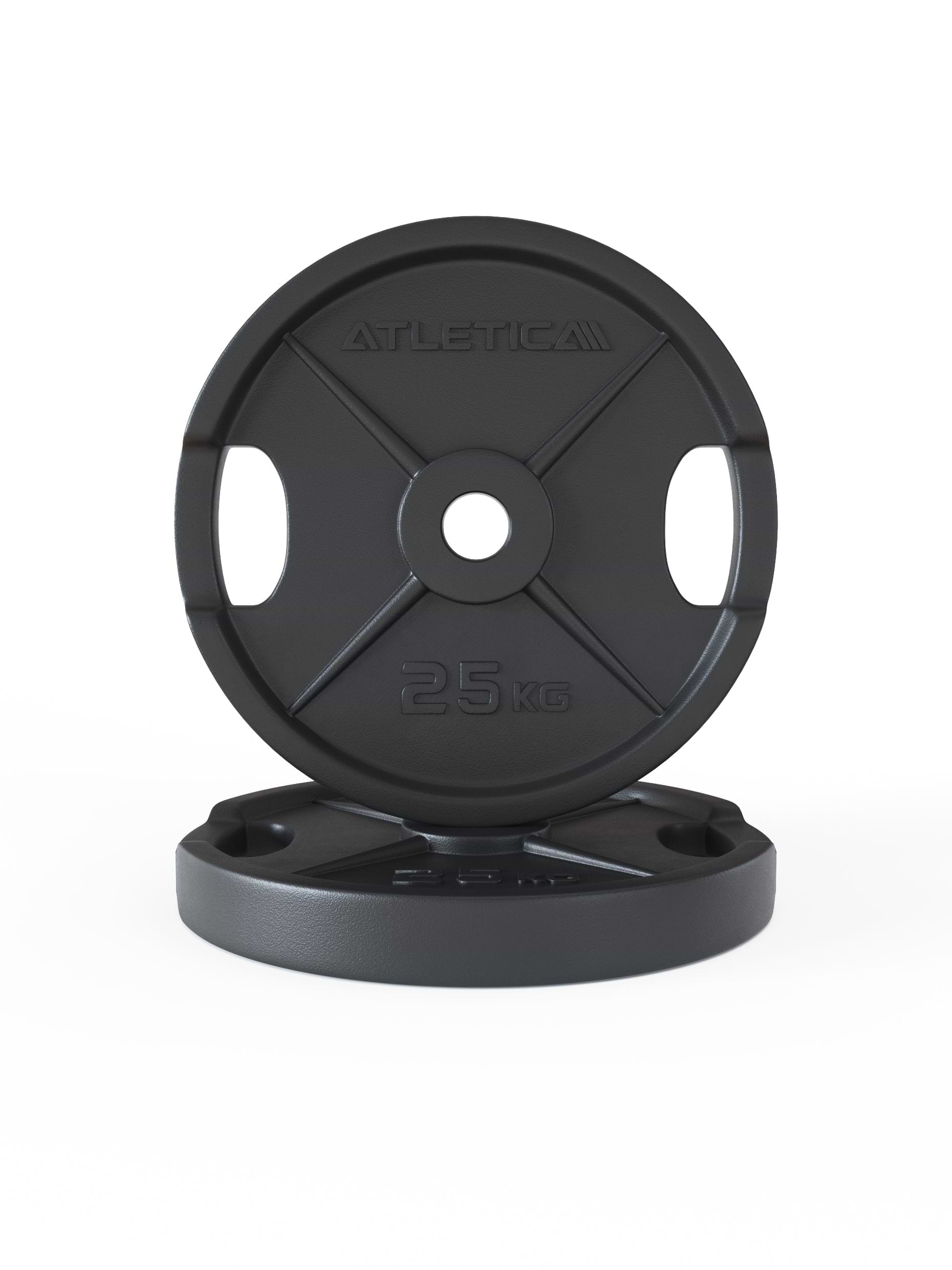
2H Iron SETS | Limited Edition
Sale Price409€
Got questions?
1. What are the advantages of cast-iron plates?
Cast iron/steel: Classic, durable and usually budget-friendly. They're extremely tough, and because they're relatively thin they take up very little storage space. That slim profile also means you can load a lot of plates onto a barbell at once, which makes them ideal for heavy training weights.
2. What are the advantages of bumper plates?
Bumper plates are built for weightlifting and are hugely popular in functional training too. Thanks to their tough rubber coating, they can be dropped safely from overhead — think snatches or clean and jerks — without damaging your floor, barbell or equipment. They're also much quieter than metal plates, and their uniform diameter keeps the bar at a consistent height. All in all, bumper plates are durable, versatile and a very safe choice for training.
3. Which bumper plates are best for dropping?
For drops from overhead, the High Temp bumper plates are your best bet — their special material gives them a particularly high bounce. Competition plates, on the other hand, are calibrated more precisely and have the lowest bounce, which makes them ideal for competition conditions but less suited to repeated drops from height.
4. What types of weight plates are there?
There are basically two types of weight plates, and the main difference is the material. Iron plates are extremely tough and space-saving. Rubber plates come in different hardness grades, protect your floor and are very versatile. For maximum precision in training and competition, there are competition plates — calibrated plates that meet exact weight tolerances and standard dimensions.
5. Which weight plate diameter does ATLETICA carry?
We only carry weight plates with a 50 mm center hole, as that's the standard in competition and professional training. 50 mm bars offer maximum load capacity and ball bearings for smooth rotation — which means cleaner lifts.
6. How many plates and which weights do I need to get started?
To get started, we recommend a set of 5 kg, 10 kg and 15 kg plates, since these cover most exercises. Smaller 1.25 kg and 2.5 kg plates are important for fine-tuning the load so you can keep progressing steadily. As you get stronger, it's worth adding 20 kg and 25 kg plates to your set. Fractional plates are a useful extra for making progress in really small increments.
7. Are rubber-coated plates better than cast iron?
Both have their pros and cons. Bare steel plates are thinner, so more weight fits on the bar — a real advantage on bars like our Zeta, which is designed for tight spaces. They're also usually cheaper. Rubber-coated plates, on the other hand, protect your floor, cut down on noise when you set them down and make for a more comfortable session. When it comes to looks, it's down to personal taste: some prefer the classic old-school look of steel plates, others the more modern feel of rubber-coated plates.
8. What are "bumper plates" and do I need them?
Bumper plates have a steel core with a thick rubber coating. Their big advantage: you can drop them from height together with the barbell without damaging the bar, the plates or your floor. That makes them essential for dynamic training like weightlifting and functional training. For classic strength training they're not strictly necessary, but they still have the benefit of being much quieter.
9. How do I care for my weight plates?
Cast iron: Wipe off dust and sweat regularly. Light surface rust can be treated with vinegar; afterwards, protect the plates with a little oil or rust inhibitor.
Rubber/plastic-coated: Just wipe them down with a damp cloth and a mild cleaner. Make sure they're dry before you store them.
Bumper plates: Extremely tough and need almost no care. An occasional wipe-down is usually all it takes.
Rubber/plastic-coated: Just wipe them down with a damp cloth and a mild cleaner. Make sure they're dry before you store them.
Bumper plates: Extremely tough and need almost no care. An occasional wipe-down is usually all it takes.
10. How do I store weight plates without wasting space?
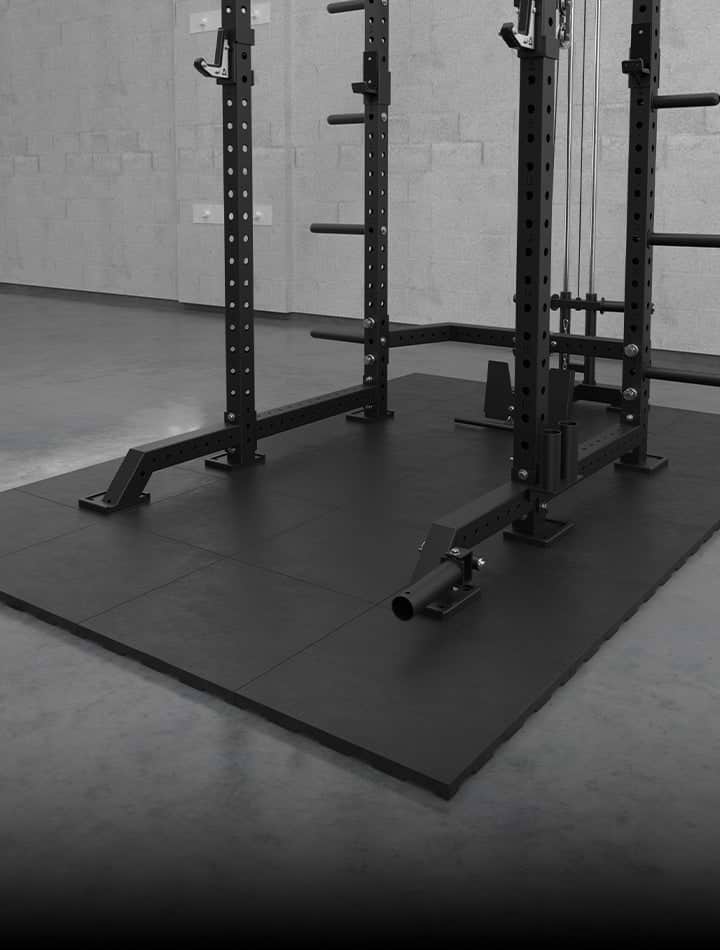
Horizontal plate storage: With the Tusker and our floor storage racks, plates are stored flat on the floor and take up minimal space. The plates lie horizontally and simply roll out when you need to load or swap them.
Wall mount: With the Blade and our wall-mounted plate storage, you can store plates, barbells and other training gear neatly and compactly on the wall.
Vertical plate tree: Our Rhino has 6 weight pins with room for all your plates, plus vertical storage for 2 barbells.
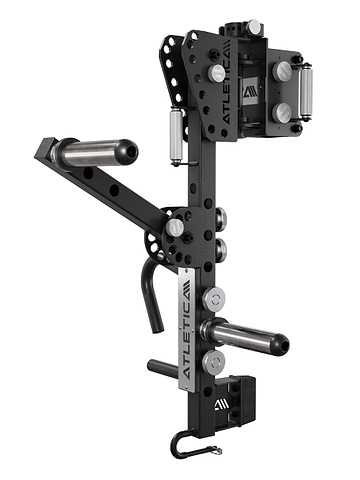
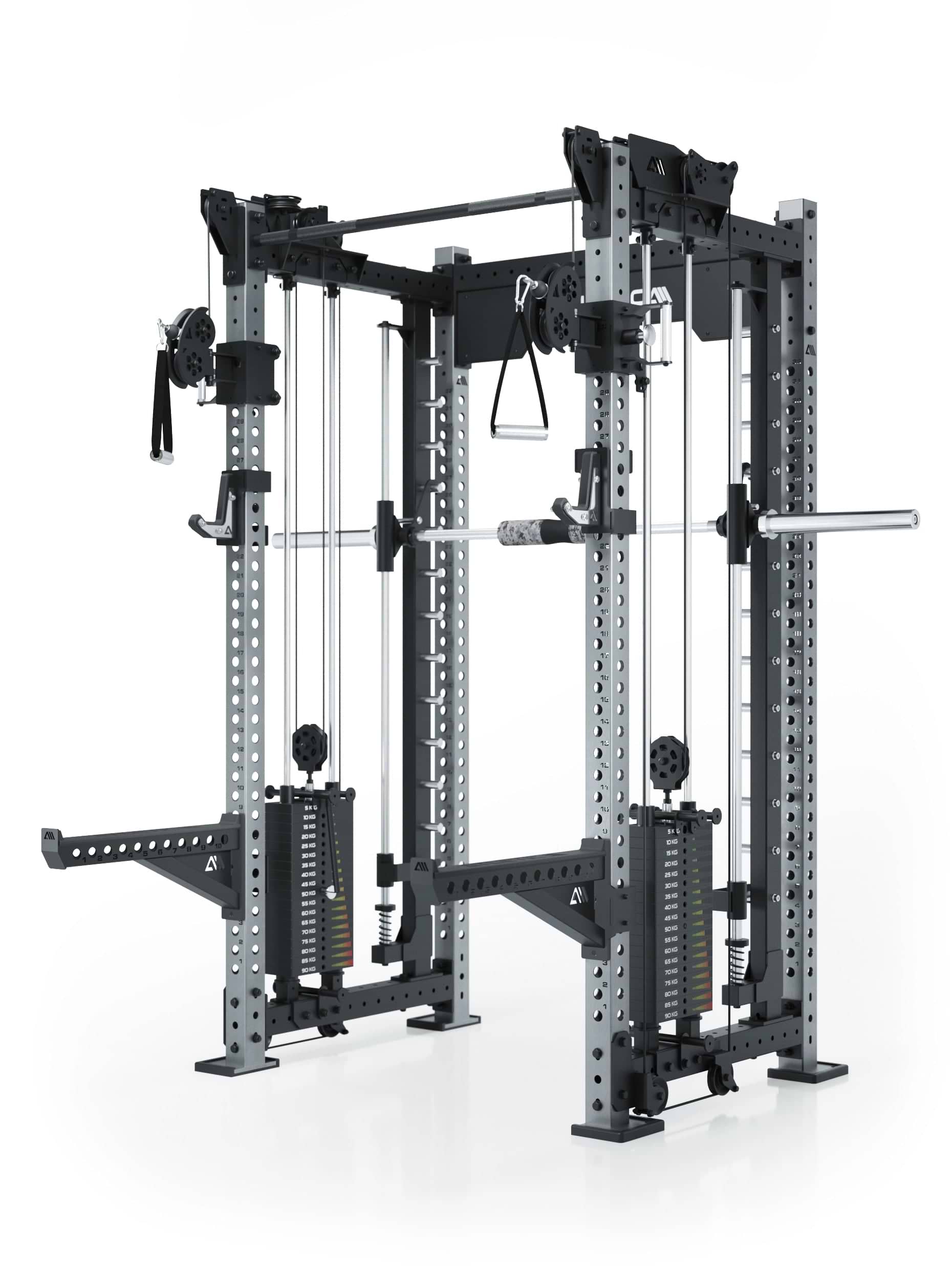
On our all-in-one trainers, plates can be stored right on the built-in weight pins. On the R7 and R8 configurations, the weight pins can be extended further. The R8 also has its own R8 plate storage attachment.
Wall mount: With the Blade and our wall-mounted plate storage, you can store plates, barbells and other training gear neatly and compactly on the wall.
Vertical plate tree: Our Rhino has 6 weight pins with room for all your plates, plus vertical storage for 2 barbells.
On our all-in-one trainers, plates can be stored right on the built-in weight pins. On the R7 and R8 configurations, the weight pins can be extended further. The R8 also has its own R8 plate storage attachment.
11. Should my weight plates be color-coded? What do the colors mean?
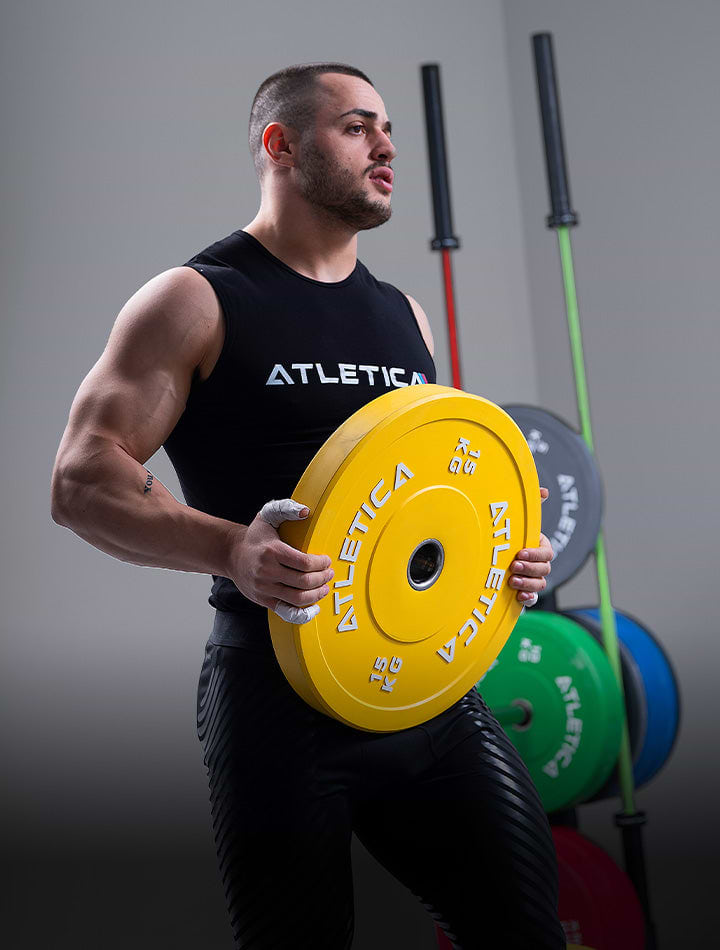
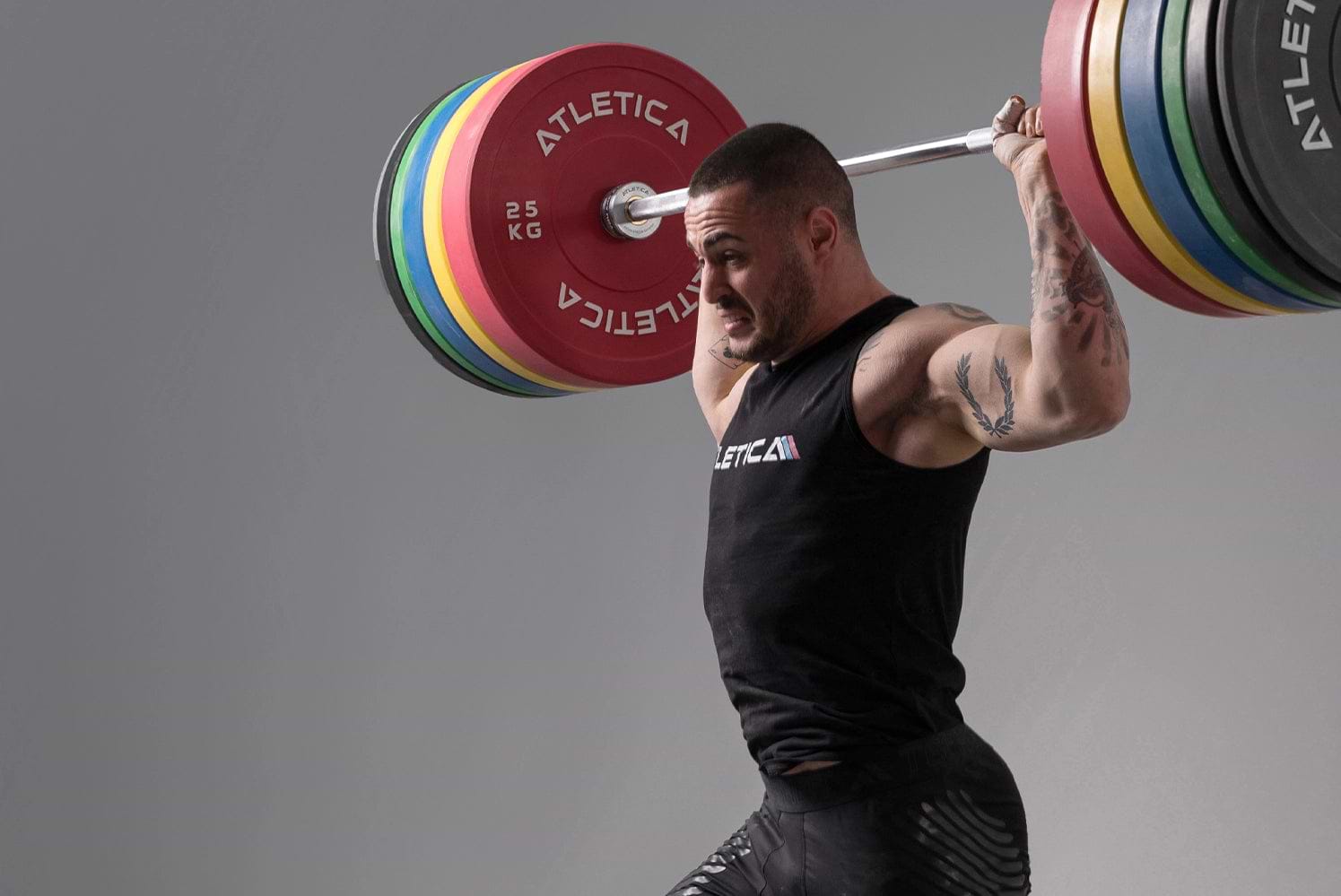
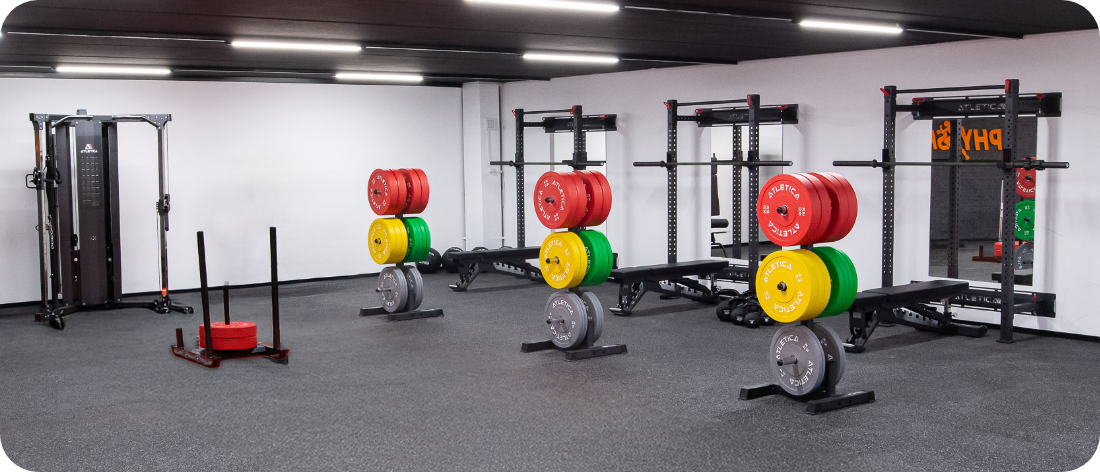
Colors on weight plates are mainly a feature of competition or premium training plates (usually bumper plates or competition plates) and let you identify the weight at a glance. The color code is standardized internationally: 10 kg: green, 15 kg: yellow, 20 kg: blue, 25 kg: red