


















Building muscle is not just an aesthetic goal – it's a sign of physical strength, functional resilience, and long-term health. But what's actually behind the term hypertrophy? Is it simply another word for "big muscles" – or does it describe a complex biological process that can be specifically trained and controlled?
In this article, you'll learn:
- What hypertrophy exactly is
- How muscle building works in the body
- Which forms of training set the best stimuli
- Why nutrition and recovery are decisive
- And how to strategically build your hypertrophy plan

What does hypertrophy mean?
The term "hypertrophy" comes from Greek and literally means "excess of nourishment" – medically it stands for the enlargement of cells, not through cell multiplication (hyperplasia), but through cell enlargement. Applied to the muscle, this means: muscle fibers become thicker, not more numerous.
There are three types of muscular hypertrophy:
- Myofibrillar hypertrophy: an increase in the contractile elements (actin & myosin) → leads to more strength
- Sarcoplasmic hypertrophy: an increase in the cell plasma, energy stores, and enzymes → more volume
- Hypertrophy through satellite cells: these cells fuse with existing muscle fibers → long-term growth
All three forms contribute to visible and noticeable muscle gain – but at different speeds and to different degrees. Your training style influences which type is the focus.
How does muscle growth occur?
1. Setting the stimulus through training
Muscles only grow when they receive an unusual stimulus. This means: an unfamiliar load must challenge the muscle structure. This can happen through higher weights, more reps, or new movement patterns.
In the process, tiny microtraumas occur in the muscle fibers – small tears that the body perceives as "damage." The reaction to this is a complex rebuilding process: stronger, denser, and more capable.
2. Recovery and supercompensation
After training, the recovery phase begins. During this time (typically 24–72 hours), repair processes are initiated: protein synthesis, cell activation, fluid retention, enzyme activation.
The result: the muscle fibers thicken. This is called supercompensation – the muscle becomes more resilient than before the training.
If this cycle is repeated regularly, a long-term increase in muscle mass occurs.
Hypertrophy training: What really works?
There are many ways to promote hypertrophy. But some principles have proven themselves over decades in sports science:
1. Rep range
The classic range for muscle building is between 6 and 12 reps per set. The following applies:
- 6–8 reps → strength-focused hypertrophy (myofibrillar)
- 8–12 reps → volume-focused hypertrophy (sarcoplasmic)
- 12+ reps → strength endurance, metabolic hypertrophy
The weights should be at 60–80 % of your 1RM (maximum weight) so that you get close to your limit on the last reps.

2. Volume & frequency
For optimal muscle building, you need:
- 3–5 sets per exercise
- 2–4 exercises per muscle group
- 2–3 sessions per muscle group per week
Important: Quality over quantity! Clean execution, targeted engagement of the muscle, and a well-structured split plan bring more than endless reps.
3. Progressive overload
Muscle growth needs continuous increase. This is called progressive overload. It can be achieved through:
- More weight
- More reps
- Longer time under tension
- Shorter breaks
- More difficult movement variations
Tip: Keep a written record of your training data – with an app or a notebook.
Muscle building is more than just training
Hypertrophy doesn't happen during training, but afterward. That's why recovery, sleep, and above all nutrition play a central role.

Protein supply
Muscle building is impossible without sufficient protein. The common recommendation is:
- 1.6–2.2 g of protein per kg of body weight daily
- Best distributed over 3–5 meals
- High-quality sources: eggs, meat, fish, quark, whey, plant-based proteins
Directly after training (within 60 minutes) you should consume a protein source + some carbohydrates to support muscle building.
Energy intake
For effective muscle building, you need a slight calorie surplus – about 200–500 kcal per day. Only then does the body have enough "building materials" to form new muscle tissue.
Important: The surplus should be clean – not a free pass for fast food. Wholesome nutrition is the foundation.
Recovery & sleep
Sleep is anabolic – meaning: during deep sleep, growth hormones are released. Goal: 7–9 hours per night.
Active recovery (walks, mobility, stretching) and rest days are also important. No rest, no growth.

Hypertrophy & body fat: What about the six-pack & bulking phase?
Many believe that muscle building only goes hand in hand with fat gain. That's only partly true. A distinction is made between:
- Lean bulk: slow muscle building with minimal fat gain
- Dirty bulk: fast mass building, but often with a lot of body fat
- Body recomposition: building muscle while losing fat at the same time (possible, but slow – especially for beginners)
Anyone who wants to specifically build muscle mass has to plan for a calorie surplus – but with clean nutrition and regular strength training, the fat percentage can be controlled.
Common mistakes in muscle building
- Eating too little – no calorie surplus = no growth
- Sleeping too little – lack of sleep inhibits hormones
- Wrong exercises – machines instead of compound exercises
- No increase – always the same weights, no stimuli
- Excessive cardio – too much endurance training inhibits hypertrophy
Example: Training split for optimal hypertrophy
Push-Pull-Legs (6 days)
- Monday: Push (chest, shoulders, triceps)
- Tuesday: Pull (back, biceps)
- Wednesday: Legs & core
- Thursday: Rest
- Friday: Push
- Saturday: Pull
- Sunday: Legs & core
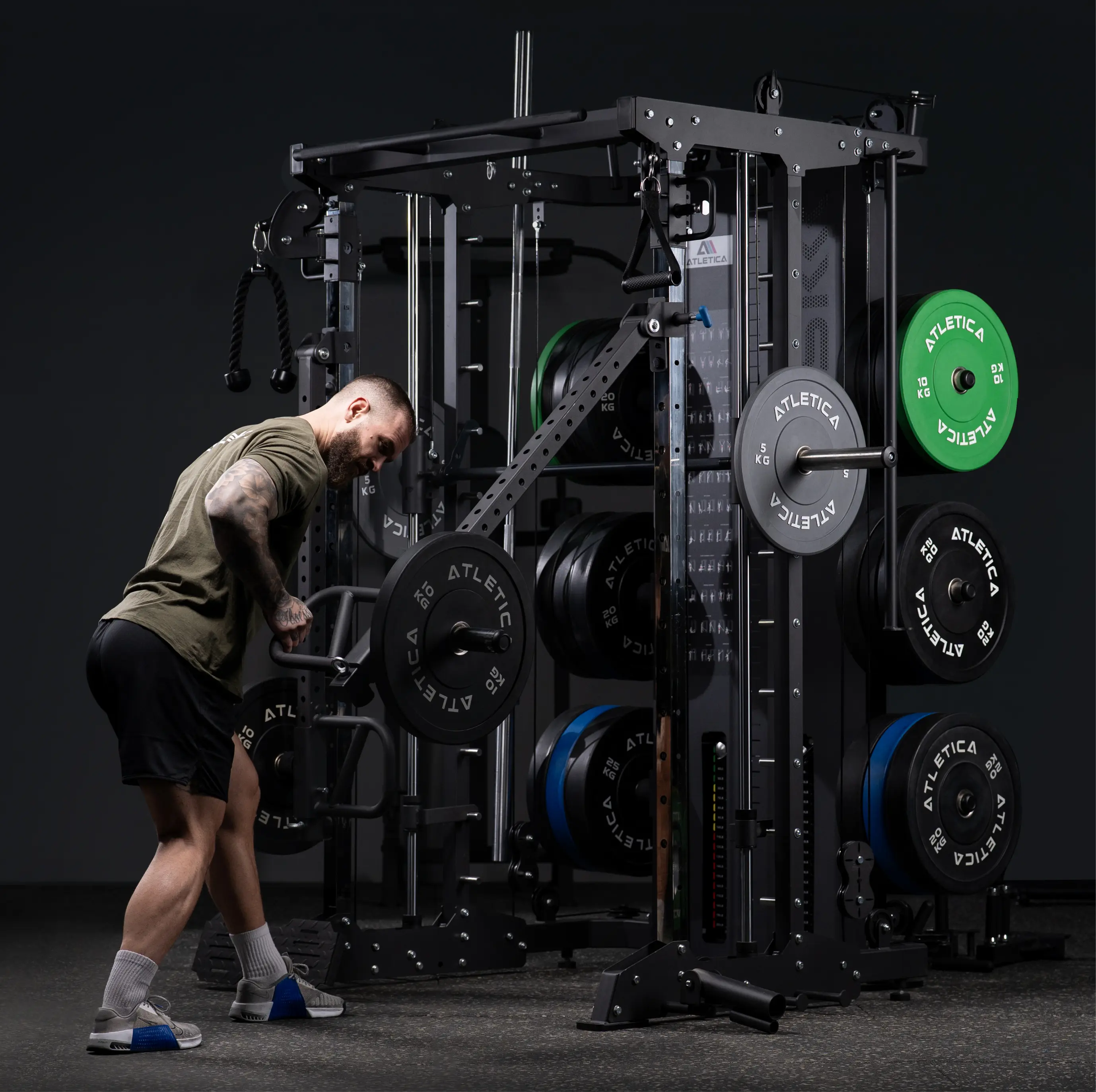
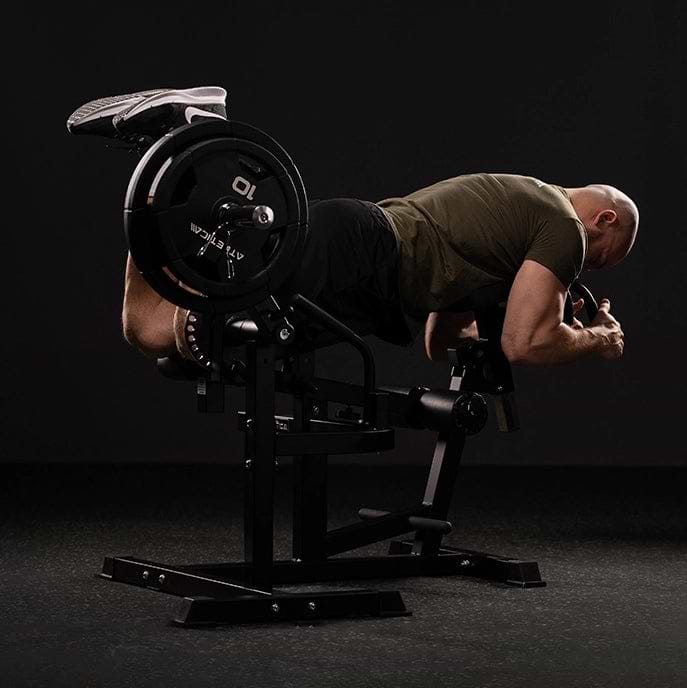
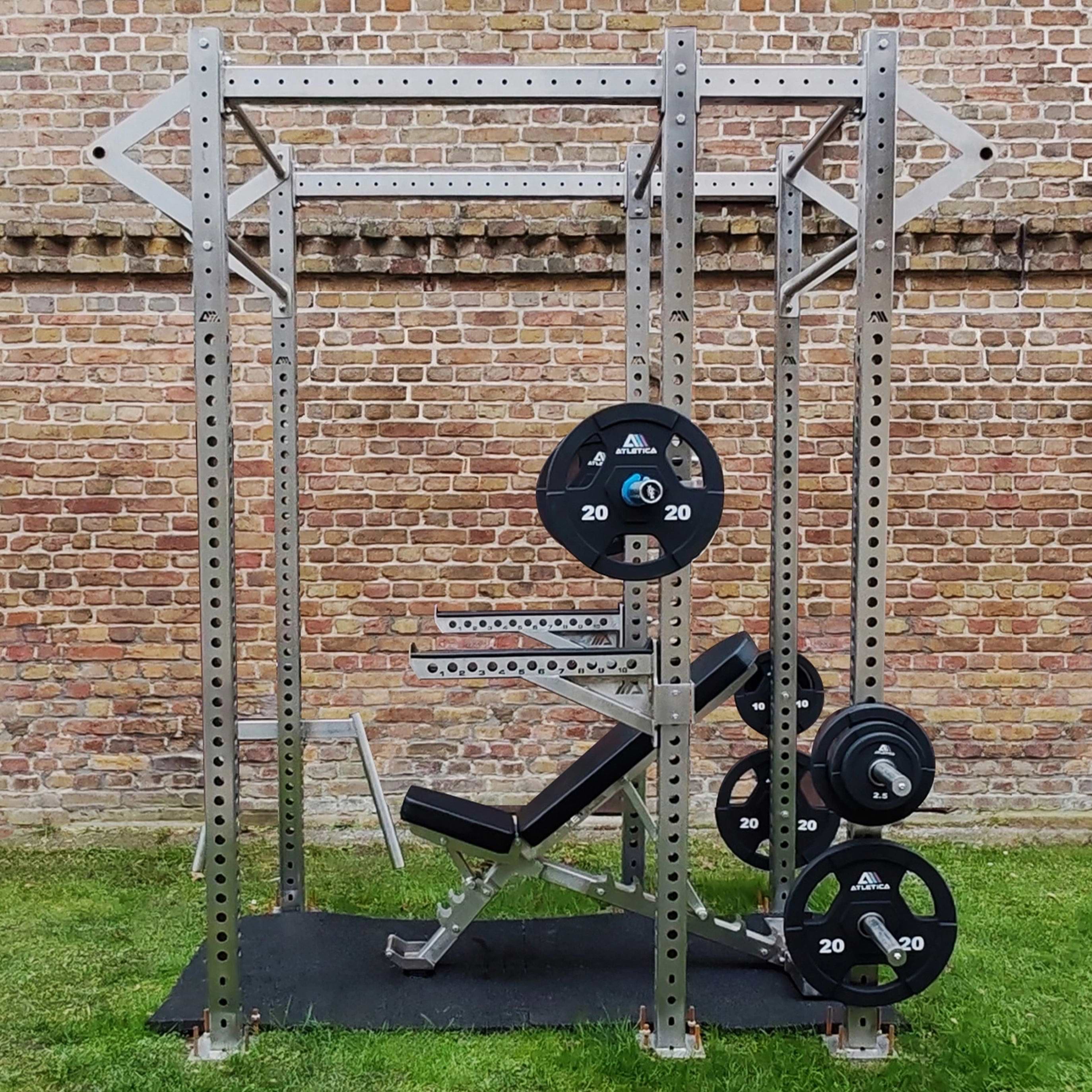
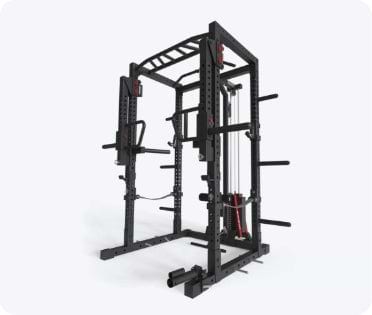
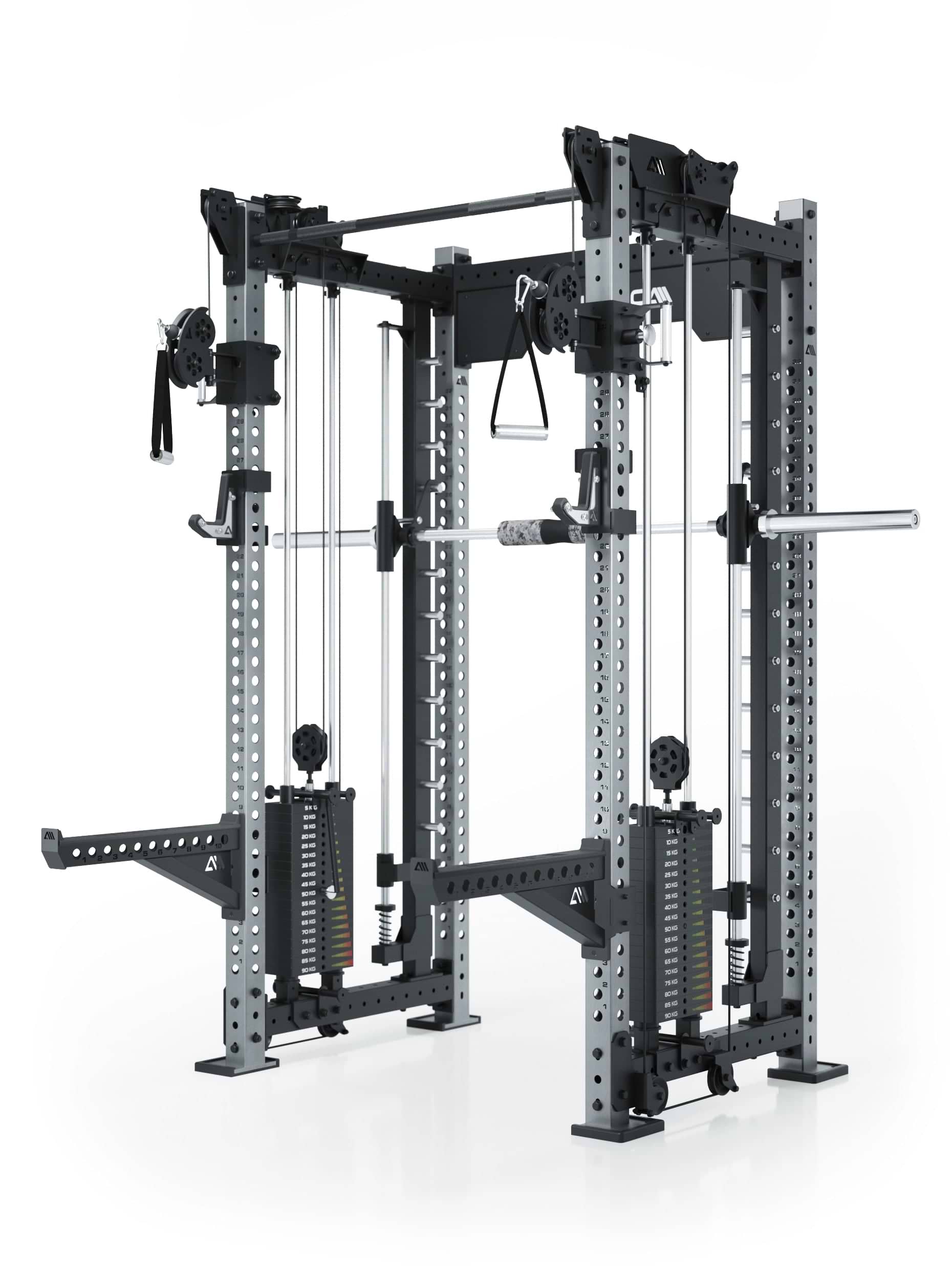
Exercise selection (e.g. at the Power Rack or on machines):
- Bench press, shoulder press, dips
- Pull-ups, rows, face pulls
- Squats, leg press, leg raises
You can also structure the whole thing as a 3-day split, depending on your time budget.

Conclusion: Hypertrophy can be planned
Muscle building is not a secret, but a biologically controlled adaptation process. Anyone who trains regularly with sensible stimuli, eats high-quality food, sleeps well, and pays attention to progression will see results sooner or later.
Hypertrophy is therefore not just about looks, but a sign of performance, health, and discipline – whether you do bodybuilding, functional training, or simply want to become stronger and more vital.
If you need help choosing training equipment or with your hypertrophy program – the ATLETICA Blog regularly features new training plans, equipment tips, and background knowledge.