








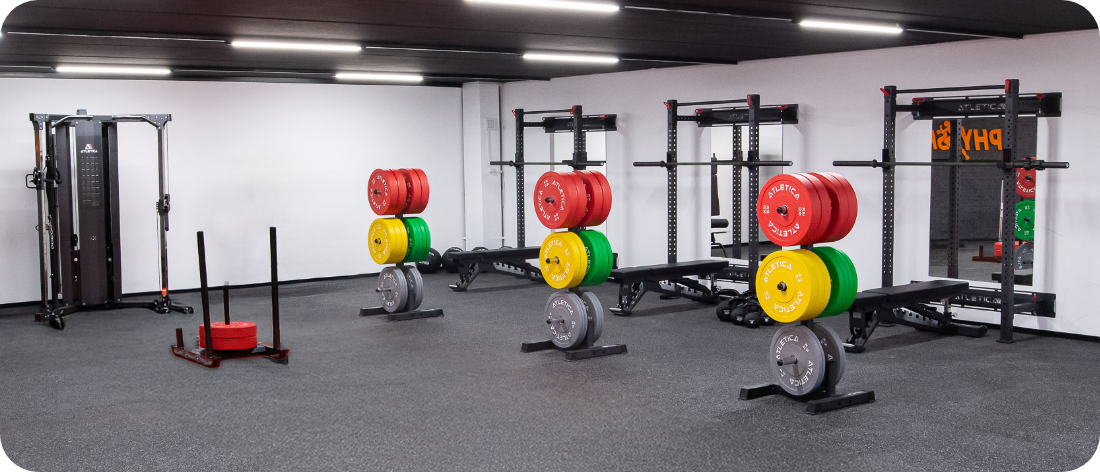
You don't need expensive commercial gym equipment to build muscle effectively. The 5 essentials for your home gym are: dumbbells (or an adjustable set), an adjustable weight bench, a pull-up bar, a quality exercise mat, and — for long-term progress — a power rack. With this foundation you can train every muscle group safely in a small footprint, whether you're a complete beginner or getting back into it.
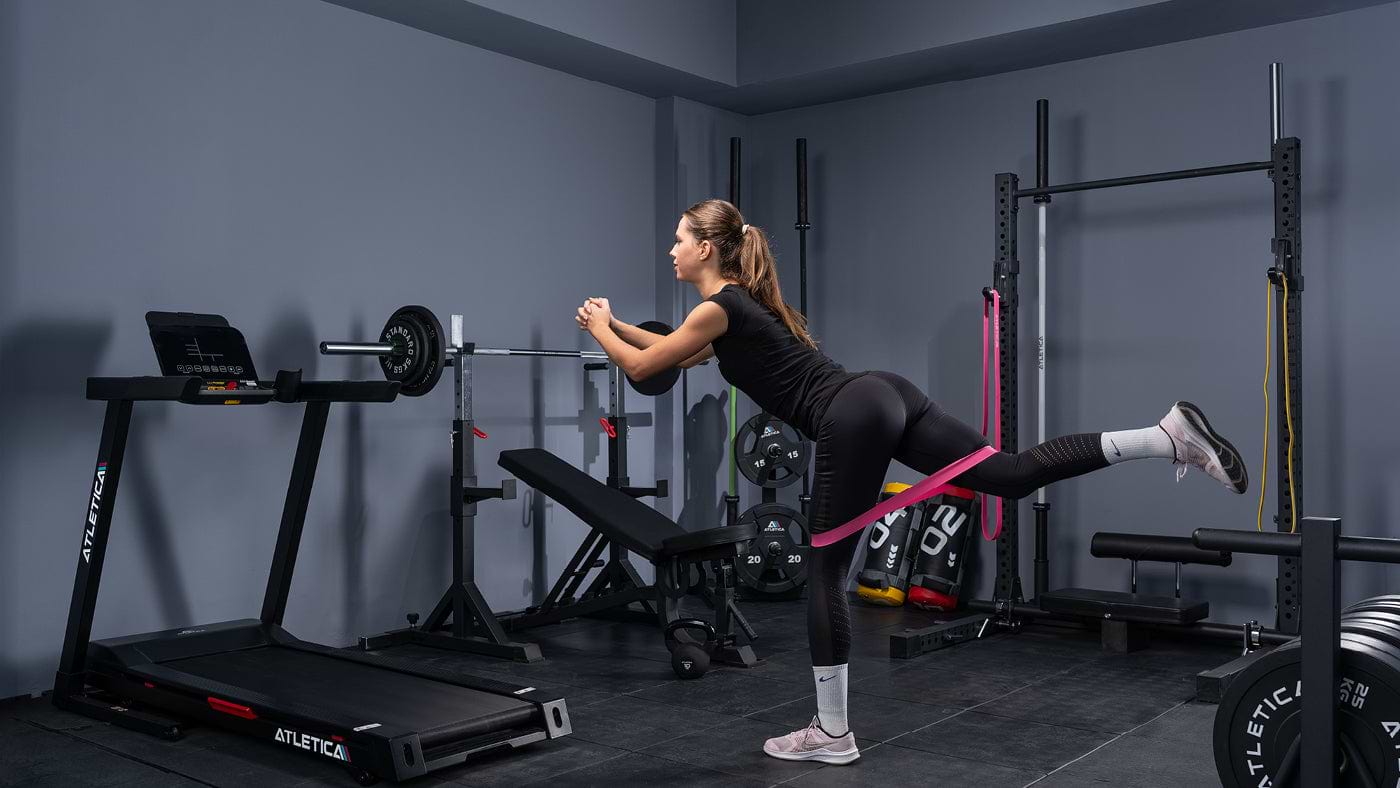
The Short Answer
Which 5 pieces of equipment do I really need for an effective home gym as a beginner?
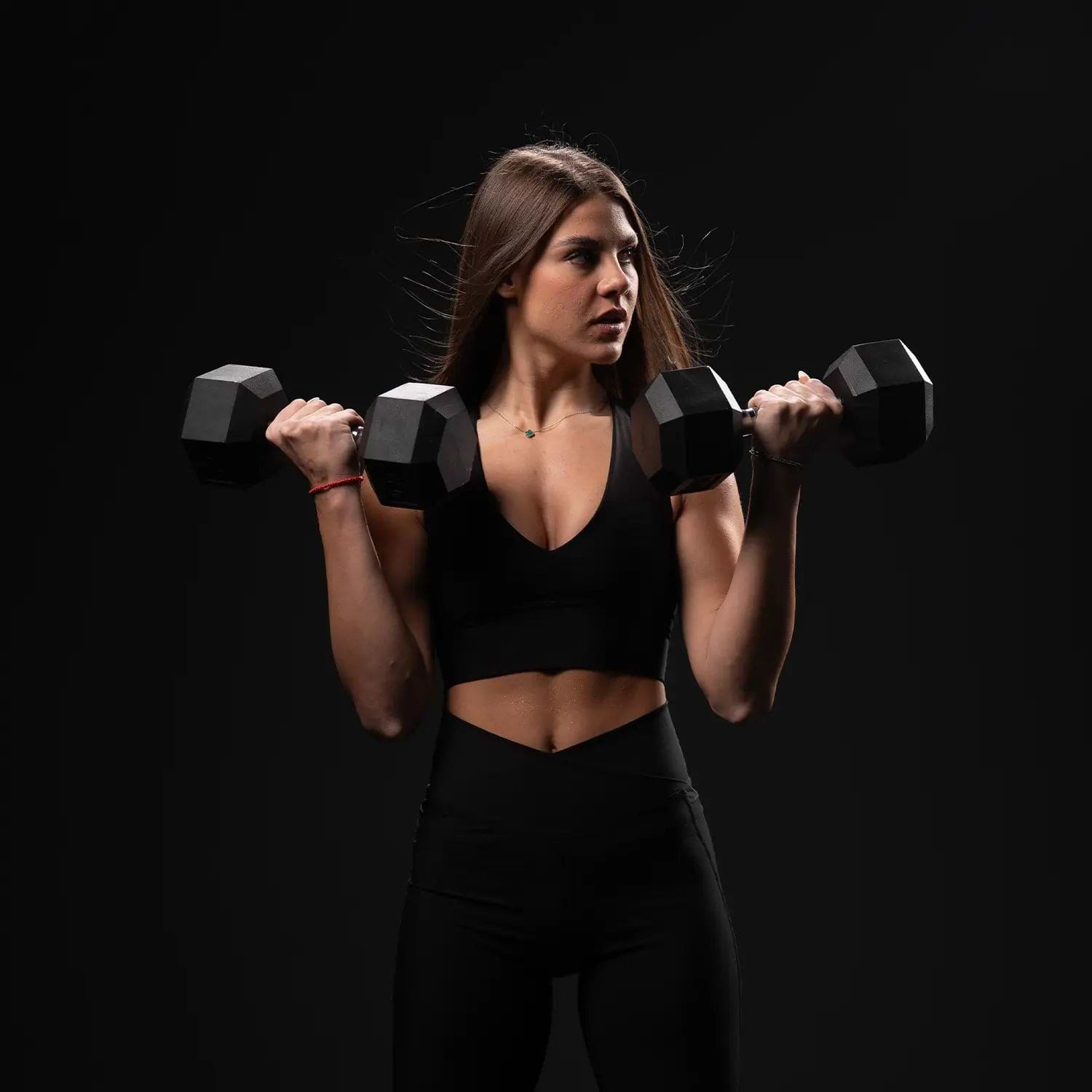
- Dumbbells or an adjustable dumbbell set: For staple exercises like curls, overhead presses, and rows. Adjustable models save space and money.
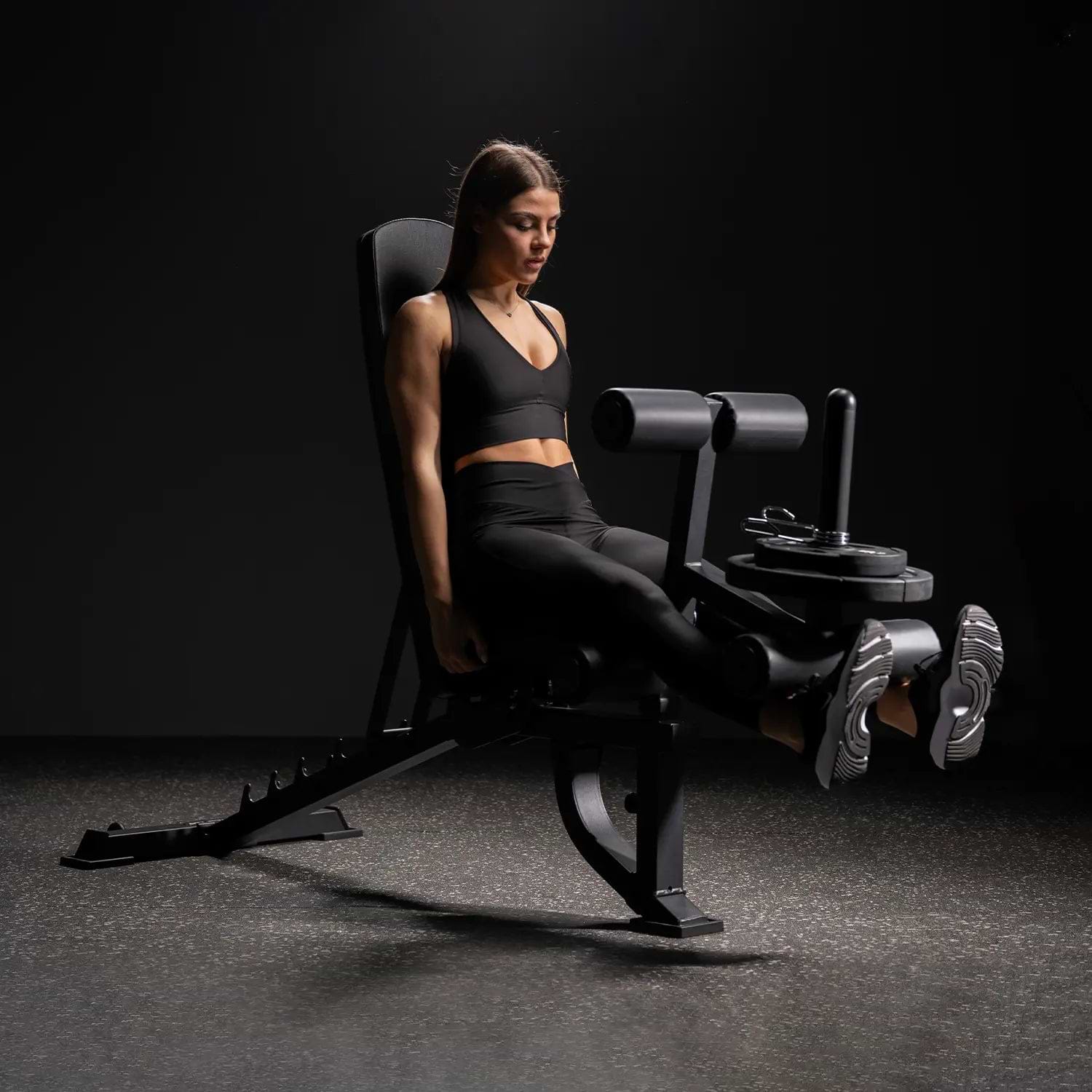
- Adjustable weight bench: Opens up incline presses, rows, and plenty of isolation work. Look for a weight capacity of at least 200 kg.
- Pull-up bar (doorway or wall-mounted): For pull-ups, leg raises, and a strong back and core.
- Exercise mat: Protects your joints and your floor during bodyweight exercises, stretching, and mobility work.
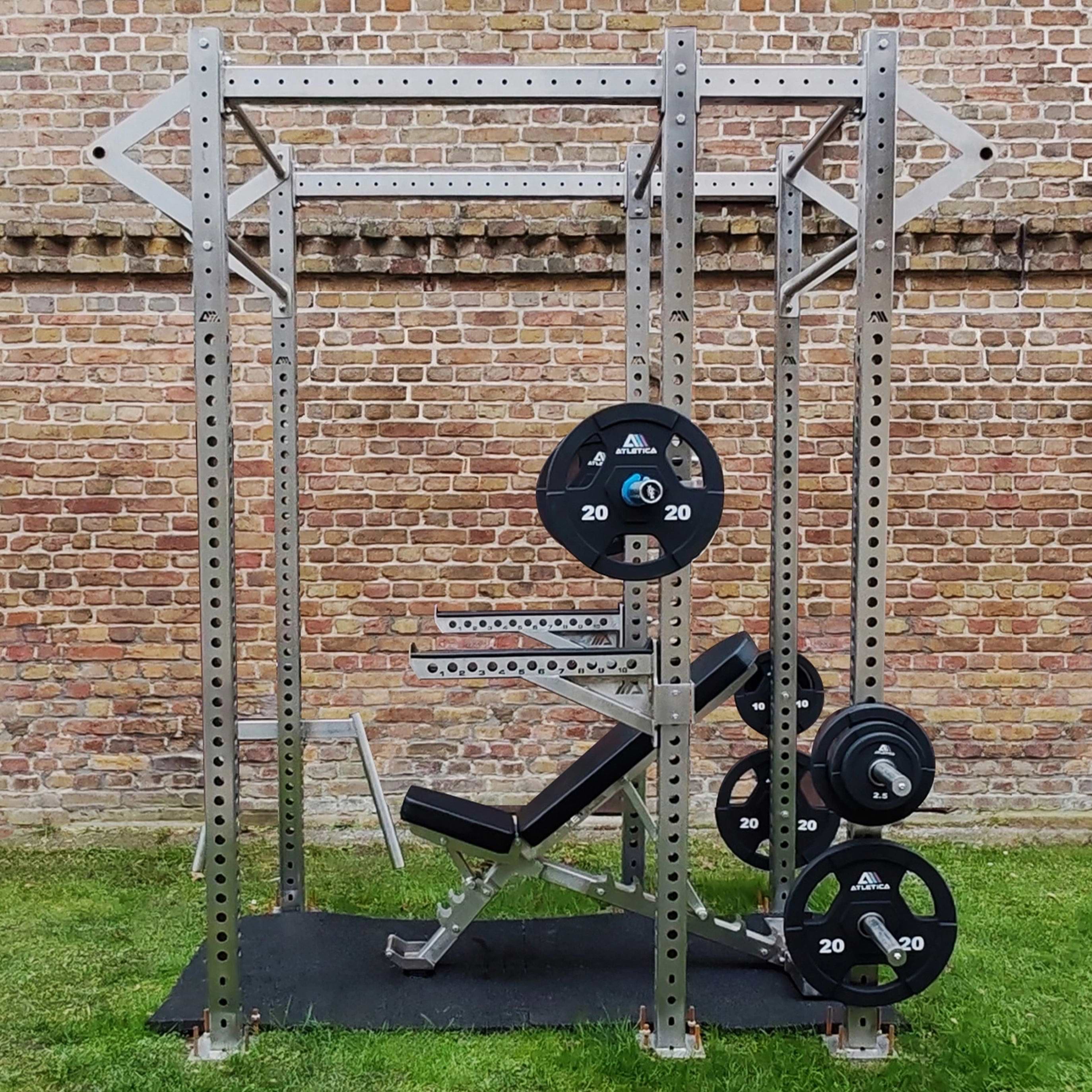
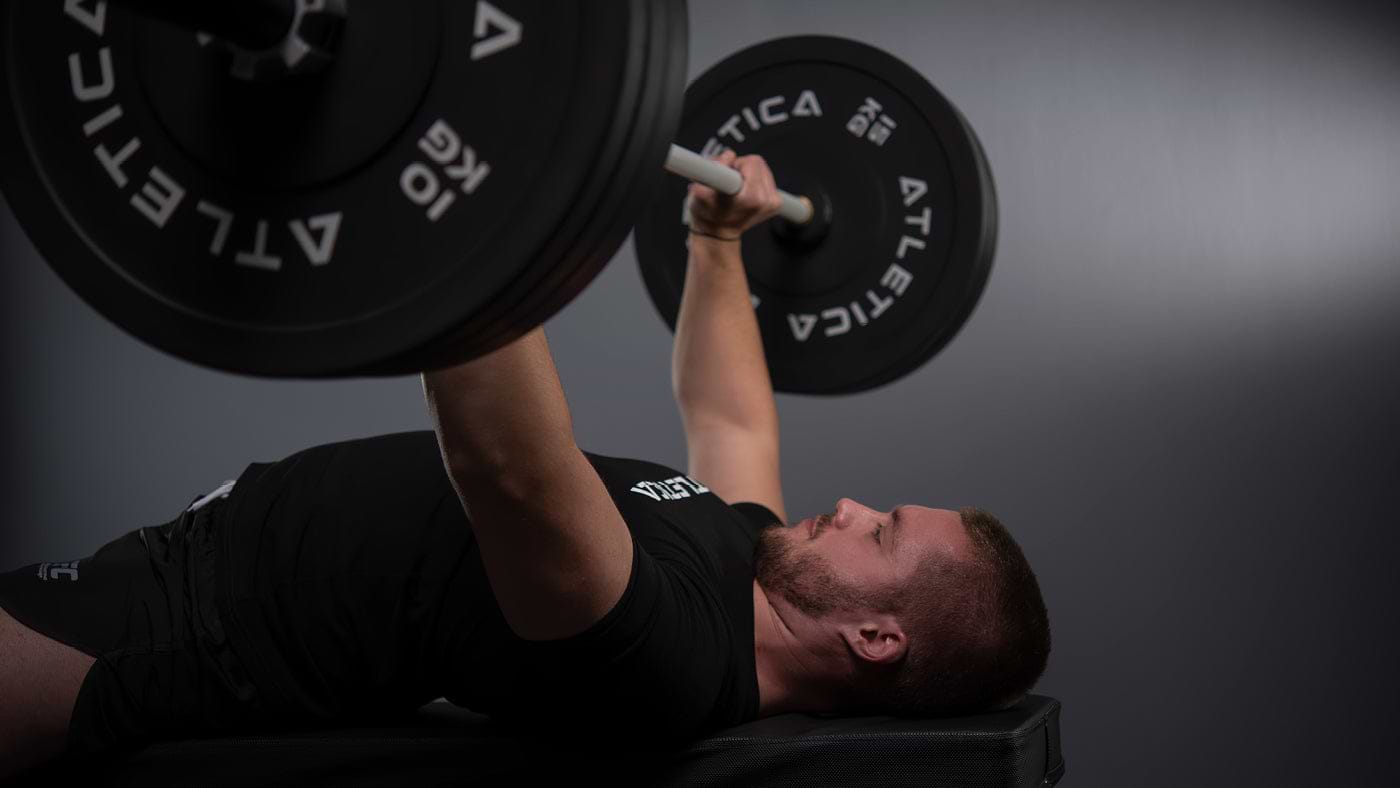
- Power rack (squat rack/power cage): The safest way to go heavy on barbell compound lifts (squats, bench press). Lets you train safely without a spotter.
In Detail: Your 5 Must-Haves for Getting Started
1. Dumbbells — The Versatile Foundation
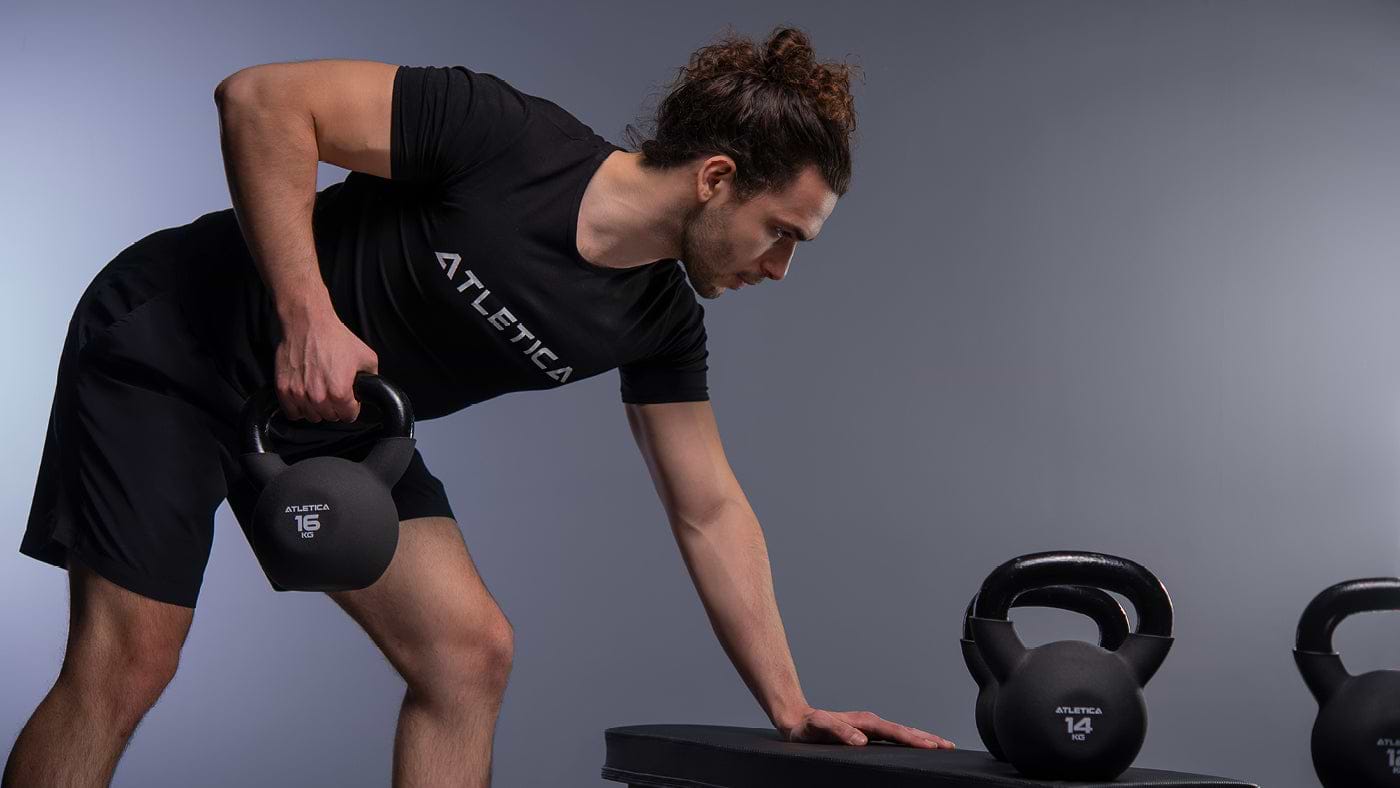
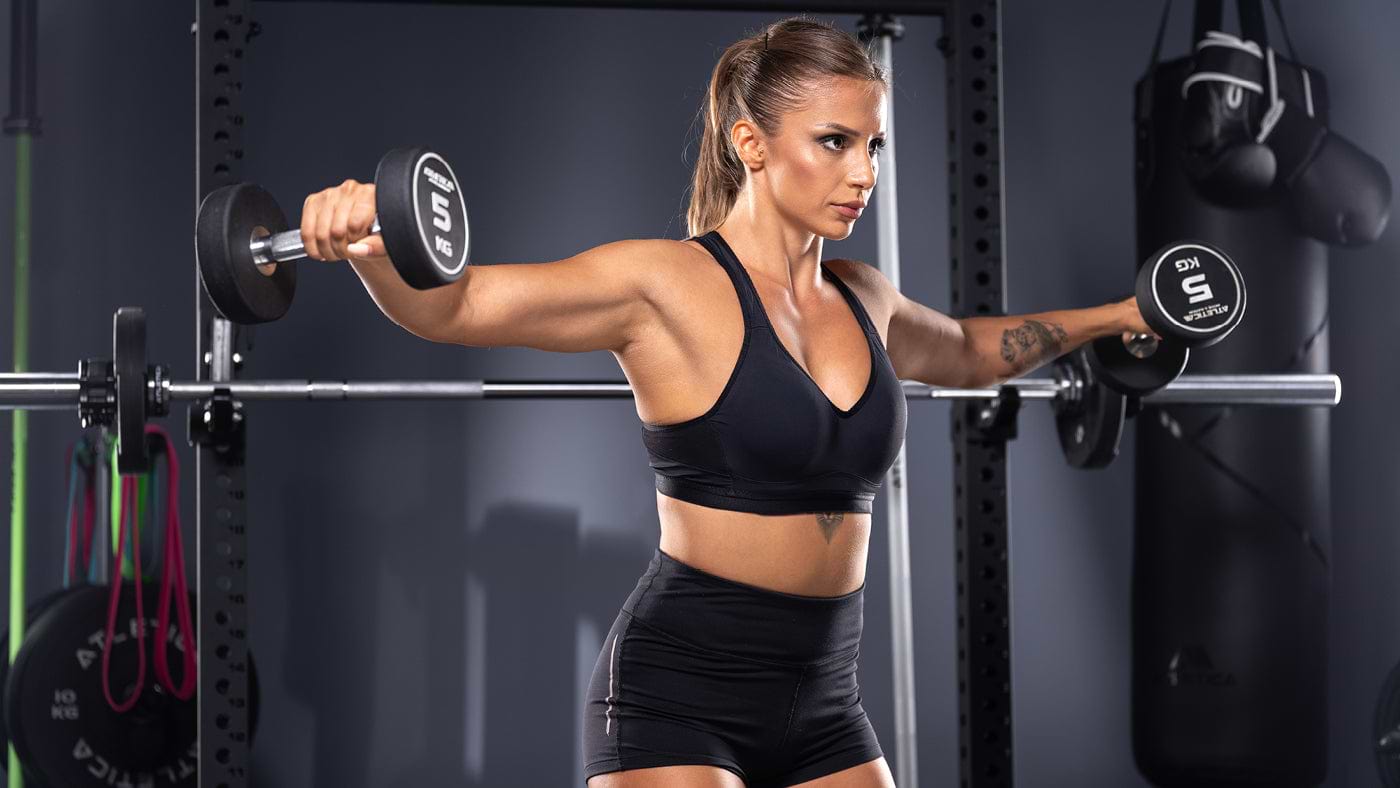
Dumbbells are the most versatile way to get into effective free-weight training. They take up little space, are affordable, and cover countless exercises for the whole body. You can use them for isolation movements like biceps curls or triceps extensions as well as compound movements like overhead presses or single-arm rows.
Tip: If you move on to barbell training later, our guide to buying a barbell will help. Our recommendation for beginners: invest in an adjustable dumbbell set like the ATLETICA QUAD. That way you cover a whole range of weights with a single set and save both space and money. Beginners often start with 5 to 10 kg per dumbbell.
2. Weight Bench — The Base for Countless Exercises
A weight bench is far more than just something to lie on. It's the foundation for safe, varied strength training. With an adjustable bench like the ATLETICA B10 you can change the incline and target different muscle groups. The key criteria when buying:
| Criterion | Recommendation for beginners |
|---|---|
| Adjustability | Back pad and seat should offer multiple positions. |
| Weight capacity | At least 200 kg so it still works once you're more advanced. |
| Stability | Sturdy construction with no wobble. |
3. Pull-Up Bar — The Underrated Powerhouse
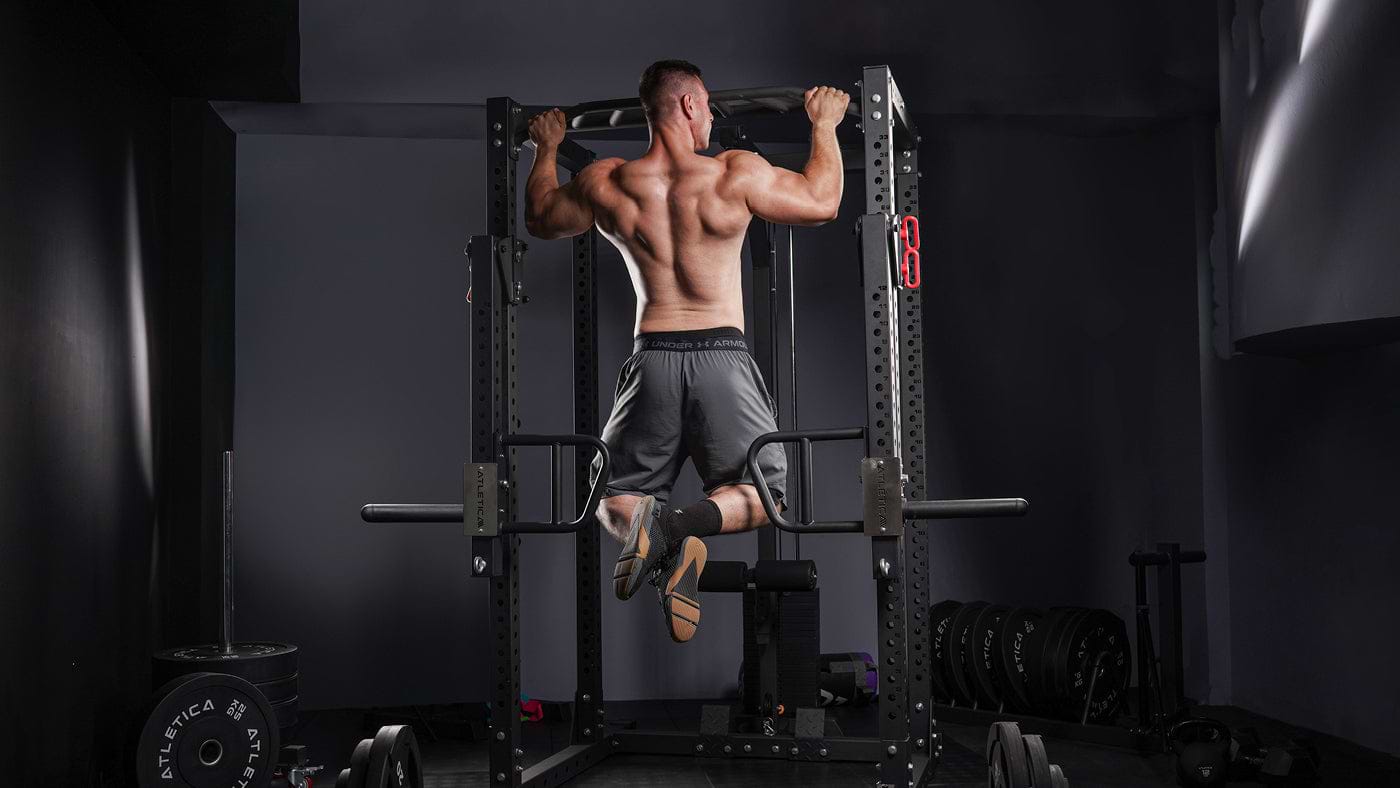
The pull-up bar is an extremely efficient tool that doesn't need much room. It works your entire upper body, especially your back, and is unbeatable for grip strength. There are three main types:
- Doorway bar: Mounts in the door frame without drilling. Ideal for rentals and tight budgets.
- Wall-mounted: More solid and can take more load than a doorway bar. Offers more flexibility in height.
- Power tower: Freestanding unit with built-in pull-up, dip, and leg-raise stations. Takes up more space but offers maximum stability.
4. Exercise Mat — Safety and Comfort
A non-slip exercise mat is an absolute must to protect your joints during floor exercises like push-ups, planks, or stretching. It gives you a clean, non-slip training surface and protects your floor at the same time. Choose a mat around 0.8 cm thick for optimal comfort. For heavy equipment you'll also need solid gym flooring — read more in our guide to gym flooring for your home gym.
5. Power Rack — The Long-Term Investment in Safety and Progress
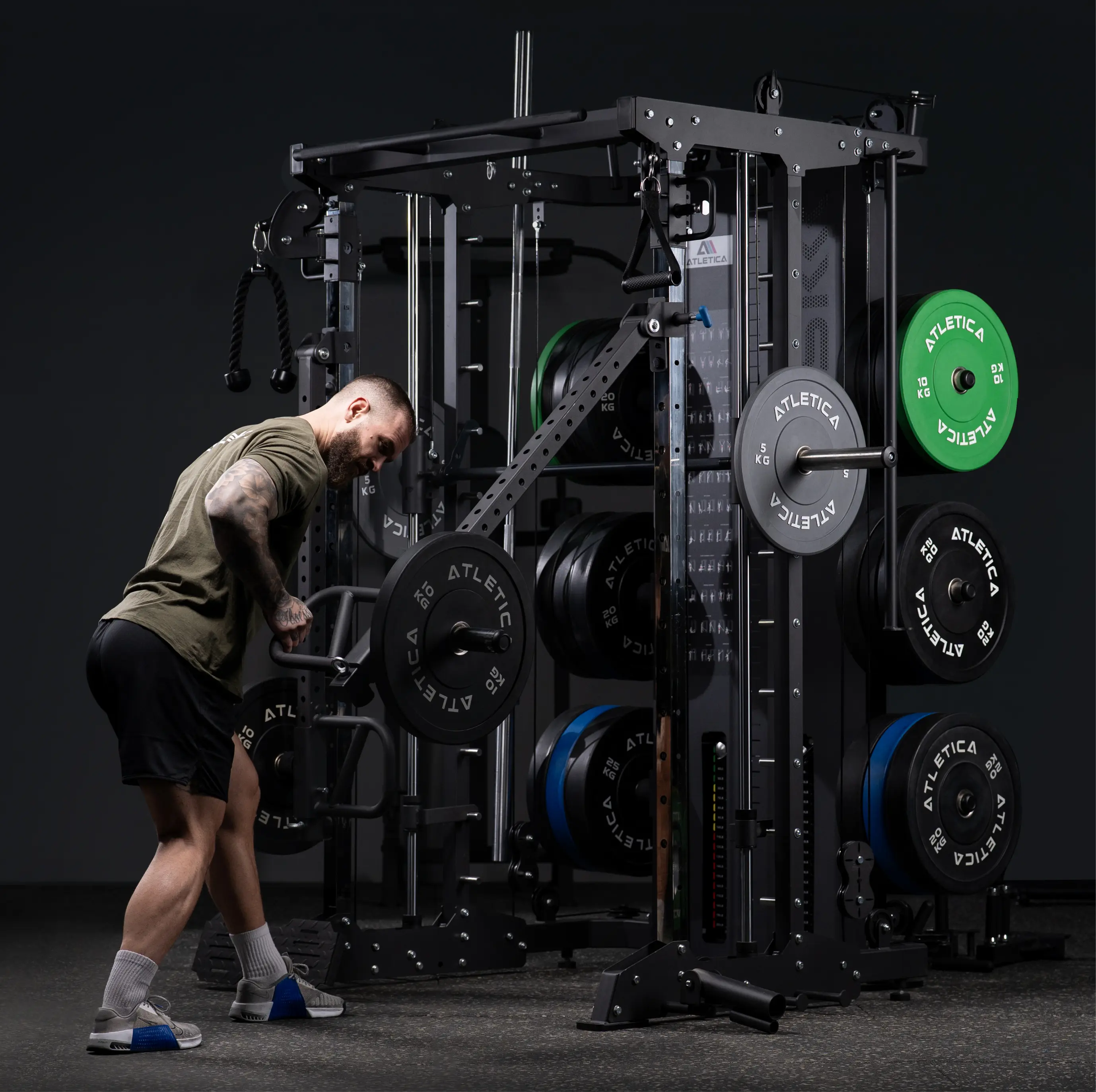
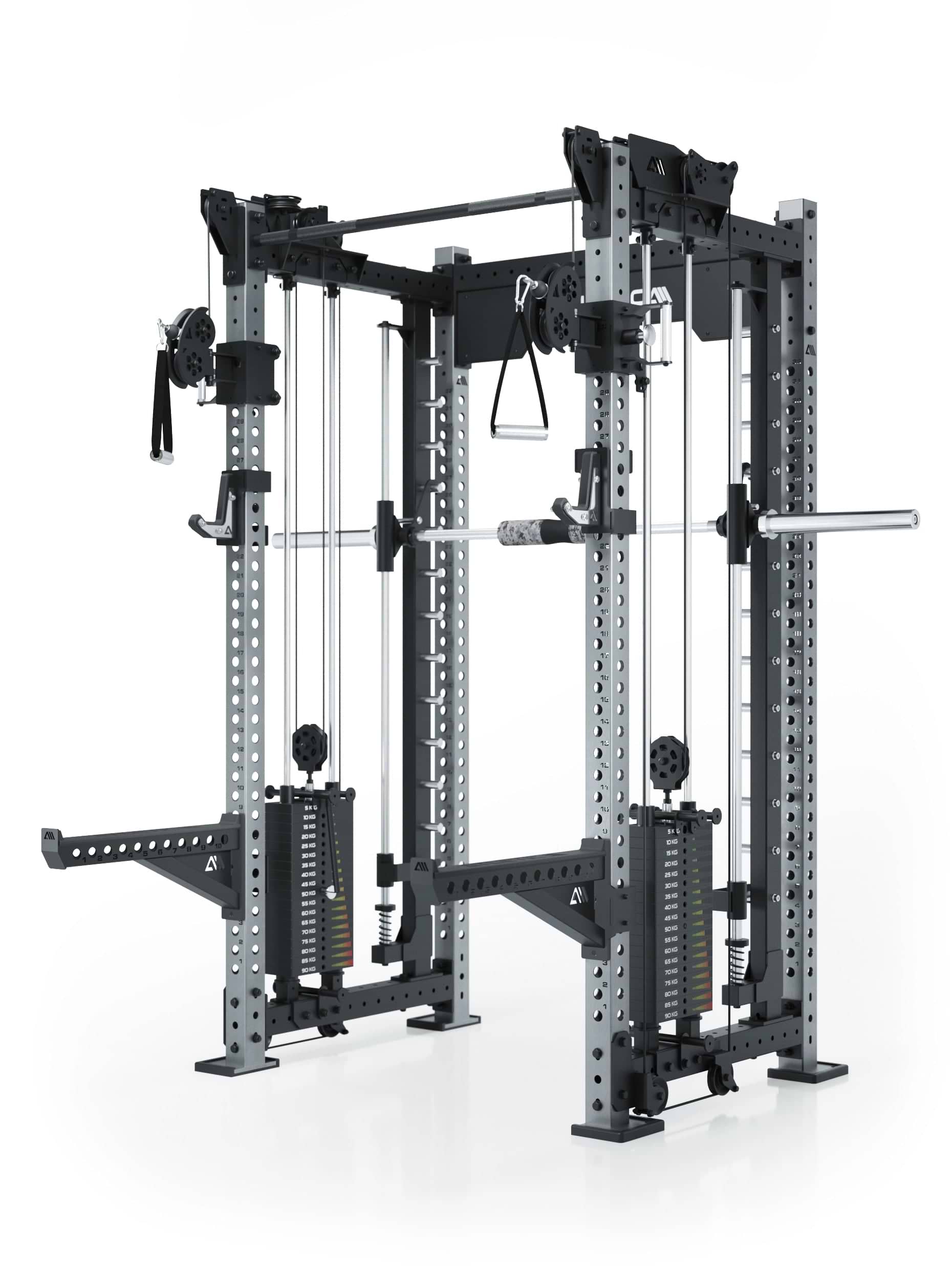
The power rack (also called a squat rack or power cage) is the centerpiece of any serious home gym. While you can check off the first four items right away, a power rack is the smart long-term investment in your safety. A quality rack gives you:
- Maximum safety: With safety spotter arms (safeties) you can push through heavy sets safely, even without a training partner.
- Unlimited exercise options: Squats, bench press, overhead press, and many other barbell compound lifts.
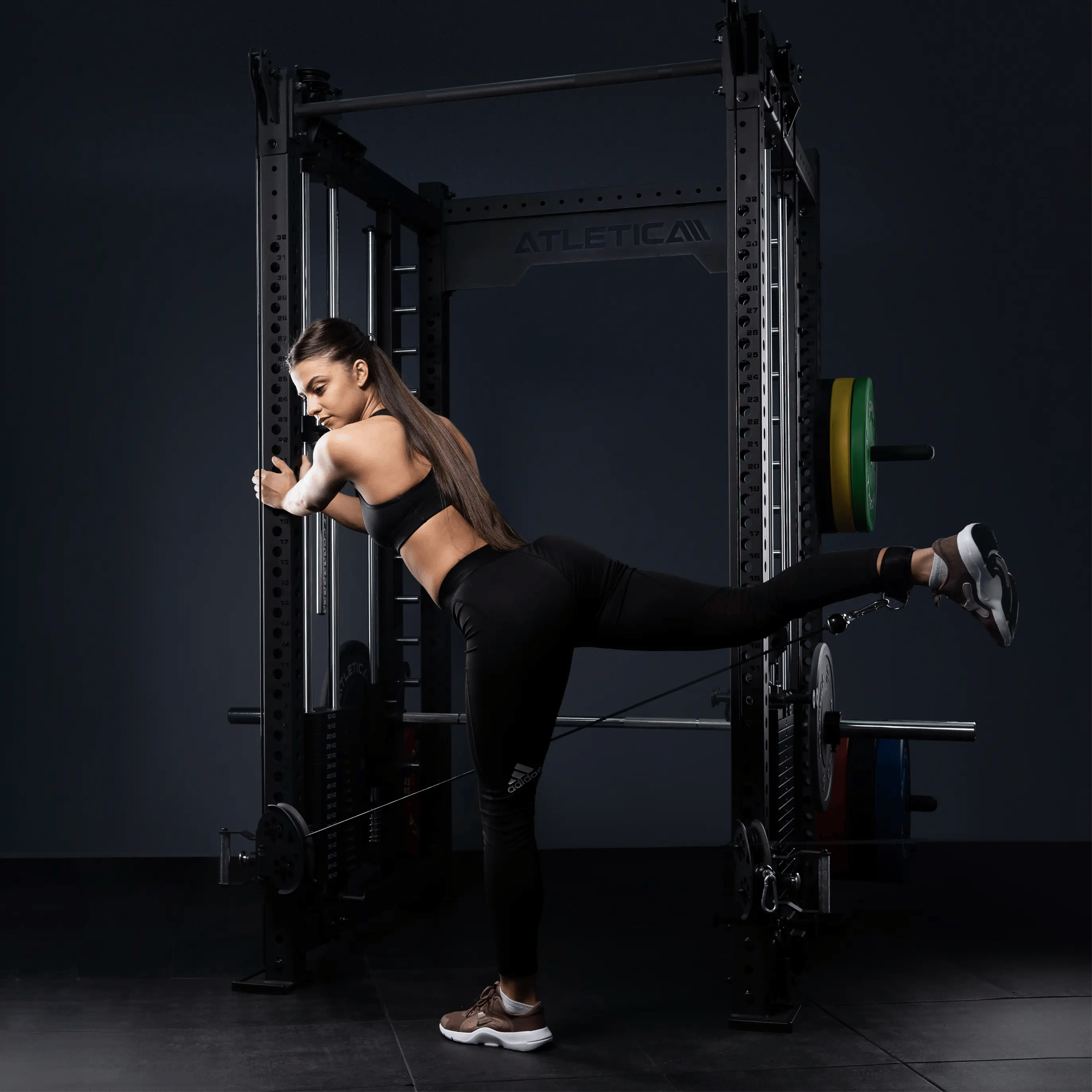
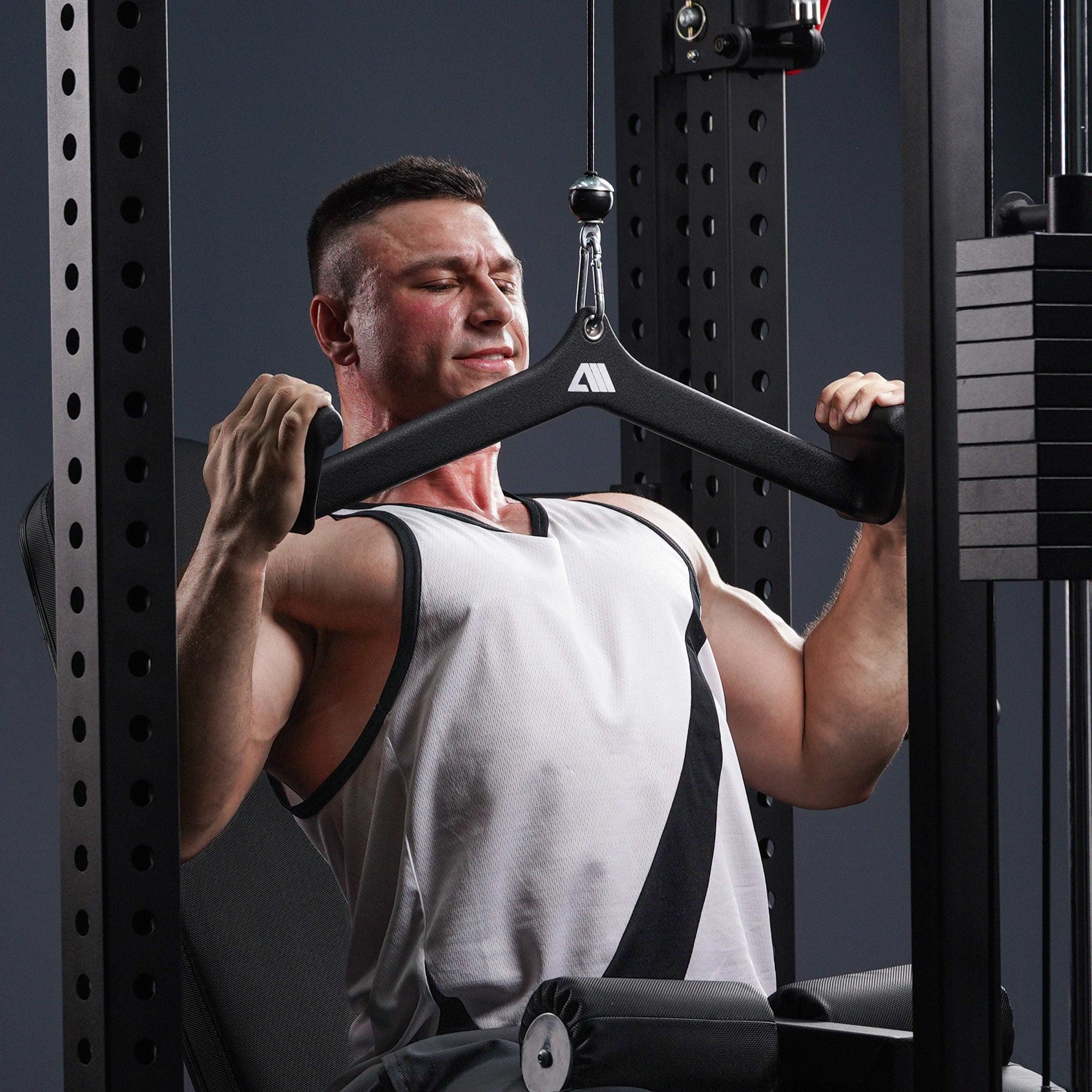
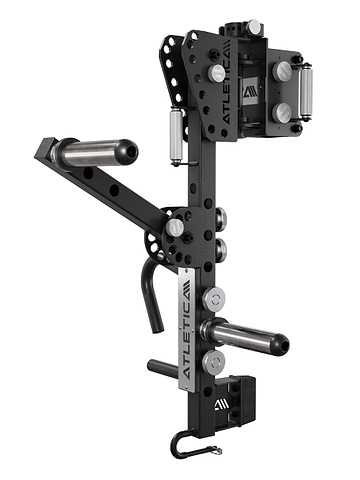
- Modularity: Depending on the model, you can add attachments like lat pulldowns, cable towers, or dip bars later on.
ATLETICA has you covered with the R8 series and the R7 series. For beginners, models like the R8 BlackHawk or the R7 EVO Fighter with built-in features like a lat pulldown are ideal. These racks stand out with German engineering, high stability (75 x 75 mm steel tubing on the R8 series), and a lifetime warranty on the steel. To see which series suits you, check out our comparison R7 vs. R8 for beginners.
FAQ: The Most Common Beginner Questions
How much space do I need for a home gym?
Just 2 to 3 square meters is enough for a minimalist setup with adjustable dumbbells, a bench, and a pull-up bar. A power rack needs more room (roughly 1.2 x 1.2 m) plus space to move around it.
How much should I budget to get started?
A basic setup starts at around 120 to 200 euros. A mid-range setup with adjustable dumbbells, a good bench, and a squat rack runs between 200 and 600 euros. If you're planning for the long haul, it's worth investing in a quality power rack, which starts at around 1,359 euros at ATLETICA. To see when that pays off compared to a gym membership, check out our home gym vs. commercial gym cost breakdown.
How do I avoid injuries in my home gym?
Start with light weights to learn proper technique. Invest in a non-slip mat and protect your floor. A power rack with safety spotter arms is essential if you're doing heavy lifts like squats or bench press on your own.
Is a multi-gym or a power rack better for beginners?
You'll find the full answer in our comparison multi-gym or power rack. In short: an all-in-one trainer (home gym machine) offers guided movement paths, which minimizes the injury risk for absolute beginners. A power rack is the better choice if you prefer free, functional exercises and want to keep progressing over the long term. To find out whether an all-in-one solution makes sense for you, read our guide to the all-in-one home gym.
Bottom Line
An effective home gym for beginners comes down to a well-chosen set of five essentials: dumbbells (ideally an adjustable set), an adjustable weight bench, a pull-up bar, an exercise mat, and — for maximum safety and room to grow — a power rack.
Our advice: start with the first four and build a solid training routine. Once you notice your weights climbing and you need more safety for barbell training, buying a quality power rack is the logical next step.
With the right equipment, like the gear ATLETICA offers, you can build a safe, future-proof home gym that grows with your ambitions.