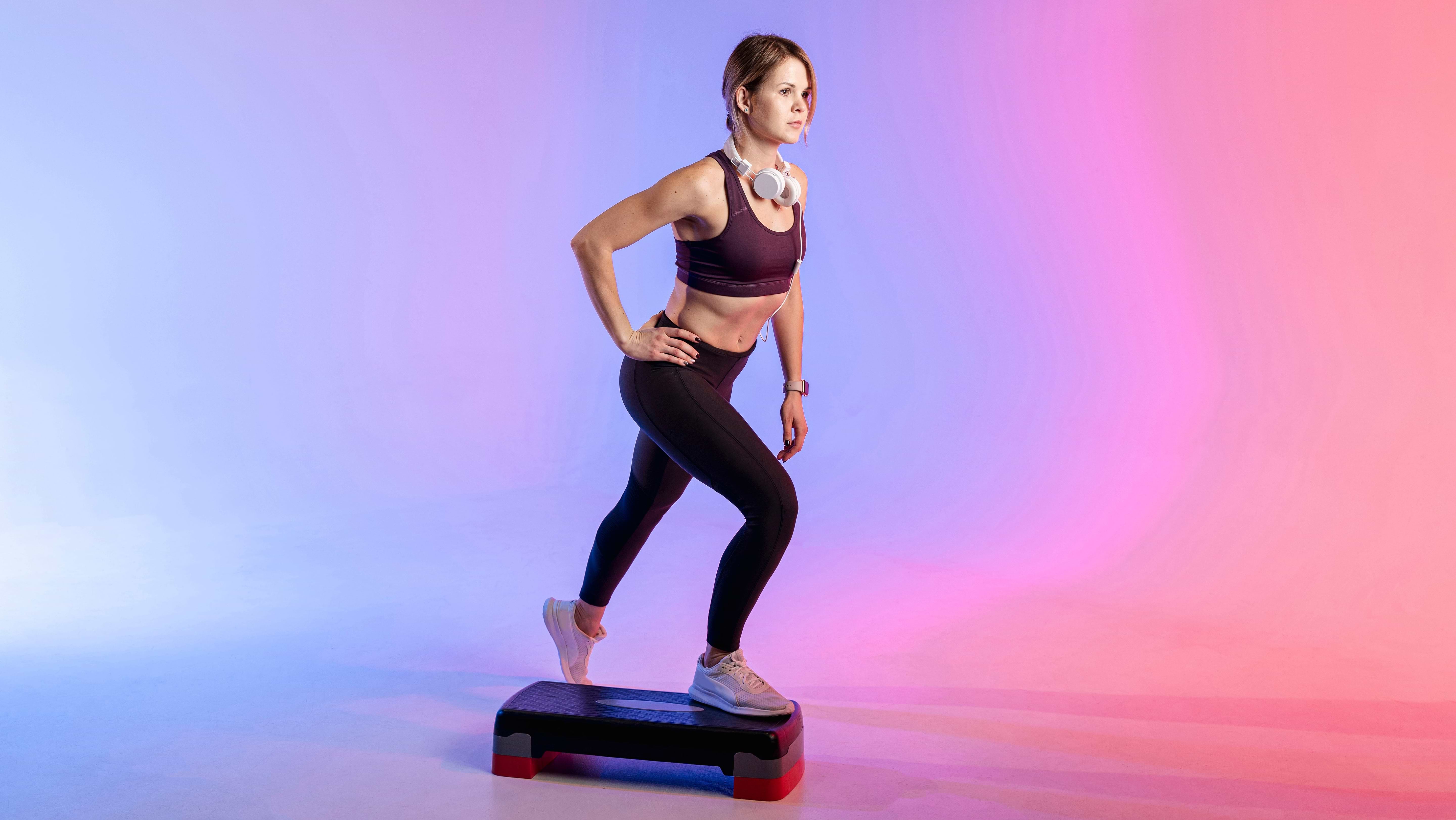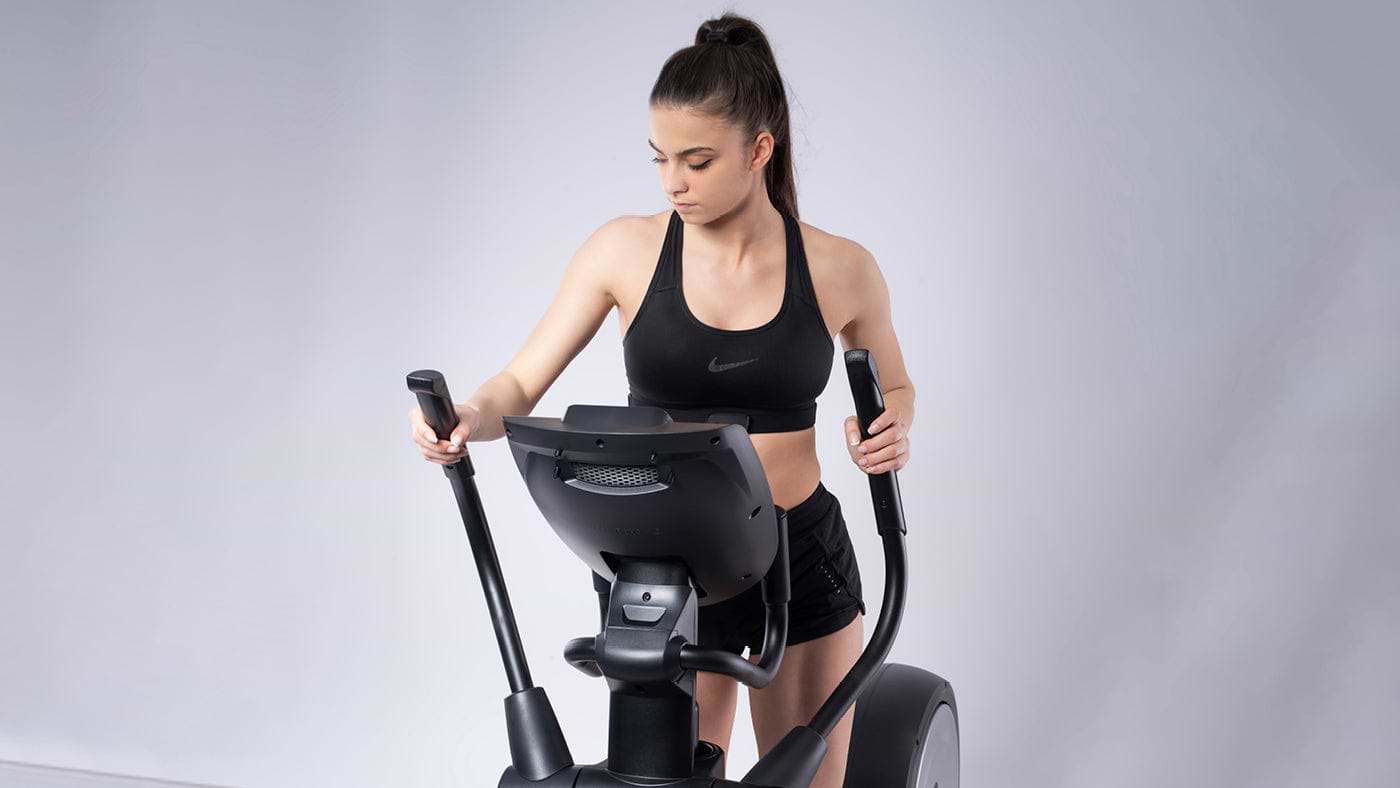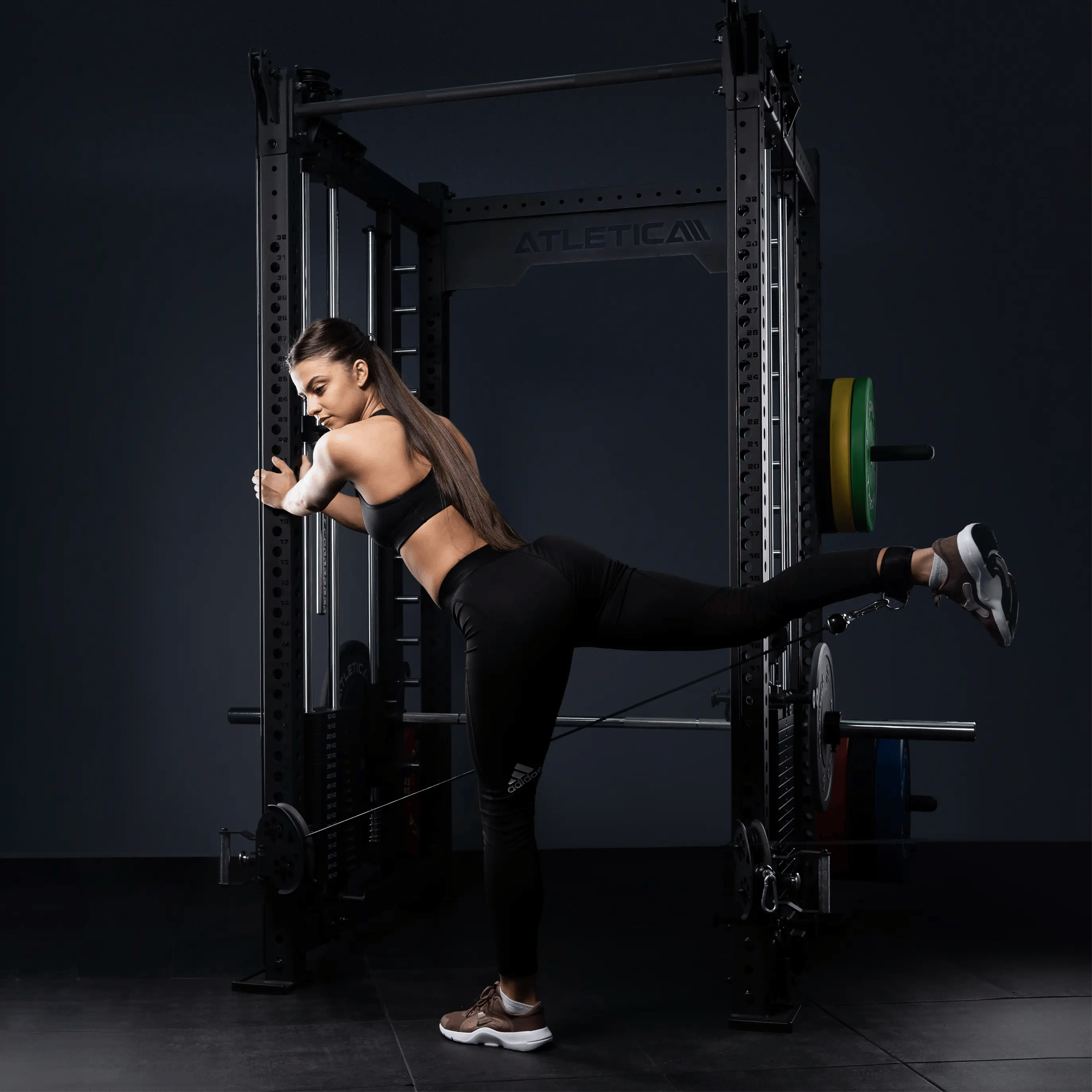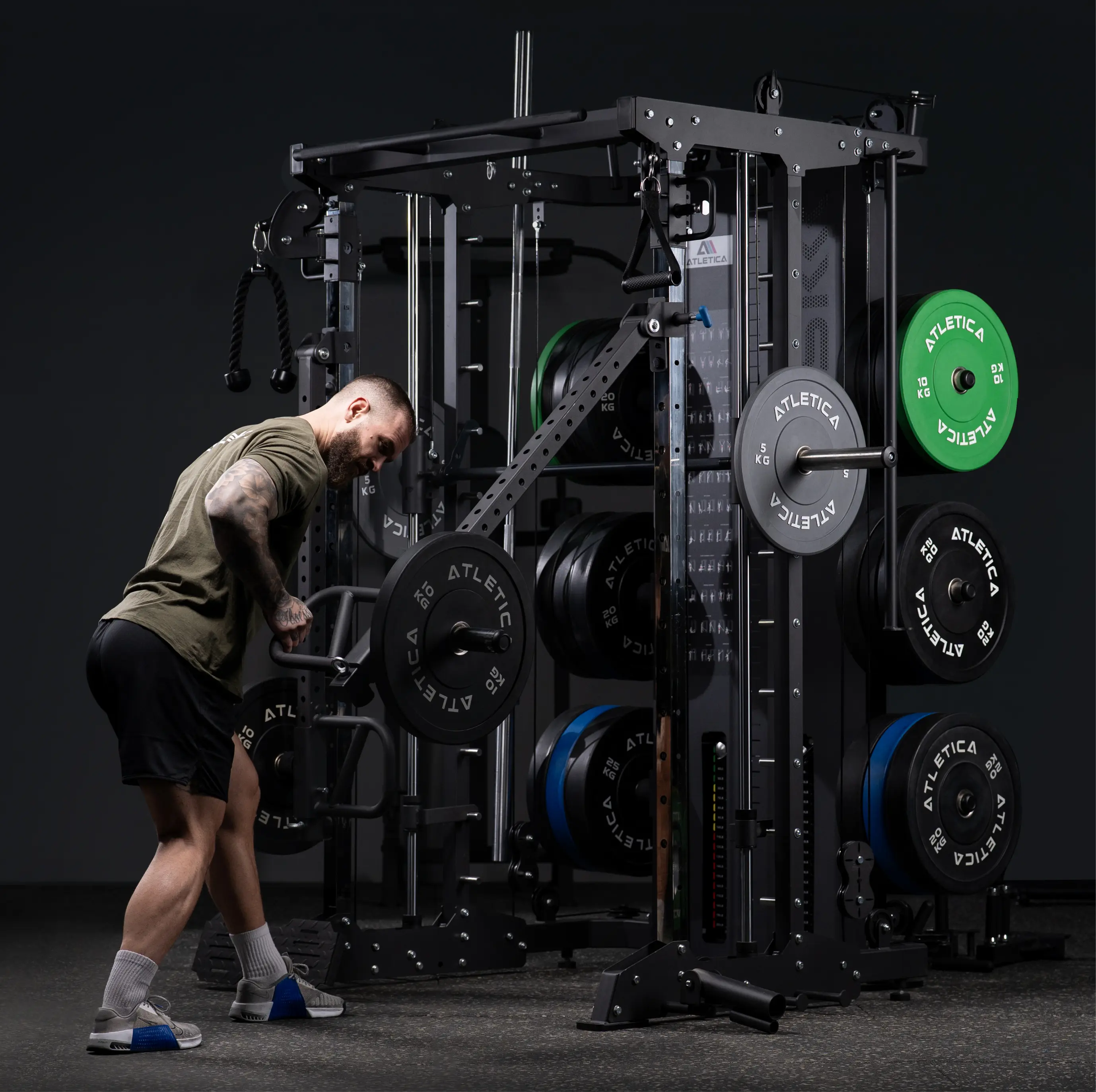










Whether for health reasons or for a more defined appearance – many people pursue the goal of reducing their body fat percentage. But how does that actually work exactly? Is eating less enough? Or is exercise the decisive factor? In this article, you'll learn how fat loss really works, which training and nutrition strategies are effective, which mistakes you should avoid, and how ATLETICA's equipment can support you optimally – whether at the gym or in your own home gym.
1. What does reducing body fat mean?
Body fat is not bad per se. It fulfills numerous vital tasks in the body:
- Energy storage
- Protection of the organs
- Heat regulation
- Hormone production
But too high a fat percentage – especially visceral fat in the abdominal area – increases the risk of cardiovascular diseases, type 2 diabetes, and many other conditions. That's why it makes sense to reduce excess body fat and settle into a healthy target range:
- Men: 10–20 %
- Women: 18–28 %
The goal of fat loss is not short-term weight reduction, but a sustainable change in body composition: less fat, more or preserved muscle.
2. Calorie deficit: The basic principle
To lose body fat, you need a calorie deficit – which means you have to burn more energy than you take in through food. Just 300–500 calories less per day is enough to achieve healthy, long-term progress.
How does a calorie deficit come about?
- Through movement (exercise, everyday activity, NEAT)
- Through reduced calorie intake
- Ideal: a combination of both
NEAT (Non-Exercise Activity Thermogenesis) refers to all the small movements in everyday life – from climbing stairs to cleaning. These, too, significantly influence daily calorie consumption.
A calorie deficit of 500 kcal/day corresponds to about 0.5 kg of fat loss per week – which is realistic and sustainable.
3. The role of nutrition in fat loss
a) High-protein nutrition
Protein protects your muscles and keeps you fuller than fats or carbohydrates. Especially during a calorie deficit, protein intake should be increased – to about 1.6–2.2 g per kilogram of body weight daily.
b) High-volume meals
Foods with a low energy density (e.g. vegetables, fruit, legumes) help you feel full without taking in many calories. This keeps you satisfied longer and reduces cravings.
c) Meal structure
Regular meals help prevent cravings. Many people rely on 3 main meals + 1 snack – others on intermittent fasting. What matters is what works for you in the long run.
d) Avoid empty calories
Sugary snacks, soft drinks, and heavily processed products provide many calories but hardly any nutrients. Replace them with wholesome alternatives.
4. Movement: How to burn fat effectively
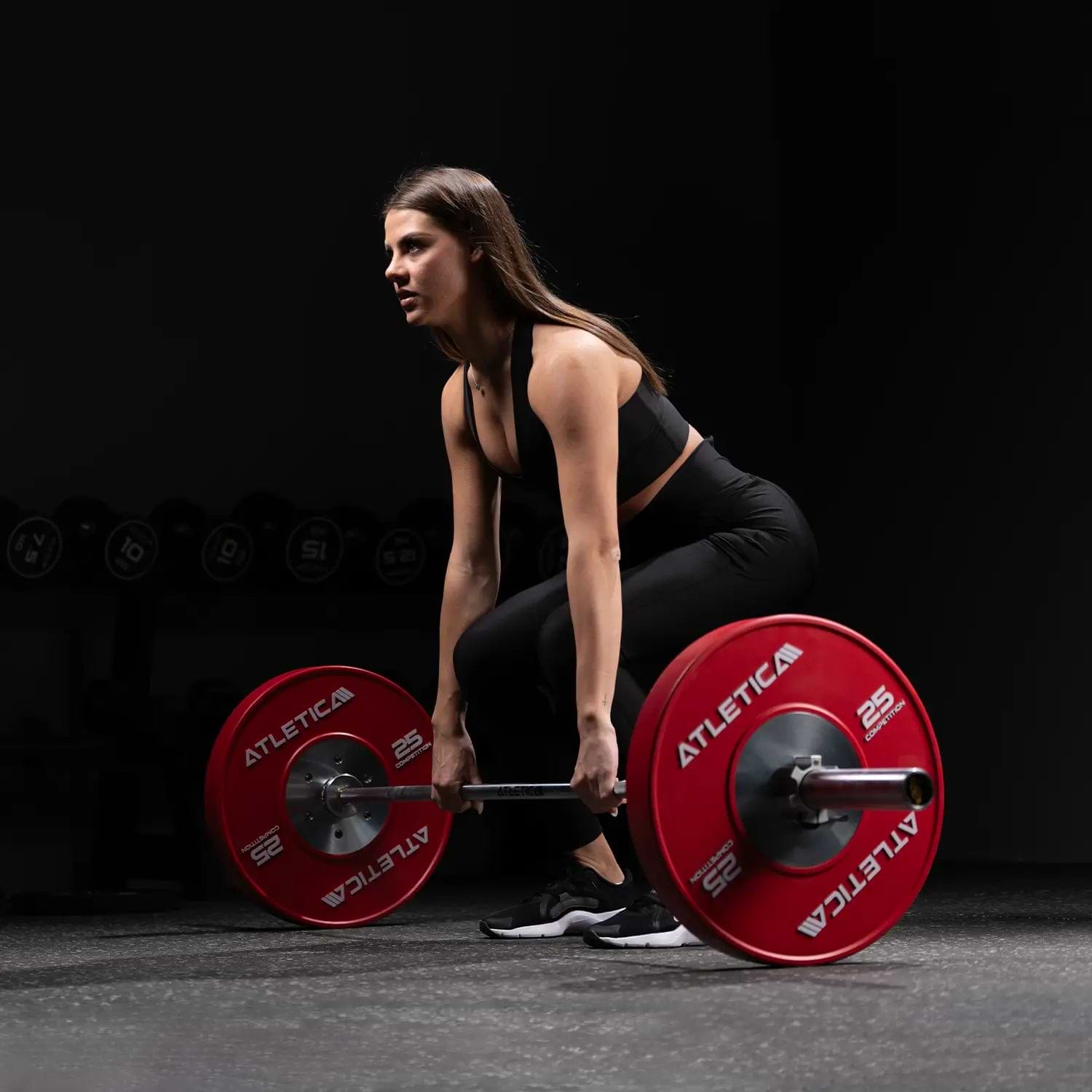
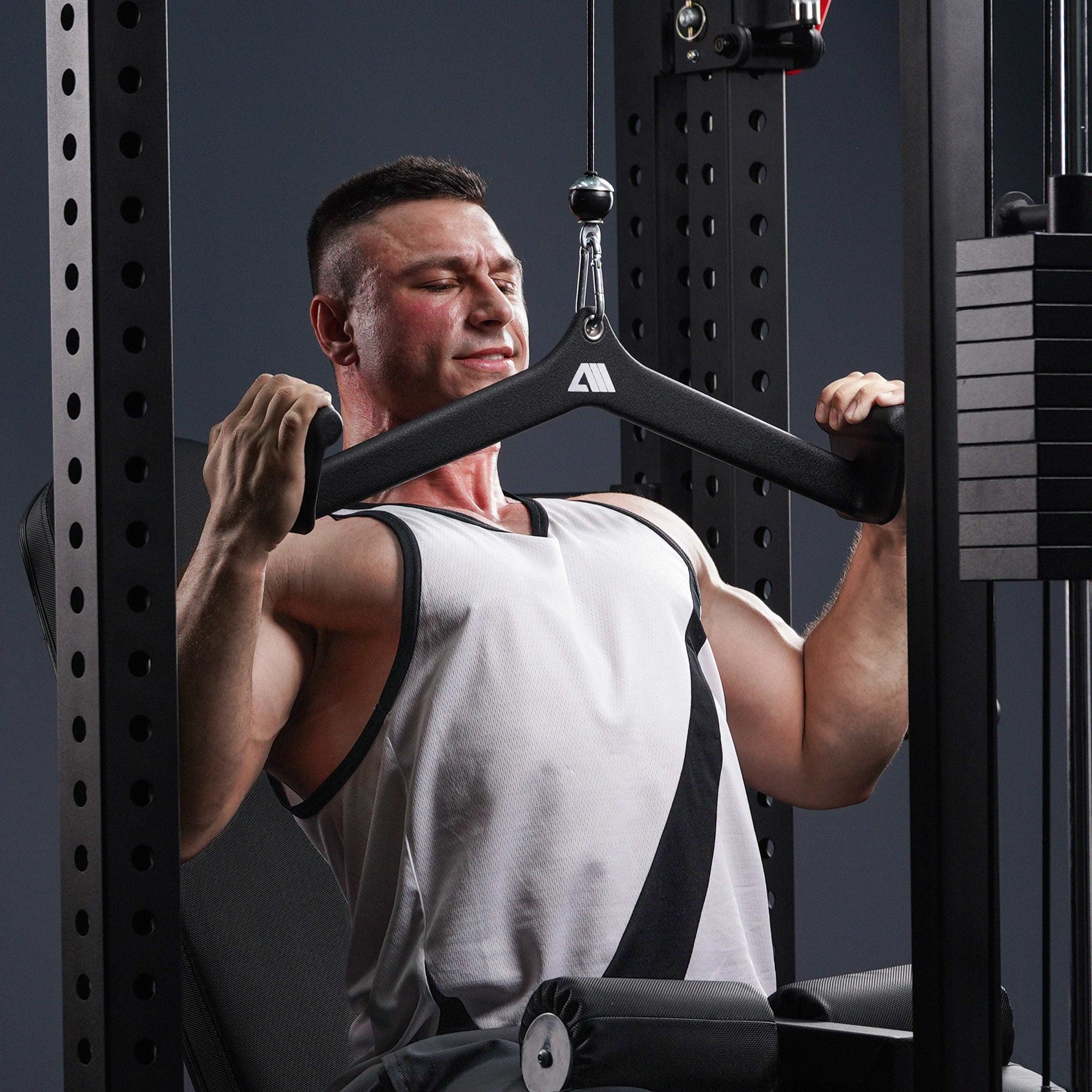
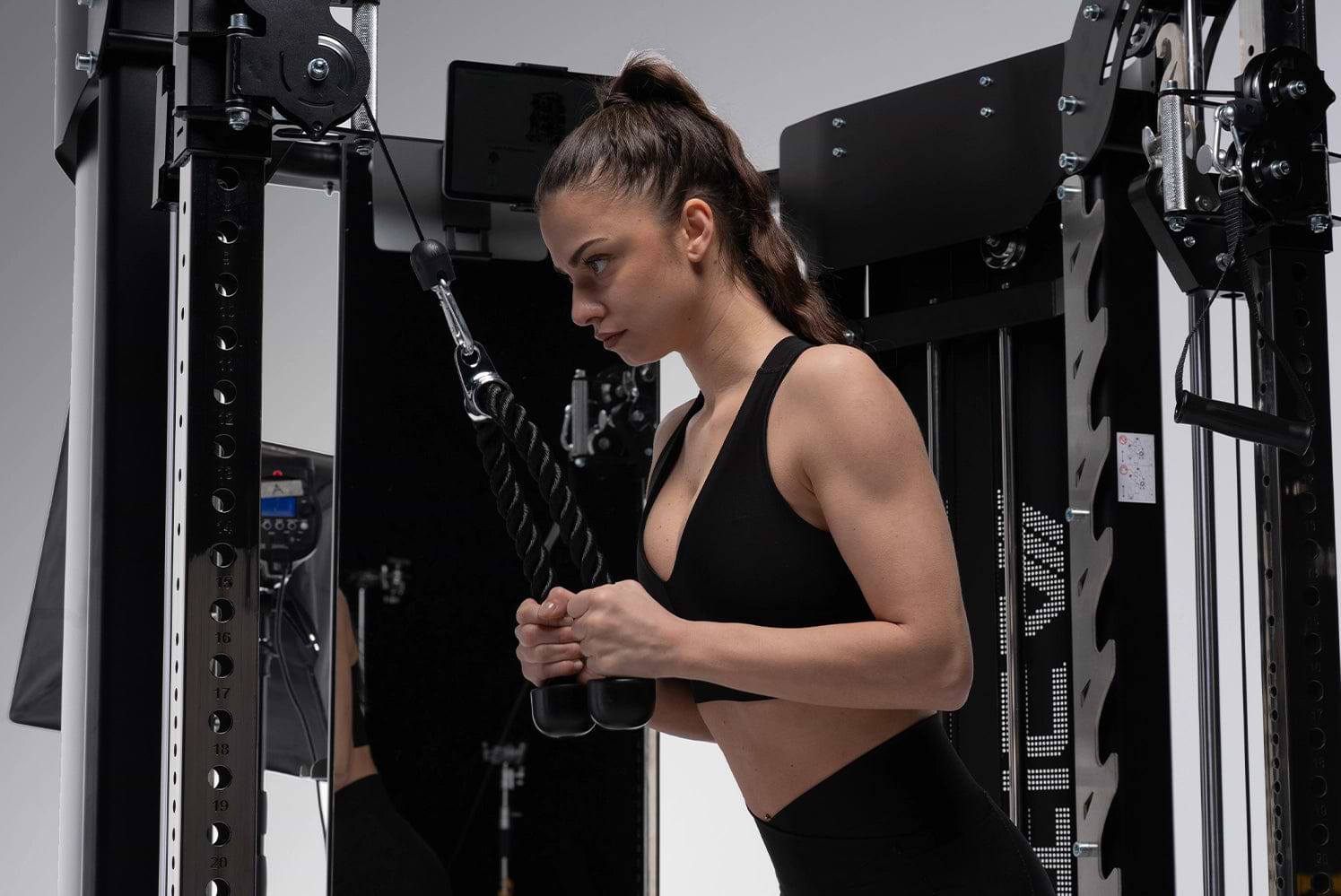
a) Strength training
- Protects muscle mass during a calorie deficit
- Increases your basal metabolic rate
- Shapes your silhouette
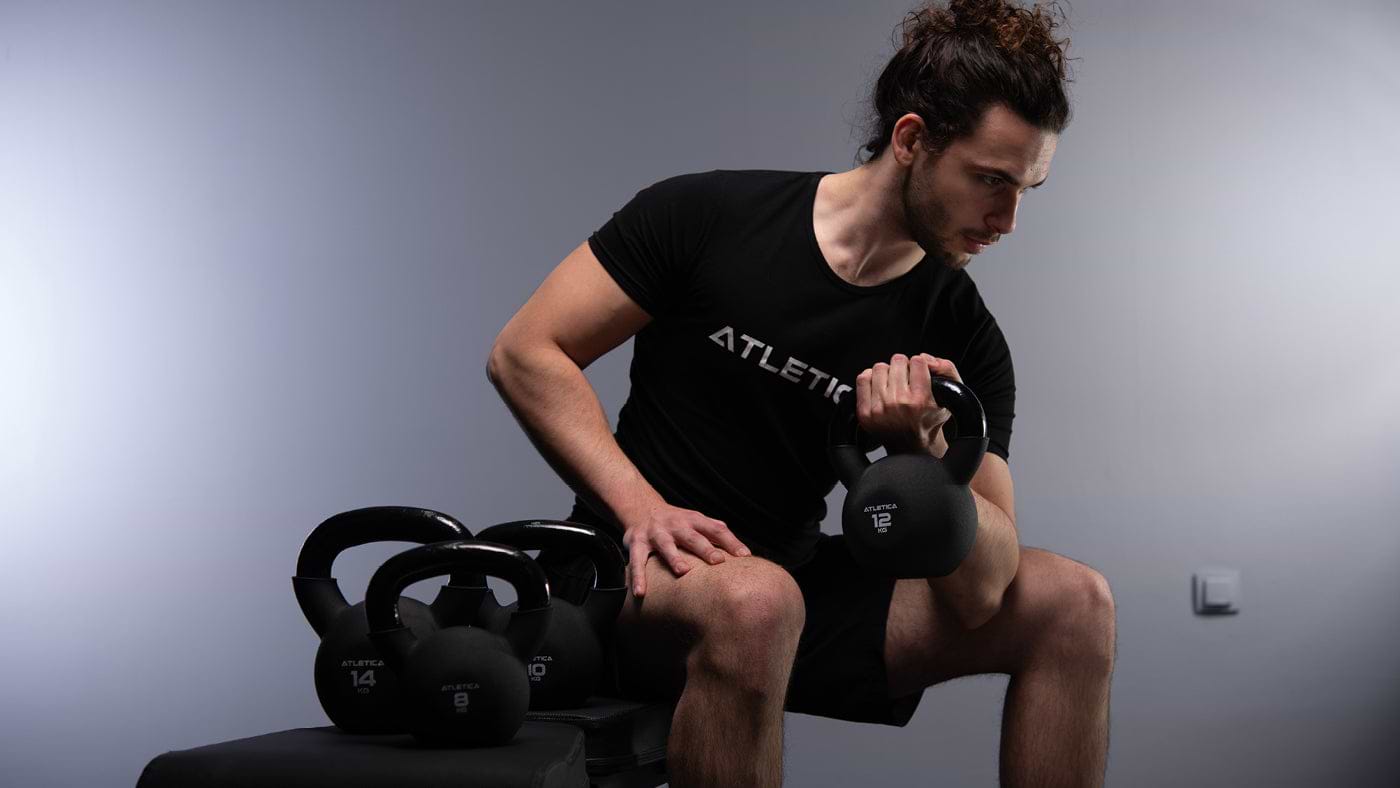
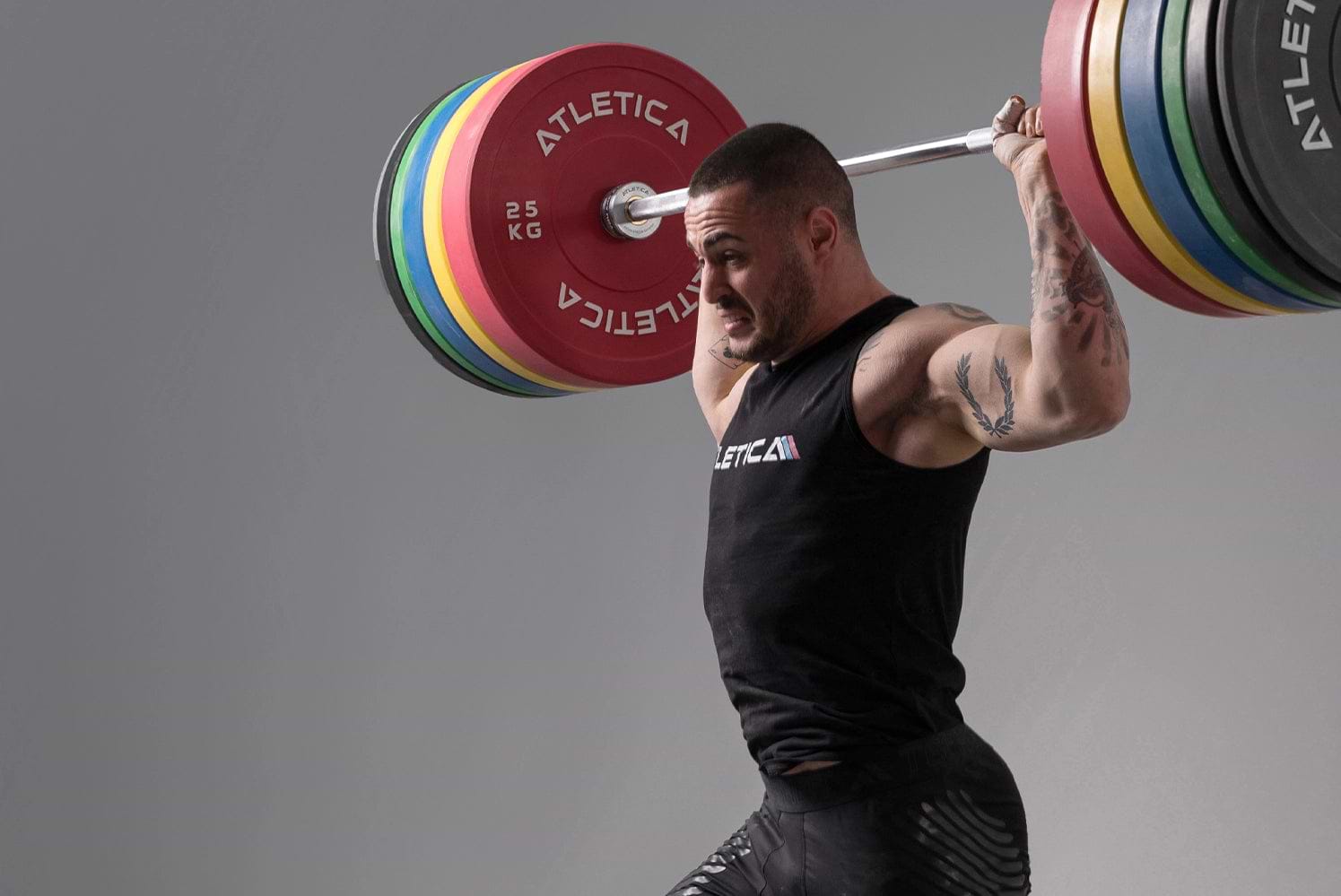
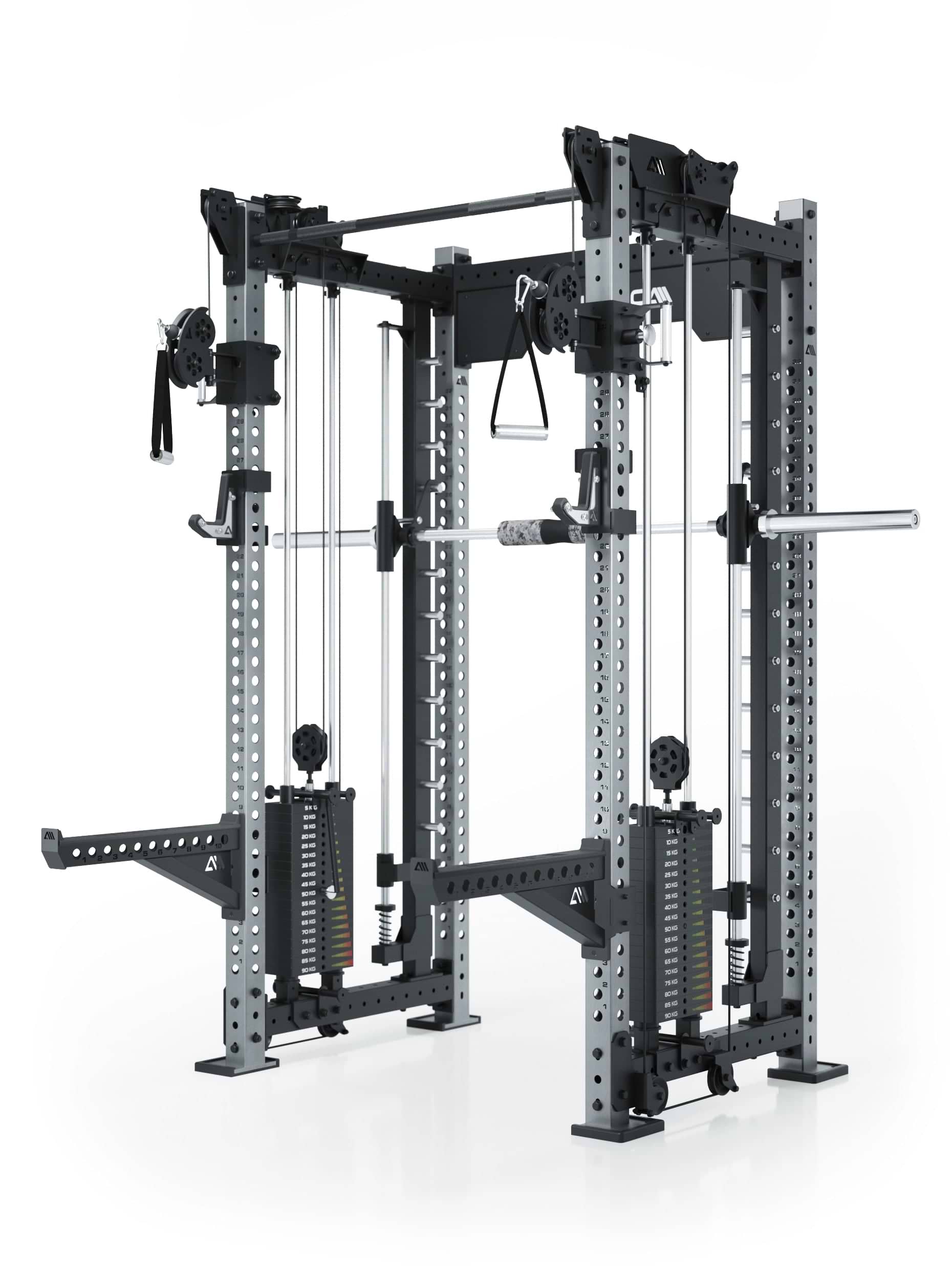
Recommendation: 2–3 sessions per week with a focus on full-body exercises
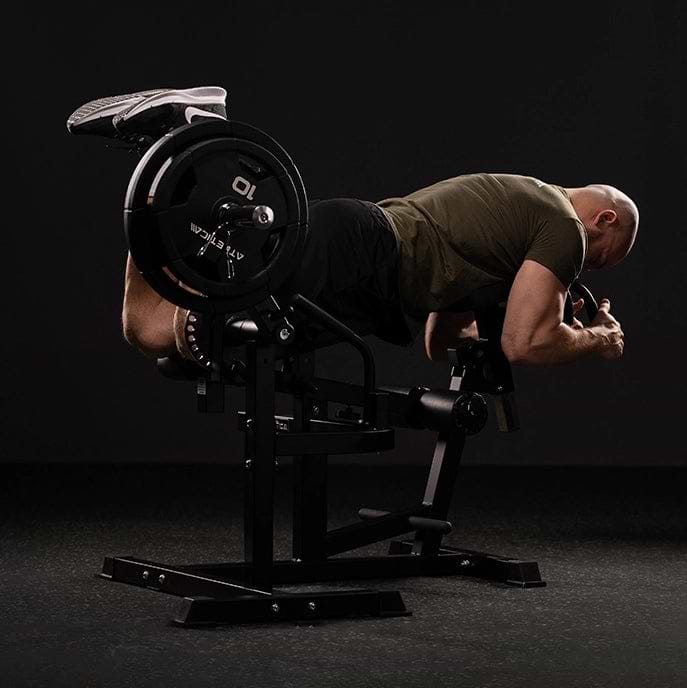
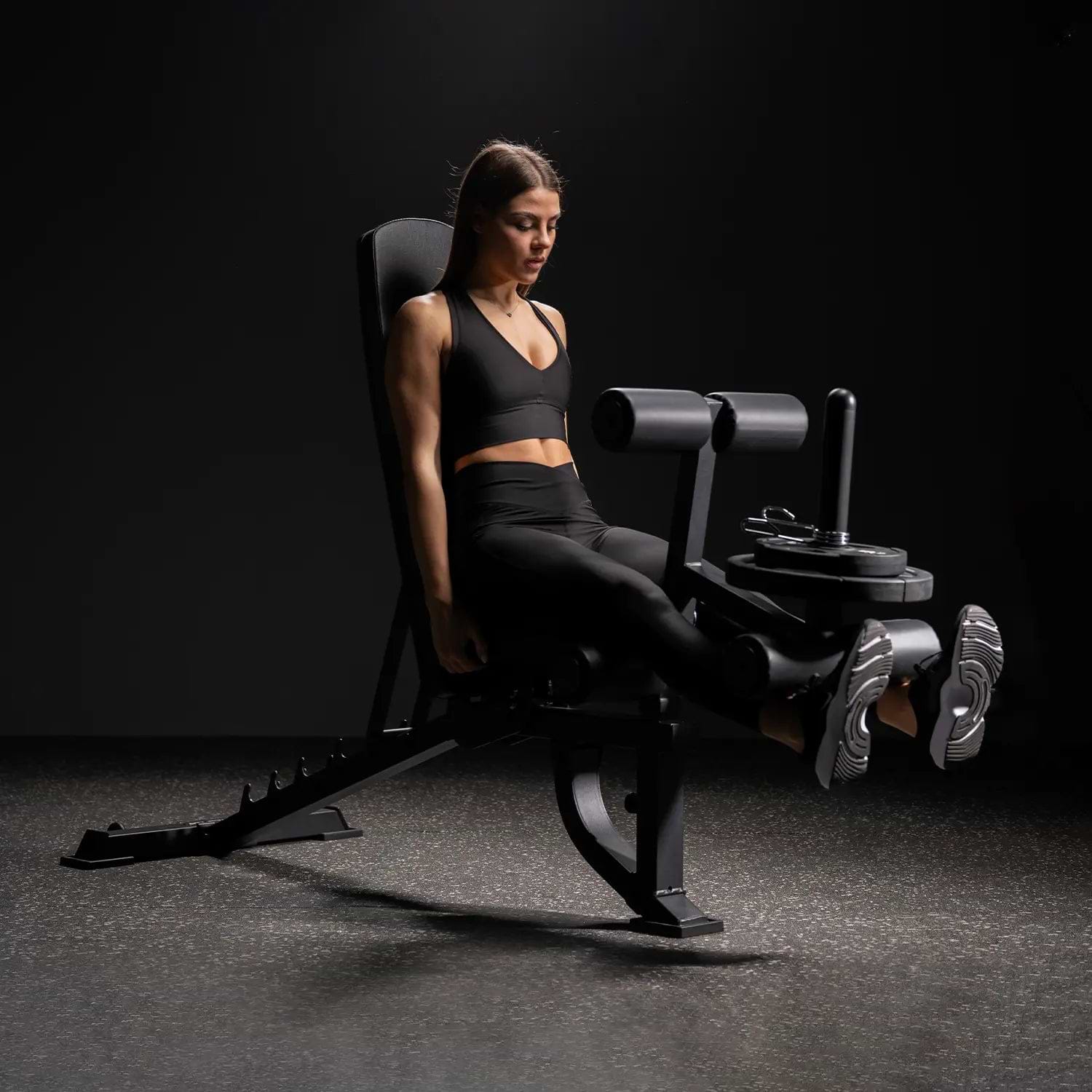
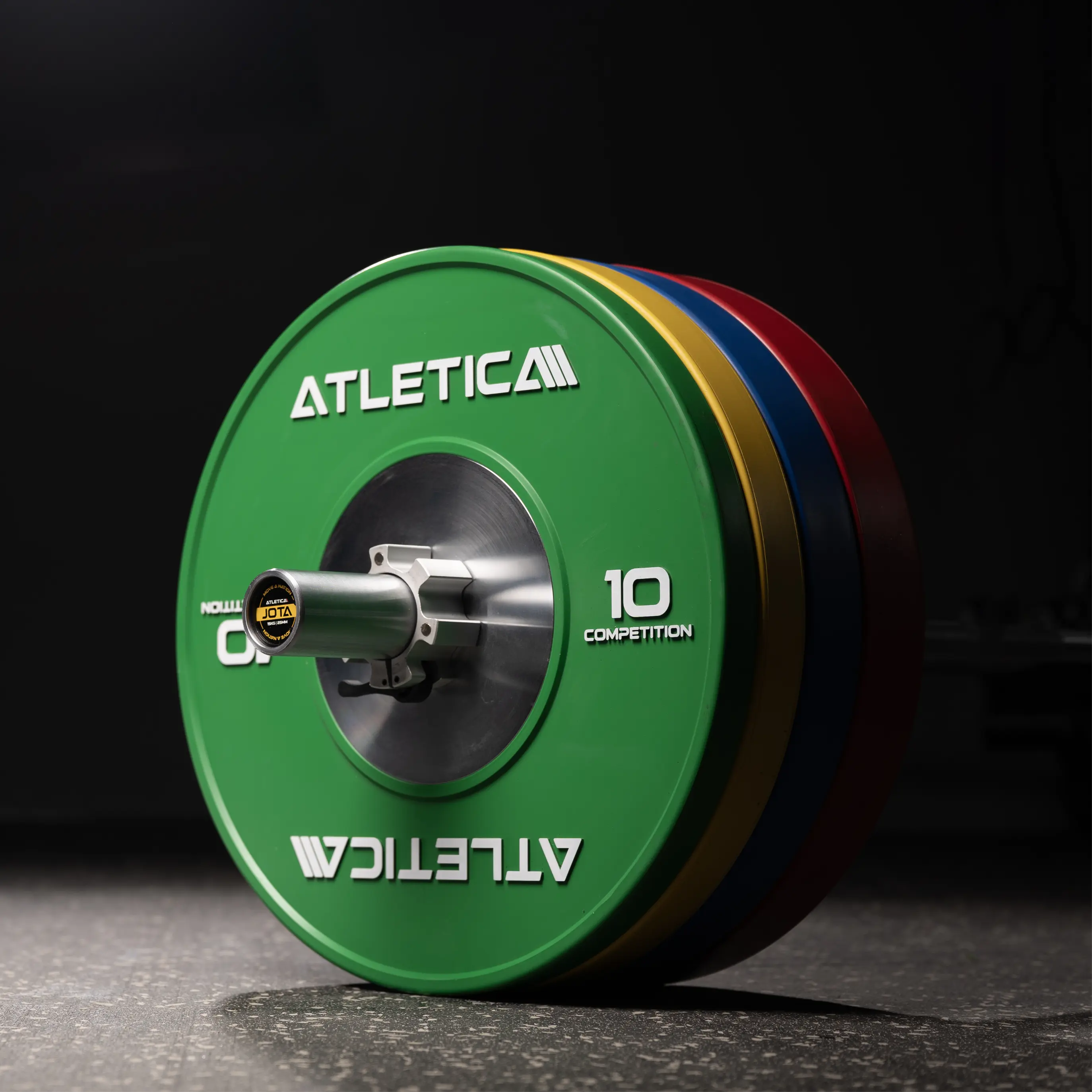
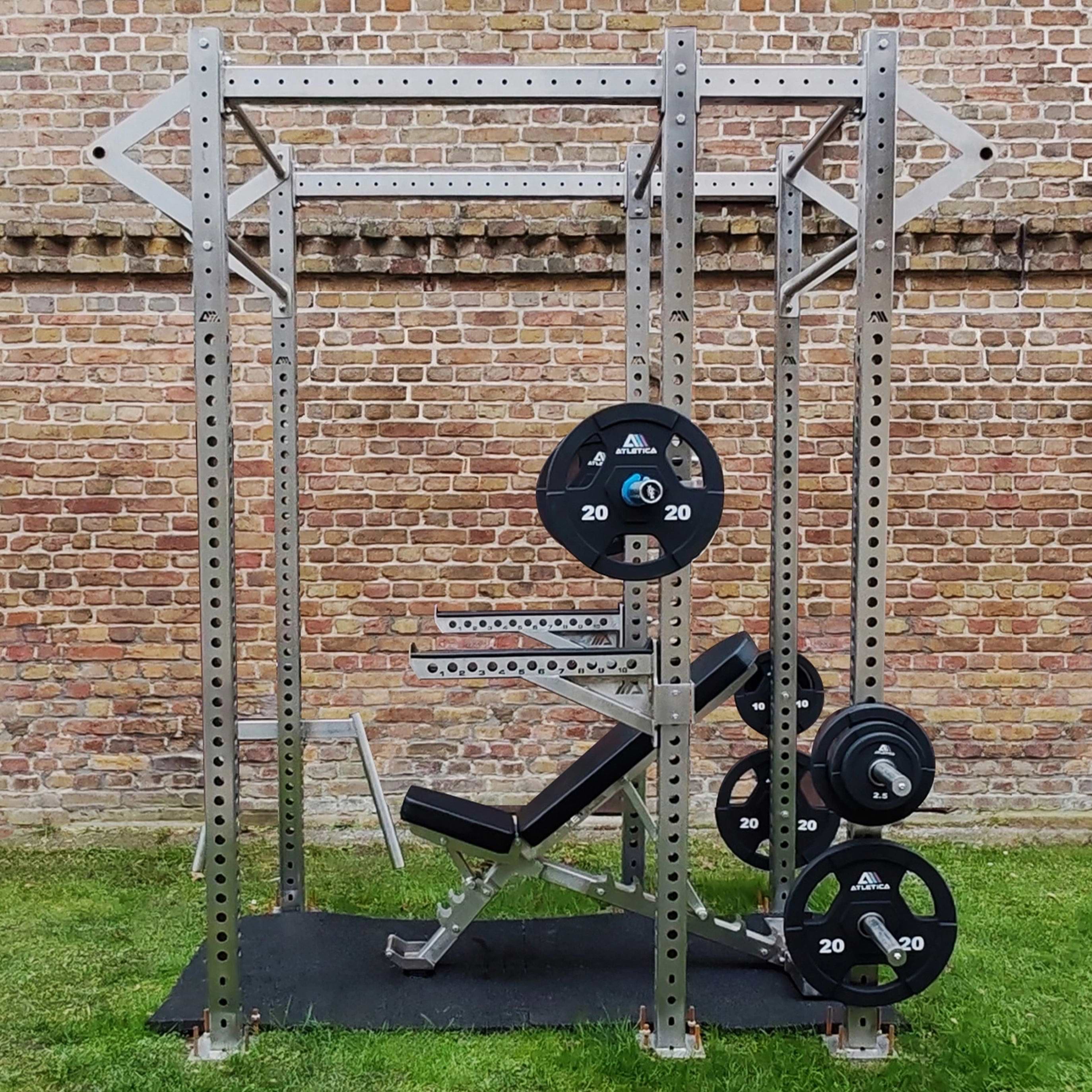
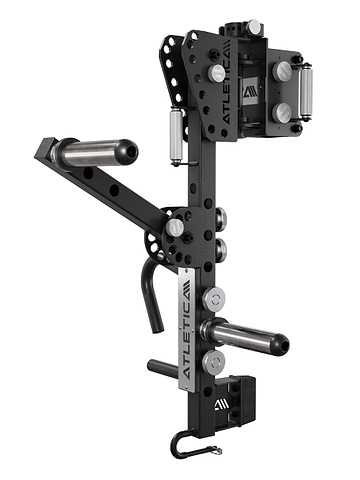
Suitable equipment from ATLETICA:
b) Cardio training
- Increases calorie consumption
- Promotes cardiovascular health
- Ideal: combined with strength training
Examples of effective cardio:
- Indoor Bike
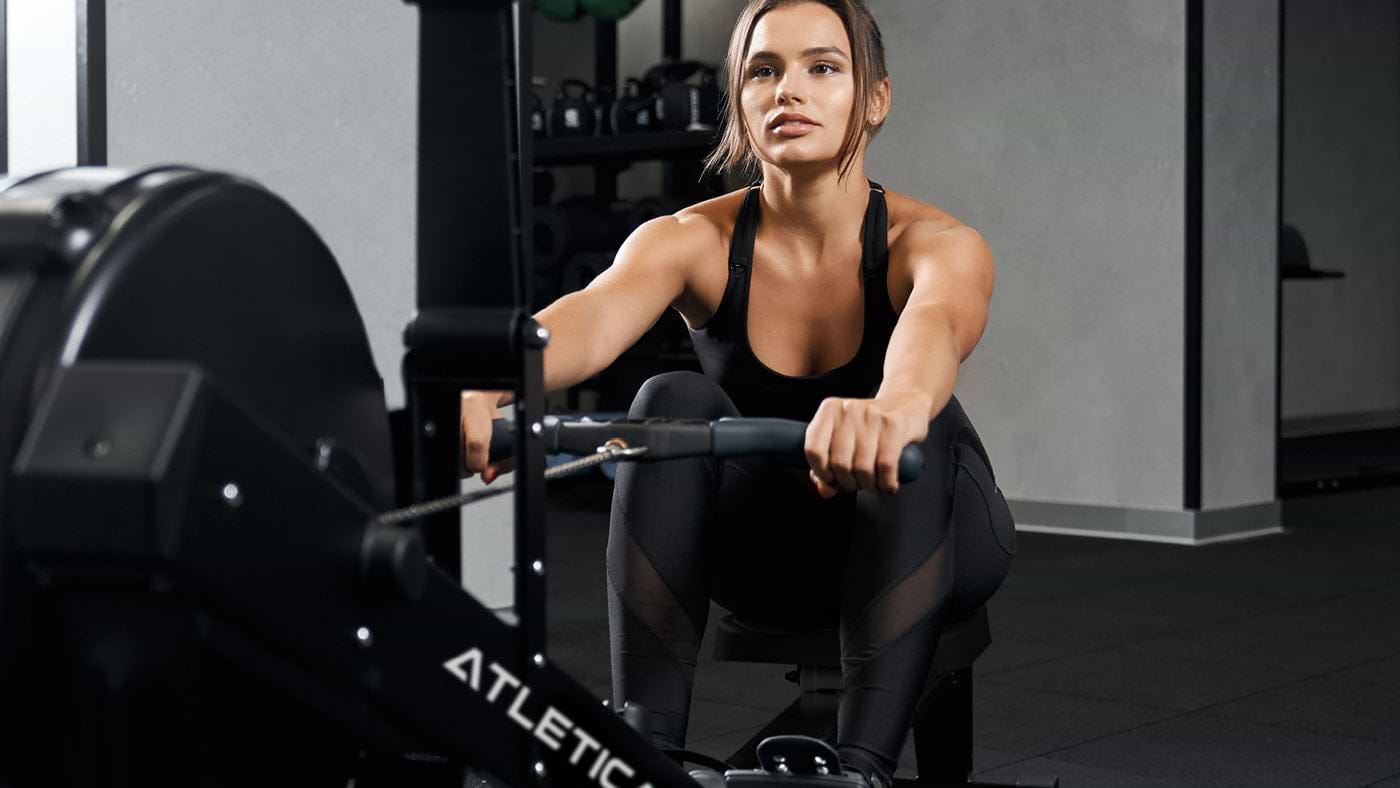
- Rowing machine
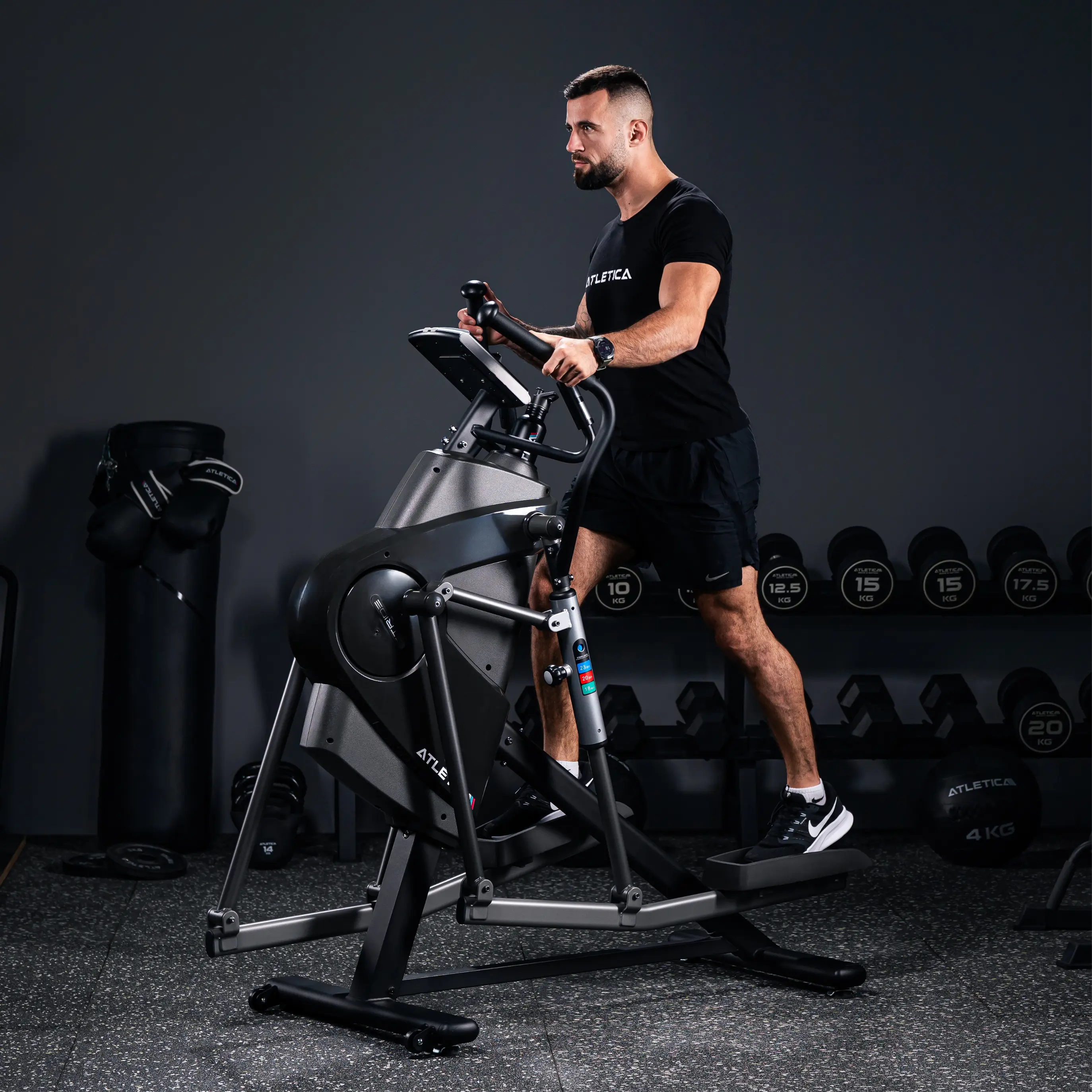
- Elliptical trainer
- Jump rope with the Speed Rope
c) HIIT – High Intensity Interval Training
Short, intense bursts with breaks – ideal for fat burning and saving time.
Example of a 20-minute HIIT:
- 30 sec. jumping jacks
- 30 sec. rest
- 30 sec. kettlebell swings
- 30 sec. rest
- Repeat (6–8 rounds)
5. Recovery: The underrated factor
Recovery is crucial for your progress:
- Prevents overtraining
- Supports muscle building
- Reduces stress hormones (e.g. cortisol, which can inhibit fat loss)
Tips:
- 7–9 hours of sleep per night
- Active recovery (walks, light stretching)
- Fascia massage with the foam roller from ATLETICA
6. Common mistakes when reducing body fat
- Too large a calorie deficit → muscle loss, cravings
- Skipping strength training → loss of body shape and metabolic activity
- Crash diets → yo-yo effect
- Lack of patience → dissatisfaction & loss of motivation
- Too little sleep & high stress → disrupted fat metabolism
7. Measuring body fat: Tracking progress correctly
The scale isn't the only thing that counts! Better:
- Measure body circumference (waist, hips, thighs)
- Compare your reflection & photos
- Track body fat percentage with a caliper or body analysis scale
Visible fat loss often shows up in your clothing first – before it becomes visible on the scale.
8. How ATLETICA supports you with fat loss
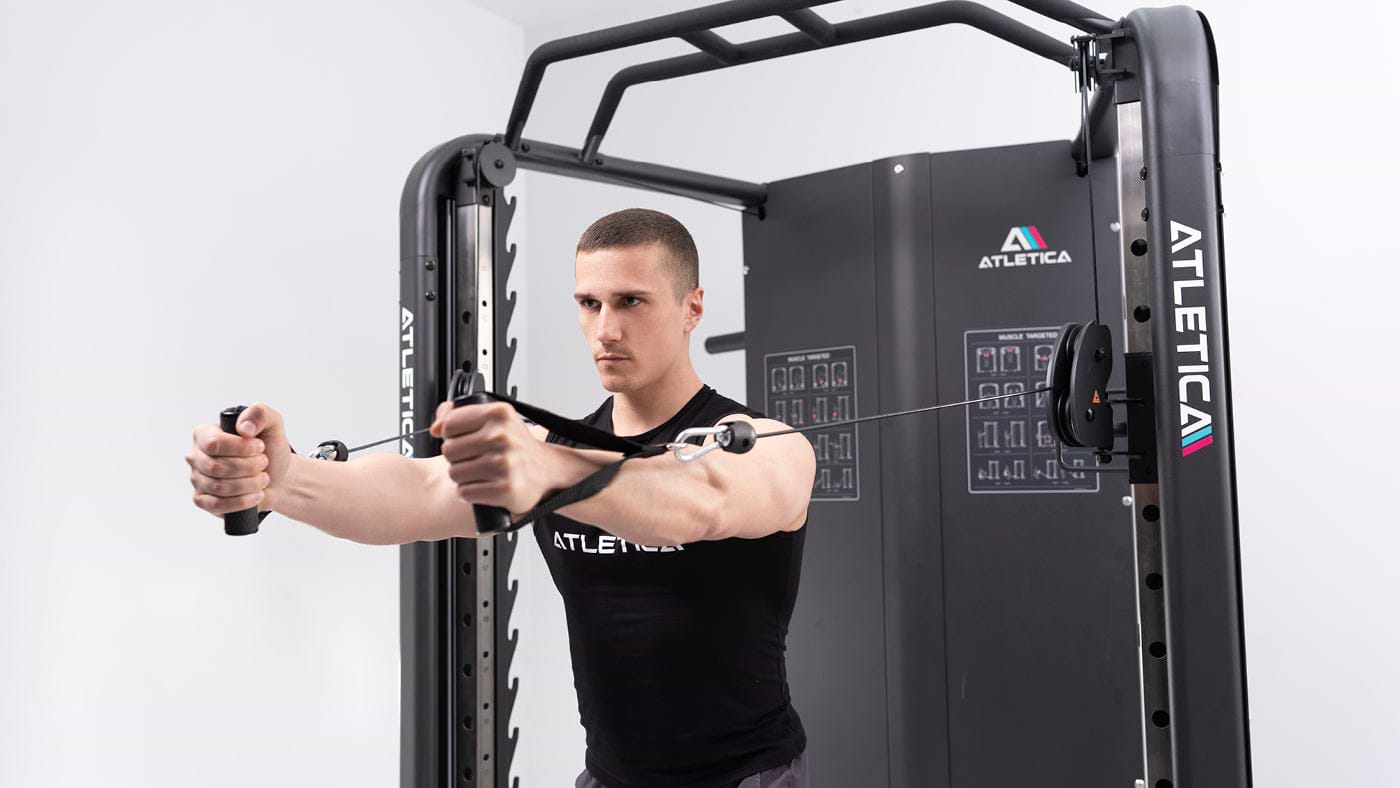
With functional training and efficient equipment, ATLETICA helps you train as effectively as possible at home.
Recommended products for your home gym:
- Indoor Bike: a calorie killer for cardio sessions
- Rowing machine: a combination of endurance & strength
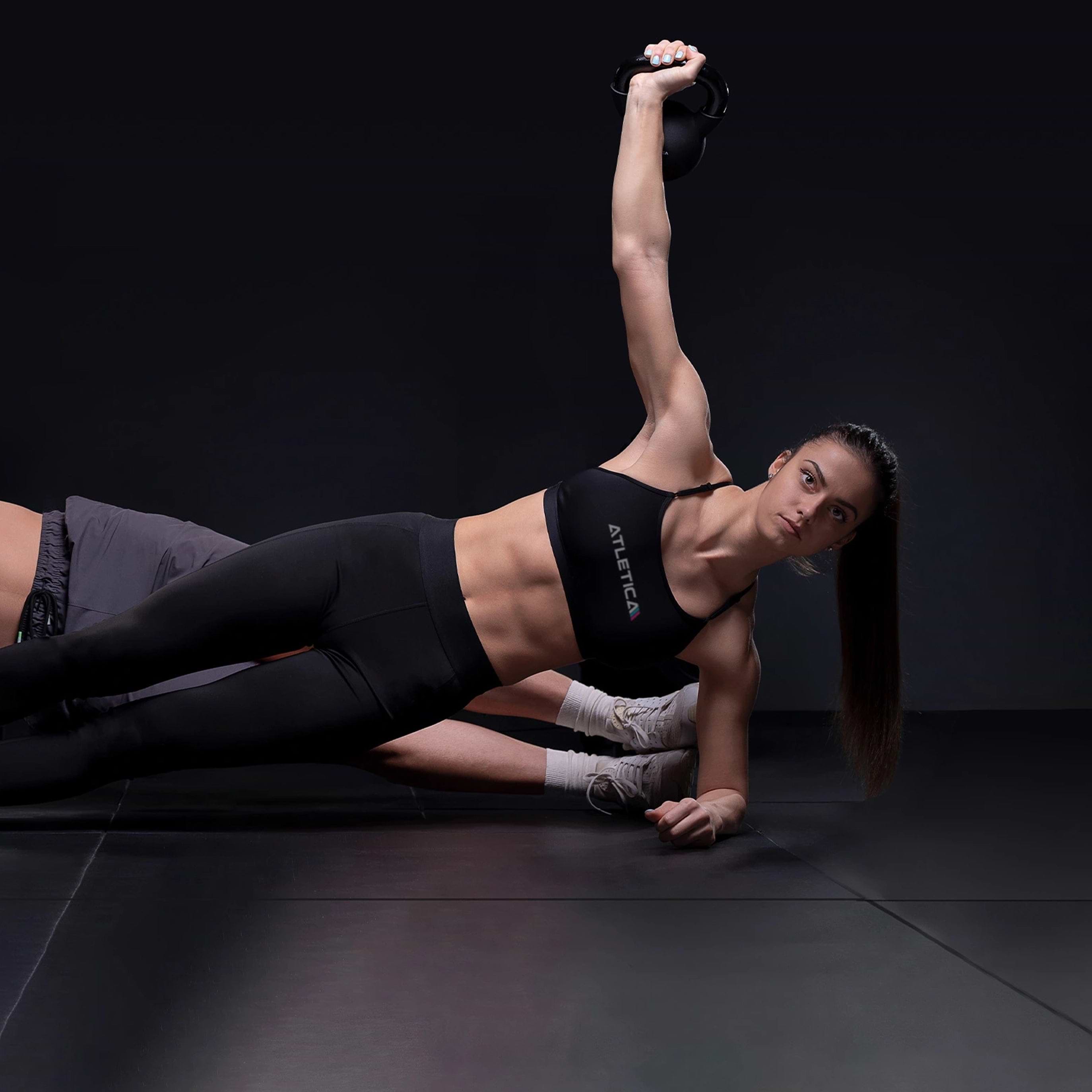
- Kettlebells: for swing exercises, core & full-body training
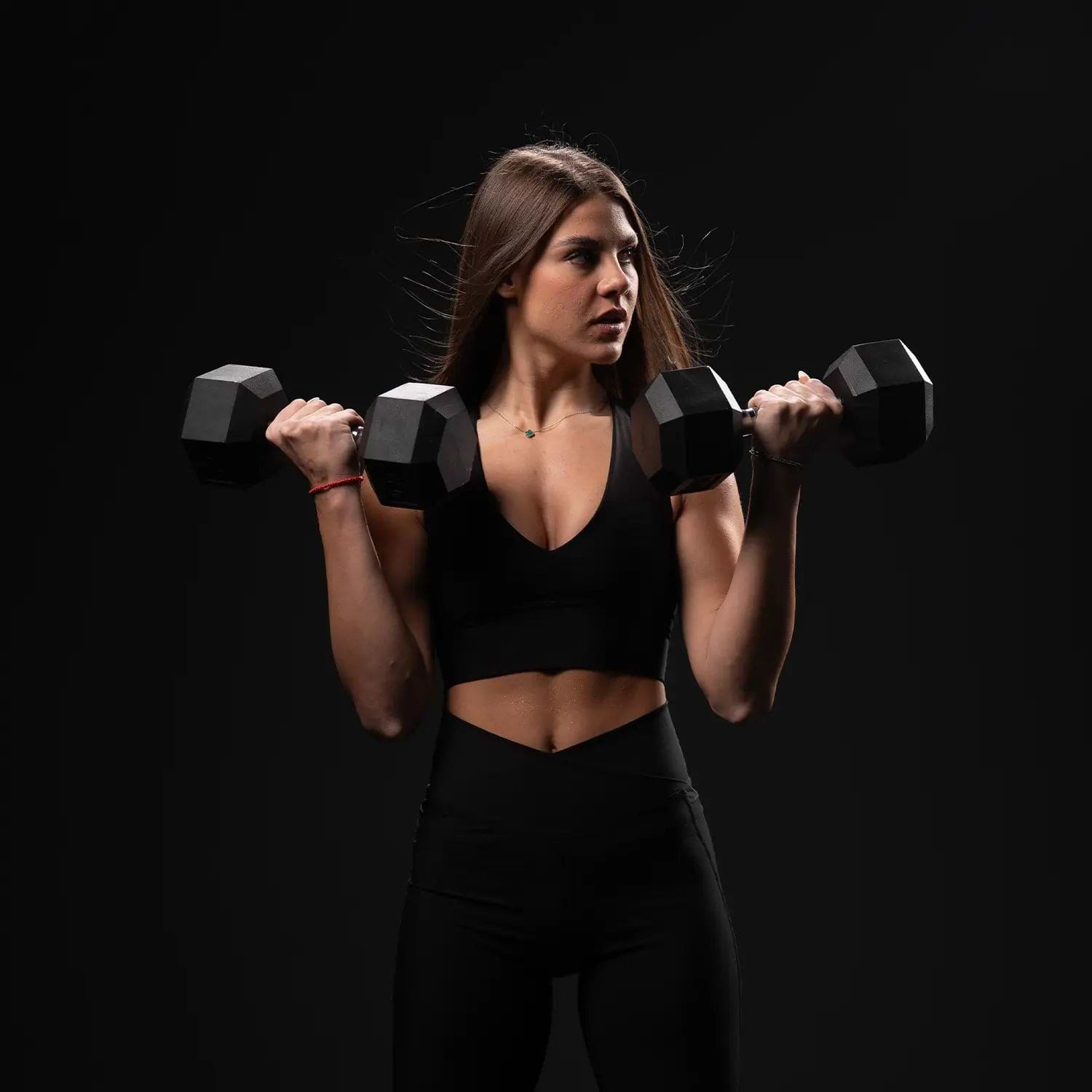
- Dumbbells & barbells: versatile and space-saving
- Exercise mat & foam roller: for floor exercises & recovery
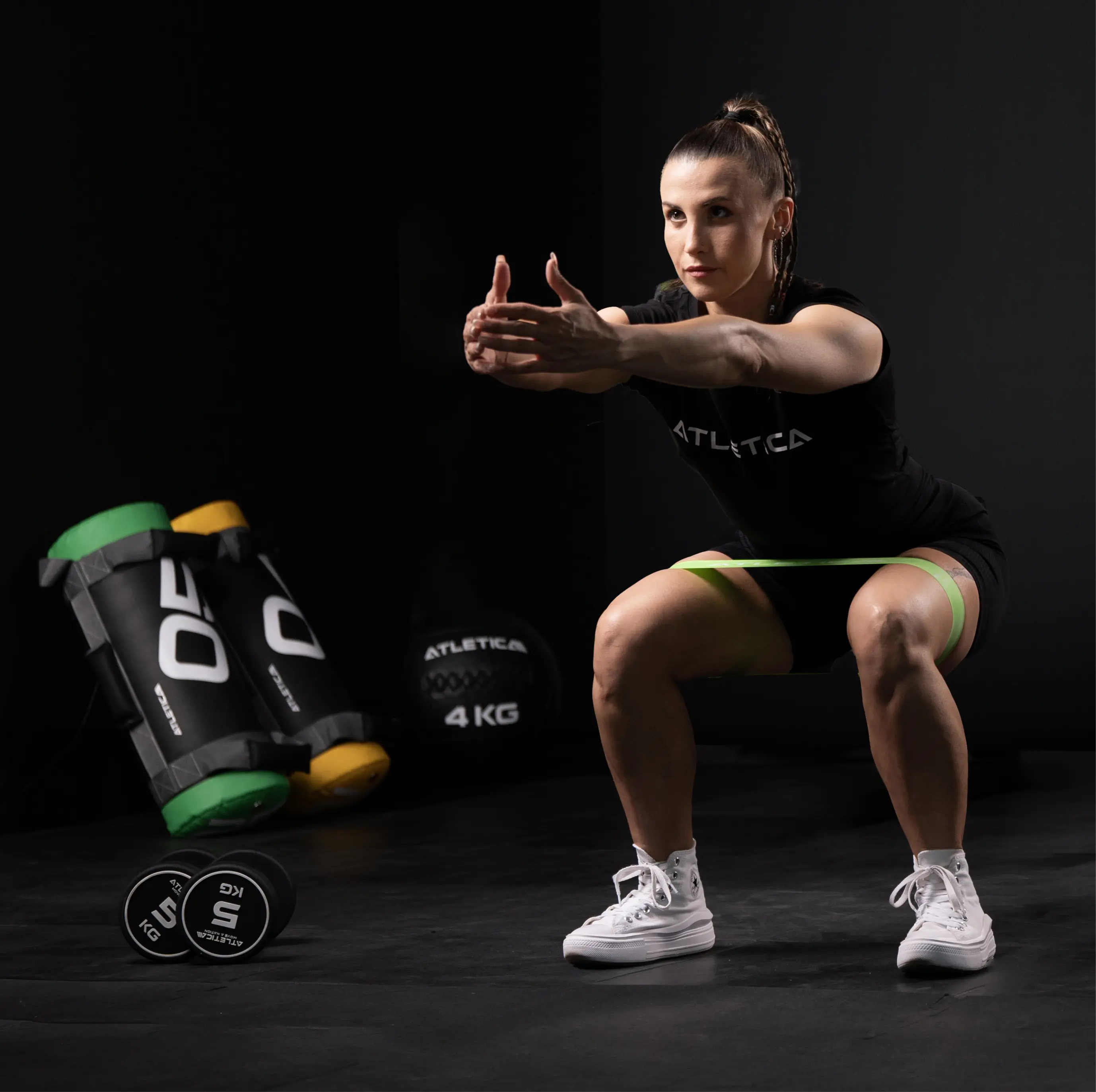
- Resistance bands: mobility, warm-up, targeted stimuli
These products help you keep your training varied and stick with it long term – all without a gym.
9. Tips for long-term success
- Set realistic goals (0.5–1 kg of fat loss per week)
- Stay flexible: small deviations are normal
- Focus on consistency rather than perfection
- Reward yourself for milestones (e.g. new sports equipment)
- Integrate movement into everyday life (e.g. collecting steps, cycling instead of driving)
Conclusion: Reducing body fat with a strategy
Successful fat loss is not a question of miracle products, but of a clear plan, discipline, and patience. With the right nutrition, effective training, and high-quality equipment from ATLETICA, you'll reach your goal step by step.
Don't forget: every bit of progress counts – and long-term success comes from small daily decisions.