














Losing weight with exercise is one of the most effective and healthiest methods for losing weight in the form of fat sustainably and permanently while boosting your fitness at the same time.
Regular training kick-starts your metabolism and thus your calorie consumption. In the form of strength training, it promotes muscle building, and through the increased release of dopamine, your general well-being improves.
Combined with a balanced diet and a moderate calorie deficit, exercise is the key to sustainable weight-loss success.
Table of contents
- Why exercise is so important for losing weight
- Why exercise is important for losing weight
- Which sports are suitable for losing weight?
- How often should you exercise to lose weight?
- Combining exercise and nutrition for weight loss
- Motivation and perseverance – the key to success
- Conclusion
1. Why exercise is so important for losing weight
Many people try to lose weight through diet alone. The problem with this is that during a calorie deficit, your body tends to break down not only fat but muscle at the same time.
Because muscles consume energy. And when muscles aren't currently needed, your body tries to save energy. Especially when you're in a calorie deficit.
So what happens now is this: the calorie deficit leaves you with less available energy, and your body breaks down fat and muscle. At first you see big results on the scale and you're happy.
But after a few weeks, nothing changes anymore. At some point you throw in the towel in frustration and go back to eating the way you did before the diet. Now the yo-yo effect begins. Because your daily calorie needs are still lower than before the diet. If you now go back to eating the way you did before the diet, you gain weight faster and more than before.

2. Why exercise is important for losing weight
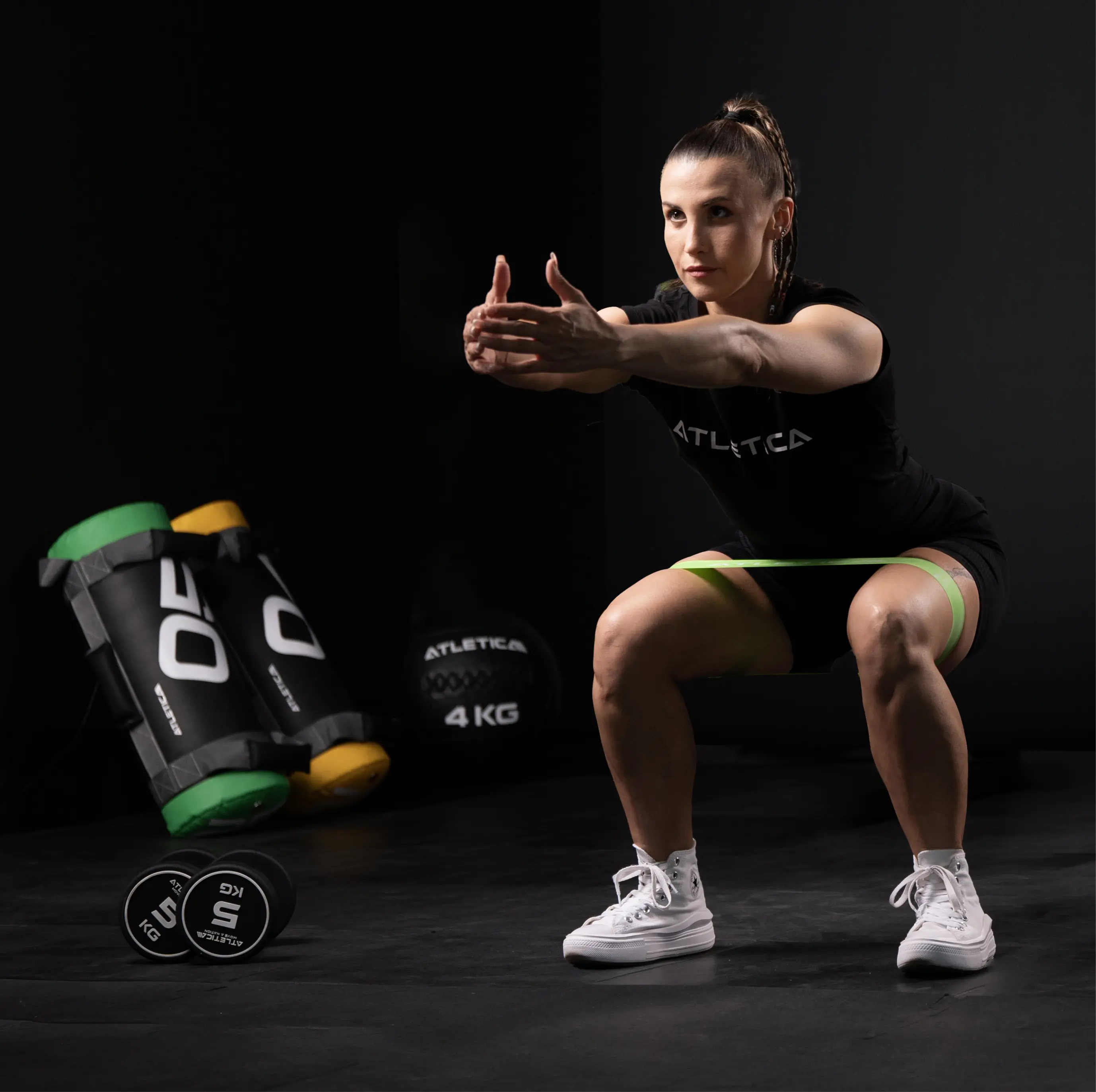
Exercise while losing weight helps improve your weight-loss success on several levels. As soon as you move more – whether strength, endurance, or team sports – you also increase your daily calorie consumption.
If you now continue to stick to your previously calculated calorie needs, your calorie deficit grows and your body will burn even more fat while breaking down less muscle, because at the same time it gets the signal that the muscles are needed for movement during exercise.
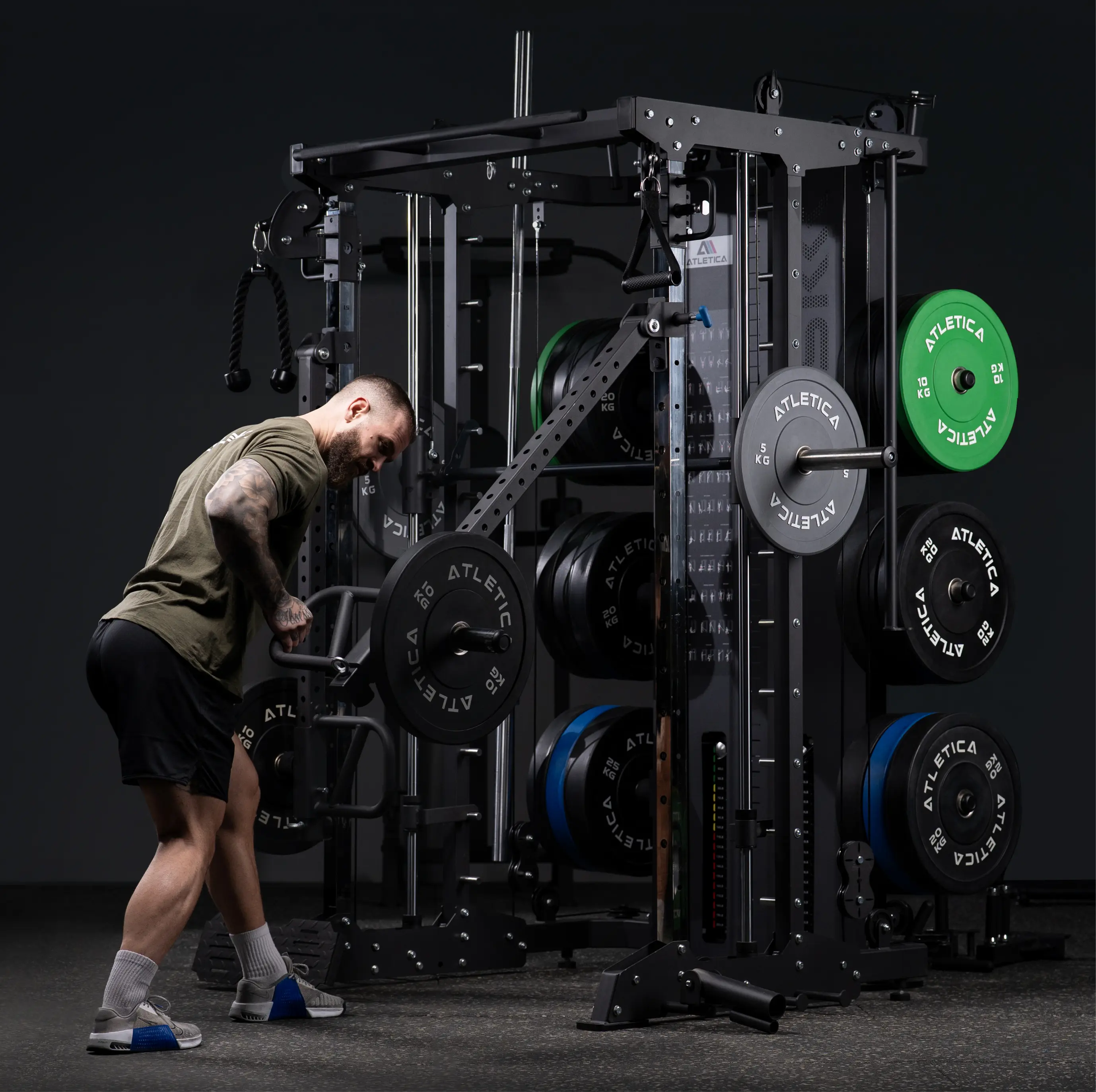
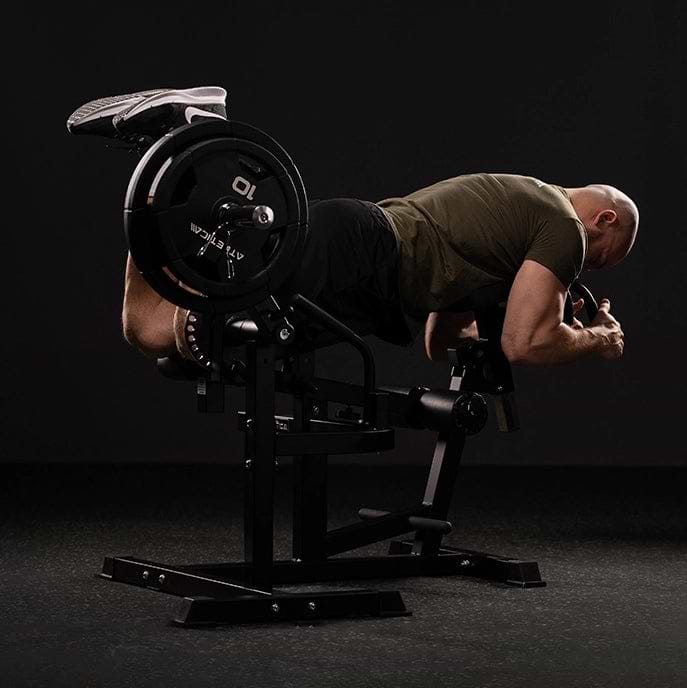
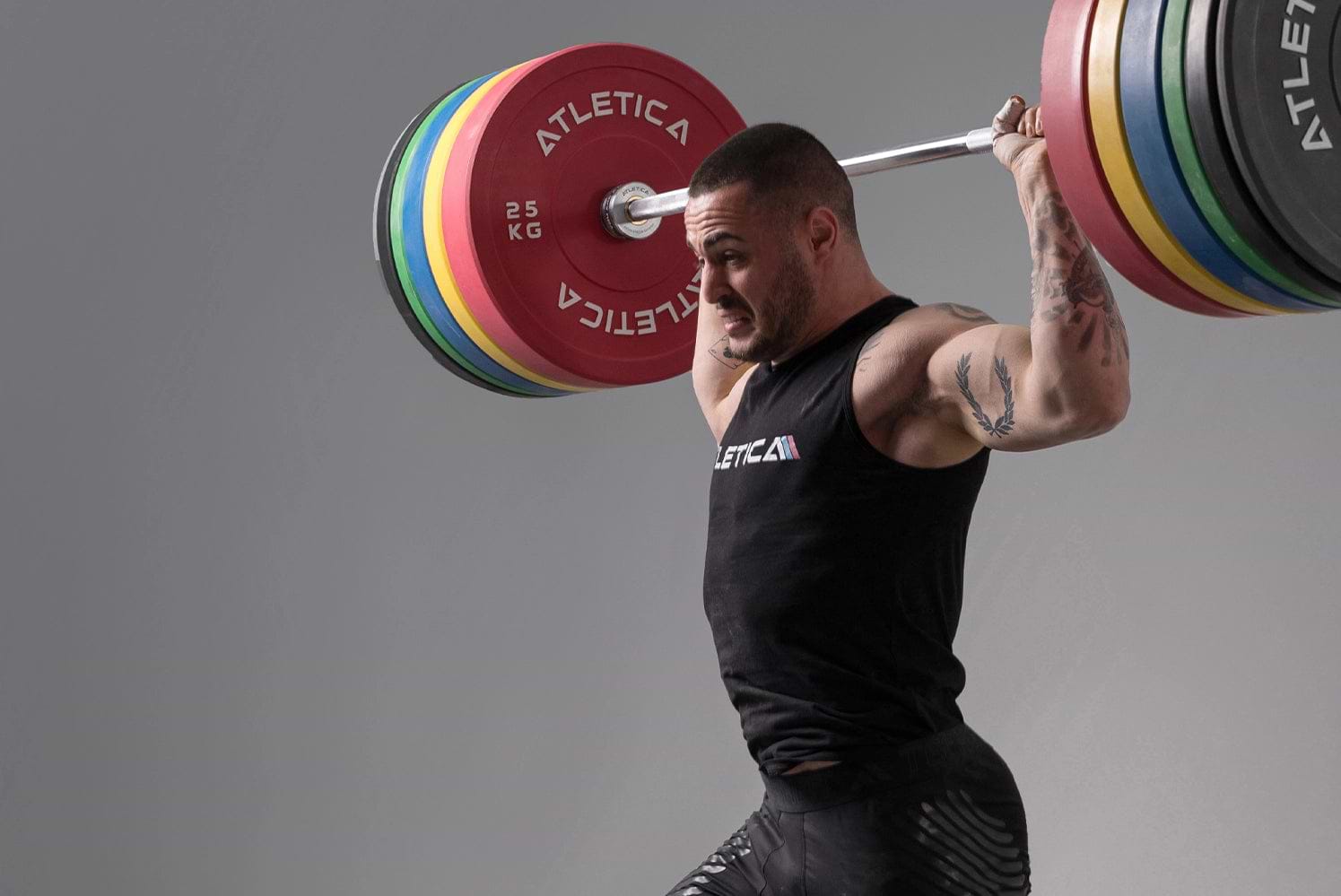
Strength training even has a decisive advantage here over all other sports. Because through targeted strength training you not only prevent muscle loss, but in a moderate calorie deficit and with a protein-rich diet you can even build muscle.
What you create through this is the opposite of the yo-yo effect or a "slowed metabolism." You ensure that your body now burns even more calories at rest. So your metabolism keeps getting boosted.
Important note: Because of the increase in muscle, less changes on the scale. But if you continue to be in a calorie deficit, your body still breaks down fat. So it may be that you don't see any change on the scale, even though your belly fat is decreasing and your pants fit noticeably better again.
3. Which sports are suitable for losing weight?
As already mentioned, basically every form of physical activity helps you increase your calorie consumption. But some sports are particularly appealing for supporting you in losing weight.
Endurance training
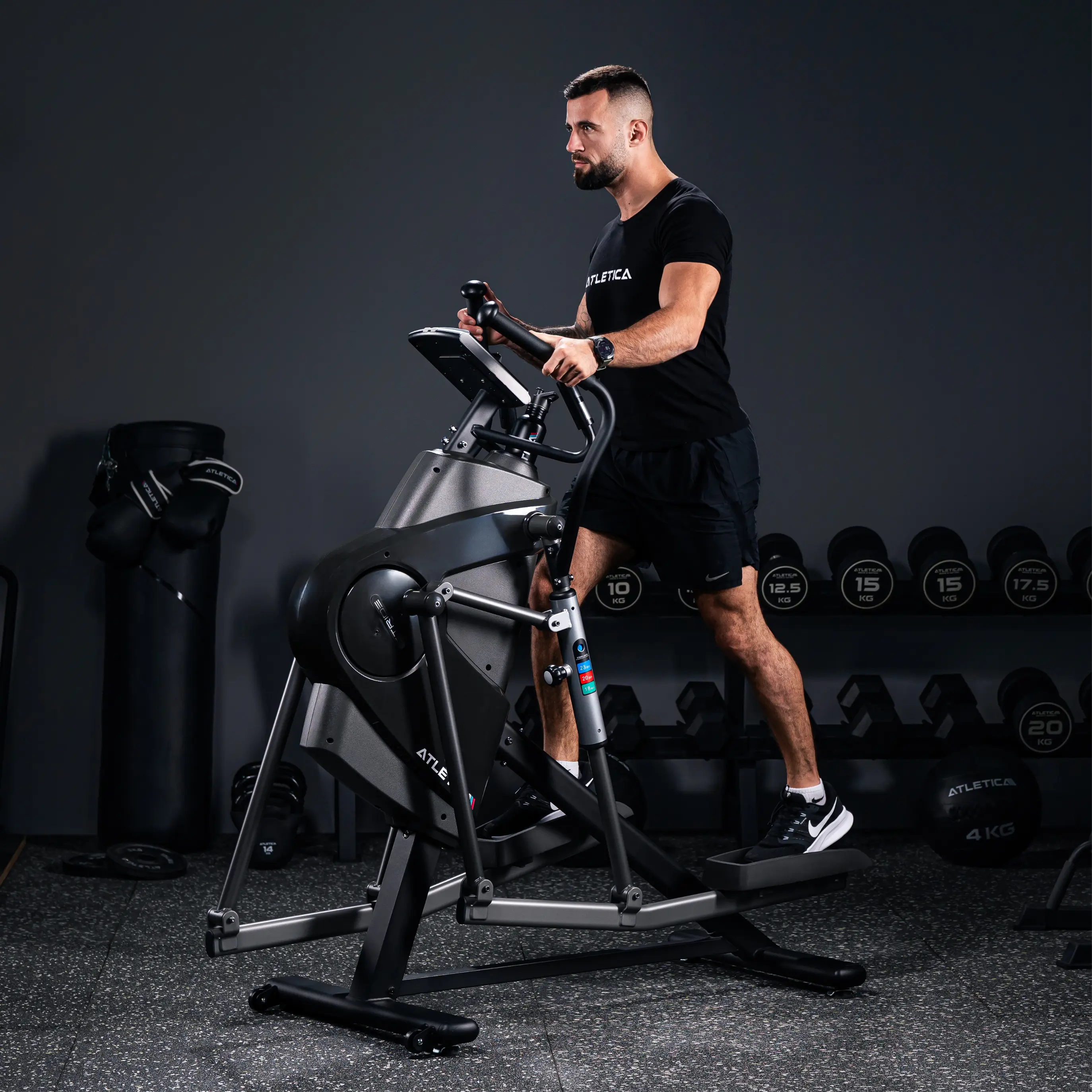
Whether jogging, cycling, swimming, walking, cross trainers, or other endurance training, they all raise your heart rate, promote fat burning, and have a positive effect on your cardiovascular system. The big advantage here is that with endurance sports you can measure yourself and improve very well.
You always have the levers of time/duration, resistance/speed, and intensity to play with and improve. At the same time, the barrier to entry for endurance sports is quite low.
No matter what fitness level you're currently at, you can always get on a bike at the gym and start pedaling for 30 minutes. Even if you train at a low intensity at first, you can increase in small steps week by week and thereby slowly but steadily raise your calorie consumption.
Strength training
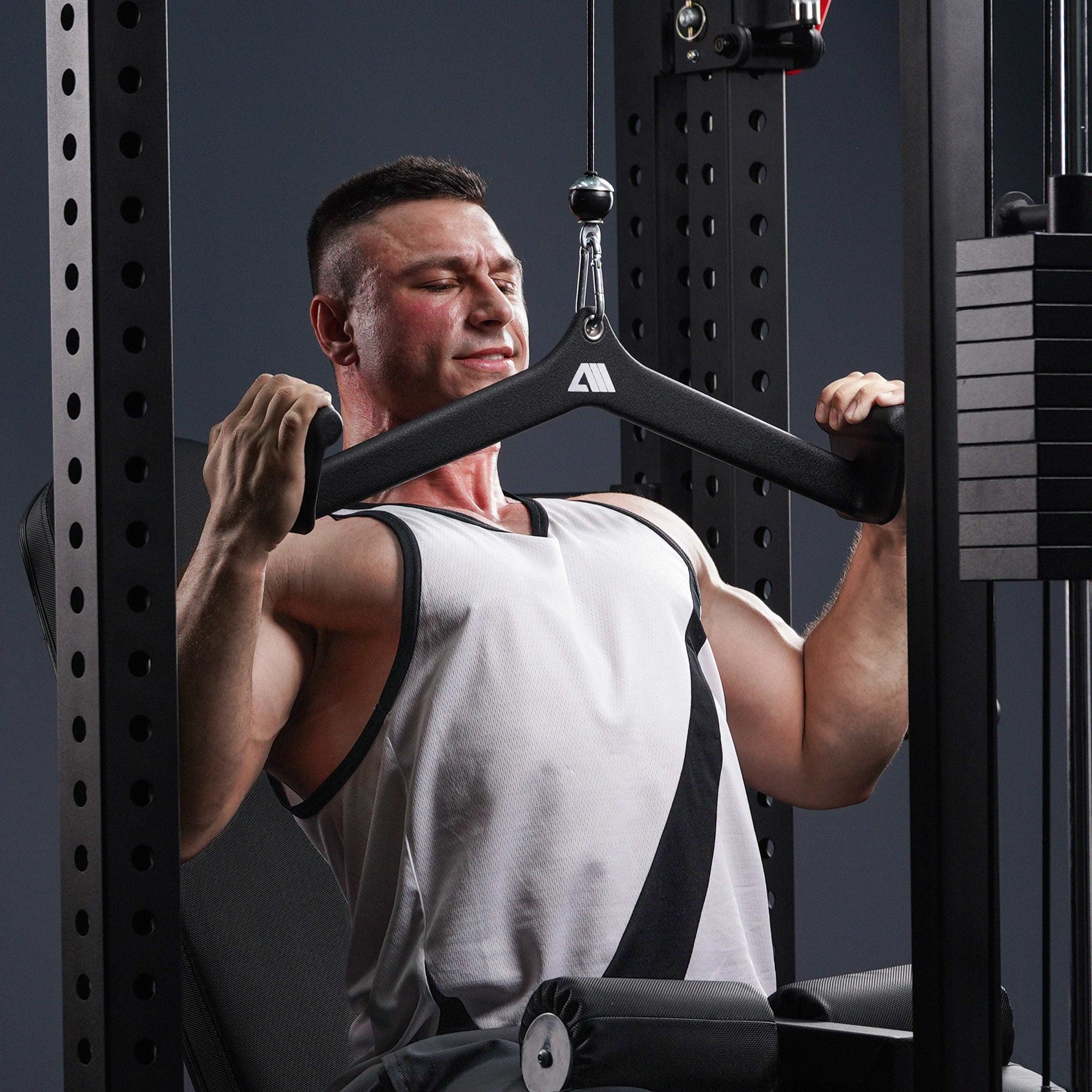
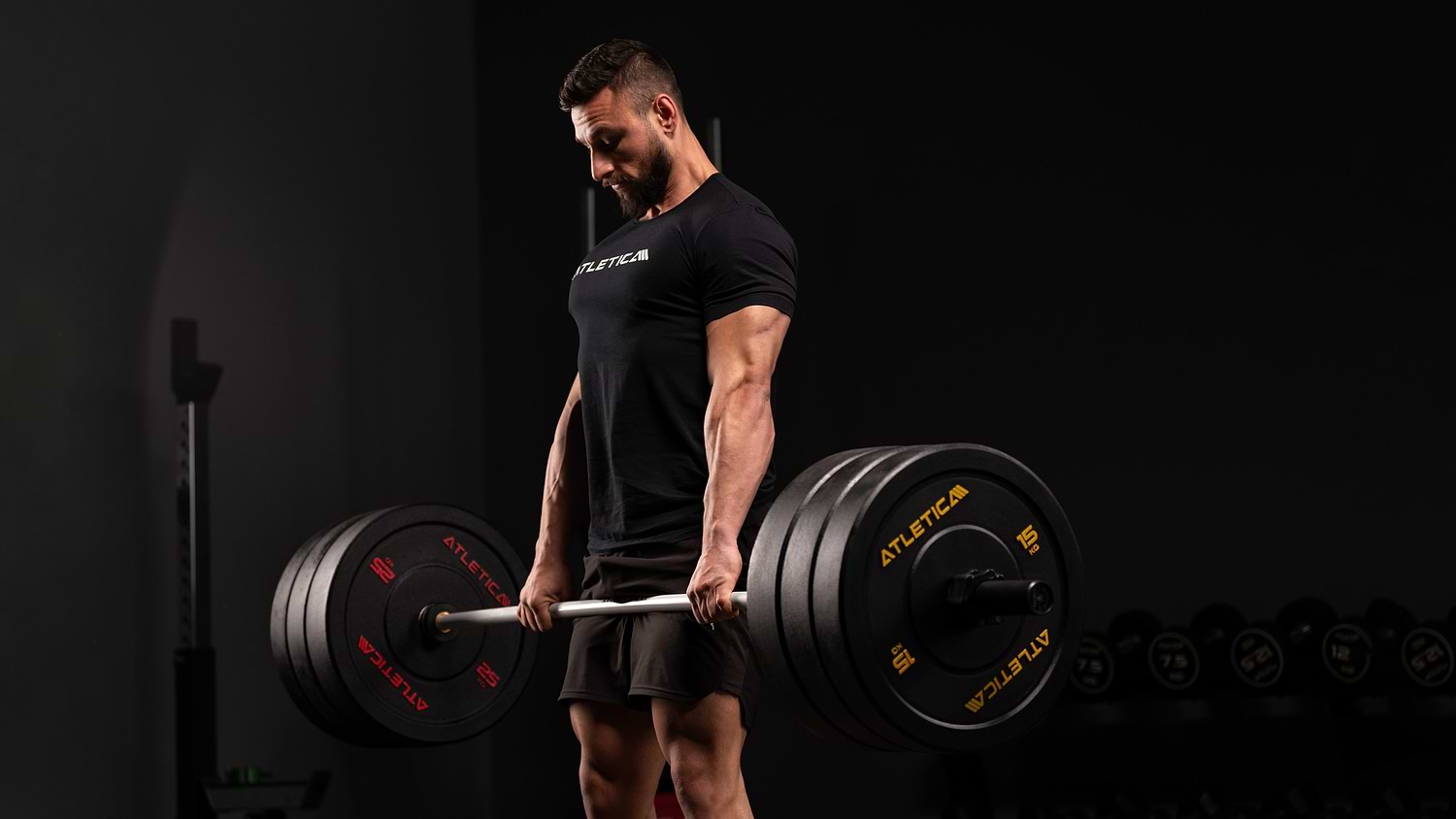
As already mentioned, strength training helps you lose weight on several levels at once. Or rather, burn fat. Through strength training you build muscle. More muscle burns more calories. Even at rest.
So through strength training you burn calories not only during the workout, but also afterward, because your basal metabolic rate rises.
Interval training (HIIT)
High Intensity Interval Training combines short, intense bursts with subsequent short recovery phases. It can be applied in both endurance sports and strength training.
When jogging, for example, interval training is used when the runner has to build short, intense sprints into their endurance run again and again. This is followed by recovery phases in which the runner continues jogging at an easy pace.
In strength training, HIIT workouts are used above all to improve strength endurance and to push the body to its limits within a short time. For this, you take an exercise like the lunge, with or without added weight.
You perform this as fast as possible for 40 seconds. Then you have a 20-second break and then continue with the next exercise.

4. How often should you exercise to lose weight?
To achieve visible results with strength training, you should train at least 2, ideally even 3 times per week for at least 60 minutes. With endurance sports and HIIT, too, 3 sessions per week deliver the noticeably best results.
What matters is that you train regularly over many weeks and progressively increase a little bit again and again during your training. This way you raise your calorie consumption each time and will burn even more fat over time.
If you don't have time for 60-minute sessions, you can also reduce them to 30 minutes. Here too you'll still feel a positive effect, and even 15 minutes is better than nothing. With such short sessions you can usually train up to 5 times per week, since your body isn't so extremely worn out during a single session.
5. Combining exercise and nutrition for weight loss
Exercise alone isn't enough to lose weight successfully. If you don't reach your calorie deficit, you won't lose weight. But exercise helps you burn more calories and is therefore especially effective for losing weight.
So make sure that first and foremost you reach your calculated calorie deficit and maintain it over weeks. Complex (long-chain) carbohydrates from whole grain products help you keep your blood sugar level constant. This gives you fewer cravings.
Healthy unsaturated fatty acids are important for your hormone balance, your immune system, and ensure the optimal absorption of many vitamins.
Proteins provide you with important amino acids that are important for all kinds of processes in your body and are involved in building structures. If you take in too little protein while in a calorie deficit, your body gets the amino acids from your muscles and breaks them down.
Fiber is important for your gut health. It helps fill your stomach and make you feel full without taking in additional calories. The best way to supply your body with fiber is from fresh fruit and vegetables. This way you also get enough vitamins and minerals, which are likewise important so that all processes in your body function optimally.
Last but not least, make sure you drink enough water every day. 2 to 2 liters of pure water is optimal for most people. If you want to calculate your individual water needs in liters, multiply your body weight by 0.03.
6. Motivation and perseverance – the key to success
The most important factor in losing weight is patience. Many people overestimate what they can achieve in a few weeks and underestimate what they can achieve in a whole year.
That's why you should set realistic goals, choose sports that you enjoy, and firmly integrate movement into your everyday life. Always remember that small, lasting progress is better than short-term perfection.
7. Conclusion: Losing weight with exercise is worth it
Losing weight with exercise is not only effective, but also healthy. You lose weight, build muscle, strengthen your cardiovascular system, and boost your well-being. Anyone who trains regularly and pays attention to their nutrition will lose weight successfully in the long term and feel fitter.
About the author – Coach Zimo

Coach Zimo (Dominic Zimmermann) is a sports scientist and personal trainer from Cologne. He helps his clients develop an individual plan with a structured system of healthy, balanced nutrition and regular training in order to lose weight sustainably and reach their target weight. In his online magazine & fitness podcast [Allround Athletics], he regularly reports on current fitness and nutrition trends.