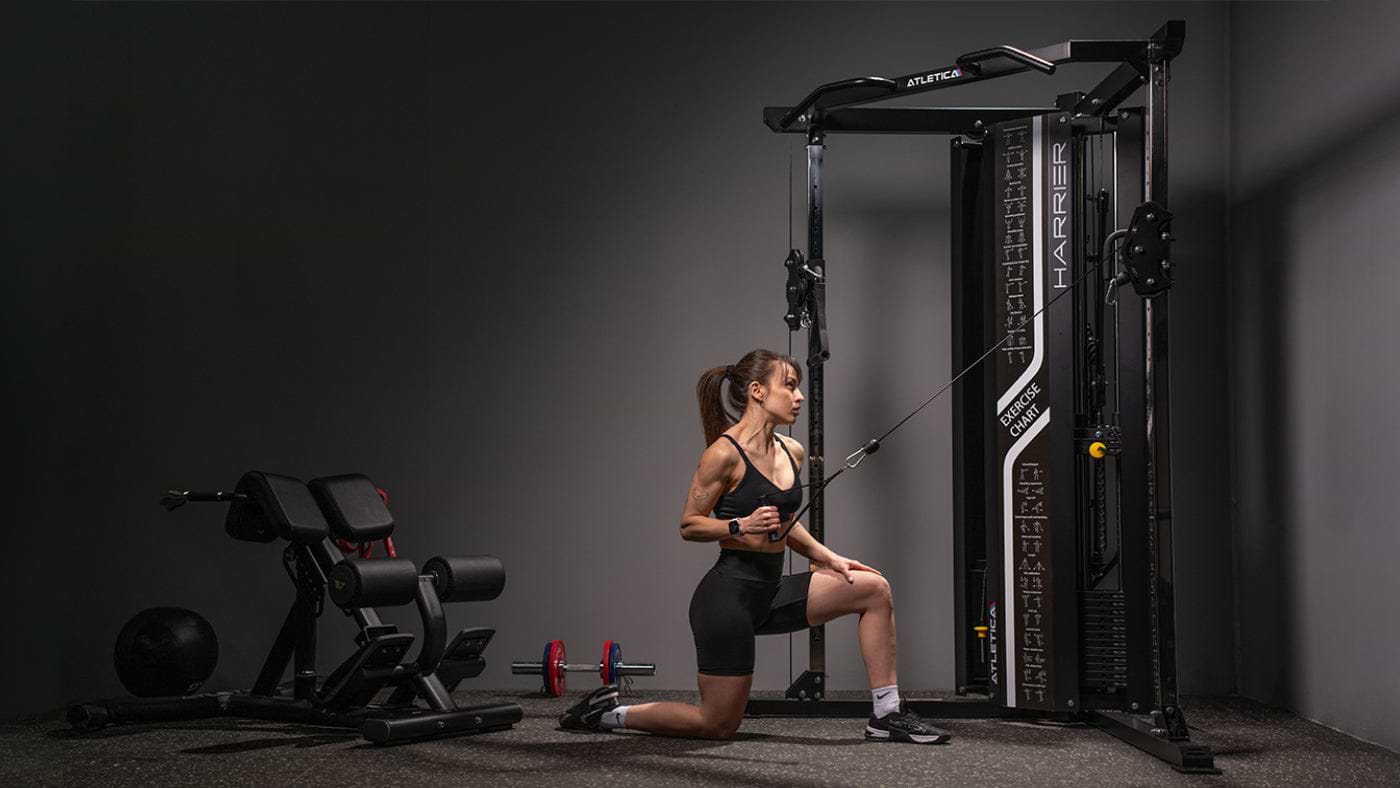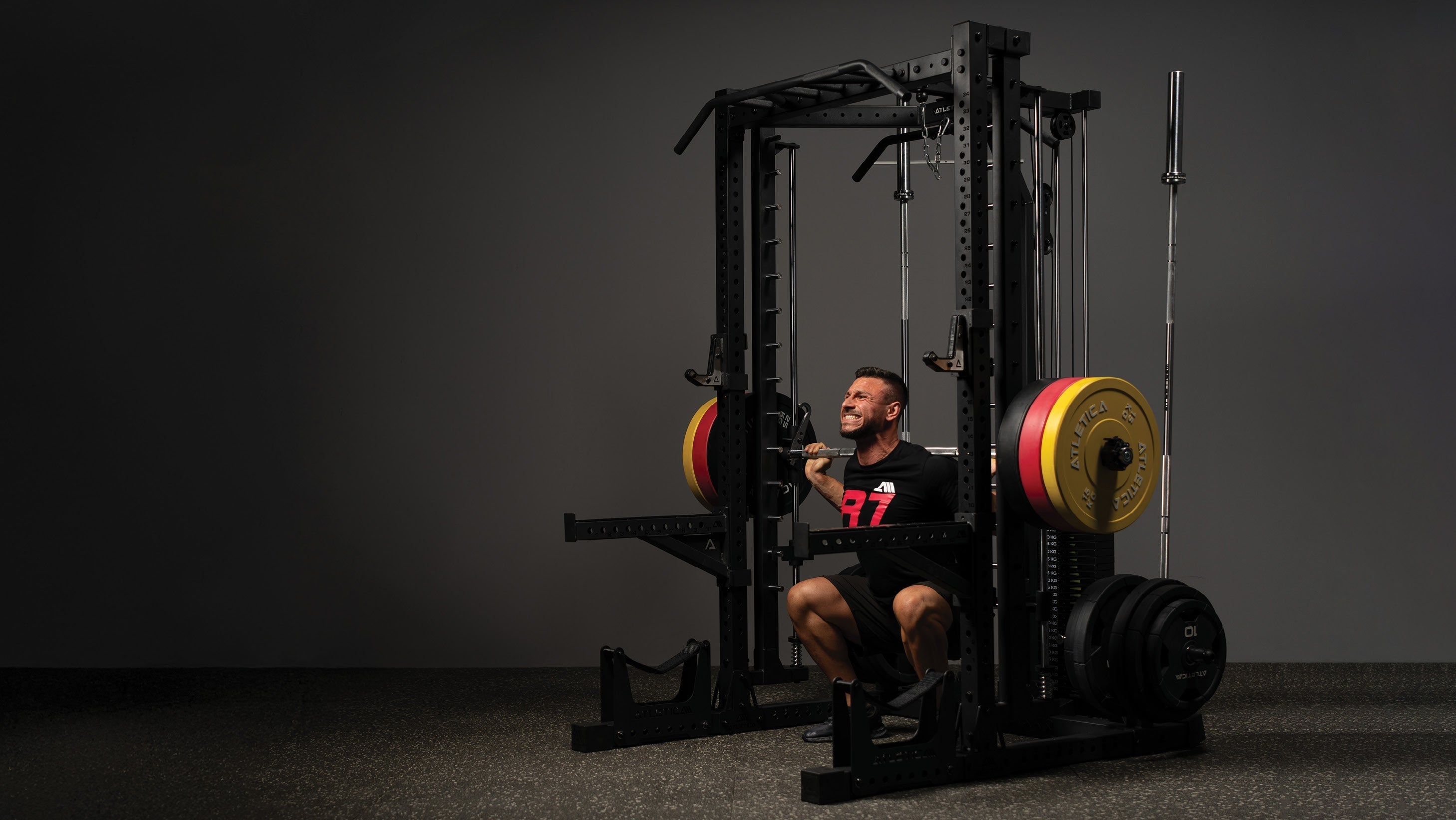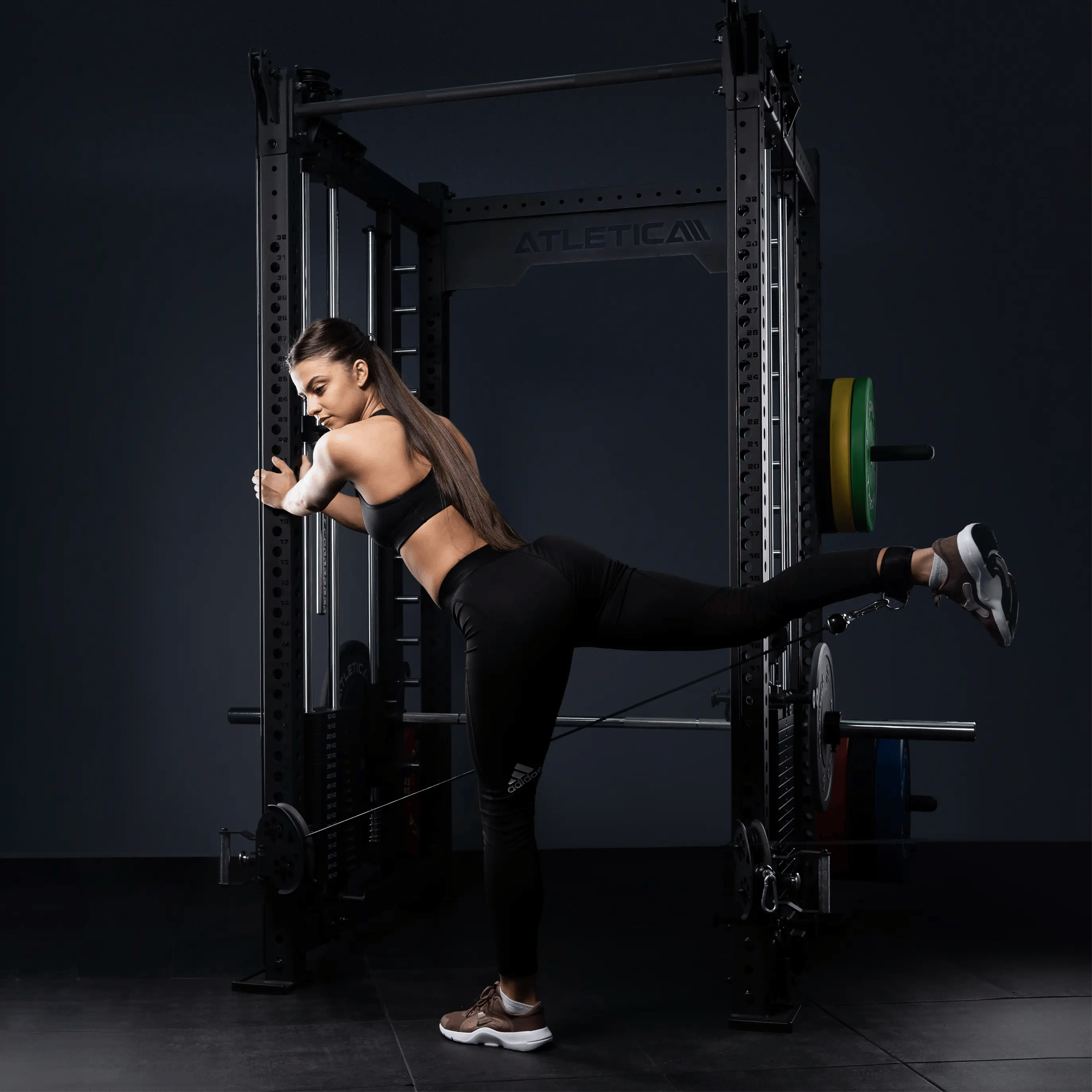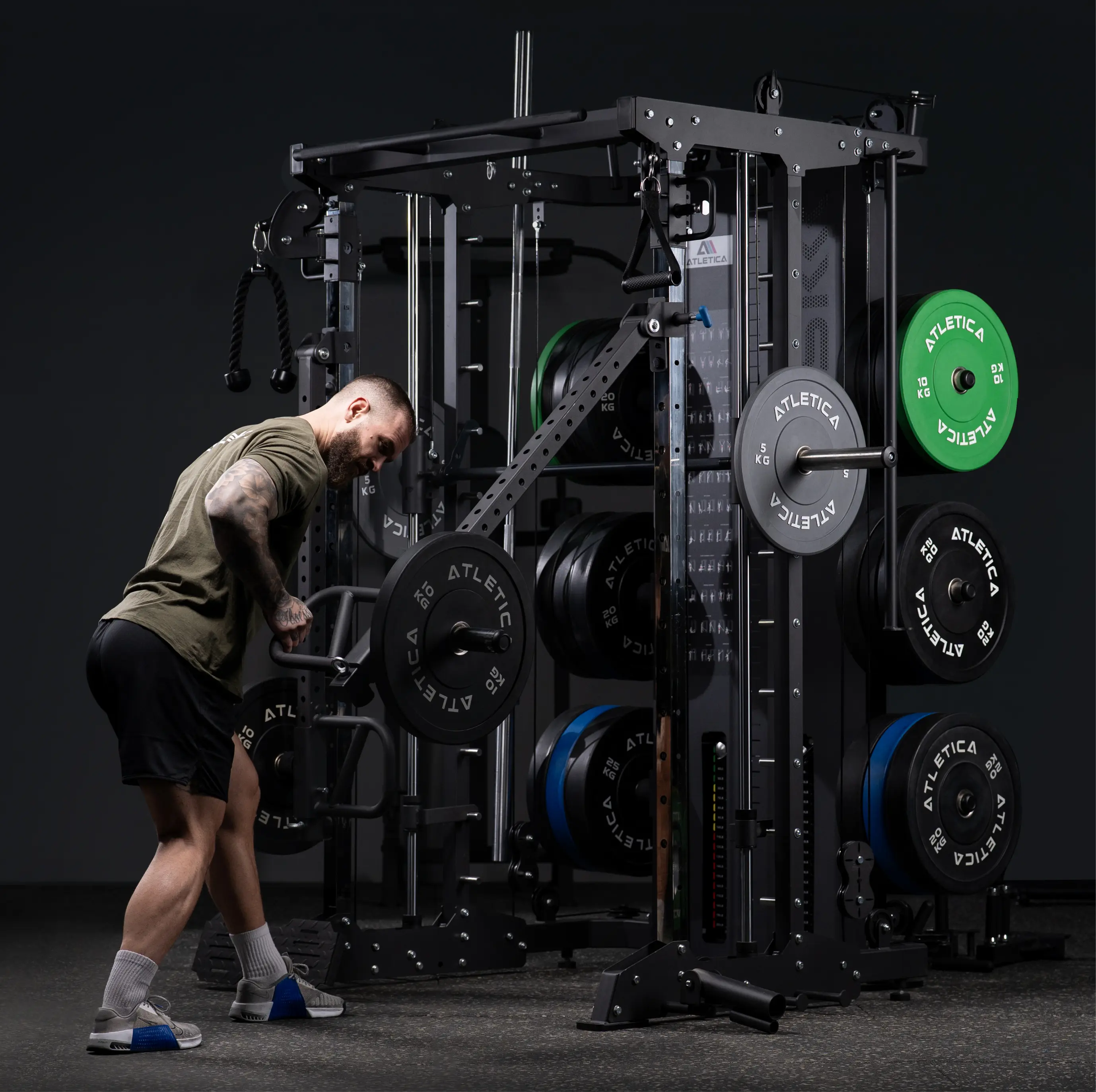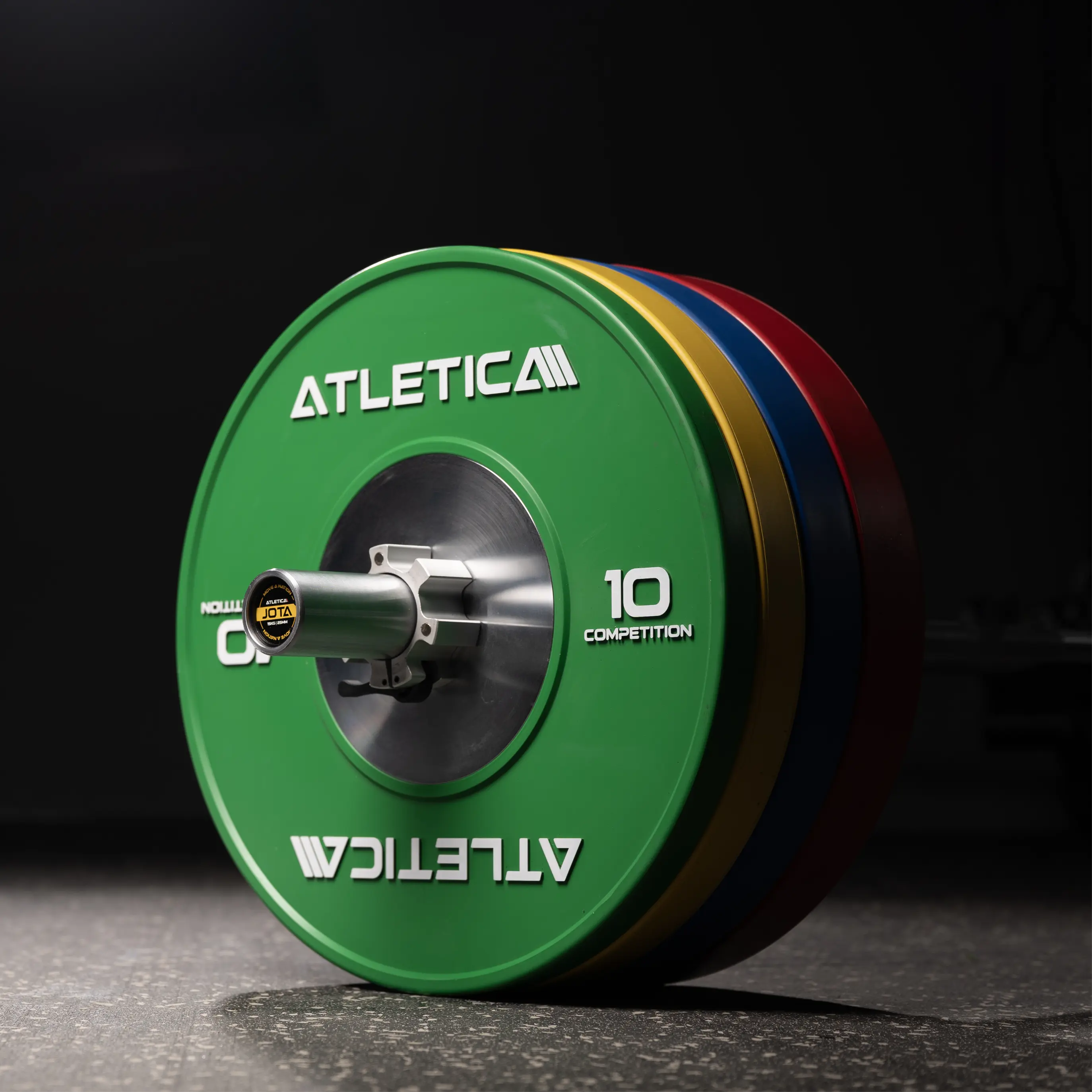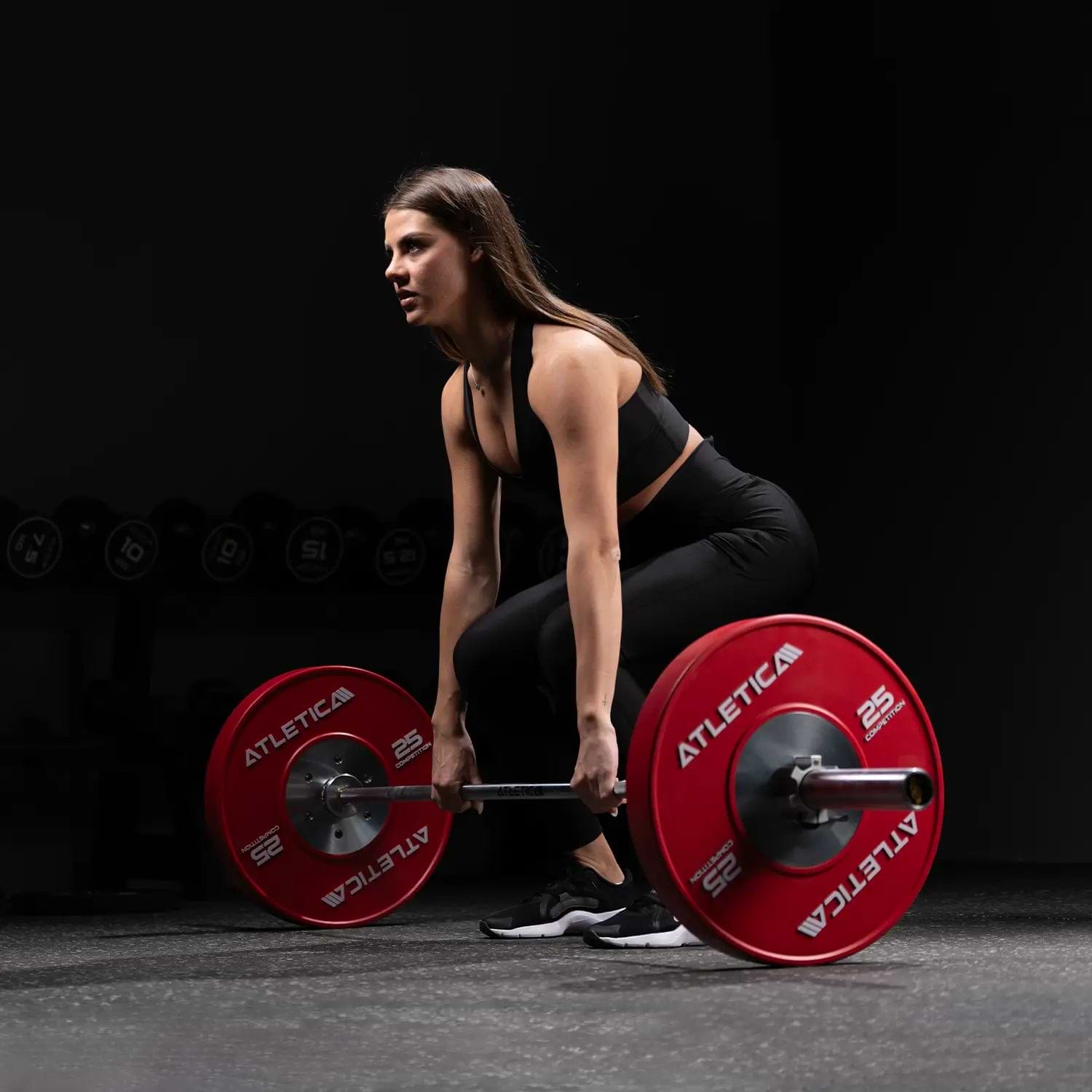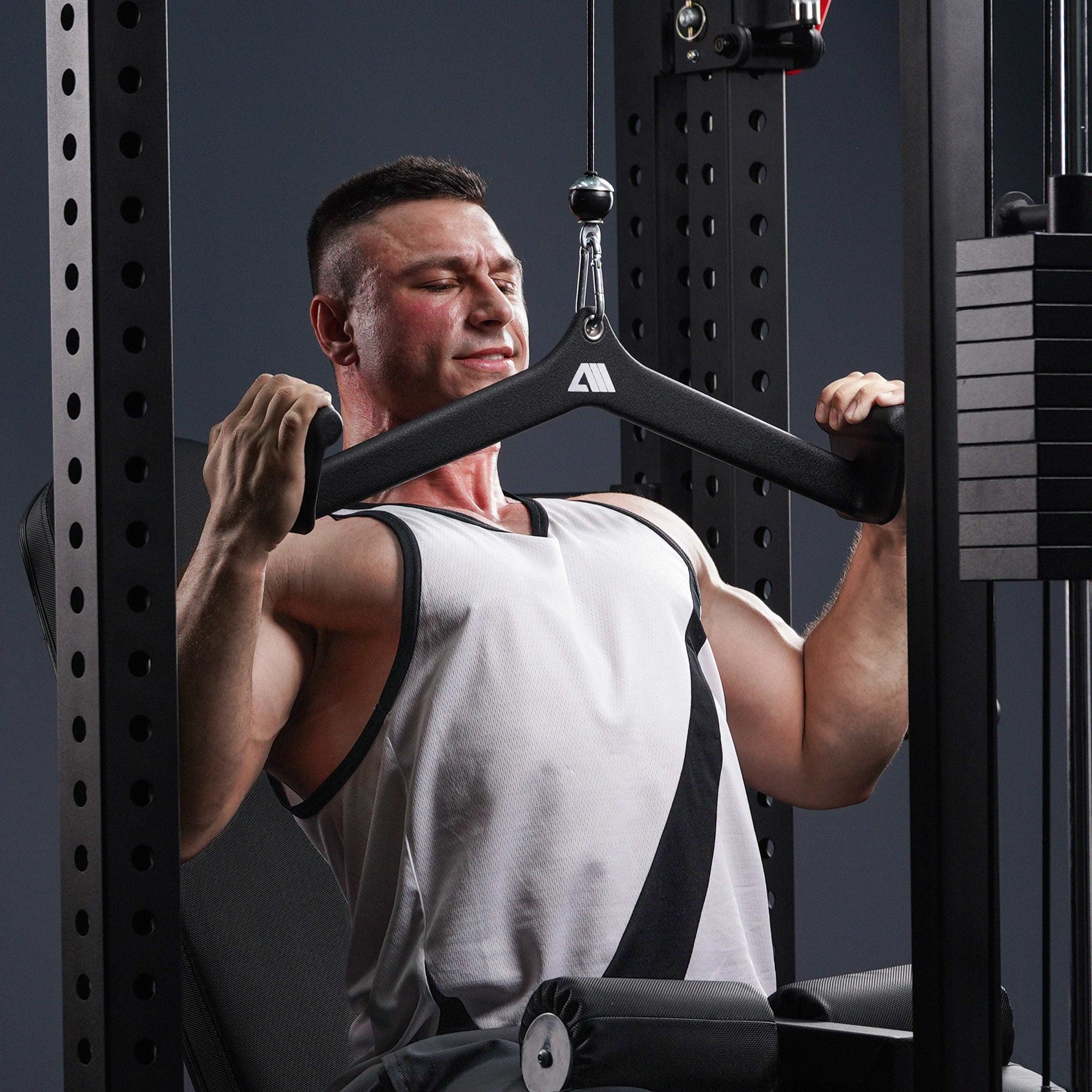

















A good training floor is more than just an underlay – it protects your living space, reduces noise and ensures safe, comfortable training. Especially in a home gym, where weights drop or heavy equipment stands, the right floor makes the decisive difference between a professional setup and a makeshift solution.
In this post you'll learn why high-quality gym floor mats are indispensable, what benefits they really bring and what you should look out for when buying.
Why gym floor mats are so important in home training
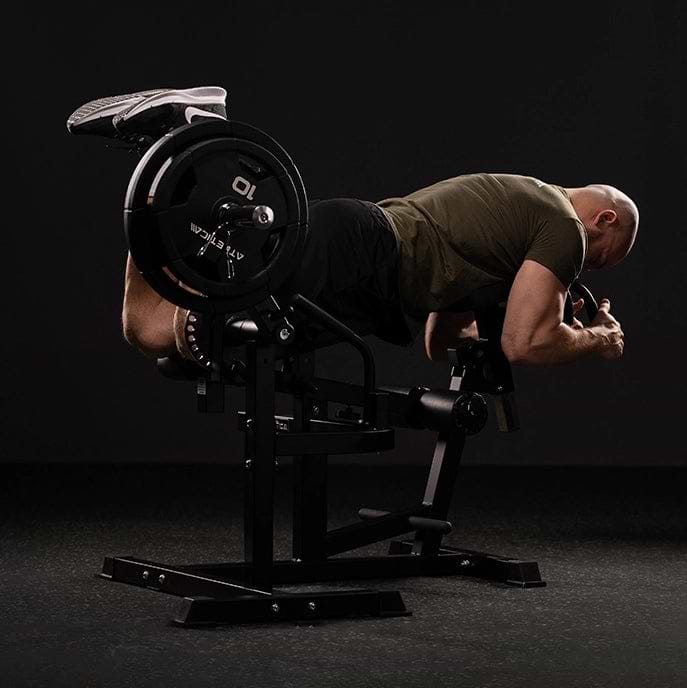
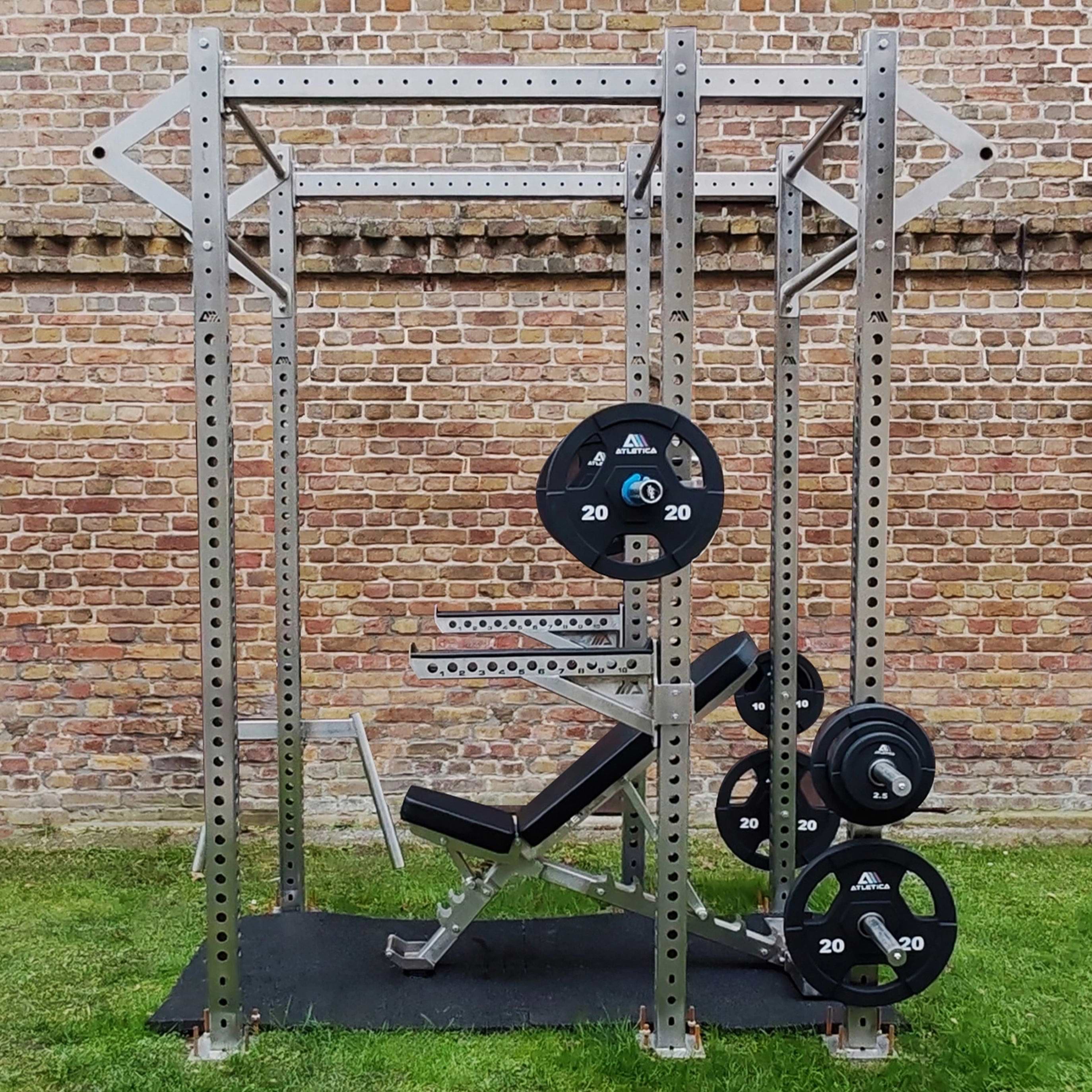
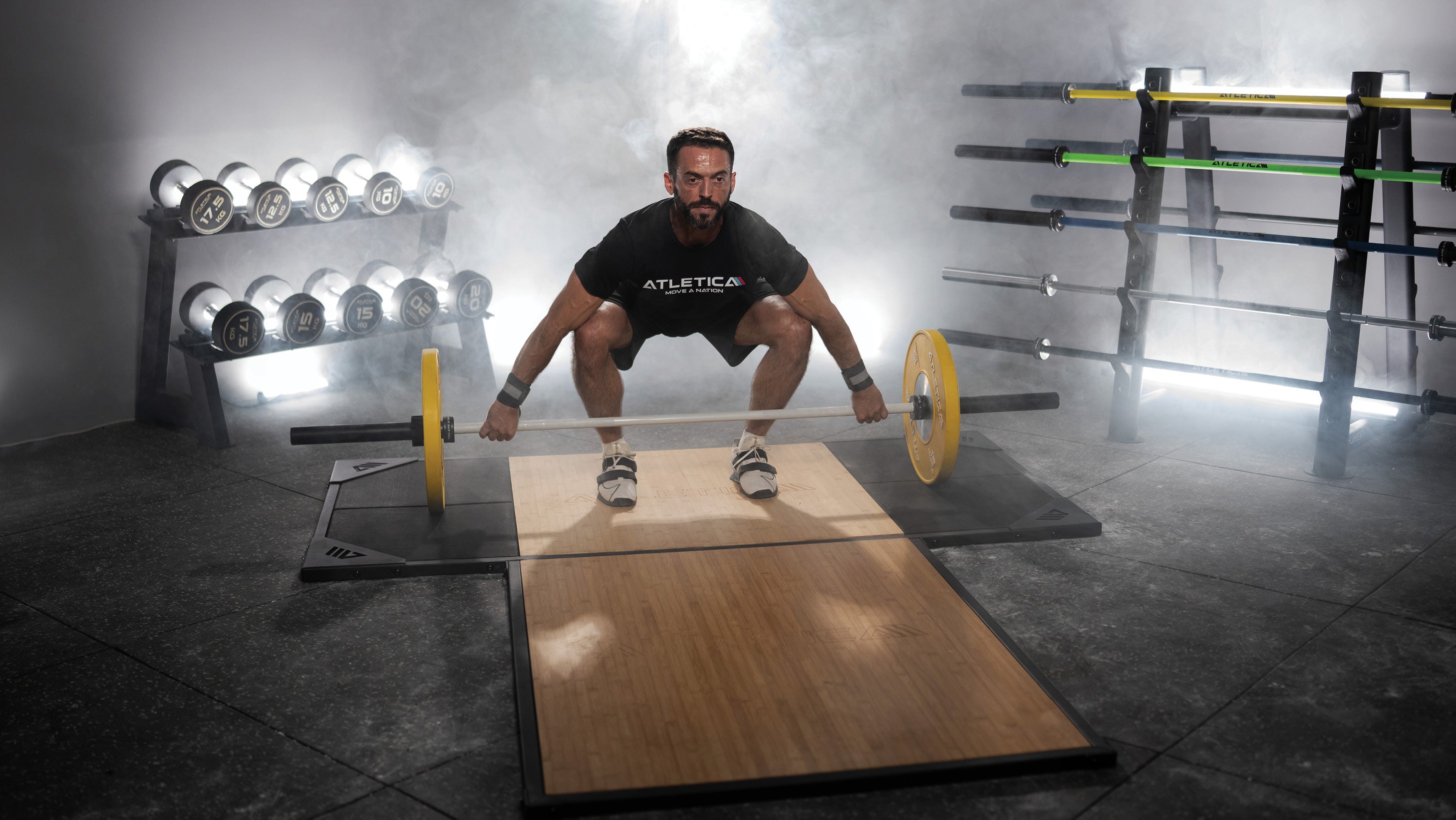
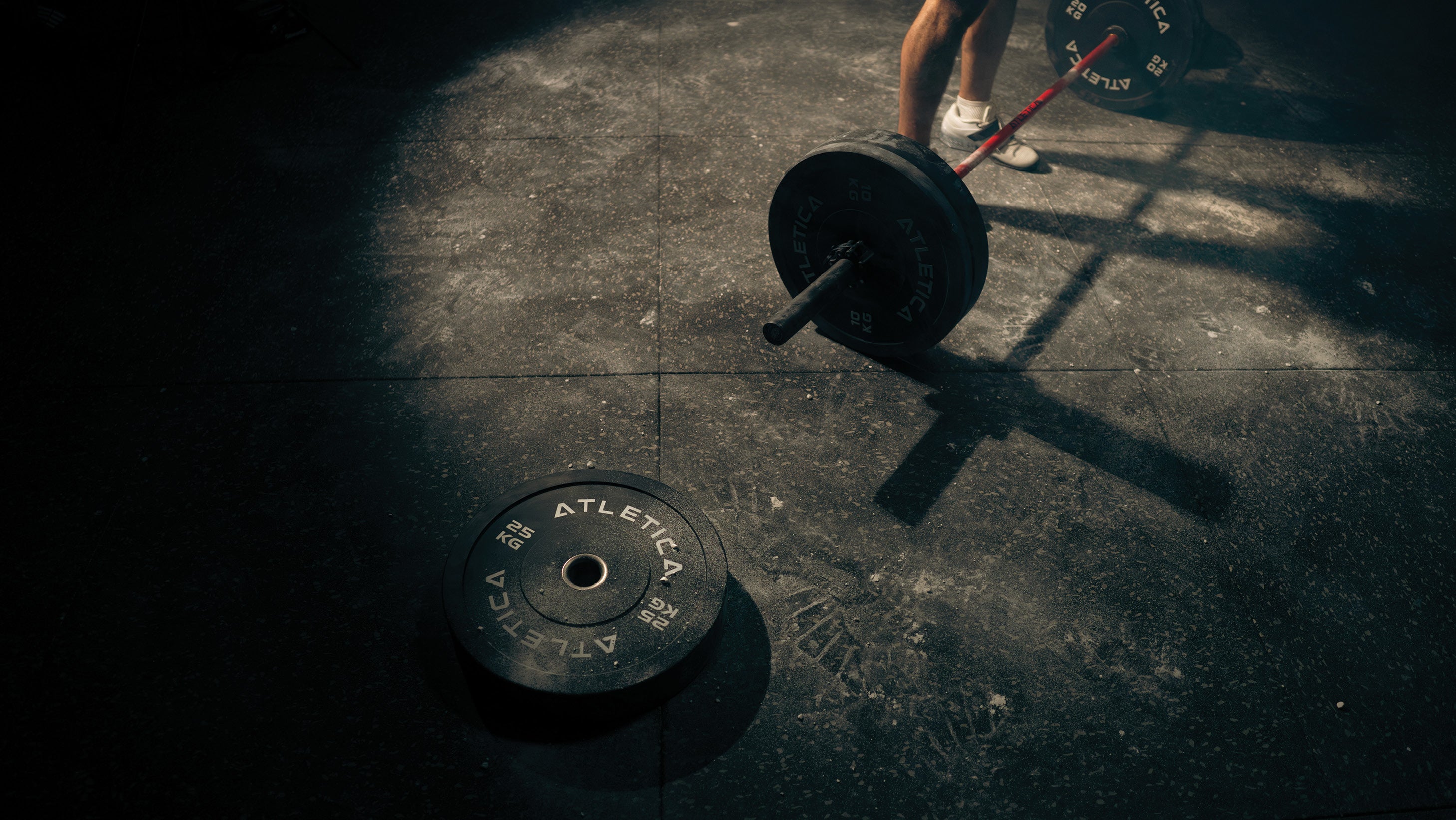
In a home gym, heavy weights, barbells and equipment hit the floor. Without suitable protection, damage to parquet, tiles or concrete quickly occurs. At the same time, the impact carries as noise into the apartment below or next door – a common problem in apartment buildings.
High-quality gym floor mats absorb impacts, dampen noise and create a safe, non-slip training surface. They protect not only the floor but also your joints and the equipment itself.
The key benefits of high-quality gym floor mats
- Floor protection against scratches, dents and wear from falling weights
- Noise and vibration dampening – crucial for your neighbors and living quality
- Increased safety thanks to a non-slip surface
- Joint protection thanks to better cushioning during training
- Longer lifespan for your equipment thanks to reduced vibrations
- A professional appearance for your home gym
- Easy cleaning and care
What to look out for when buying gym floor mats
Material and thickness
Good gym mats are made of high-density rubber or special composite materials. The thickness (usually 10–20 mm or more) determines the cushioning effect. For intensive weight and strength training, at least 15–20 mm is recommended.
Installation system
Interlocking mats (with a plug-in connection) are flexibly expandable and easy to lay or remove again. Fixed mats are better suited for permanent, large areas.
Non-slip properties and surface
Look for a profiled or fine-grained surface that provides good grip even with sweat or light dirt.
Load capacity and quality
High-quality mats are TÜV-tested and withstand heavy loads permanently without deforming or crumbling.
Odor and environmental compatibility
Good mats are low-odor or odor-free and free of harmful plasticizers.
The best Atletica gym floor mats at a glance
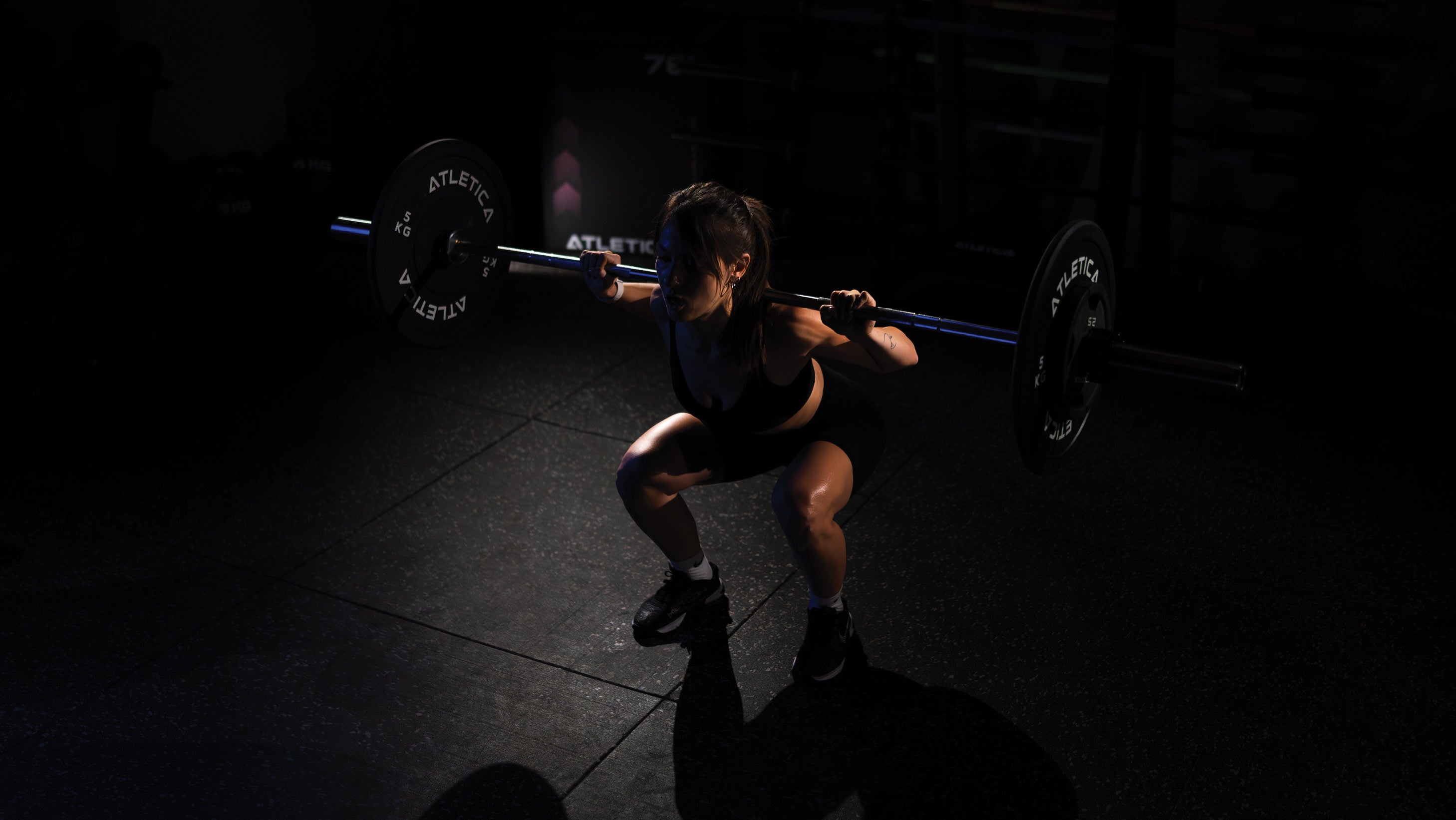
Atletica offers floor solutions developed specifically for home gyms and studios that combine high load capacity with good sound insulation.
- MaxProtect Rubber Mats (20 mm): Especially thick and robust – ideal for areas with heavy weights and intensive training. Very good shock absorption and durability.
- Interlocking Rubber Gym Mats: Modular system with plug-in connection. Easy to lay, expandable and also suitable for larger areas.
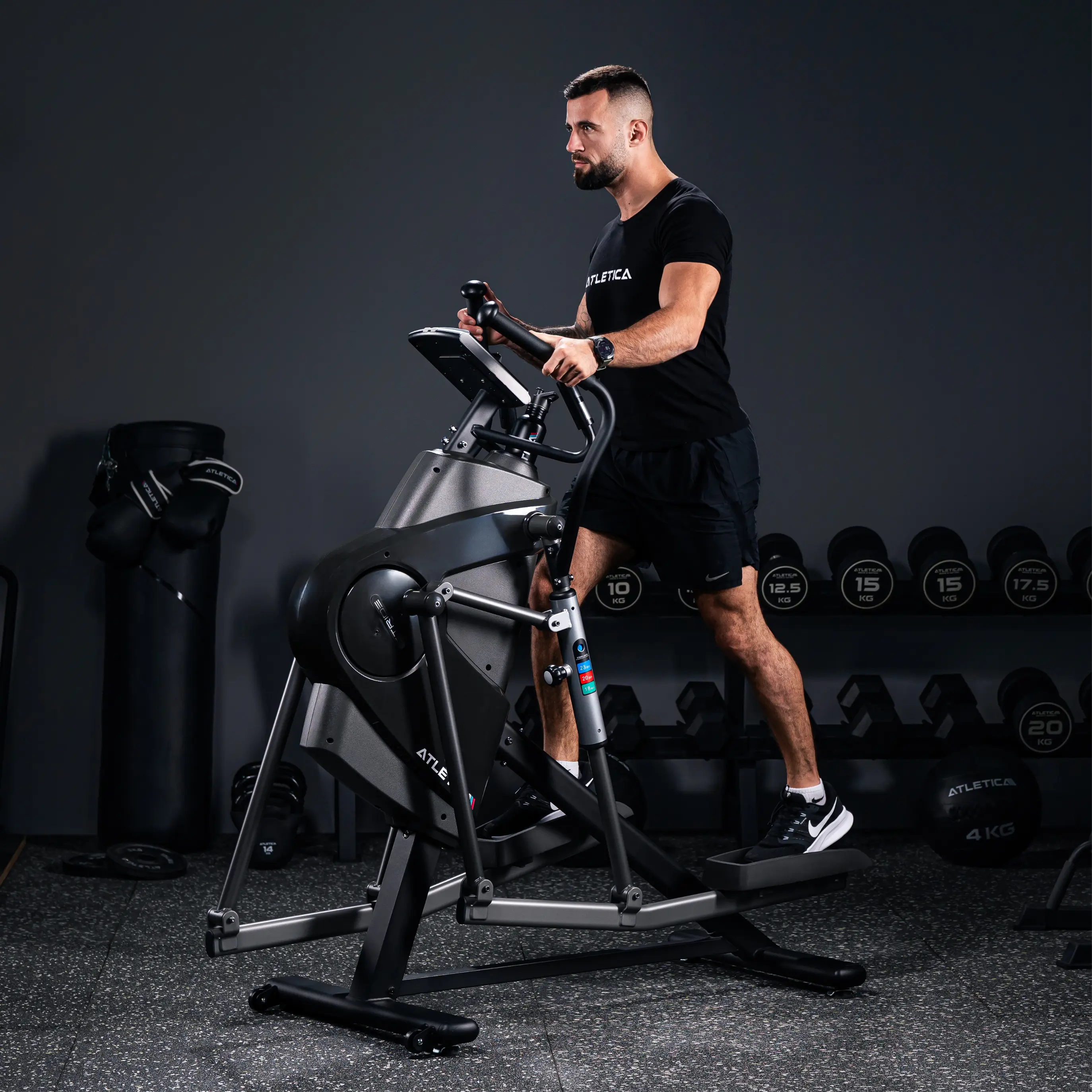
- Cardio Protection Mats: Optimized specifically for treadmills, cross trainers and cardio equipment. Thinner, but extremely non-slip and floor-friendly.
All models impress with high-quality rubber, easy care and the typical Atletica quality with a long service life.
How to set up your training area optimally
Plan the floor in from the start. Lay the mats out generously – at least under all equipment and in the movement areas. With interlocking mats, you can flexibly expand the training area later.
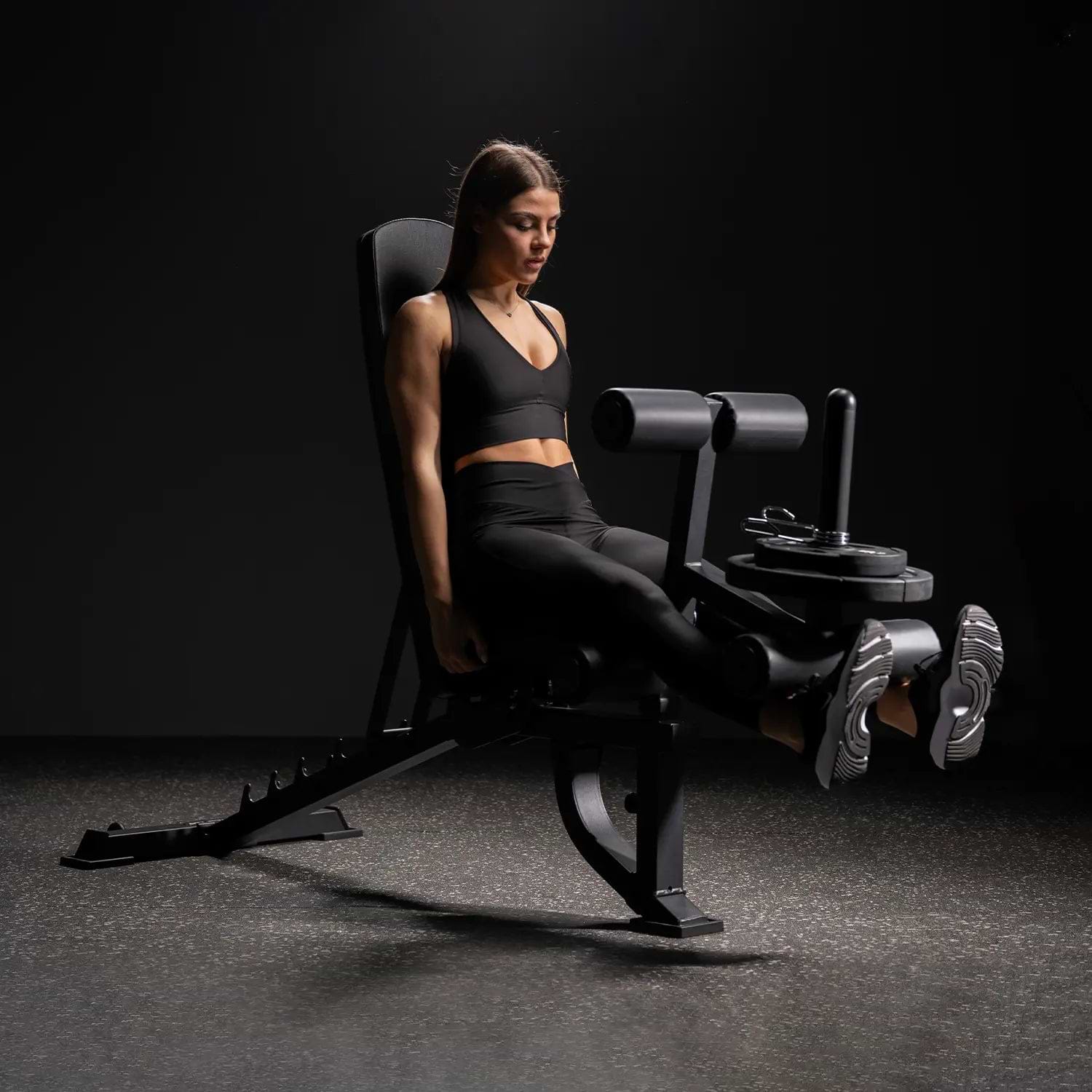
Ideally, combine the mats with other Atletica products such as adjustable weight benches or cable pulley stations. The clean, professional look and the functional safety have a positive effect on your training motivation.
Tip: Start with the heavily used zones (e.g. under the weight bench and the cable station) and expand as needed.
Frequently asked questions about gym floor mats for home workouts
How thick should the mats be?
For classic strength training with free weights, 15–20 mm is ideal. For pure cardio training, thinner mats are often sufficient.
Do good floor mats really reduce noise?
Yes, significantly. Especially thick rubber mats like the MaxProtect series noticeably dampen impact noise and reduce transmission into other rooms or apartments.
Are interlocking mats or fixed mats better?
Interlocking mats are more flexible and easier to lay or expand. For very large, permanent areas, fixed mats often offer a more homogeneous surface.
How do I care for the mats properly?
Simply wipe them down with a damp cloth and a mild cleaner. Most high-quality rubber mats are very easy to care for and resistant to sweat and light dirt.
Can I remove the mats again later?
Yes, this is easily possible, especially with interlocking systems. The mats usually leave no residue on the floor.
Is the investment in more expensive mats worth it?
Definitely, with regular and intensive training. Cheap mats wear out faster, often smell unpleasant and offer less protection and cushioning.
Are Atletica floor mats also suitable for small apartments?
Yes. The modular systems can be adapted precisely to the available space and can be removed or rearranged as needed.
Get started now
Discover the right gym floor mats at Atletica and create the ideal foundation for your home training. If you have questions about the right mats for your setup or the best way to lay them, we're happy to help.