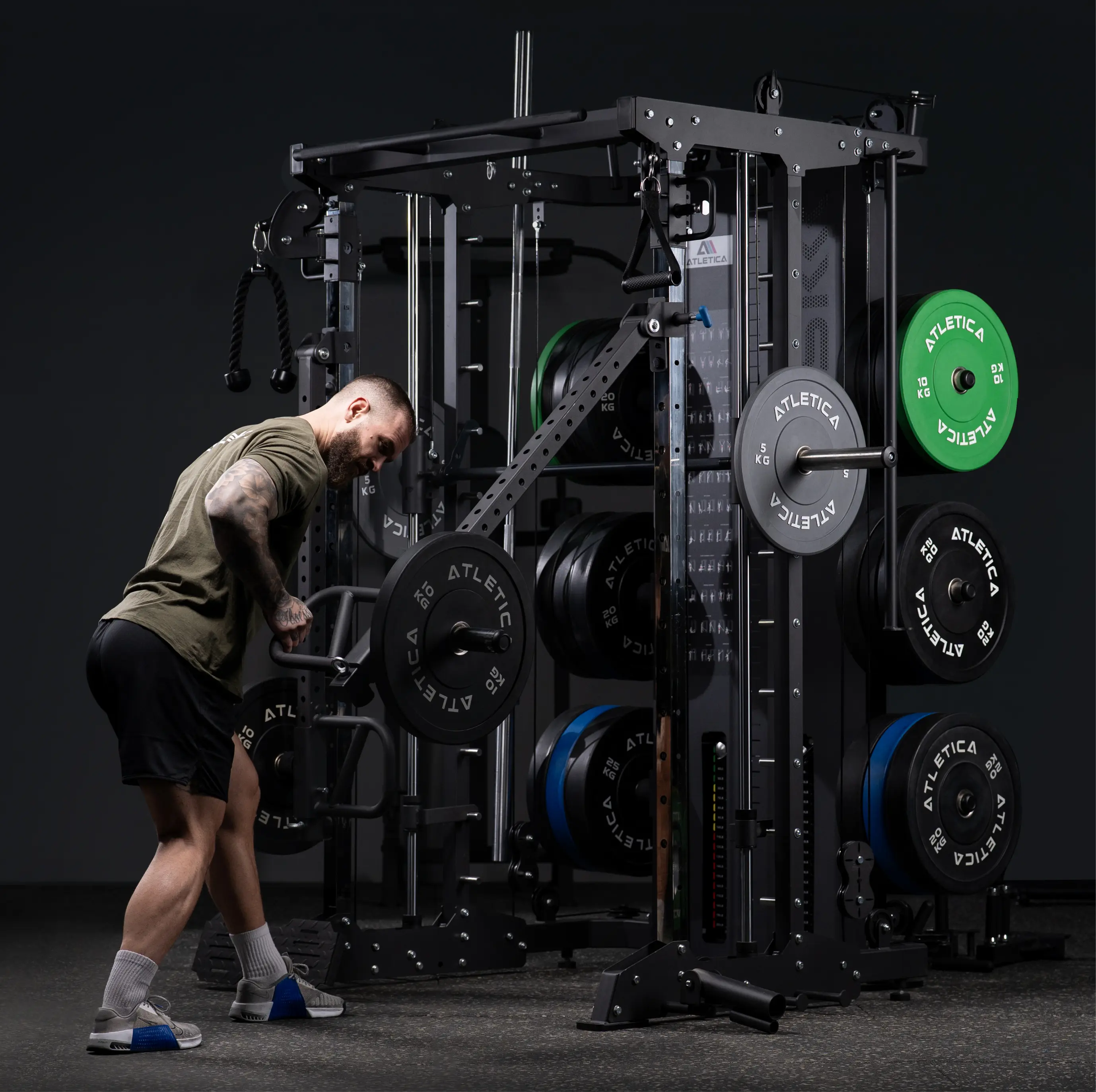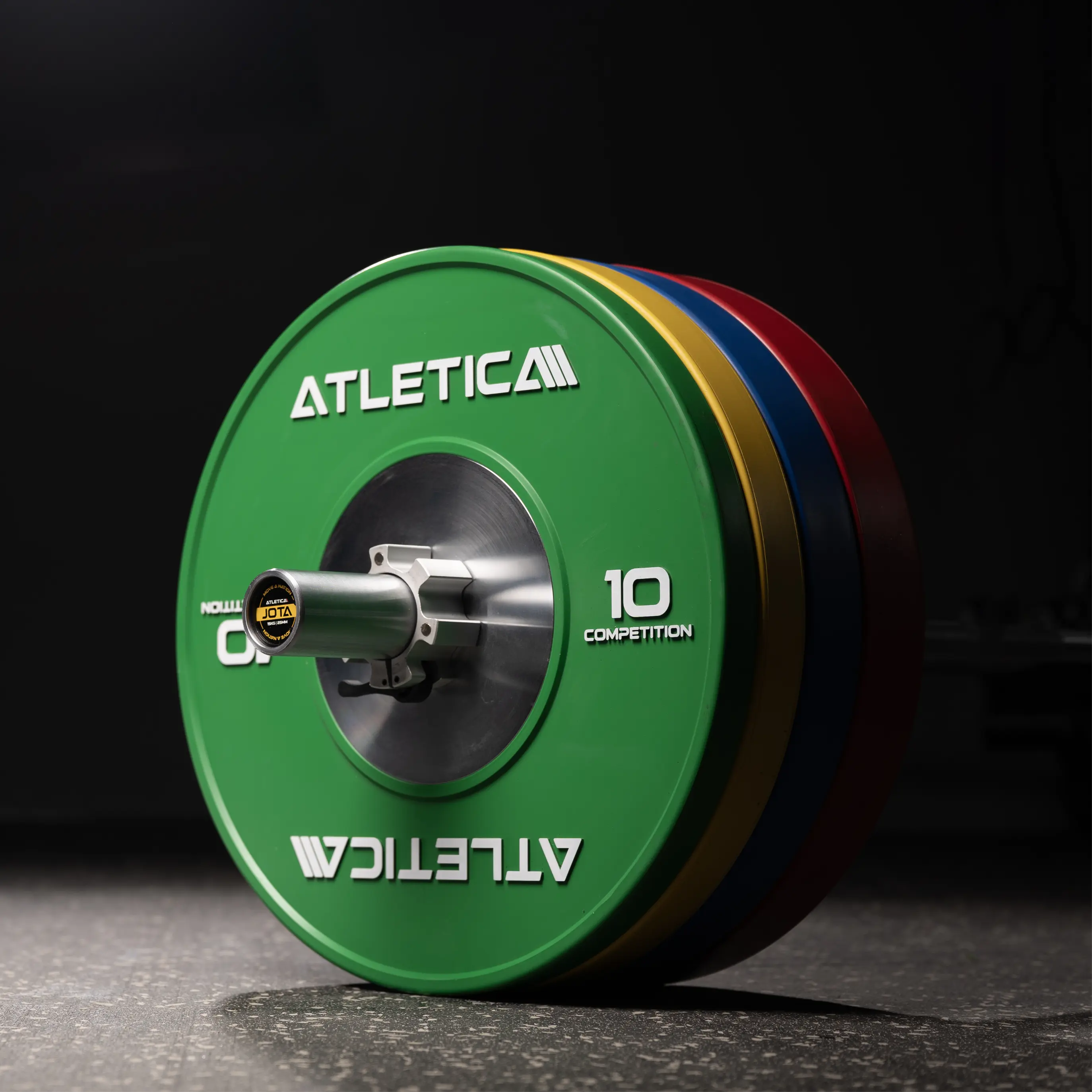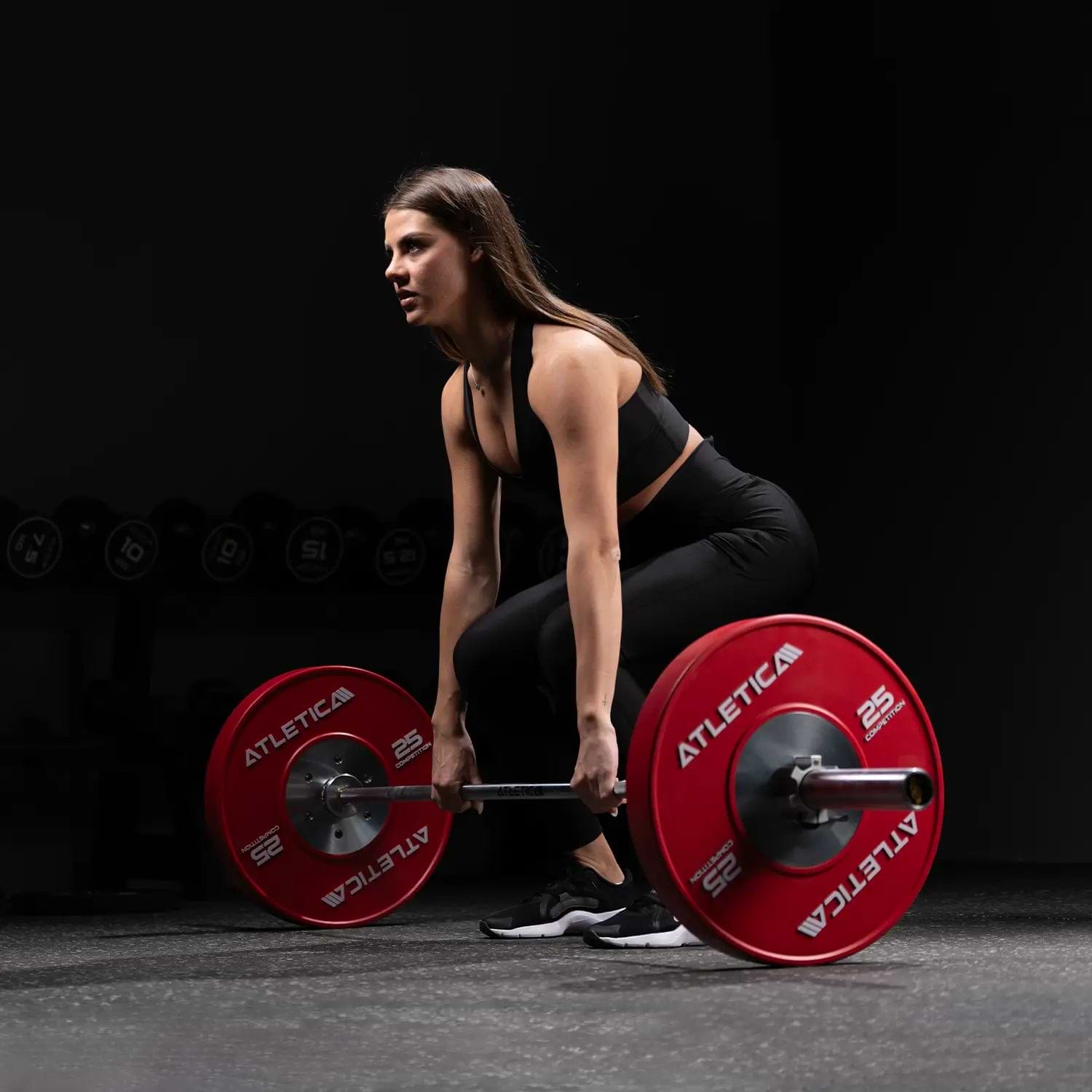
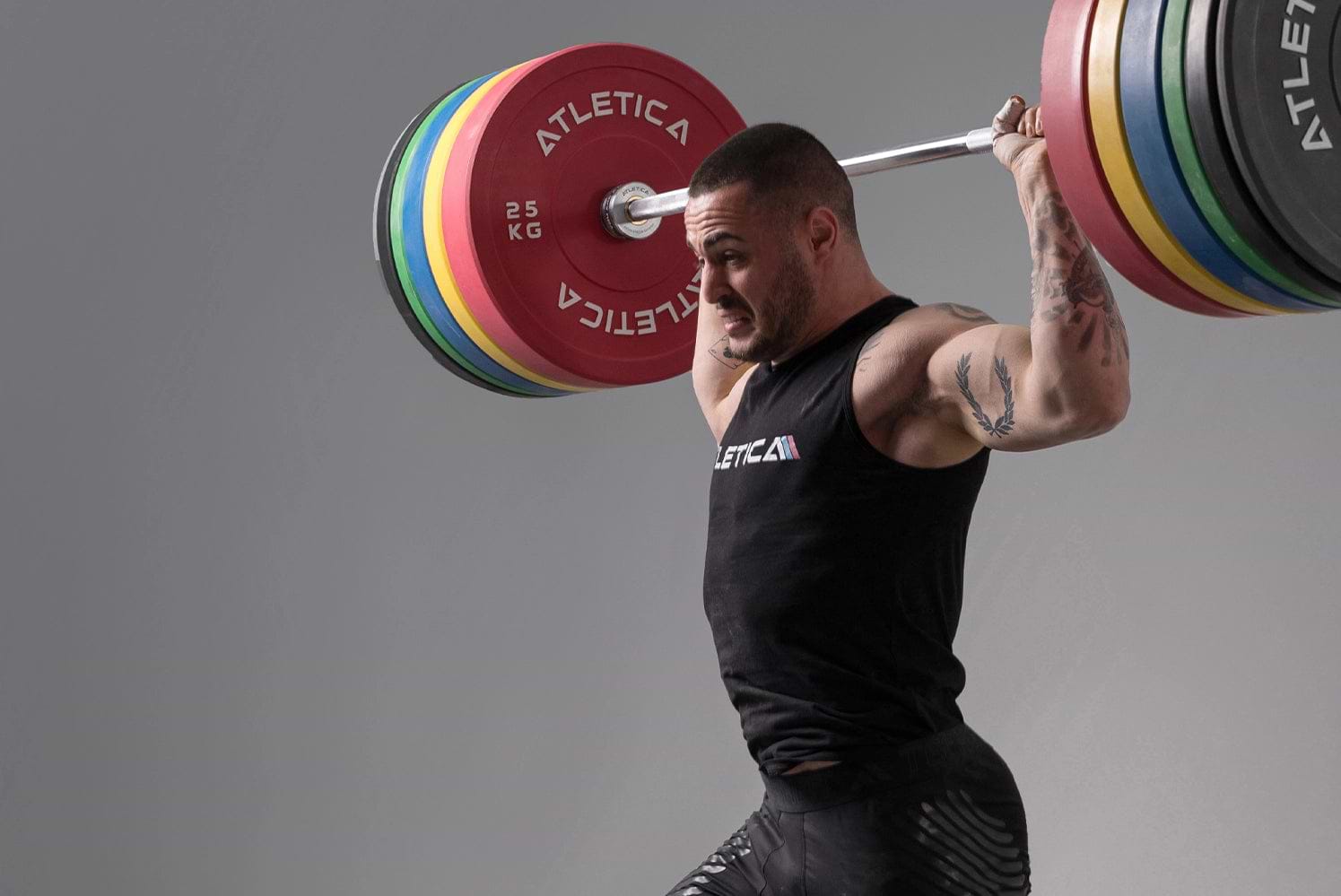









Bumper Plates are the first choice in 2026 for most home gyms and for everyone who does Olympic weightlifting or functional training. They protect your floor, massively reduce noise and allow safe drops. Here you'll learn which Bumper Plates are truly worth recommending in 2026 and what you need to watch out for.
The clear recommendation up front
For most home-gym users and weightlifters, high-quality standard Bumper Plates with good weight tolerance and solid rubber or urethane quality are the best choice.
Anyone who regularly trains outdoors should go for special outdoor or high-temp bumpers. Anyone who wants maximum precision chooses Competition Plates. For everyday use in the home gym, good color or standard bumpers are perfectly sufficient.
What sets good Bumper Plates apart in 2026
The most important quality criteria:
- Weight tolerance below 1–2 %
- Uniform outer diameter (usually 45 cm) regardless of weight
- Solid steel core with a firm bond to the rubber/urethane
- Shore hardness that enables a controlled bounce (not too soft, not too hard)
- Low odor and REACH compliance
- Good surface grip
- Durability under repeated drops
Also decisive: whether the plates are suitable for indoor, outdoor or both.
The most important bumper types at a glance
|
Type |
Best use |
Advantages |
Disadvantages |
Recommended for |
|
Home Gym, functional, weightlifting |
Good value for money, color-coded |
Medium bounce |
Most users |
|
|
Competition, precise training |
Very tight tolerance, low bounce |
More expensive |
Advanced athletes & competitors |
|
|
Outdoor training, extreme temperatures |
UV- and heat-resistant, weatherproof |
Often more expensive |
Outdoor athletes |
|
|
Home Gym + handling |
Handles, often more compact, durable |
Somewhat more expensive |
Anyone who wants good handling |
|
|
Budget bumper |
Entry level |
Cheap |
Poorer tolerance & durability |
Only short-term |
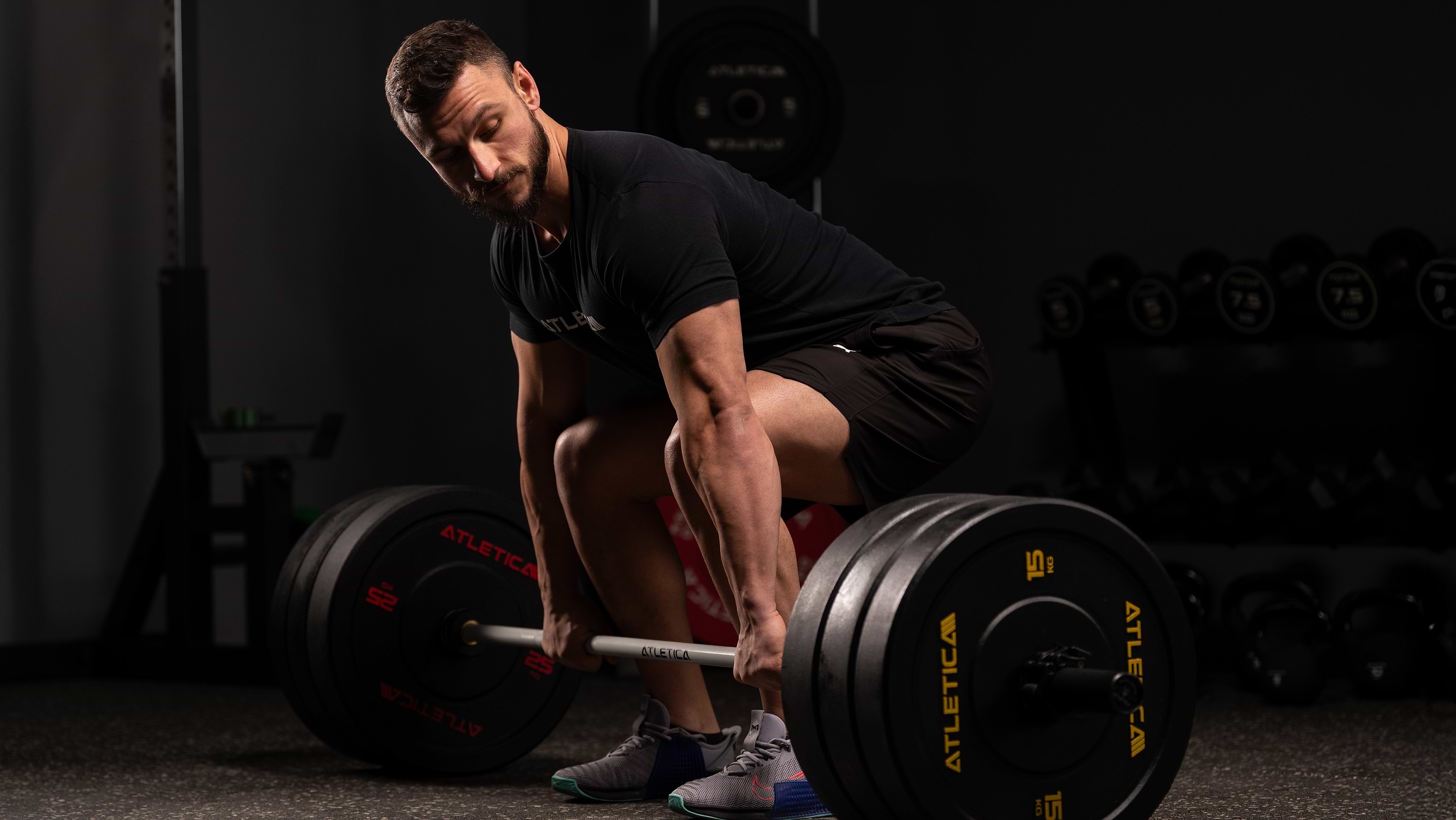
What you should pay particular attention to when choosing in 2026
1. Weight tolerance
The tighter, the better. Good plates stay within a maximum deviation of 1–2 %.
2. Material
Urethane is often more odor-neutral and more resistant than normal rubber. High-temp compounds withstand heat and UV significantly better.
3. Bounce behavior
Plates that are too soft bounce uncontrollably. Plates that are too hard put more strain on the floor and the bar. A medium, controlled bounce is ideal.
4. Thickness and loading capacity
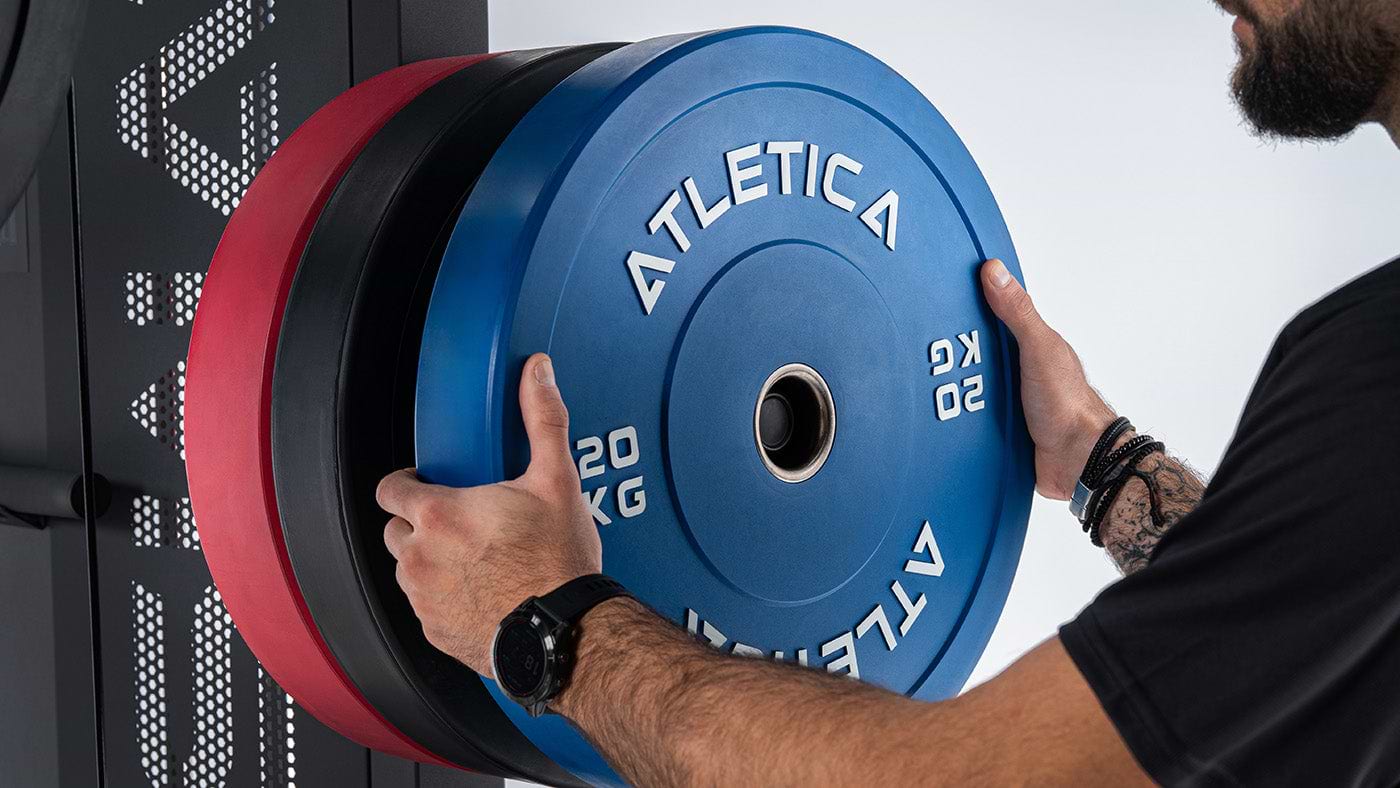
Bumpers are thicker than Iron Plates. With very heavy sets, the sleeve capacity of the bar can become the limiting factor – in which case it makes sense to combine them with Iron Plates.
5. Outdoor suitability
Normal bumpers suffer under permanent UV radiation and temperature fluctuations. Special outdoor or high-temp variants are clearly superior here.
Recommended set sizes for 2026
Beginner / Home Gym:
100–150 kg (e.g. 2×25 kg, 2×20 kg, 2×15 kg, 2×10 kg, 2×5 kg)
Advanced / Weightlifting:
150–200 kg + fractional plates for finer increments
Heavy training:
200 kg+ and, if needed, supplemented by Iron Plates for maximum load on the bar
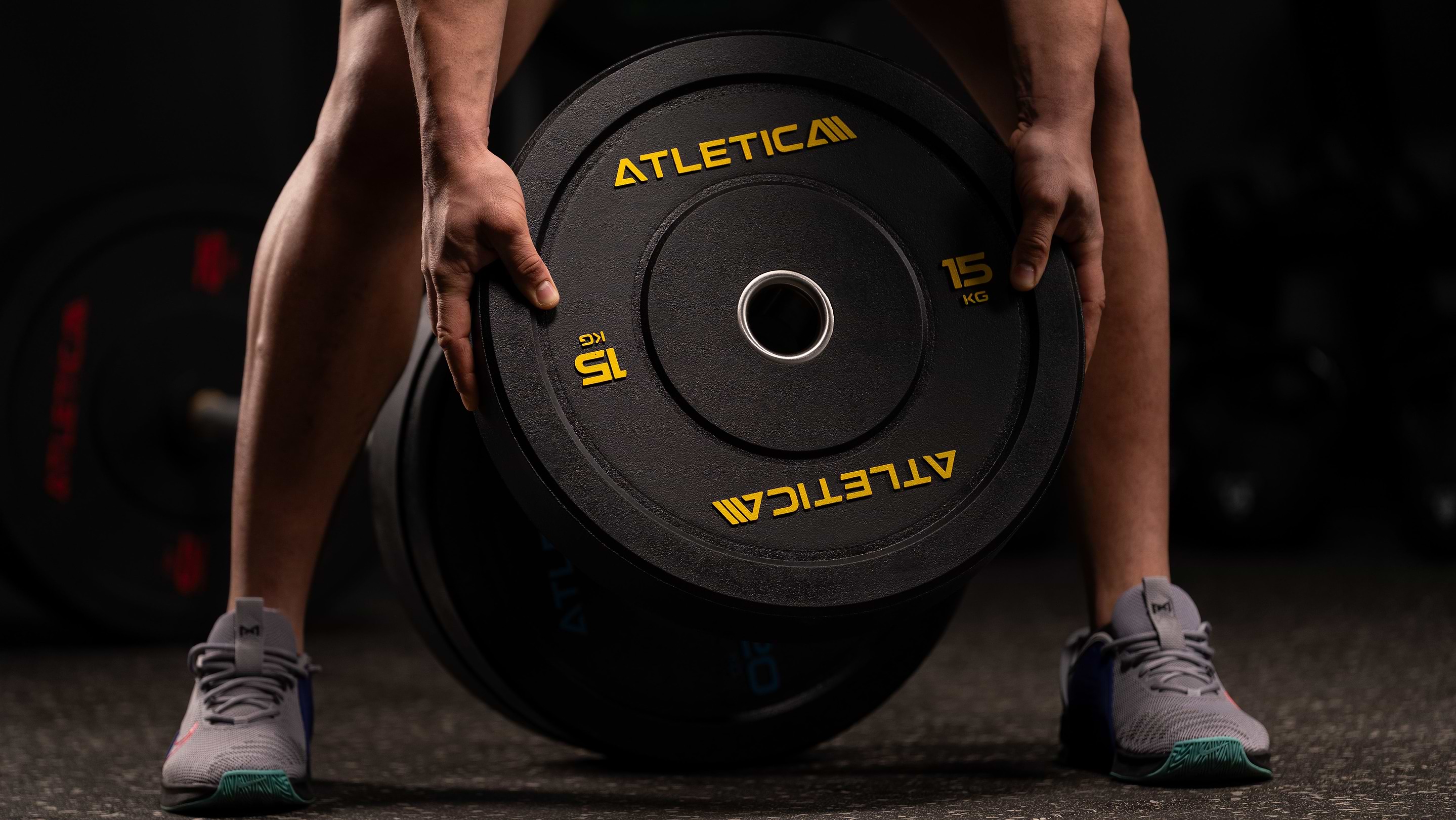
Bumper Plates vs. Iron Plates – the sensible combination
The best solution for most athletes in 2026 is the combination:
- Bumper Plates as the base (floor protection, noise reduction, drop safety)
- Iron Plates as a supplement for heavy sets where the thickness of the bumpers becomes a limitation
This way you keep the advantages of both systems.
Common mistakes when buying Bumper Plates
- Buying plates that are too cheap, with poor tolerance and a strong odor
- Outdoor training with normal indoor bumpers
- Choosing a set that is too small and then having to keep buying more
- Underestimating the thickness and later running into problems loading the bar
- Not using any mats under the bumpers
Frequently asked questions about Bumper Plates 2026
Are expensive Competition Bumpers necessary in the home gym?
No. For most users, good standard or color bumpers are perfectly sufficient. Competition plates are mainly worth it if you have competitive ambitions or want maximum precision.
Can I also use Bumper Plates for powerlifting?
Yes. The only downside is the greater thickness. With very heavy sets, they are therefore often combined with Iron Plates.
How loud are good Bumper Plates really?
Significantly quieter than Iron Plates. Combined with good floor protection mats, training becomes acceptable even in apartments.
Do outdoor bumpers also make sense indoors?
Yes. They are usually more robust and last longer, but often cost more.
Which Shore hardness is ideal?
A medium range that enables a controlled bounce without being too hard or too soft. Extremely soft plates are unsuitable for regular training.
Key Takeaways
- Good Bumper Plates are the best base for home gym and weightlifting in 2026.
- Pay attention to tight weight tolerance, a solid core and high-quality material.
- Standard/color bumpers are sufficient for most people.
- High-Temp / Outdoor Bumper variants are a must for permanent open-air training.
- The smart combination of Bumper + Iron Plates solves the thickness problem with heavy sets.
- Don't save in the wrong place – bad bumpers cause more trouble in the long run than they cost.
Your next step
Want to find the best Bumper Plates for your training?
Compare the current Atletica bumper, color, high-temp, gripper and outdoor variants. With tight tolerance, robust construction and good everyday usability, you'll be well set up for the long term.
Book a free consultation and put together your ideal bumper set.