















Many people train either purely for strength or purely for endurance.
But there's a very effective training form that combines both: strength endurance training.
It doesn't just improve your strength – it improves your ability to maintain that strength over a longer period or under repeated effort. Especially for Functional Training, martial arts, everyday fitness and many sports, this combination is extremely valuable.
In this article I'll show you what strength endurance training really means, which methods work best and how to put it into practice.
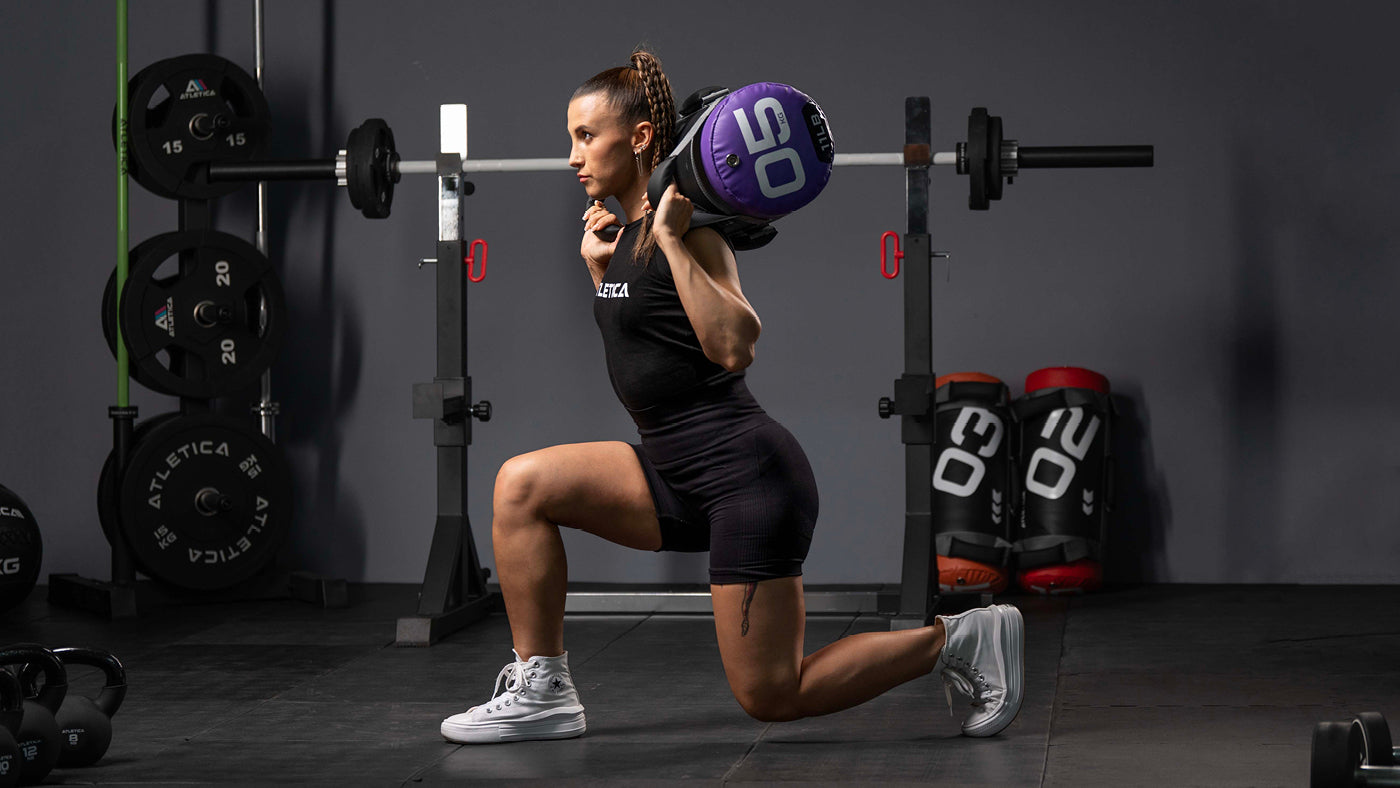
What is strength endurance training really?
Strength endurance describes the ability to maintain a certain force output over a longer time or for many reps – without the output dropping sharply.
Unlike classic max-strength training (few reps, heavy weight) or pure endurance training (long, light load), the focus here is on the combination of both qualities.
Typical features:
- Mid-to-high rep ranges (usually 8–20+ reps)
- Shorter rests than in pure strength training
- Often circuit-style or as supersets / density training
- Focus on clean technique throughout the working time
Why strength endurance training makes sense
It brings several benefits:
- Better overall performance in daily life and sport
- Improved fatigue resistance under repeated loads
- Efficient training in less time (especially in the home gym)
- Good transfer to Functional Training and martial arts
- Simultaneous build-up of muscle and cardiovascular fitness
- Less one-sided load than pure strength or endurance training
Especially when you train at home and don't have hours to spare, strength endurance training is a highly effective method.

The best methods for strength endurance training
Here are the most proven approaches:
1. Circuit Training
You run several exercises back-to-back with little rest and repeat the circuit multiple times. Ideal for full-body workouts.
2. Density Training
You work within a fixed time window (e.g. 20–40 minutes) and try to fit in as many quality reps as possible. Very effective and time-saving.
3. Supersets & tri-sets
Two or three exercises back-to-back with no rest (e.g. Squat + Pull-up + core exercise). Boosts intensity and saves time.
4. Moderate reps with short rests
8–15 reps per set at 60–75% of your max, with 45–90 second rests. Classic strength endurance method.
5. EMOM or AMRAP
Every Minute on the Minute or As Many Rounds As Possible – structured, demanding methods that pair well with strength endurance.

Example workouts for strength endurance
Example 1: full-body circuit (about 30–40 minutes)
Run 4–5 rounds with 60–90 seconds rest between rounds:
- Squats (with barbell or Safety Bar)
- Pull-ups or Lat Pulldown
- Lunges or Bulgarian Split Squats
- Push-ups or Bench Press
- Core exercise (e.g. Plank or Hanging Leg Raises)
Example 2: upper-body focus with density approach
Get through as many clean reps as possible in 20 minutes:
- 5–8 Pull-ups
- 8–12 Push-ups or Bench Press
- 8–12 Rows (barbell or cable)
- 10–15 Dips or triceps exercise
Example 3: lower body + core
- 10–15 Squats
- 10–12 Lunges per leg
- 12–15 Leg Press or Hip Thrusts
- Core finisher
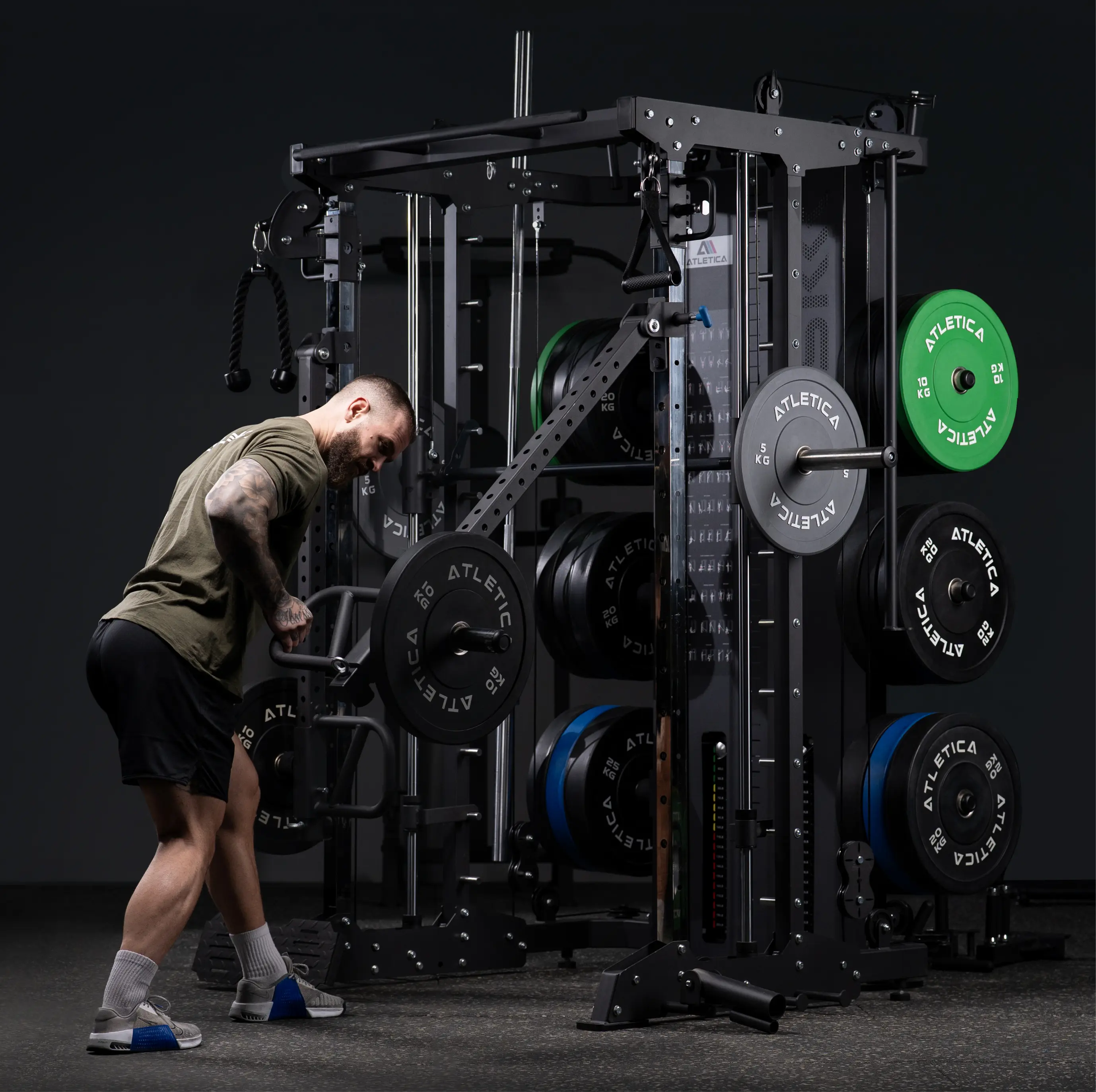
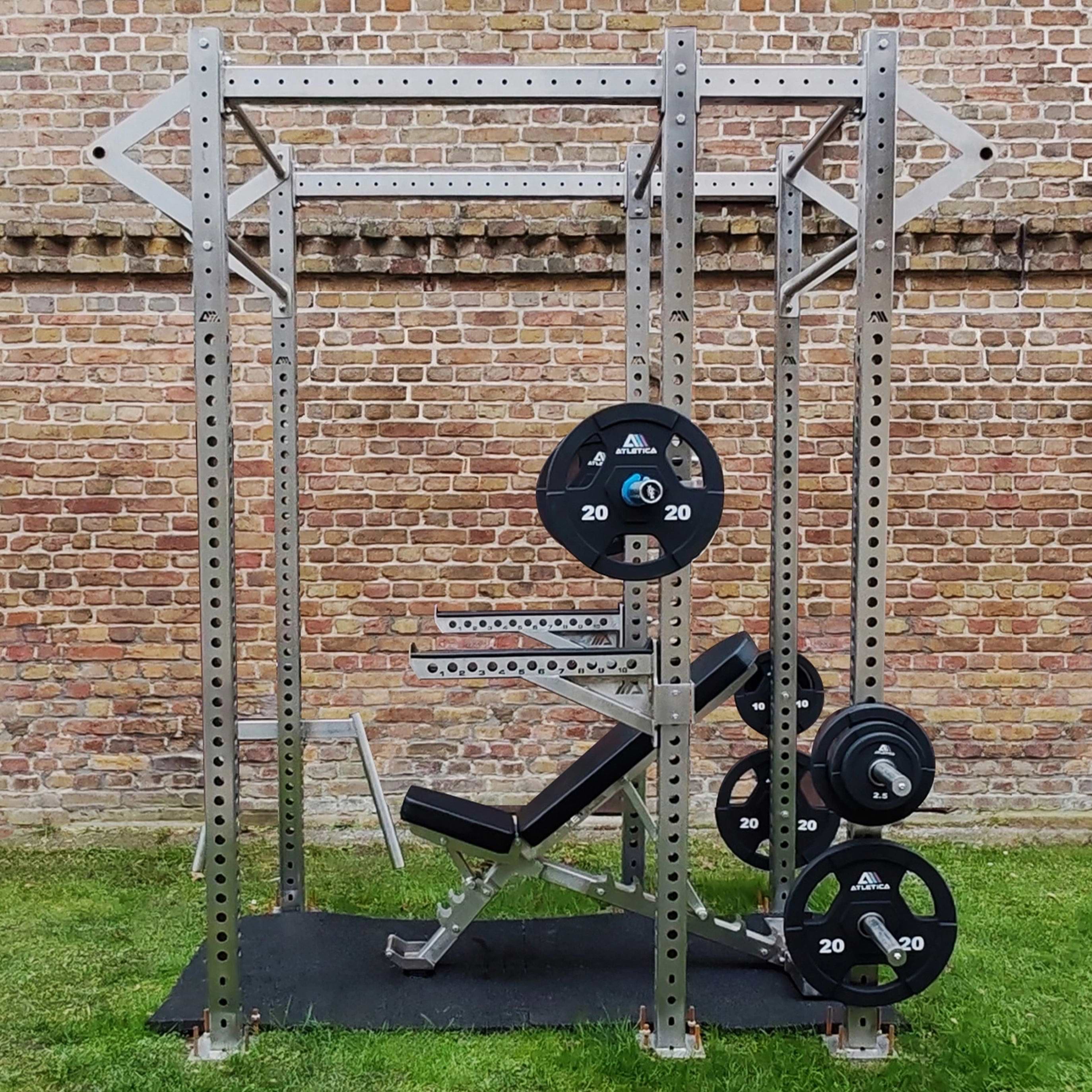
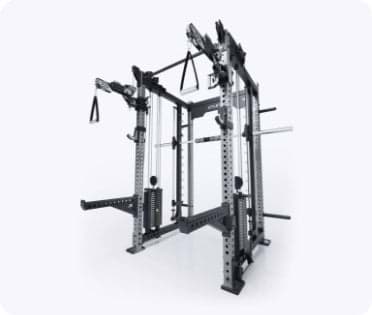
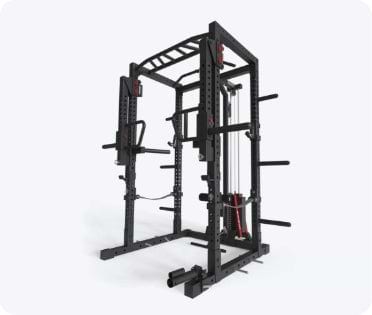
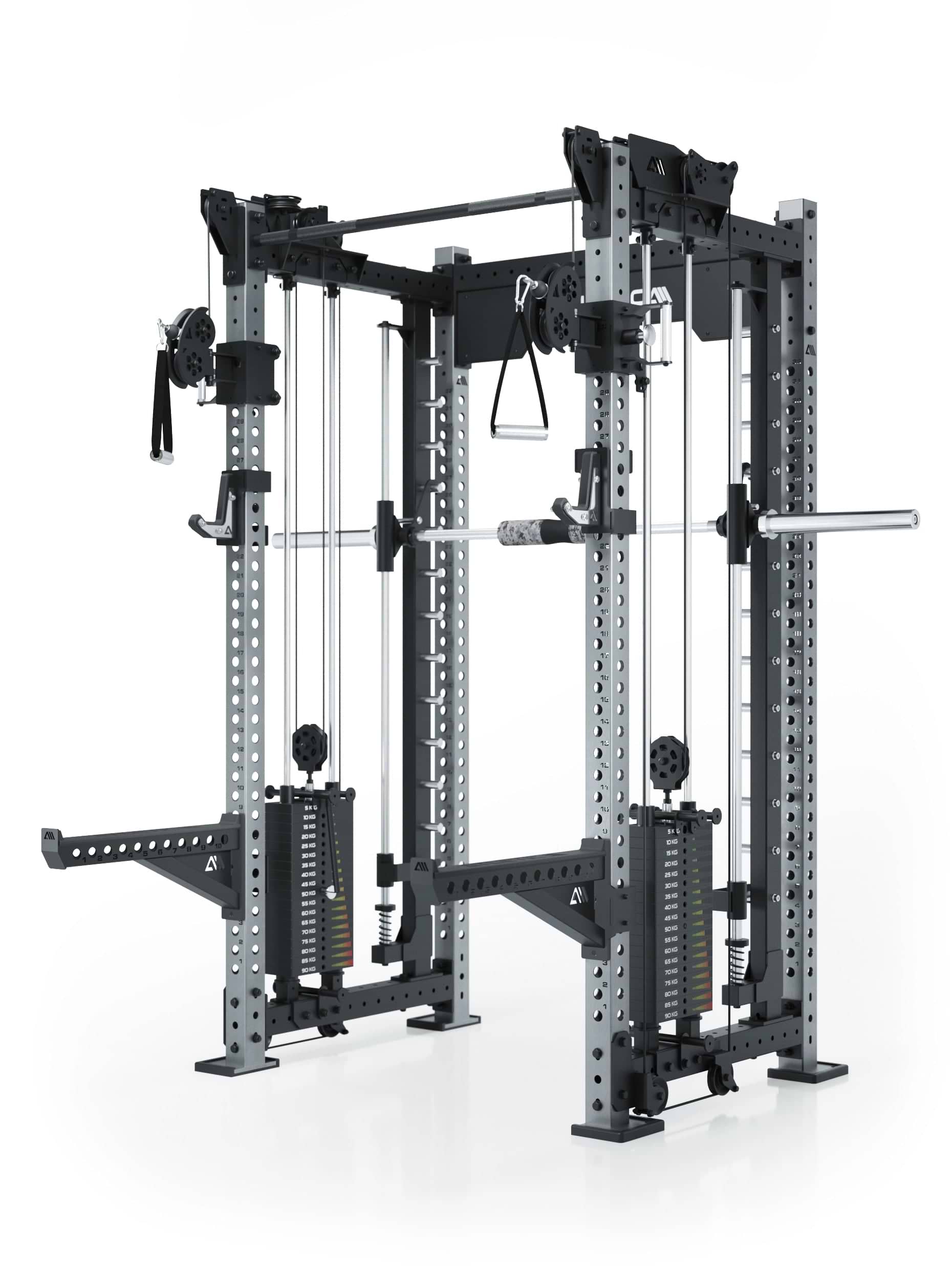
These workouts run very well with a Power Rack and/or a multigym.
How to progress properly
To keep making progress long-term, follow these principles:
- Gradually increase weight or reps
- Shorten the rests slowly
- Add more rounds or extend working time
- Keep technique clean – even when fatigued
- Schedule a lighter week every 4–8 weeks (deload)
Common mistakes in strength endurance training
- Rests too short with weights too heavy (technique breaks down)
- Too many exercises in a circuit (quality suffers)
- No clear progression
- Neglecting recovery and nutrition
- Always the same workouts with no variation
Checklist: how to do strength endurance training right
- Clear method chosen (circuit, density, supersets, etc.)
- Reps and rests chosen sensibly
- Technique still clean under fatigue
- Regular progression planned in
- Enough recovery and sleep
- Workouts designed with variation
- Progress documented (e.g. in the Training App)

Conclusion: one of the most efficient training forms for most people
Strength endurance training is an excellent method if you want to build strength, improve endurance and train efficiently at the same time.
Especially in the home gym, where time and space are often limited, it delivers a very good cost-to-benefit ratio. With the right structure and progression you can make noticeable progress in several fitness areas in a relatively short time.
Want structured strength endurance programs?
Then download the Atletica Training App for free. You'll find ready-made programs and can track your progress directly.
Or book a free consultation if you want an individual strength endurance program for your setup.
Frequently asked questions
Is strength endurance training also suitable for beginners?
Yes, as long as your technique on the basic lifts is solid. Start with moderate loads and slightly longer rests.
Will I lose muscle if I train strength endurance?
No – on the contrary. You often build muscle, especially with progressive overload. For pure maximum hypertrophy, max-strength training is slightly more effective, though.
How often per week should I train strength endurance?
2–4 sessions a week is a good range for most, depending on overall training volume and recovery.
Can I combine strength endurance with pure strength training?
Yes, many people do. For example 2× pure strength + 1–2× strength endurance per week.