











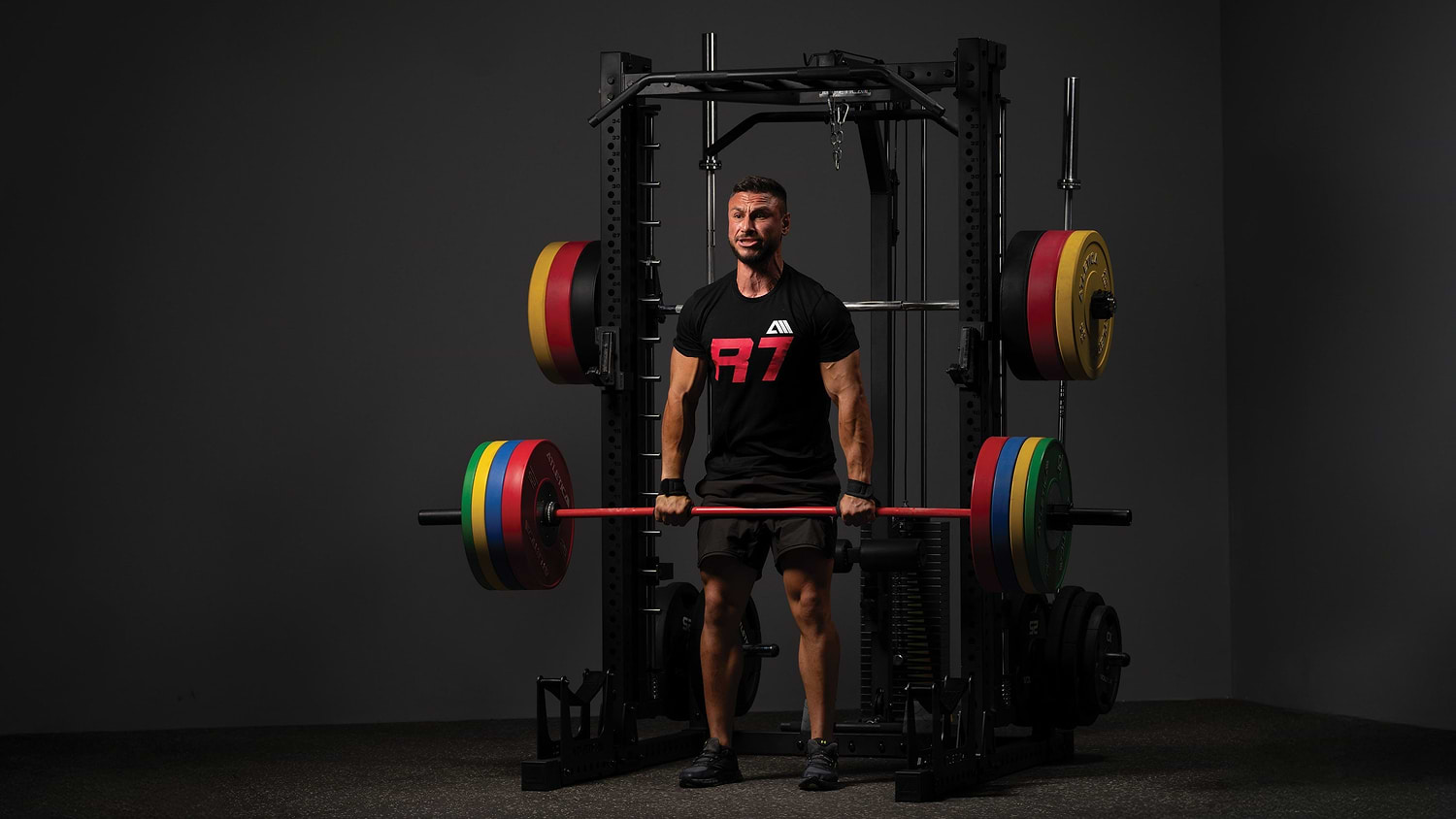
Many people buying their first Power Rack face the same question:
Should I go for a cheap, fixed system, or invest directly in a modular system?
The short answer: For most people, a modular system pays off in the long run.
A fixed system saves money up front but limits you quickly. A modular system costs a bit more at first, but over 3–5 years it often saves you money, frustration and new purchases.
In this article I'll show you the key differences and why flexibility is one of the most important factors for long-term satisfaction with Power Racks.
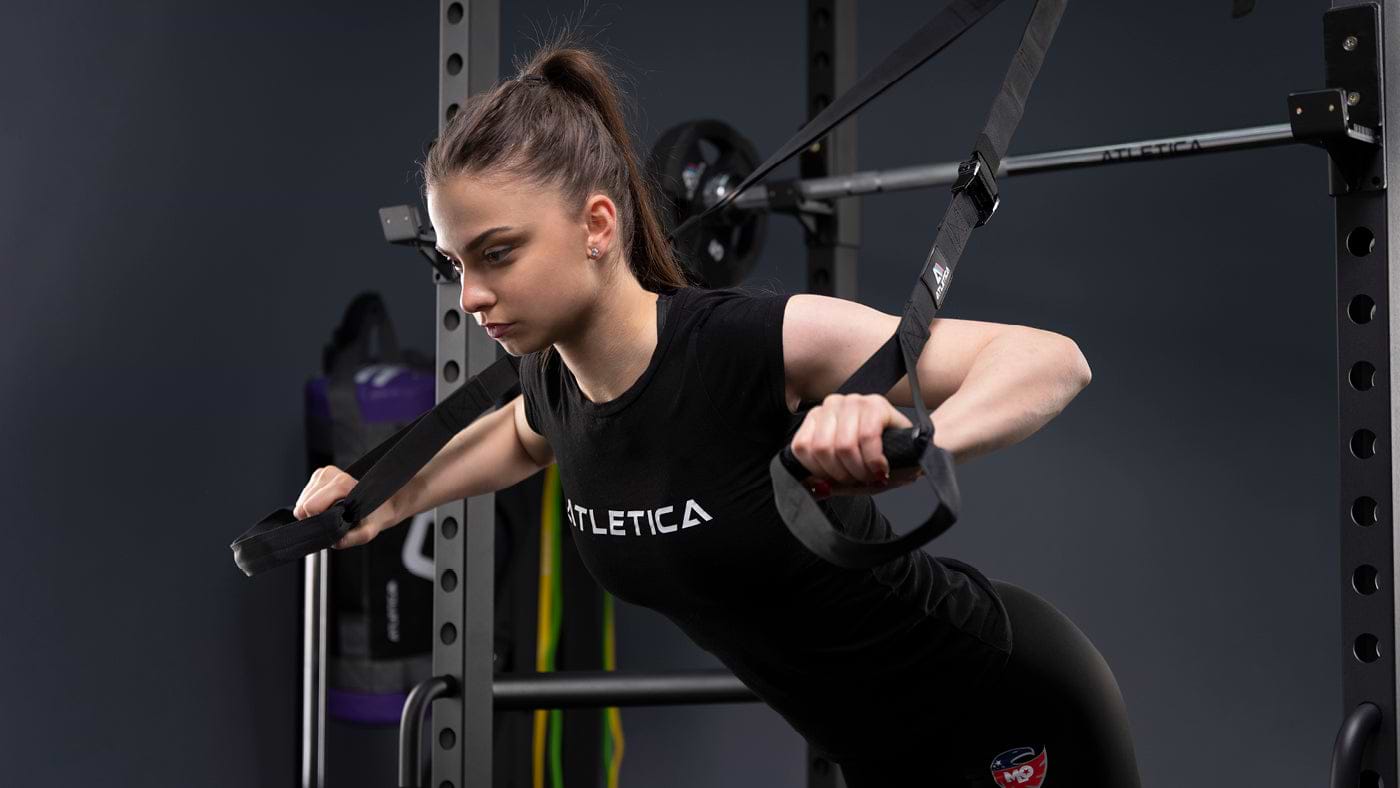
What are fixed and modular Power Racks?
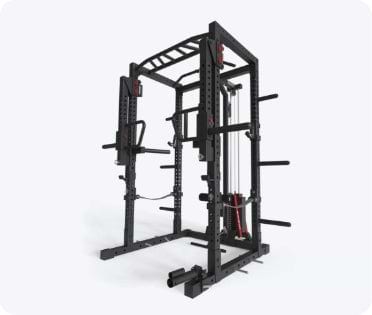
Fixed systems
Once you've bought it, the rack essentially stays as it is. Extensions are only possible in a limited way, or not at all. You get a finished product with set features.
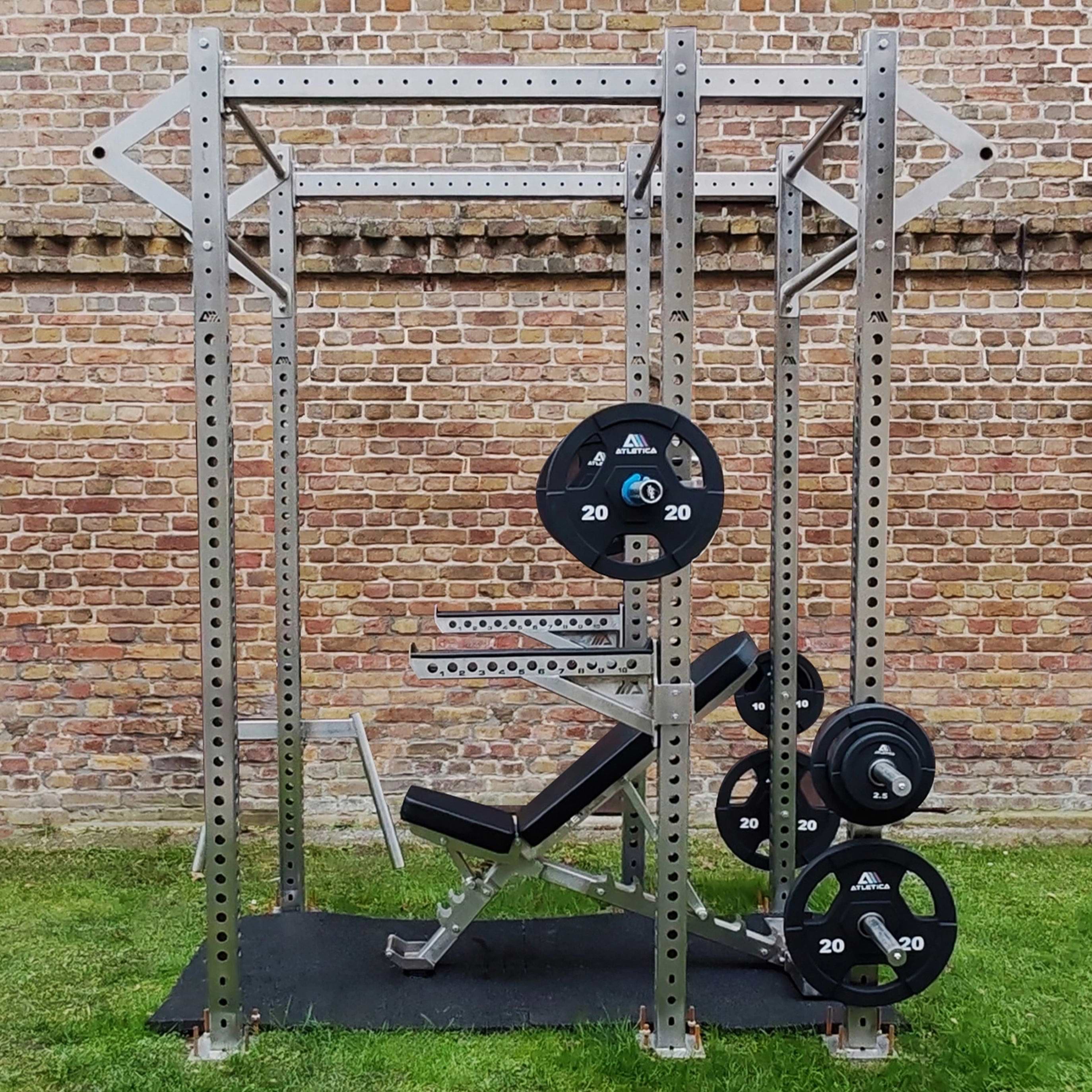
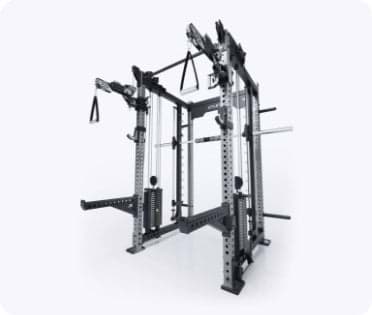
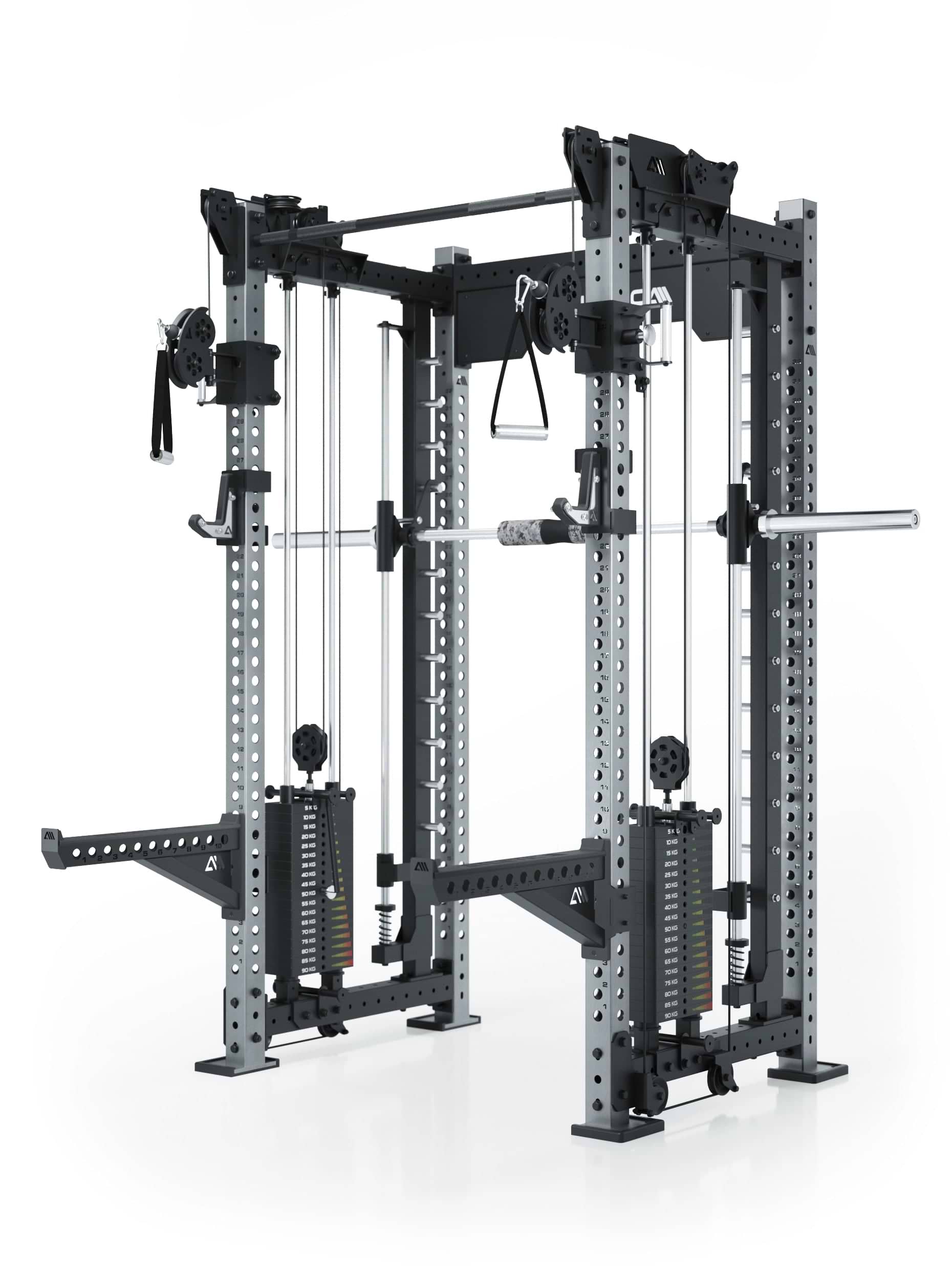
Modular systems (like the Atletica R8 series)
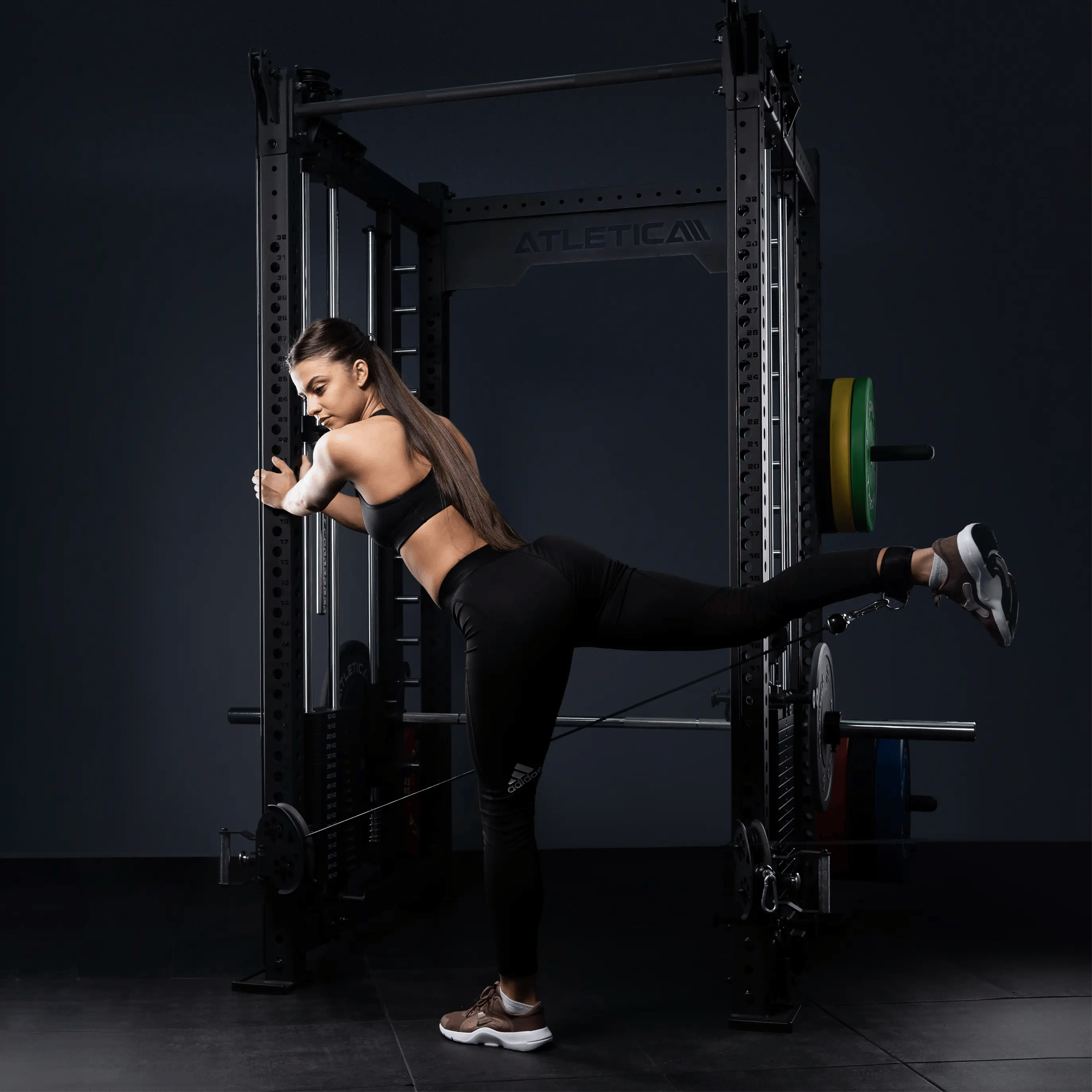
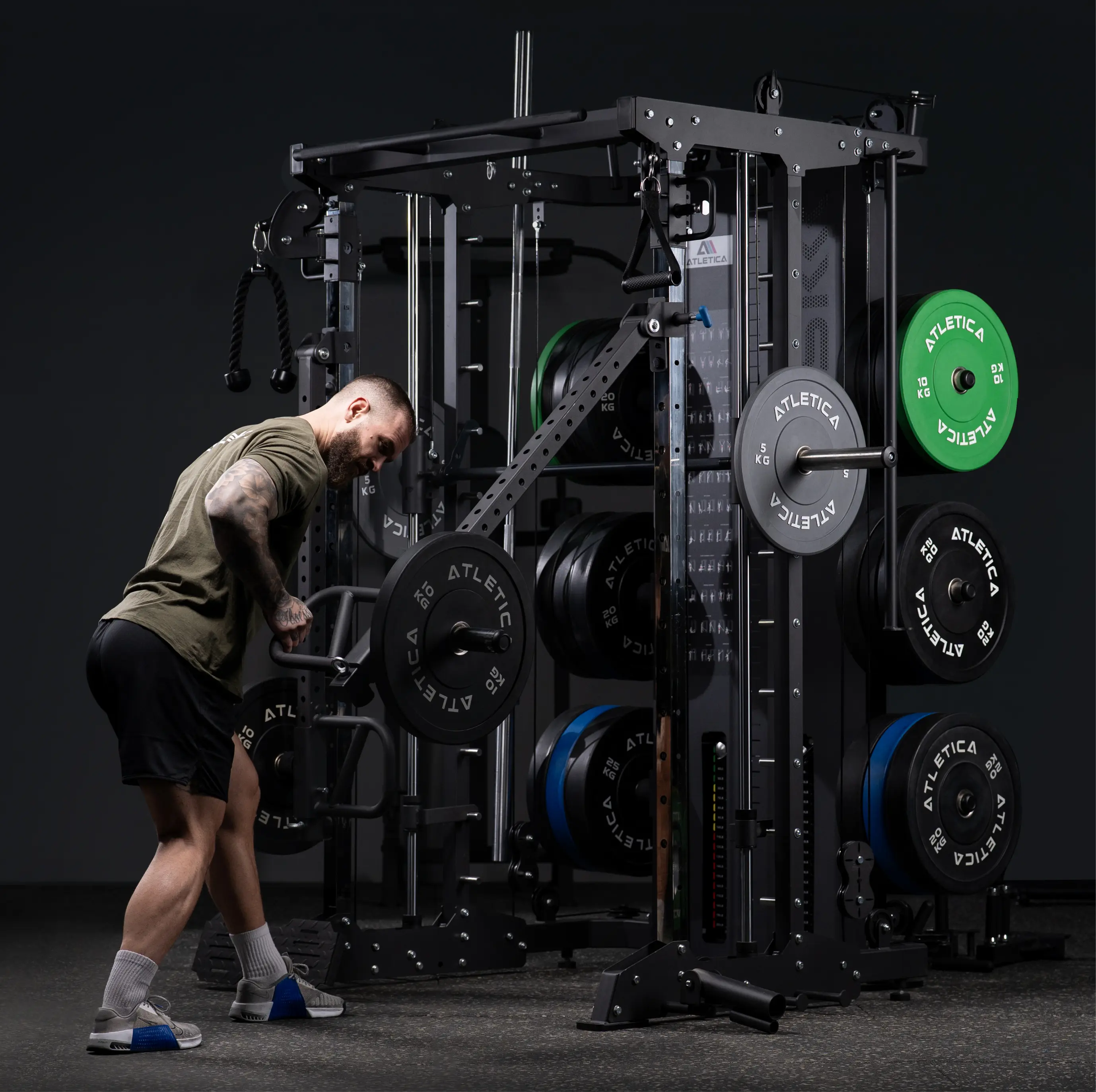
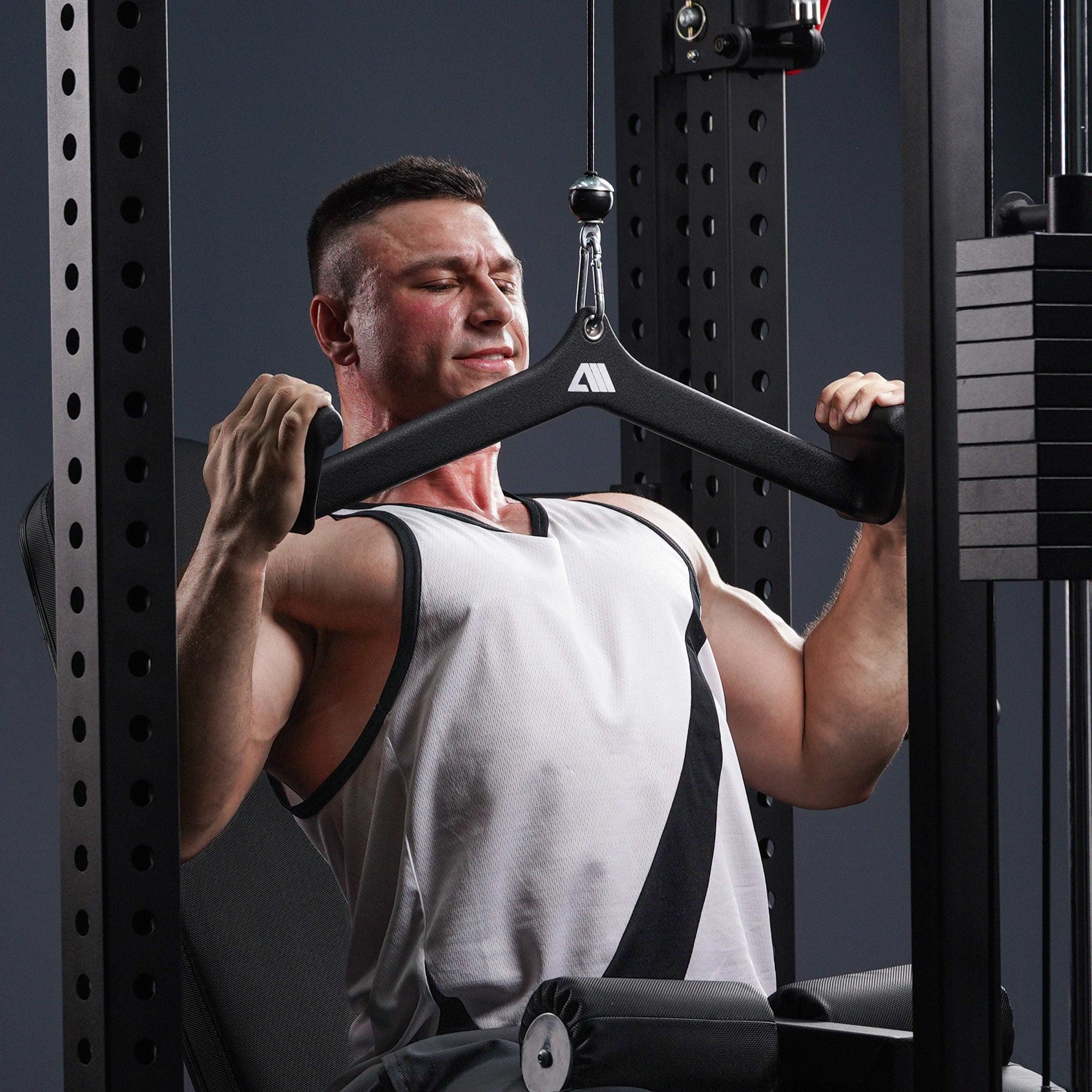
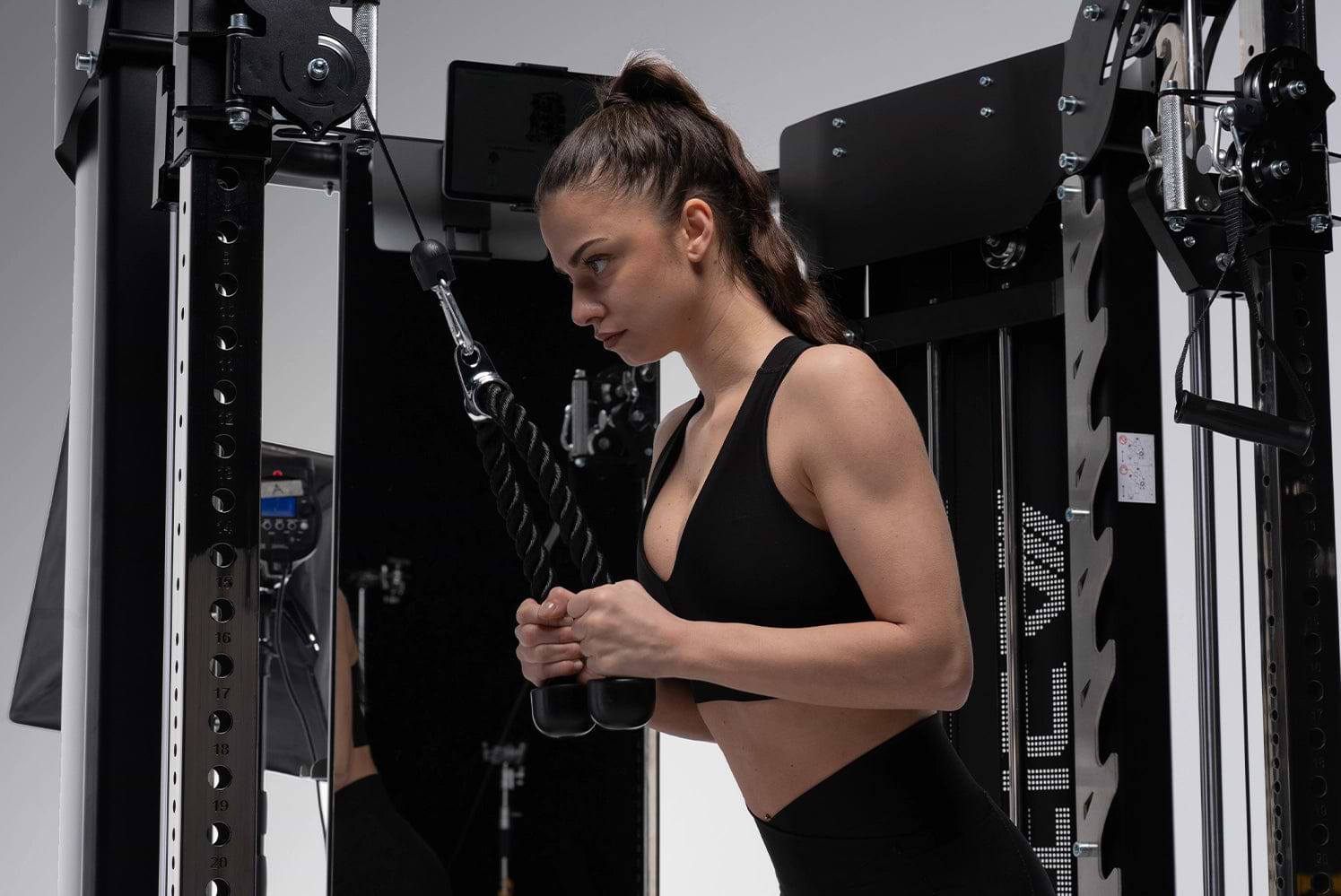
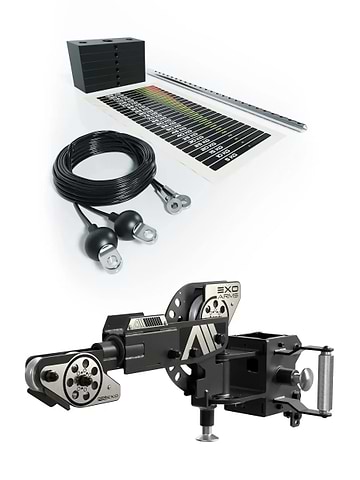
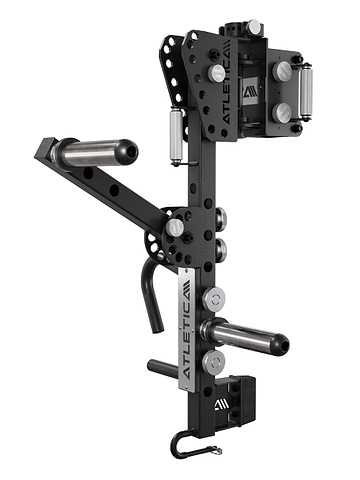
The rack is designed as a base you can expand over years with matching accessories. Later you can add cable pulleys, lat pulldown stations, Smith machine, Jammer Arms, additional safety systems or storage solutions – without replacing the whole rack.
The decisive difference is therefore not just the current equipment, but the future-readiness.
The downsides of fixed systems after 1–3 years
Many people who initially bought a fixed system later report these problems:
- They want more exercise variations (e.g. cable exercises) but can't really implement them.
- Training becomes one-sided because certain muscle groups can no longer be trained optimally.
- They have to buy a completely new rack after 2–3 years because the old one hits its limits.
- The investment in the first rack ends up being "sunk cost".
A fixed system is like a car you can't fit with a tow bar or better seats later. It works – but only within very narrow limits.
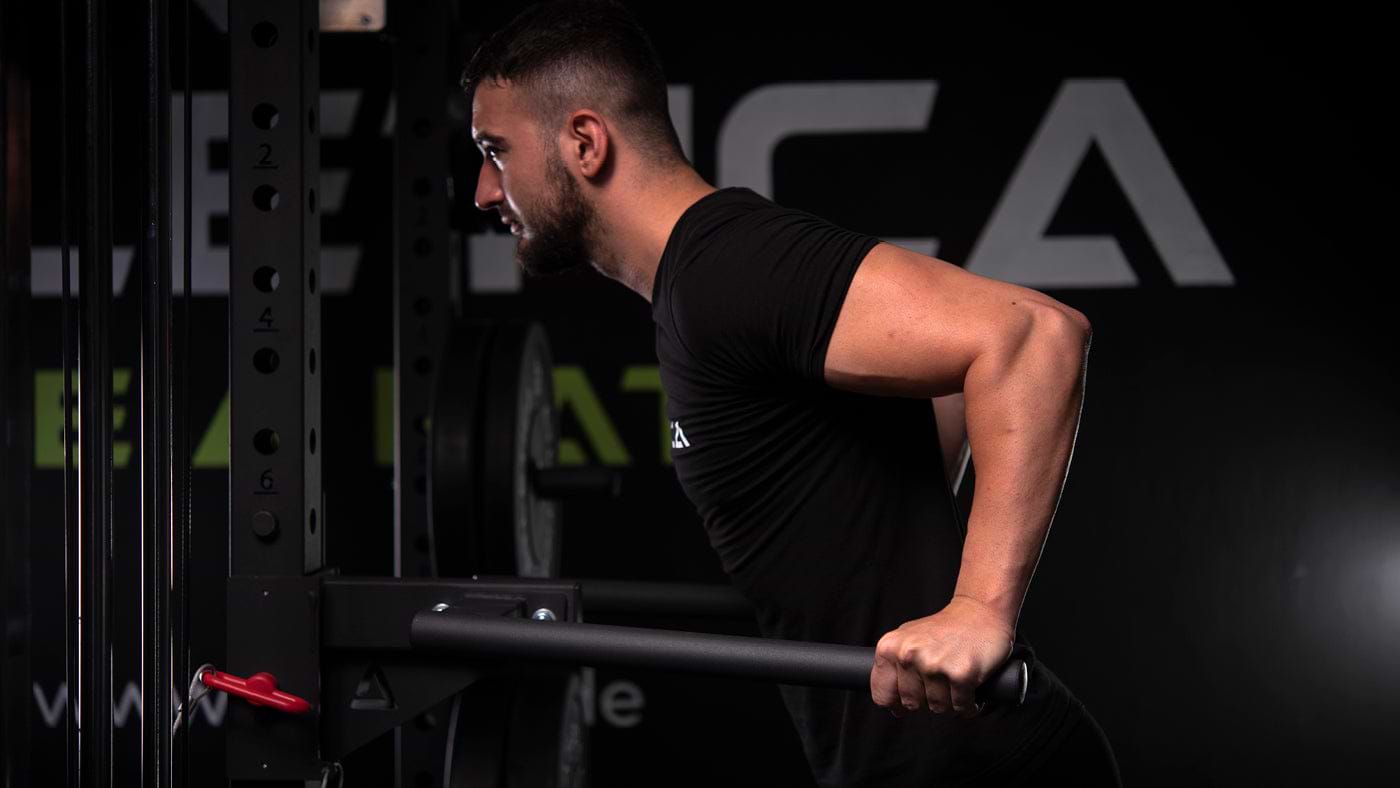
The benefits of modular Power Racks (using the R8 series as an example)
A modular system like the Atletica R8 series was designed exactly for this situation. It grows with your ambitions.
Key benefits:
- Step-by-step expansion You start with a solid base and later add exactly the components you really need (e.g. a cable module first, then a lat pulldown station or a Smith machine).
- Greater long-term training variety Instead of doing the same exercises after a while, you can keep expanding and varying your training.
- Better investment security You don't buy a new main unit every 2–3 years. Instead, you invest specifically in sensible accessories.
- Individual adaptation to your life Your goals, your space or your preferences can change. A modular system adapts to these changes far better.
The R8 series is built specifically so ambitious trainees can keep evolving their home gym over many years – with no compromise on stability and quality.
Cost comparison over 3–5 years
Here's a realistic comparison (simplified):
Period |
Fixed system |
Modular system (e.g. R8) |
Winner |
Purchase year 1 |
Cheaper entry |
Slightly higher investment |
Fixed system |
After 2 years |
First limits often noticeable |
Expansion possible as needed |
Modular |
After 3–4 years |
Often a new rack needed |
Just targeted accessories |
Modular |
Total cost after 5 years |
Often more expensive due to repurchase |
Usually cheaper + far more options |
Modular |
There's also the motivation factor: people who can keep their training varied and progressive over years stick with it much longer and get better results.
When a fixed system can still make sense
There are situations where a fixed system can be the better choice:
- You have very limited space and know for sure you'll only do the basics (squats, bench press, pull-ups).
- You're an absolute beginner and want to test first whether strength training really suits you.
- Your budget is extremely tight and you consciously accept that you may have to upgrade later.
In these cases a simpler, fixed system can absolutely be the right decision – especially if you see it as a temporary solution.
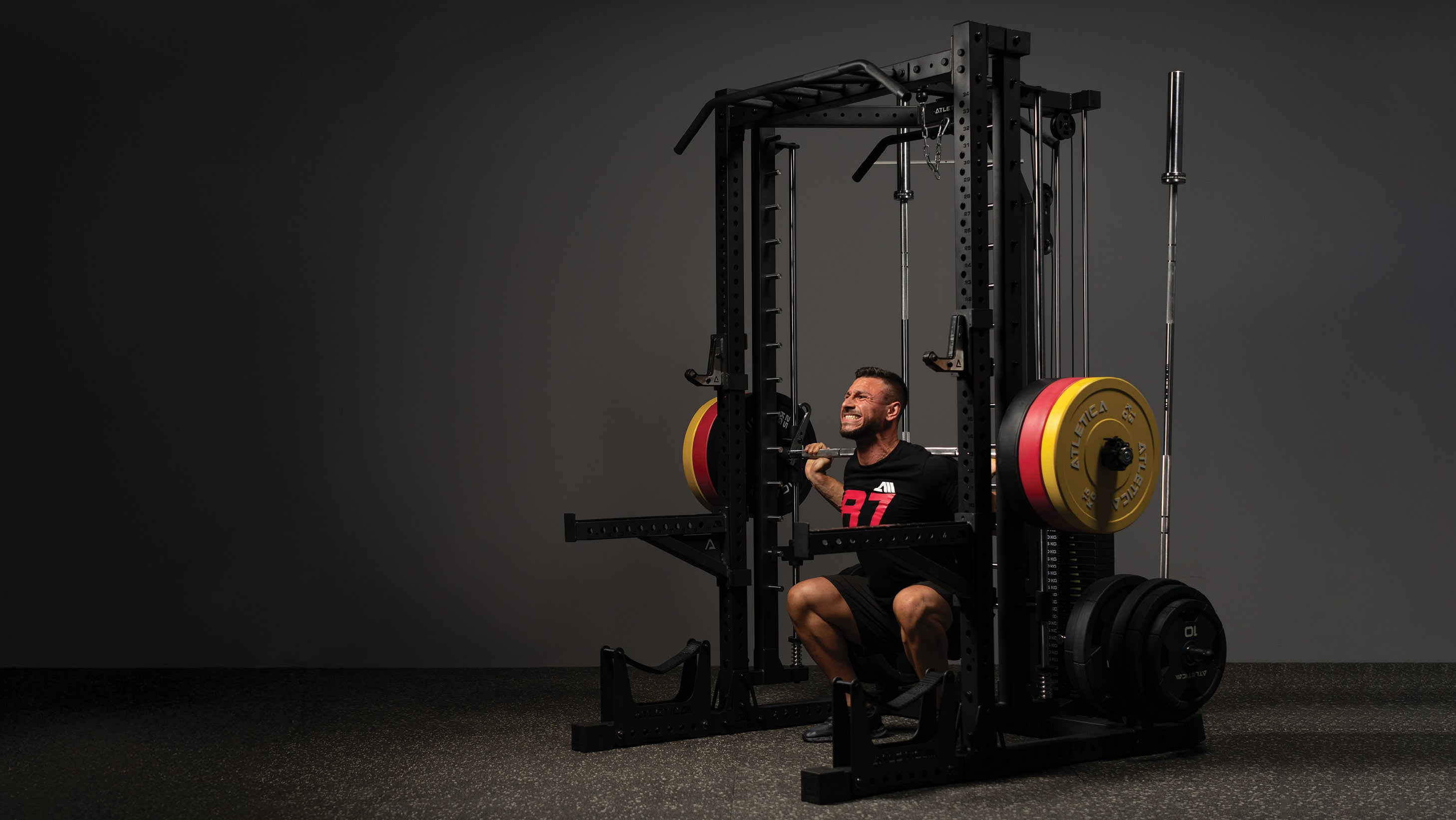
Conclusion: flexibility is almost always the better long-term investment
Most people underestimate how much their training goals and training scope change in the first 2–3 years.
A modular system like the Atletica R8 series gives you exactly that flexibility. You're not starting with a compromise but with a platform that grows with you.
Whoever buys a fixed system today often saves in the wrong place – and pays twice later.
Want a system that still fits you in 3 or 5 years?
Then a modular Power Rack is the clearly more future-proof and long-term more economical choice.
Discover the modular R8 series now
Or get a free consultation to see what your personal setup could look like in the coming years.
Frequently asked questions
Isn't a modular system much more expensive?
At the start, yes. Looked at over 3–5 years, usually not – because you have to make big new purchases less often.
Can I also use a modular system "simply" at first?
Yes. You don't have to expand everything right away. The R8 series also works excellently as a classic Power Rack – the expansion options are simply there when you need them.
What if I'm unsure whether I really want to expand?
Then the R7 series is often the best compromise. It already offers good expansion options but isn't quite as extensive as the R8 series.
Does this only apply to very ambitious athletes?
No. Ordinary committed trainees also benefit from being able to make their training more varied and effective over the years.