











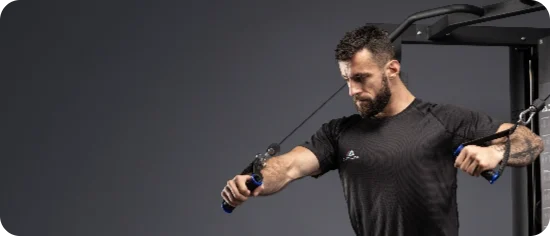

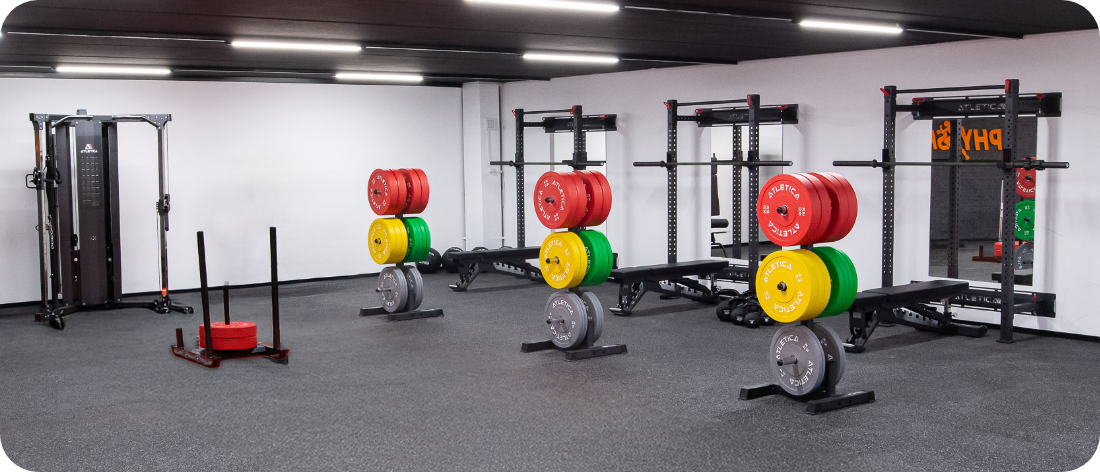
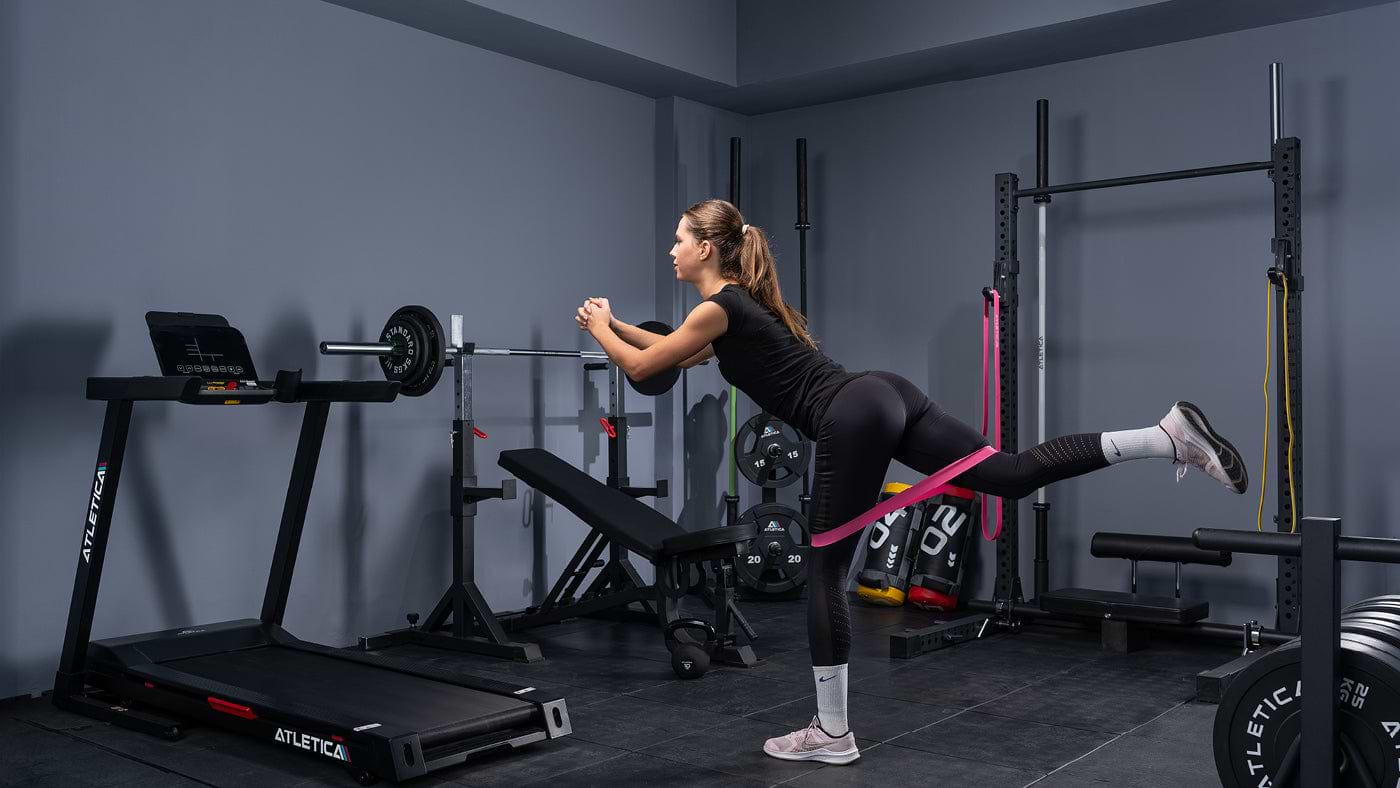
Many people think a real home gym is only possible in big rooms.
That's not true.
With a well-thought-out modular Power Rack and smart planning, you can create a surprisingly versatile and effective training environment in just 6–10 m² – often even better than with several separate machines.
In this guide I'll show you how to get the most out of a small space with modular Power Racks.
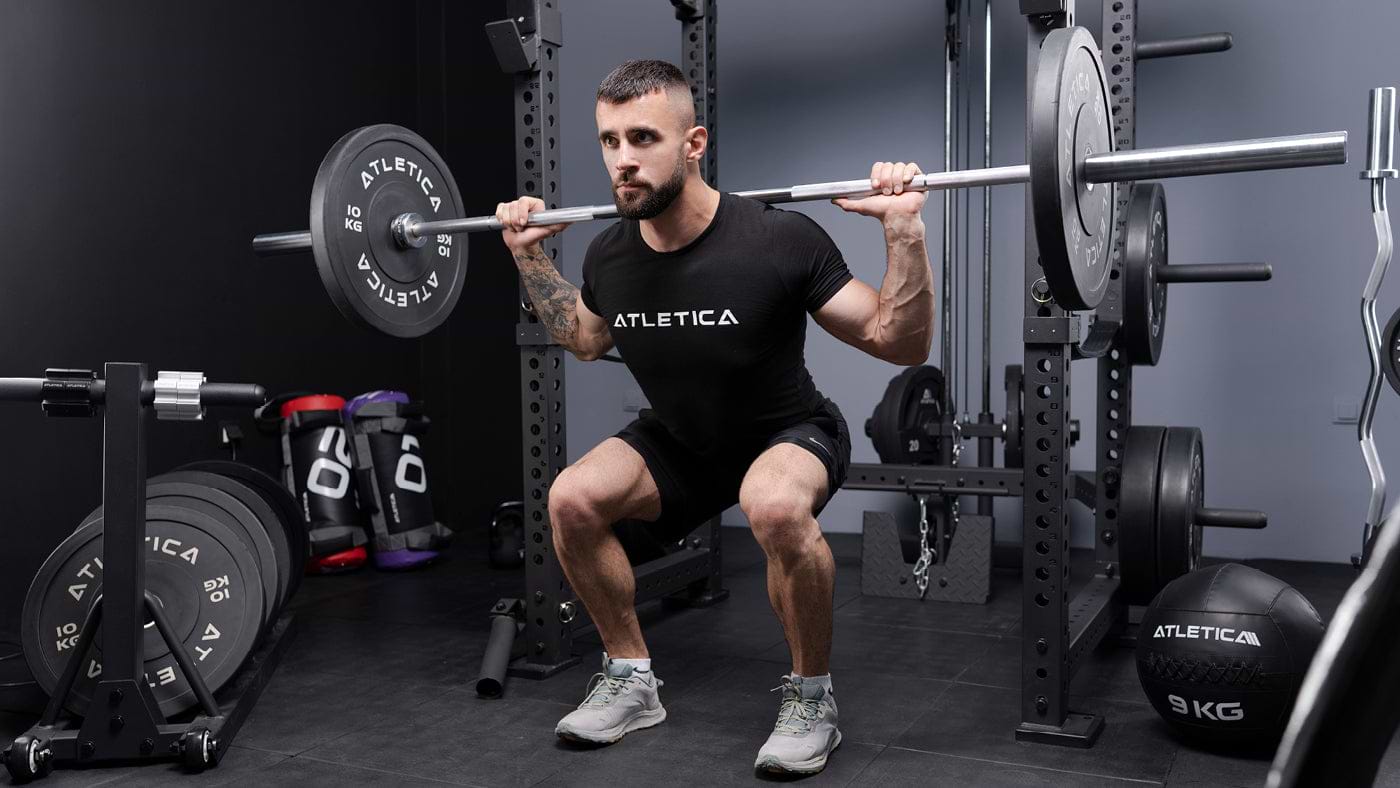
The challenge of small spaces
In a small space there are three big problems:
- Limited floor footprint
- Little movement room around the equipment
- The temptation to buy several compact single machines (which often takes up even more space)
Many people try to solve this by buying several small machines. The result is usually a packed room with limited functionality.
The better solution: one central, modular Power Rack that takes on several functions and can be expanded over time.
Why modular Power Racks are especially strong in a small space
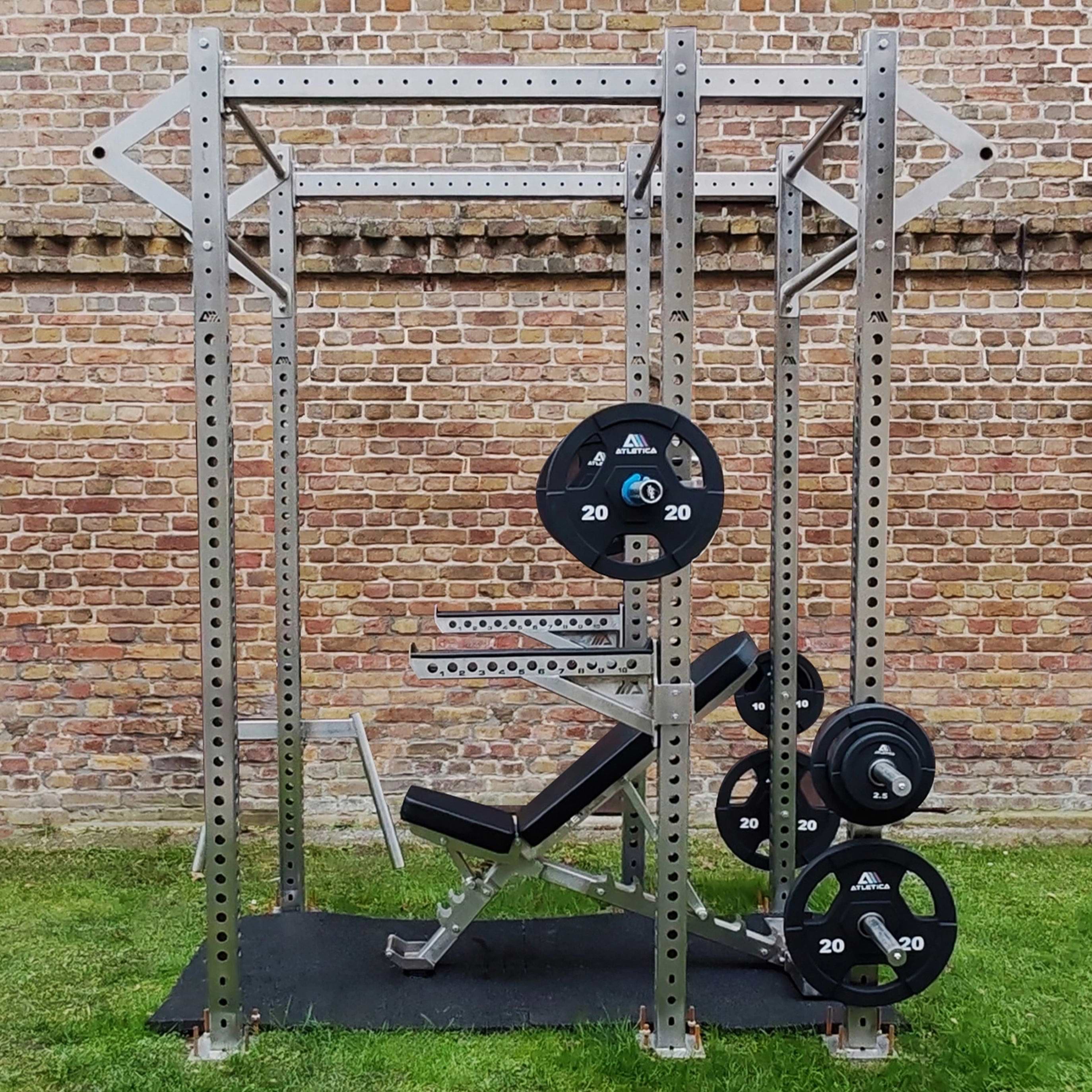
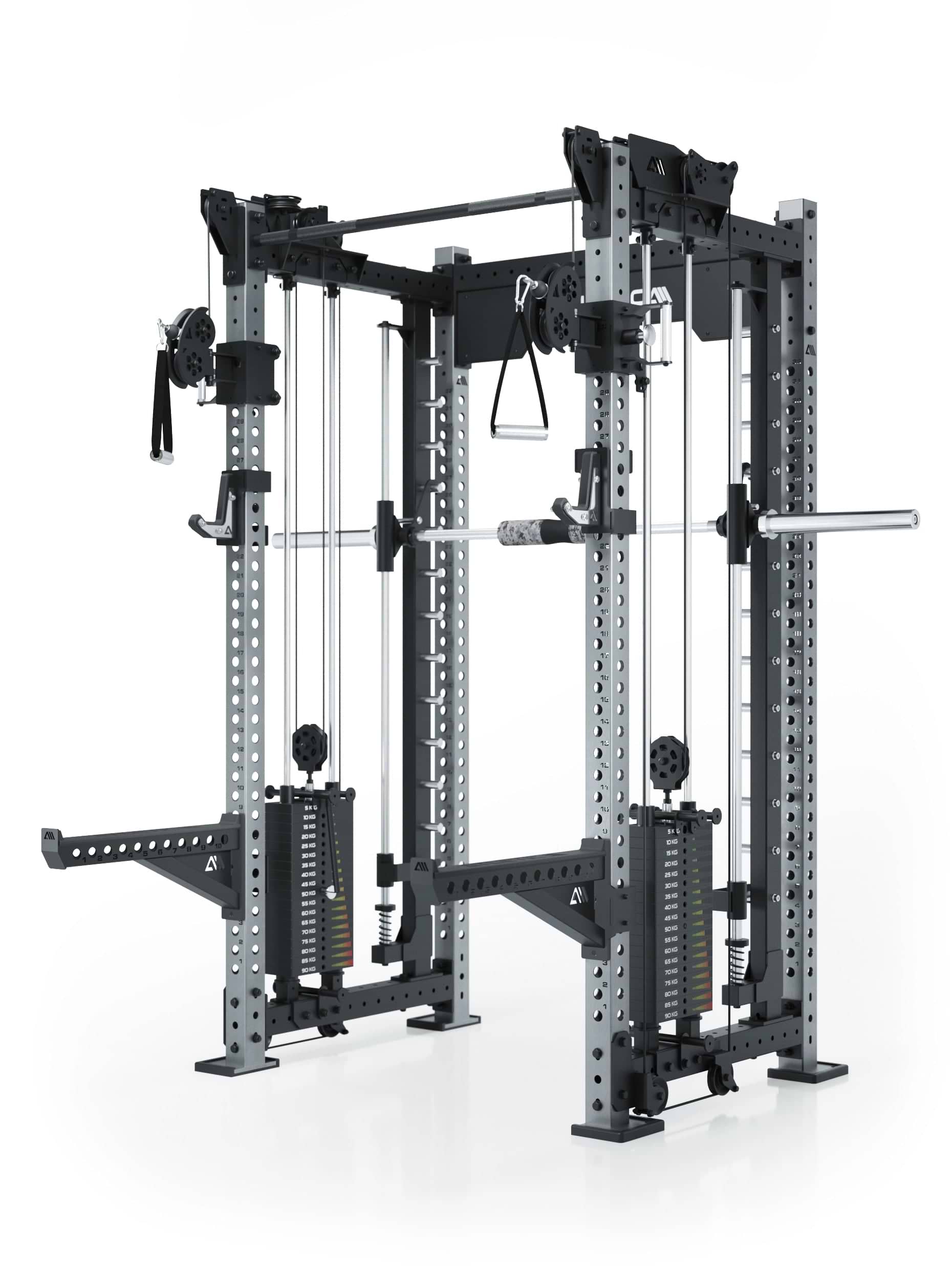
A modular system (like the Atletica R7 and certain R8 configurations) has decisive advantages over multiple separate machines in a small space:
- You only need one central station instead of several bulky machines.
- You can think vertically and store a lot of accessories space-saving or directly on the rack.
- You only add what you actually need – instead of having to buy everything at once.
- You save space and money long-term, because a good modular system can replace multiple separate machines.
Instead of a Bench Press station + Lat Pulldown machine + Leg Press + pull-up bar, you often only need a well-equipped Power Rack with the right attachments.
Practical strategies for maximum training options in a small space
1. Think vertical
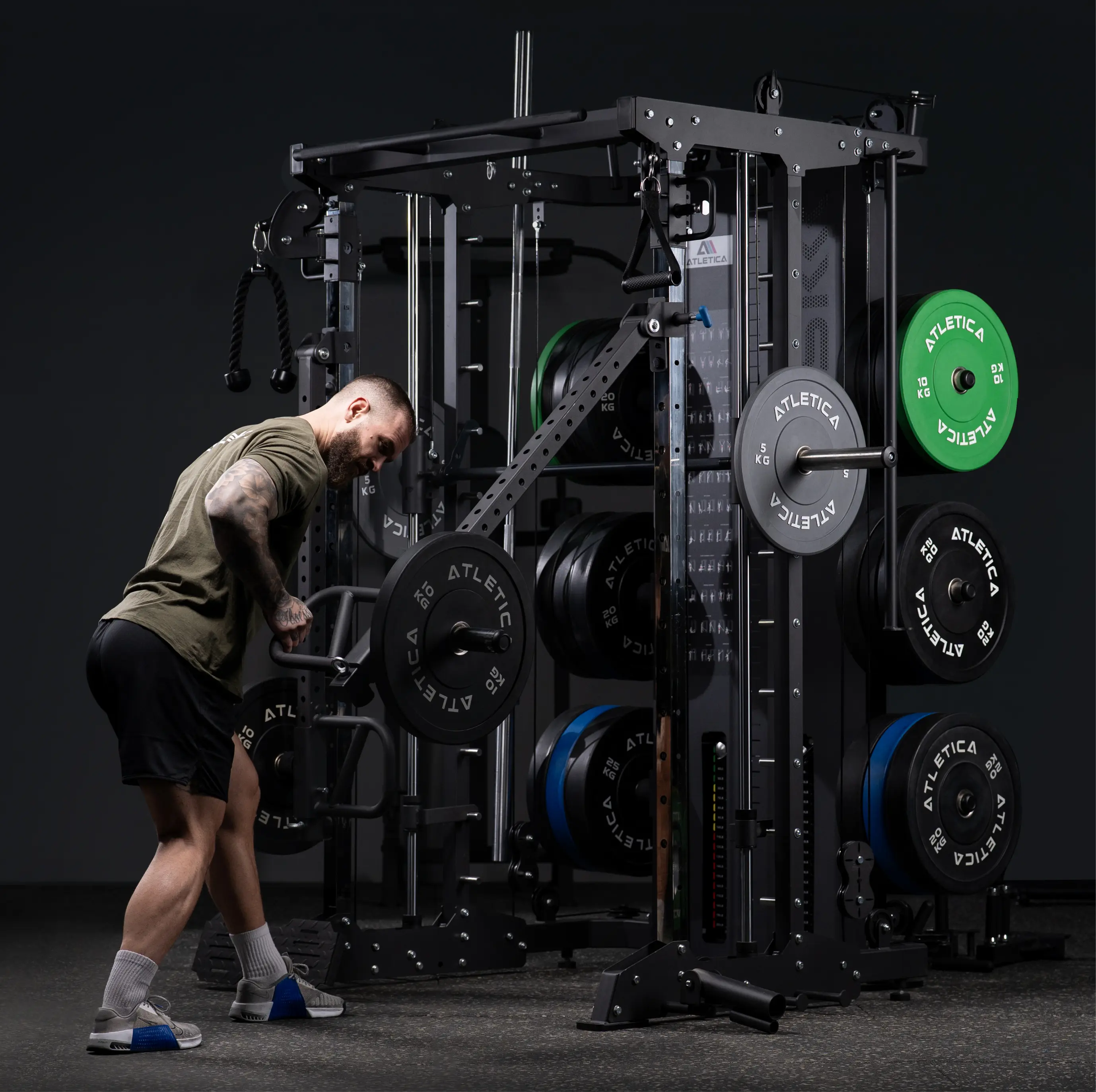
Use the height of the room. Many modular racks let you store accessories on top or on the sides (Plate Storage, Band Pegs, Dip Bars etc.). That keeps the floor clear.
2. Choose multi-functional attachments
Instead of buying many individual pieces, go for attachments that allow multiple exercises:
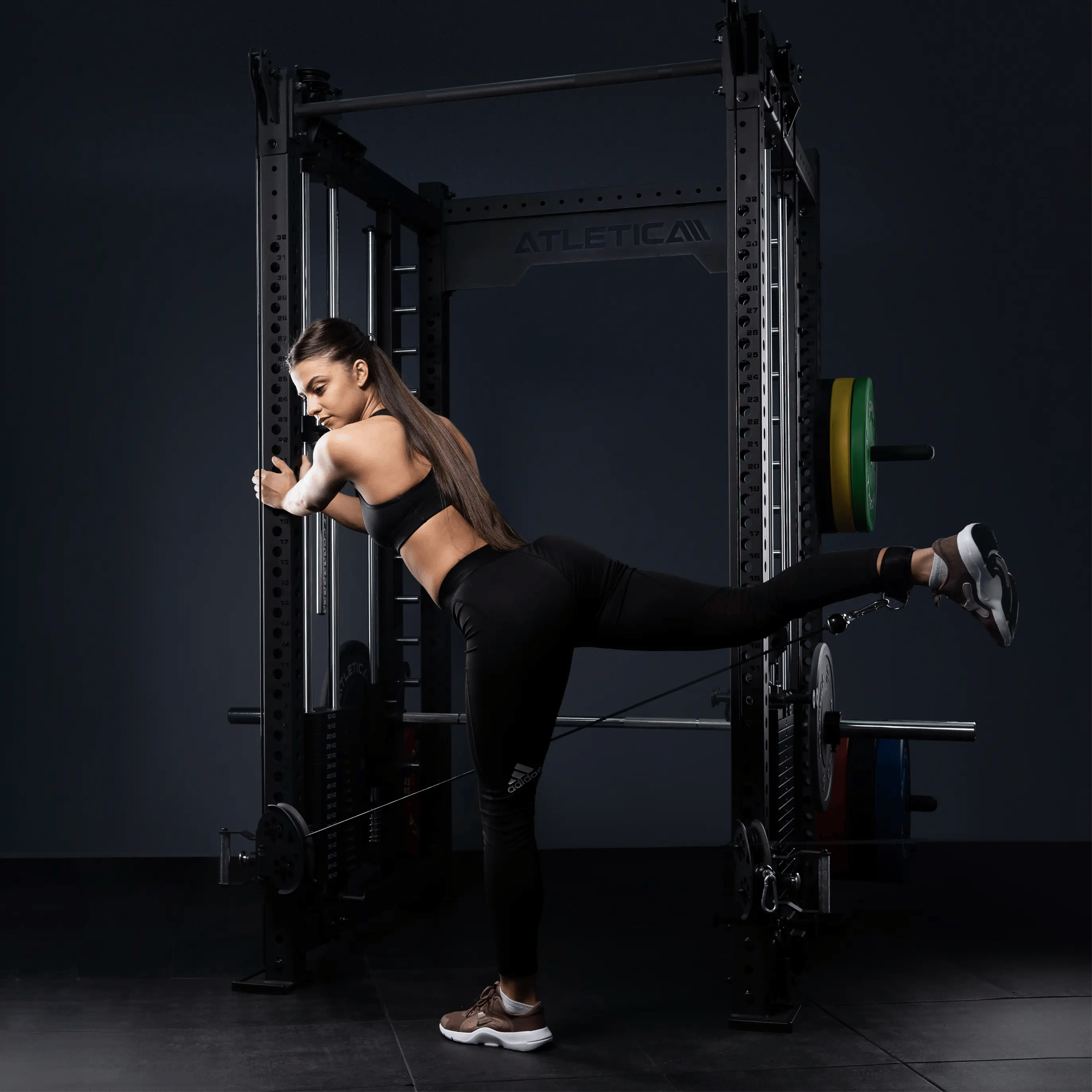
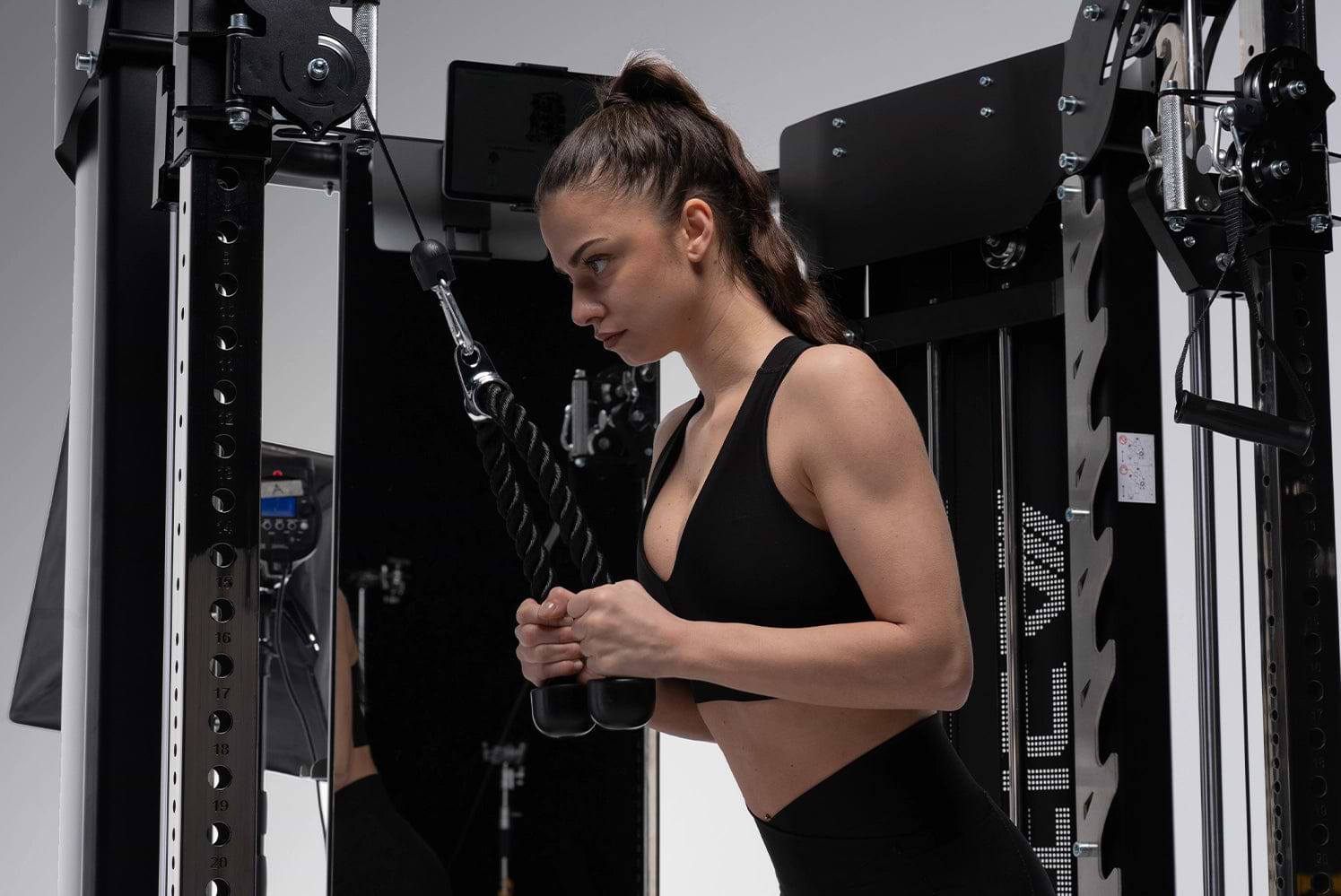
- Cable modules (many exercises in one system)
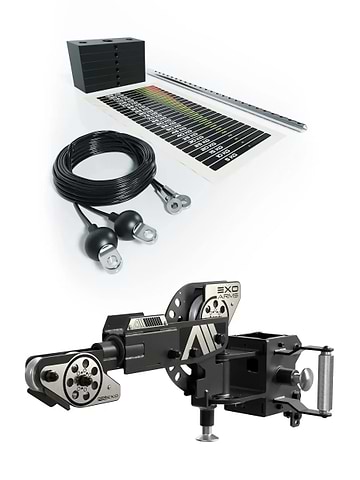
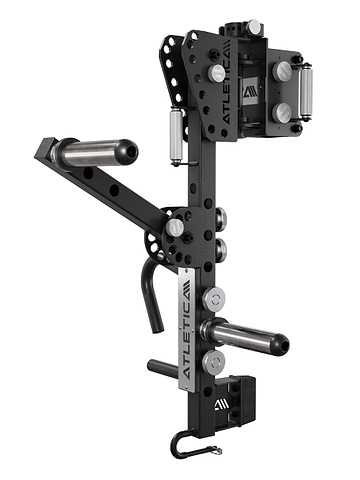
- Jammer Arms or Landmine
- Dip Bars + Safety Straps
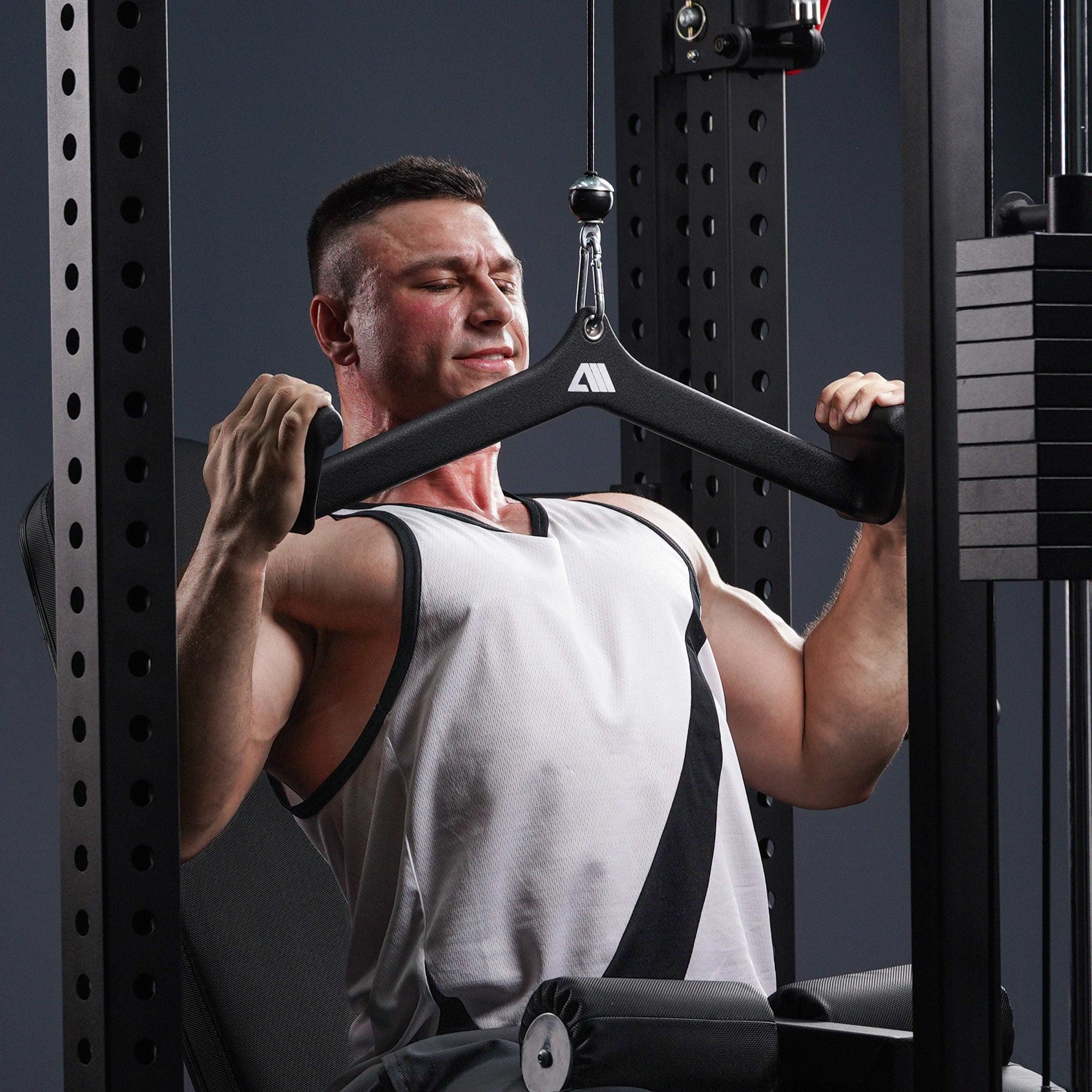
- Lat Pulldown options (on some models)
3. Position the rack as a central training station
Don't shove the rack into a corner – place it so you can work from several sides. That massively expands your usable area.
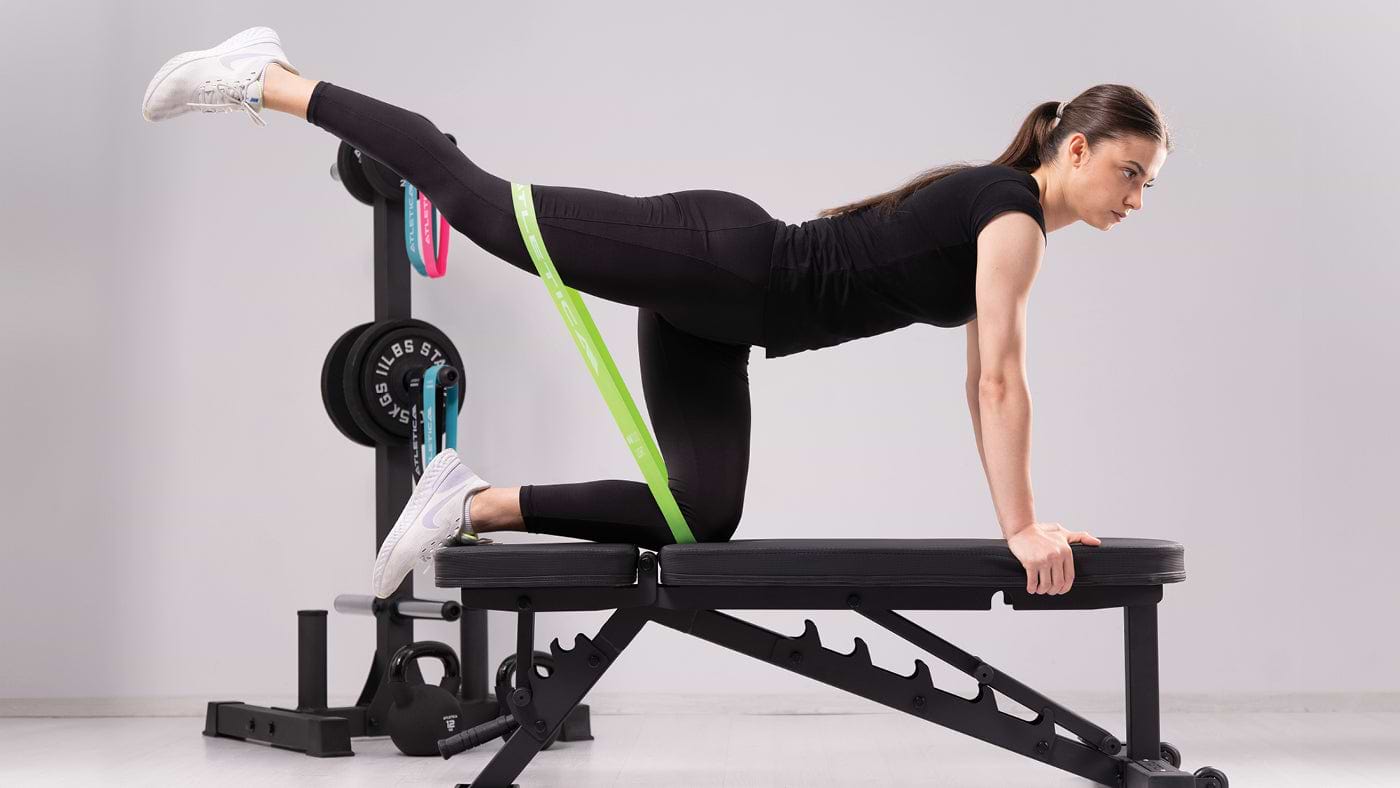
4. Smart storage
Good modular systems have built-in or add-on storage solutions. Less equipment on the floor = more training area.
5. Expand step by step
Start with the base and only add attachments you actually use regularly. That prevents overcrowding.
Which Atletica series is especially suited to small spaces?
- R5 Series → the most compact solution. Ideal when space is really tight and you want a solid base training setup.
- R7 Series → the sweet spot for most small to mid-sized home gyms. Good stability with a still reasonable footprint and useful expansion options.
- R8 Series → possible if you specifically go for compact models or Half-Rack variants and plan to expand heavily later. The R8 Series' modularity is unbeatable if you want lots of functions in one system long-term.
As you saw in the series comparison: for most small home gyms, the R7 Series offers the best balance of stability, functionality and footprint.
Example setups for small spaces
Minimal setup (around 6–8 m²):
- R5 or compact R7 model
- J-Hooks + Safety Arms
- Dip Bars
- Plate Storage on the rack
- Adjustable bench
Advanced small setup (around 8–12 m²):
- R7 or compact R8 model
- Cable module or Plate Loaded Cable System
- Lat Pulldown option
- Jammer Arms or Landmine
- Good storage solution
With this setup you can already train chest, back, legs, shoulders and arms very comprehensively – without the room feeling overloaded.
Checklist: how to set up your small home gym optimally
- Measure ceiling and floor precisely (including movement room)
- Set priorities: which 5–7 exercises really matter to you?
- Pick a modular Power Rack as your central station
- Only buy meaningful, multi-functional accessories
- Plan vertical storage solutions
- Keep the movement area around the rack clear
- If unsure: use a free consultation
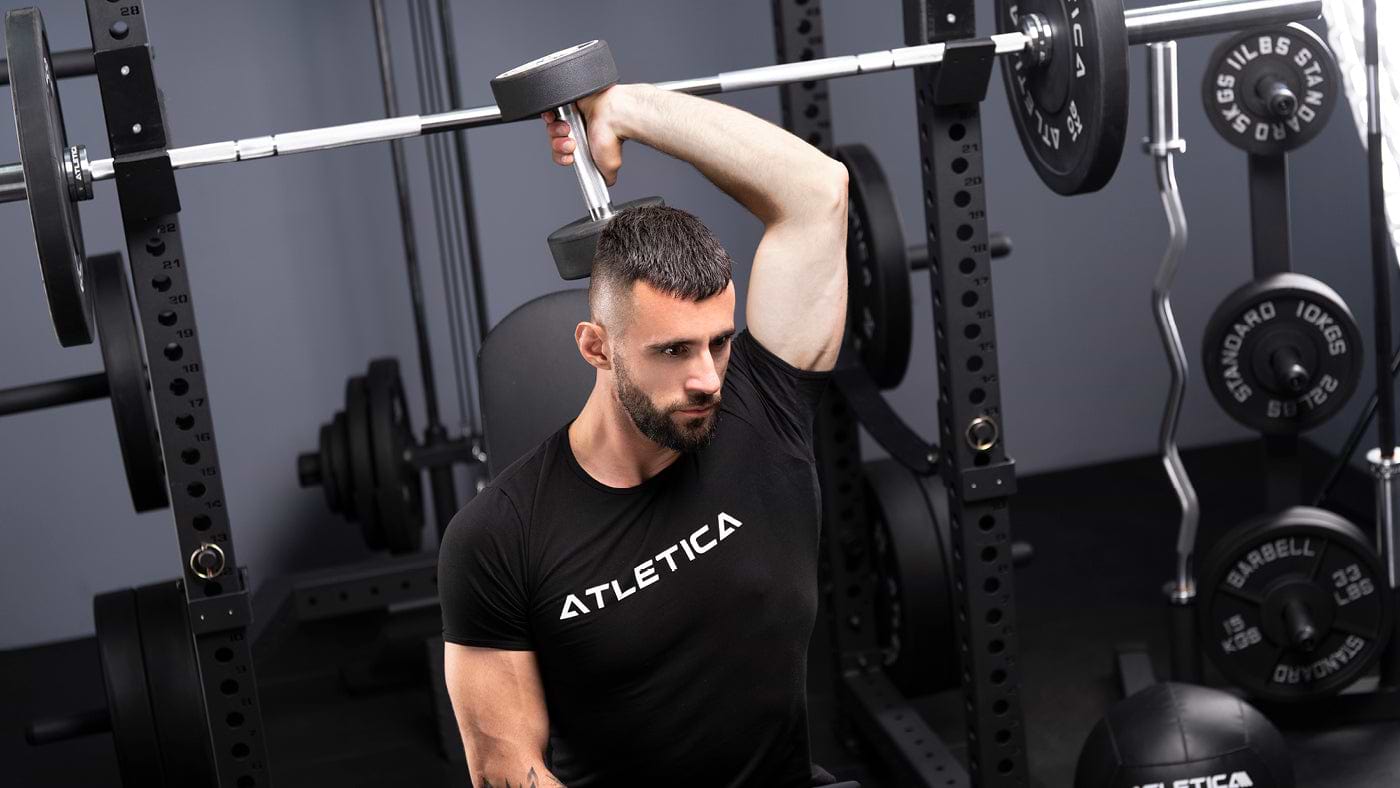
Conclusion: in small spaces, smart modularity often wins
A small home gym doesn't have to be a compromise.
With a well-thought-out modular Power Rack and targeted add-ons, you often get more training quality and variety than with several individual machines on the same footprint.
The key is not trying to buy everything at once, but picking a system that can grow with you – without overloading the room.
Want a tailored concept for your specific room?
Then just book a free consultation. We look at your measurements, your goals and your budget and put together a realistic setup for you.
Or browse the matching models directly:
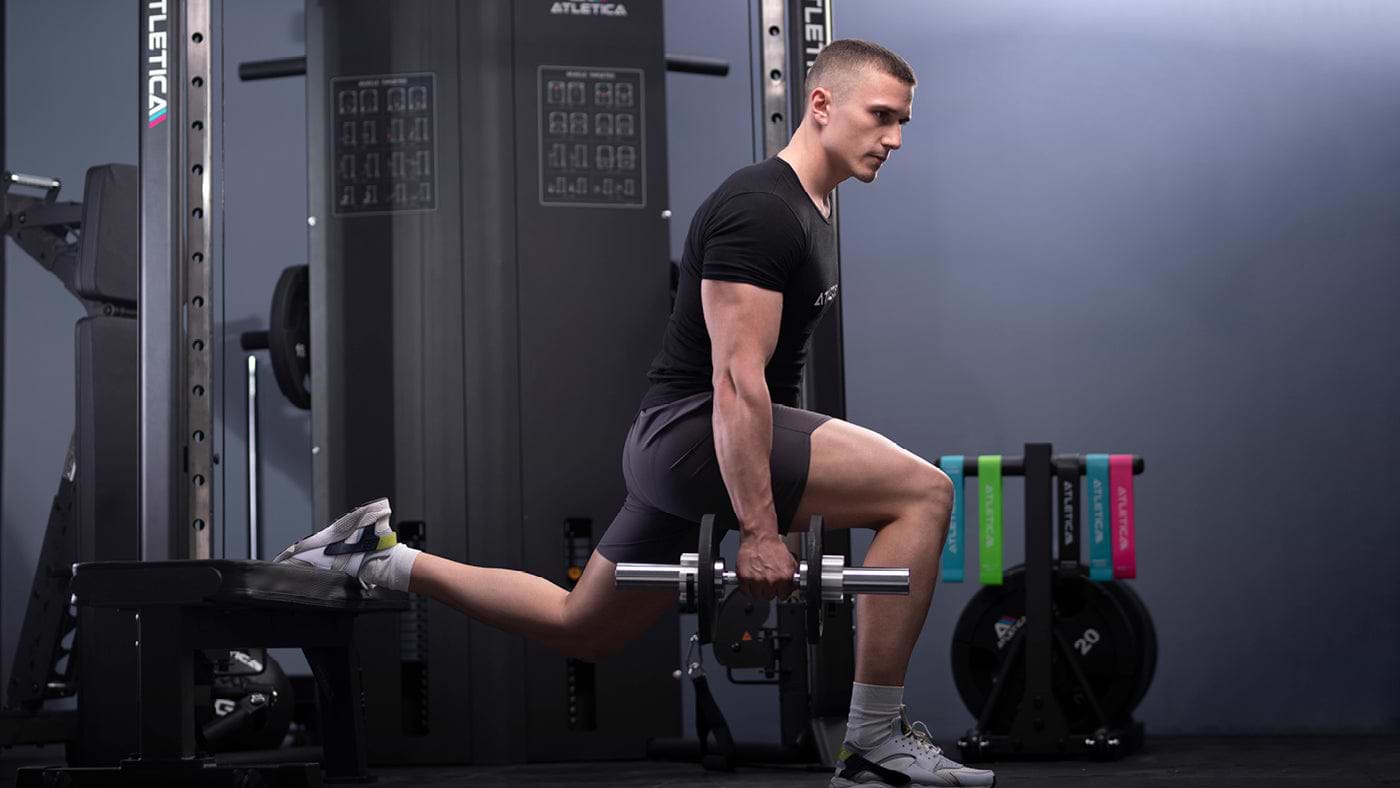
Frequently asked questions
How small can the room really be?
From around 6 m² on, meaningful training with a compact modular Power Rack is possible. The layout and ceiling height matter more than pure square meters.
Don't I lose a lot of space to the rack itself?
A well-placed rack takes up less space than several separate machines. On top of that, you can reclaim a lot of area through vertical use and smart storage solutions.
Should I start cheap and upgrade later?
In very small rooms the risk is high that you'll run into space issues again later. It's better to pick a system right away that's set up to expand sensibly.
Do I really need a cable module?
Not necessarily from the start. Many people begin with the basics and add a cable system later when they want more variation.